Vapor Chamber use in 5G communication equipment?
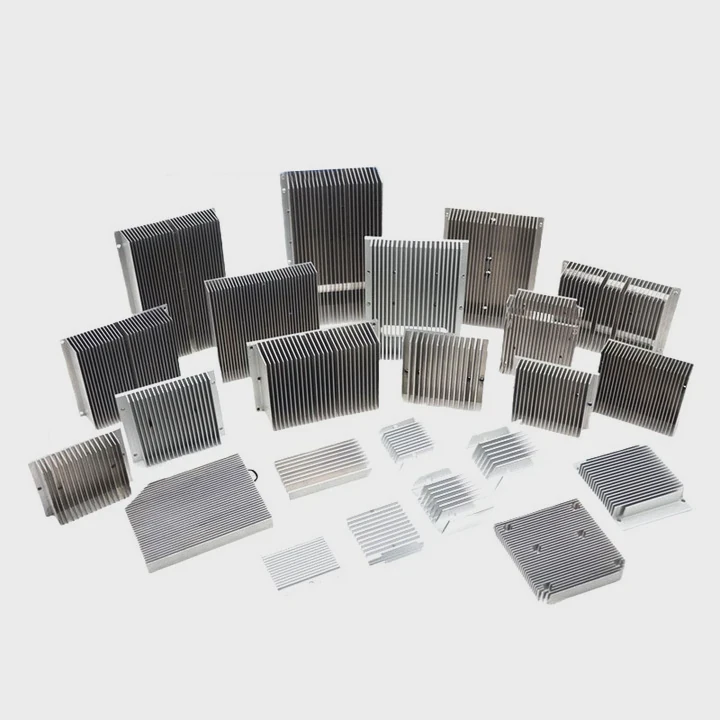
5G equipment heats up fast under high loads — overheating kills performance and shortens lifespan.
Vapor chambers offer a compact and powerful solution to spread heat across small areas in 5G communication hardware.
These thin, sealed metal chambers help remove concentrated heat from chips without bulky cooling systems.
How are Vapor Chambers applied in 5G communication hardware?
5G chips and amplifiers generate high, localized heat that can’t be ignored.
Vapor chambers are placed directly over hot chips or modules to spread heat across a wider area, boosting cooling efficiency.
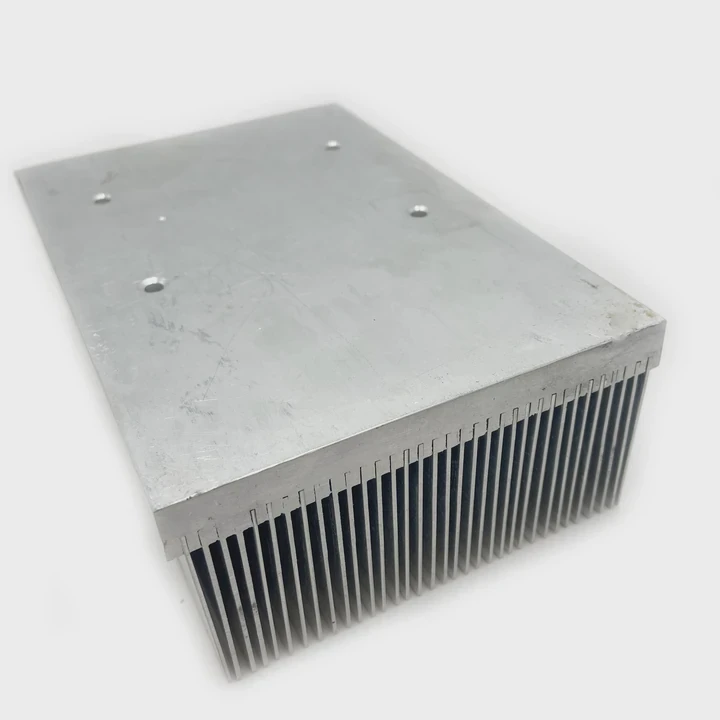
Inside many 5G systems — like radio units or edge devices — there are high-power ICs placed tightly together. These include RF modules, power amplifiers, or FPGAs. Vapor chambers are commonly mounted on top of these chips. They act like heat spreaders, moving heat away from hot zones quickly.
Engineers often sandwich the vapor chamber between the chip and a metal enclosure or fin array. The chamber spreads out hot spots so the surrounding metal can handle the heat more evenly. This avoids having one part overheat while others stay cool.
Vapor chambers used in these systems are usually ultra-thin (2–3 mm) and come in custom shapes — L-shapes, U-shapes, or with notches — to fit tight PCB layouts. They’re built to match the chip layout and avoid interfering with connectors or fasteners.
Why designers choose vapor chambers:
- Passive operation — no fans or pumps
- Excellent spreading across hotspots
- Thin enough to fit tight spaces
- Compatible with direct-contact cooling
- Can interface with fins, chassis, or heat pipes
Also, vapor chambers provide more consistent cooling than solid metal blocks. Their internal vapor movement equalizes temperature quickly. This helps sensitive chips run within safe limits even under high traffic or poor ventilation.
Do 5G base stations use Vapor Chambers for thermal management?
Outdoor base stations operate all day, in every weather. Heat must be managed with no moving parts.
Yes, many 5G base stations use vapor chambers to cool RF amplifiers, processors, and power components.
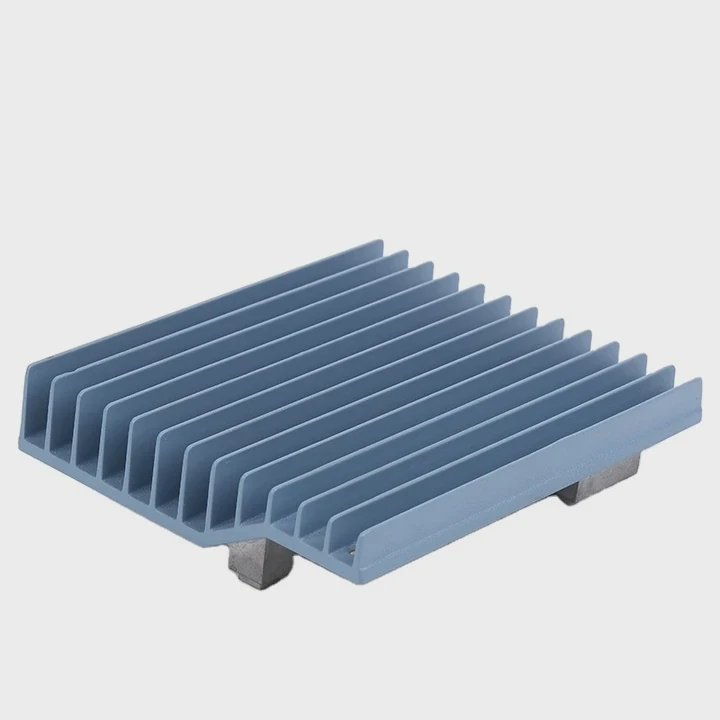
5G base stations, especially remote radio units (RRUs), are installed on towers or rooftops. These units work 24⁄7 and can’t rely on fans due to dust, vibration, or maintenance limits. Passive cooling is the standard — and that’s where vapor chambers shine.
Vapor chambers are installed directly beneath high-power RF modules or SoCs. These chambers then connect to metal chassis parts, which radiate the heat out to the environment.
Here’s a typical thermal setup inside a 5G RRU:
| Component | Cooling Method | Role of Vapor Chamber |
|---|---|---|
| Power Amplifier | Vapor chamber + chassis | Spread heat quickly over panel |
| Baseband processor | Vapor chamber + heat sink | Even out thermal load |
| Transceiver module | Direct contact with VC | Maintain stable temperature |
| DC converter area | Conduction + vapor chamber assist | Avoid local overheating |
Vapor chambers also reduce design risk. They help meet thermal specs even when ambient conditions are harsh — like in desert, mountain, or urban environments with limited airflow.
Some RRUs even use multiple vapor chambers per unit. Each one is optimized for its chip layout and heat output.
What form factor constraints apply in communication equipment?
5G systems must fit in walls, towers, and ceiling spaces — leaving little room for heat spreaders.
Vapor chambers used in communication hardware must be ultra-thin and shaped to fit tight, complex device layouts.
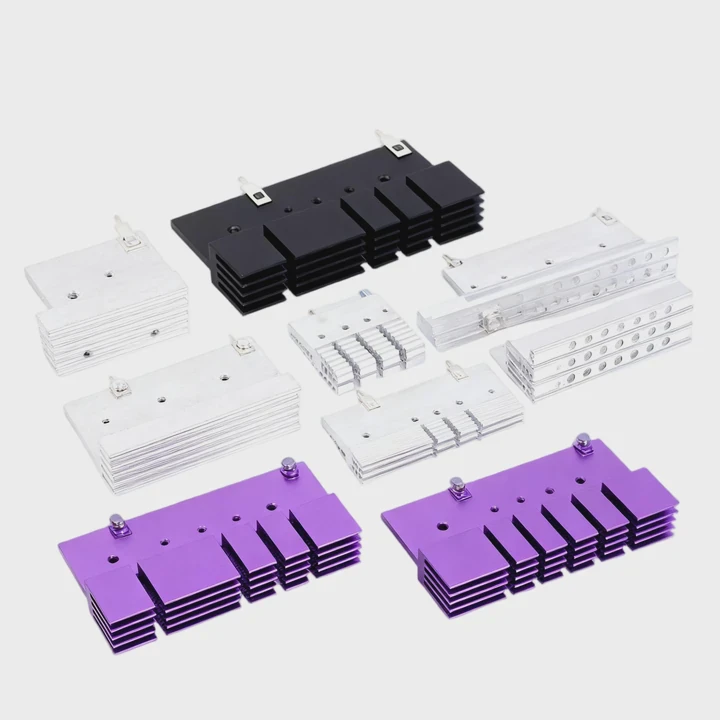
Space is always tight in telecom hardware. Vapor chambers must be shaped and sized to match:
- Chip layout on PCB
- Screw holes, ports, standoffs
- Max height clearance (often < 5 mm)
- Board stack height
- Thermal interfaces (TIMs or pads)
Custom vapor chambers are often required. Here’s a quick breakdown:
| Constraint | Common Value or Limit | Design Implication |
|---|---|---|
| Max Thickness | 2–4 mm | Limits wick type and vapor volume |
| Surface Area | Based on PCB / enclosure shape | Needs custom tooling |
| Cutouts / Shapes | Around ports, fasteners, sockets | Higher fabrication cost |
| Weight | Often < 100 g per chamber | Prefer light metals (Al or thin Cu) |
Types of vapor chambers used in telecom gear:
1. Flat plate chambers
Ideal for baseband modules or processors.
2. L-shaped chambers
Fit around corner-mounted amplifiers.
3. Multi-zone chambers
Cover multiple chips with uneven spacing.
In these devices, chamber shape often defines product thickness. One extra millimeter may break a product spec. That’s why vapor chambers must be planned from the start — not added as a last-minute fix.
Can Vapor Chambers handle the power density in 5G modules?
5G power amplifiers can dump 30–60 W/cm² of heat — enough to damage chips fast.
Yes, modern vapor chambers are built to manage power densities up to 100 W/cm² with low thermal resistance.
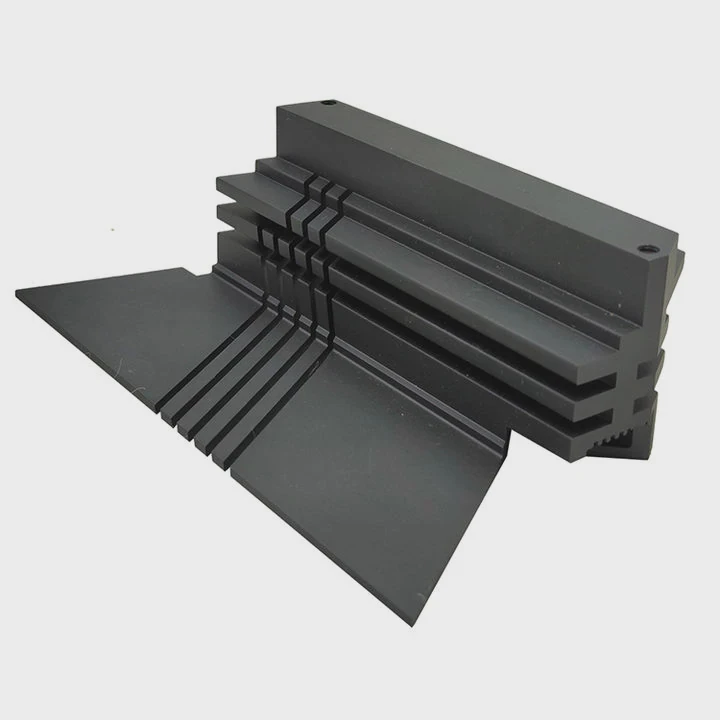
Power density is a big issue in 5G hardware. Components get smaller while handling more current. Vapor chambers solve this by spreading high heat over a large surface.
Let’s compare some typical values:
| Module Type | Heat Flux (W/cm²) | Vapor Chamber Capacity | Notes |
|---|---|---|---|
| RF Amplifier | 30–60 | 100+ | Needs direct contact |
| Signal Processor | 5–15 | 80+ | Lower peak, wider area |
| PSU Block | 2–10 | 50–80 | Good fit for VC cooling |
Key design points:
- Wick structure matters: A dense wick spreads vapor more evenly and returns condensate faster.
- Contact pressure: Without proper TIM pressure, heat transfer suffers. A poorly mounted chamber is no better than a plain metal plate.
- Ambient temperature: If installed in 40°C outdoor air, vapor chambers must dump heat to chassis efficiently to avoid overload.
- Thermal cycling: The chamber must resist expansion/contraction fatigue over time. Good welds and seals are critical.
Some vapor chambers are paired with heat pipes to carry heat to external plates. Others simply mount flush with a finned housing. Both setups rely on the chamber to handle the first stage: remove the heat from the chip fast, then let other parts spread or release it.
In modern 5G products, vapor chambers are often sized with thermal simulations. Engineers calculate ΔT (temperature difference) under peak loads. A good vapor chamber will keep chip temperatures within 15–25°C over ambient — safe for most silicon.
Conclusion
Vapor chambers have become a go-to thermal solution in 5G gear. They manage high power density in thin spaces, support fanless design, and offer custom shapes to fit compact modules. Their ability to spread heat fast ensures performance and reliability across 5G systems.
TAGS
Latest Articles

Volume discount levels for heat sink orders?
Buyers often ask when heat sink prices start to drop with volume. Many worry they’re overpaying for small orders. This guide explains how B2B volume pricing works for thermal components. Heat sink
21 Dec,2025
Heat sink long-term supply contract options?
Many buyers want stable pricing and reliable delivery for heat sinks. But without a clear contract, risks grow over time. This article explores how to secure better long-term supply deals. Long-term
21 Dec,2025
Tooling cost for new heat sink profiles?
Many engineers struggle to understand why tooling for custom heat sinks costs so much. They worry about budgeting and production timelines. This article breaks down the cost drivers behind tooling.
21 Dec,2025
Heat sink custom sample process steps?
Sometimes, starting a custom heat sink project feels overwhelming—too many steps, too many unknowns, and too many risks. You want a sample, but not endless delays. The process for requesting and
20 Dec,2025
Standard B2B terms for heat sink payments?
When buyers and sellers in B2B heat sink markets talk about payment, many don’t fully understand what’s standard. This can lead to delayed orders, miscommunication, and even lost business
20 Dec,2025
Heat sink pricing factors for large orders?
Heat sinks are vital for many systems. When prices rise, projects stall and budgets break. This problem can hit teams hard without warning. Large order heat sink pricing depends on many factors. You
20 Dec,2025Related Articles
- Vapor Chamber Performance in Aerospace Systems?
- Can Vapor Chamber be used in construction machines?
- Best Vapor Chamber solution for medical devices?
- Vapor Chamber application in LED lighting?
- Lead time for custom Vapor Chamber parts?
- Does Vapor Chamber suit gaming laptops cooling?
- Vapor Chamber for data center cooling needs?
- Vapor Chamber heat resistance test report?
- Minimum order quantity for Vapor Chamber?
- How to verify Vapor Chamber quality certifications?
- Heat sink maximum operating temperature rating?
- What alloy is best for heat sink extrusion?
Author
Dr. Emily Chen
Chief AI Researcher
Leading expert in thermal dynamics and AI optimization with over 15 years of experience in data center efficiency research.
Categories
Latest Products






Recommend Categories
- Liquid cooling plate Manufacturer
- Industrial Heat Sink Manufacturer
- Standard Heat Sink Manufacturer
- Aluminum Heat Sink Manufacturer
- Copper Heat Sink Manufacturer
- Anodized Heatsink Manufacturer
- Stamping heat sink Manufacturer
- Die Casting Heatsink Manufacturer
- Soldering heat sink Manufacturer
- CNC Parts Manufacturer
Latest Products
- Wholesale Aluminum Radiator
- Water Cooling Plate Kit
- Water Cooling Heat Sink
- Water Cooling Heat Sink Kit
- Stainless Steel Water Distributor
- Server Water Cooling Plate Kit
- Server Liquid Cooling System
- Server Aluminum Cooling Kit
- S19 Full Cover Cooling Plate
- S19 Cooling Plate Kit
- S19 Aluminum Cooling Plate
Contact Expert
Have questions about this article? Reach out to our experts directly.