Vapor Chamber heat resistance test report?
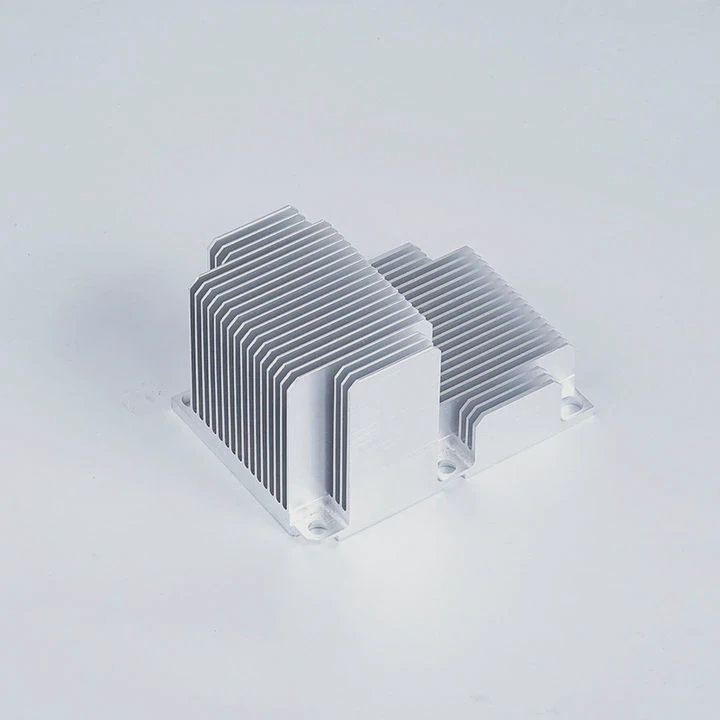
When thermal design fails, overheating can damage components fast. A heat-resistance test report is the only way to prove if your vapor chamber survives stress.
A proper test report proves if the vapor chamber meets spec under high heat, shows test data clearly, and confirms safe use or need for design change.
Clear reports build trust. Engineers, clients, and QA teams need to know what was tested, how, and what it means. Let’s break it down.
What elements should be included in a Vapor Chamber heat-resistance test report?
Even a great test is useless without the right documentation.
The report should list identification info, test parameters, measurement data, pass/fail criteria, and conclusions clearly.
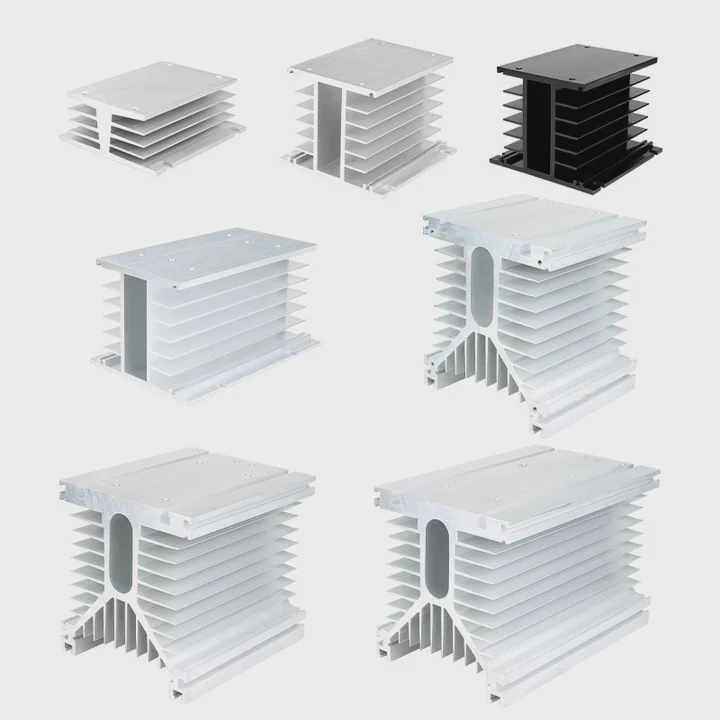
A complete test report must be structured in a way that every reader, from engineers to quality managers, can understand what was tested, how it was tested, and what the outcome was. Here’s what must be included:
Report Essentials:
| Section | Content |
|---|---|
| Identification | Part ID, batch number, operator, date, version of procedure |
| Test Setup | Sensor locations, mounting details, instruments used, lab conditions |
| Test Parameters | Temperatures, durations, cycles, power input |
| Raw Data | Temperatures, resistance values, performance degradation |
| Visual Observations | Warping, leaks, discoloration, physical defects |
| Analysis | Data trends, comparison with spec, failure reasons (if any) |
| Final Evaluation | Pass/fail status, recommendations, next actions |
Why structure matters
A missing section (e.g., no visual inspection data) means a risk may go undetected. Including all standard elements helps verify if the vapor chamber performs as expected.
When the structure is clear and standardized, it reduces miscommunication between suppliers, designers, and OEM customers.
Which test conditions simulate high-temperature exposure for Vapor Chambers?
Designers can’t afford surprises. Test conditions must reflect — or exceed — the harshest real use cases.
Typical test conditions include elevated ambient temperature, high internal heat load, extended dwell time, and sometimes rapid temperature shifts.
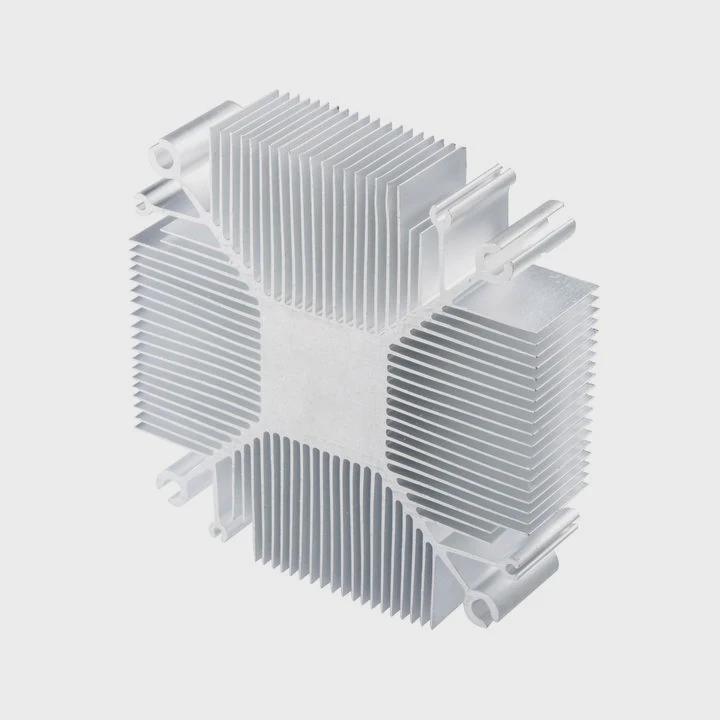
Different industries push vapor chambers into very different environments. For example:
- Aerospace devices often face thermal cycling from –55°C to +125°C.
- Telecom cabinets can run constantly above 75°C.
- EV battery cooling systems experience continuous high load for hours.
Common Test Conditions:
| Condition Type | Example Range or Value |
|---|---|
| Ambient Temperature | 70°C to 95°C |
| Heat Load (Internal) | 80W to 150W heat source mounted centrally |
| Dwell Time | 4 to 8 hours at max temp |
| Cycle Count | 10 to 20 full thermal cycles |
| Ramp Rate | 3°C to 5°C per minute up/down |
| Humidity (optional) | 85% RH for combined thermal-humidity stress |
Added Stress Factors
- Mounting under mechanical load: Simulates stress from real product integration.
- High humidity environments: Critical for aluminum/copper corrosion evaluation.
- Rapid power cycling: Pushes the limits of internal wick and structure stability.
Selecting the right conditions is not about testing everything — it’s about focusing on the worst that real life can throw at your product.
Are temperature ramp-up, dwell and cooldown cycles used in test?
Thermal tests aren’t just about heat — they’re about how the product handles changes.
Yes. In heat resistance tests for vapor chambers, ramp-up, dwell, and cooldown cycles are often used to reveal thermal and mechanical stress issues.
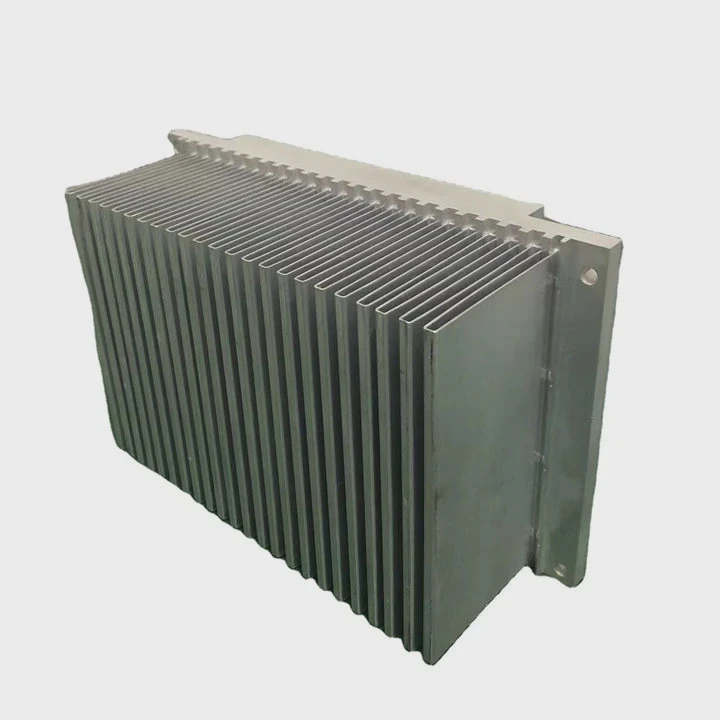
This three-stage cycle simulates startup, steady use, and power-off — just like a real device. Each stage tells something different:
Why each phase matters:
- Ramp-up: Tests structural expansion and internal fluid dynamics.
- Dwell: Reveals heat transfer performance and long-term thermal behavior.
- Cooldown: Highlights potential cracks, seal failures, or material mismatch.
Sample Test Cycle:
| Phase | Description | Duration/Rate |
|---|---|---|
| Ramp-up | Ambient to 85°C | 5°C/min |
| Dwell | Maintain 85°C with 100W load | 6 hours |
| Cooldown | Natural convection to 25°C | ~20 minutes |
| Repeat | Total of 10 cycles | 2 cycles/day for 5 days |
Some chambers show no failure at first, but performance shifts after multiple cycles. That’s why it’s important to log performance after each cycle.
When running this type of test, it’s also helpful to log data at intervals (e.g., every 30 minutes). That allows trend analysis — is the thermal resistance drifting up?
How to interpret results and compare with specification for Vapor Chambers?
Testing is only useful if you know what it means. Numbers need context.
Interpret results by comparing temperature data, thermal resistance, structural condition and leak status against spec limits and repeatability thresholds.
Once data is collected, it must be matched against the design or client specification. Focus on:
- Thermal resistance before and after test: Any increase above 10% may suggest internal wick or chamber degradation.
- Peak temperatures: Are junction temperatures still below critical thresholds (usually <105°C)?
- Appearance: Any visible bulges, color changes, leakage, or solder cracks = instant fail.
- Repeatability: Multiple samples should perform within 5% variance.
Example: Comparison Table
| Parameter | Specification | Measured Result | Status |
|---|---|---|---|
| Thermal Resistance | ≤ 0.1°C/W | 0.09°C/W → 0.094°C/W | PASS |
| Max Surface Temp | ≤ 100°C | 96°C | PASS |
| Visual Defects | None | No issues | PASS |
| Leak Detection | Zero leak at 85°C | Passed | PASS |
In some cases, thermal performance may pass, but visual defects appear — such as minor swelling. Depending on the client, this could be accepted or rejected.
When interpreting, always look at trends. If resistance rises slightly every cycle, that’s a warning. Stable readings mean better durability.
It’s also good practice to flag any part that passes but with narrow margin, as that can become a failure under future stress.
Conclusion
A complete vapor chamber heat resistance test report needs full documentation, realistic test conditions, proper use of thermal cycles, and clear performance evaluation. It must go beyond numbers to ensure long-term reliability. When done right, it becomes a key proof point for quality and product safety.
TAGS
Latest Articles

Volume discount levels for heat sink orders?
Buyers often ask when heat sink prices start to drop with volume. Many worry they’re overpaying for small orders. This guide explains how B2B volume pricing works for thermal components. Heat sink
21 Dec,2025
Heat sink long-term supply contract options?
Many buyers want stable pricing and reliable delivery for heat sinks. But without a clear contract, risks grow over time. This article explores how to secure better long-term supply deals. Long-term
21 Dec,2025
Tooling cost for new heat sink profiles?
Many engineers struggle to understand why tooling for custom heat sinks costs so much. They worry about budgeting and production timelines. This article breaks down the cost drivers behind tooling.
21 Dec,2025
Heat sink custom sample process steps?
Sometimes, starting a custom heat sink project feels overwhelming—too many steps, too many unknowns, and too many risks. You want a sample, but not endless delays. The process for requesting and
20 Dec,2025
Standard B2B terms for heat sink payments?
When buyers and sellers in B2B heat sink markets talk about payment, many don’t fully understand what’s standard. This can lead to delayed orders, miscommunication, and even lost business
20 Dec,2025
Heat sink pricing factors for large orders?
Heat sinks are vital for many systems. When prices rise, projects stall and budgets break. This problem can hit teams hard without warning. Large order heat sink pricing depends on many factors. You
20 Dec,2025Related Articles
- Vapor Chamber for data center cooling needs?
- Vapor Chamber use in 5G communication equipment?
- Vapor Chamber Performance in Aerospace Systems?
- Can Vapor Chamber be used in construction machines?
- Best Vapor Chamber solution for medical devices?
- Vapor Chamber application in LED lighting?
- Minimum order quantity for Vapor Chamber?
- How to verify Vapor Chamber quality certifications?
- Heat sink maximum operating temperature rating?
- What alloy is best for heat sink extrusion?
- Required tolerance for machined heat sink?
- Minimum flatness needed for heat sink bases?
Author
Dr. Emily Chen
Chief AI Researcher
Leading expert in thermal dynamics and AI optimization with over 15 years of experience in data center efficiency research.
Categories
Latest Products






Recommend Categories
- Liquid cooling plate Manufacturer
- Industrial Heat Sink Manufacturer
- Standard Heat Sink Manufacturer
- Aluminum Heat Sink Manufacturer
- Copper Heat Sink Manufacturer
- Anodized Heatsink Manufacturer
- Stamping heat sink Manufacturer
- Die Casting Heatsink Manufacturer
- Soldering heat sink Manufacturer
- CNC Parts Manufacturer
Latest Products
- Wholesale Aluminum Radiator
- Water Cooling Plate Kit
- Water Cooling Heat Sink
- Water Cooling Heat Sink Kit
- Stainless Steel Water Distributor
- Server Water Cooling Plate Kit
- Server Liquid Cooling System
- Server Aluminum Cooling Kit
- S19 Full Cover Cooling Plate
- S19 Cooling Plate Kit
- S19 Aluminum Cooling Plate
Contact Expert
Have questions about this article? Reach out to our experts directly.