Can Vapor Chamber be used in construction machines?
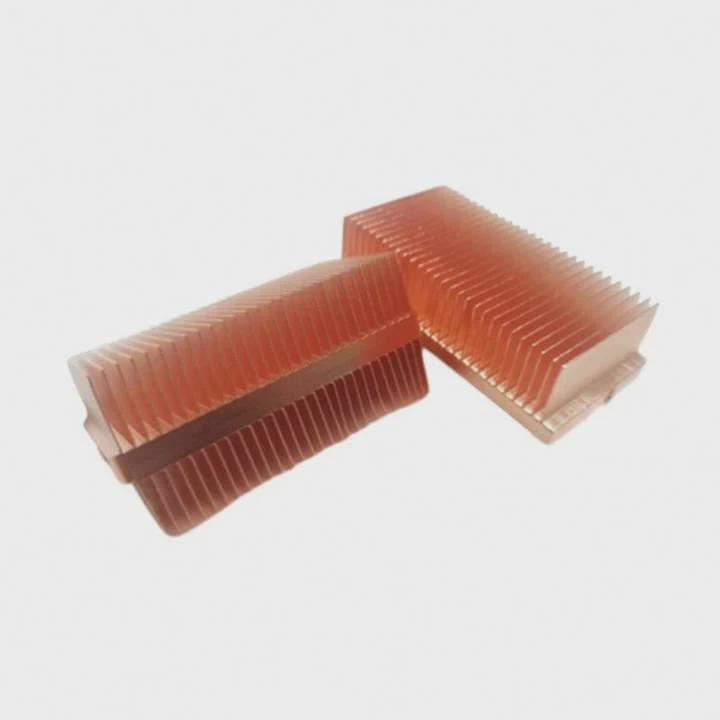
When heavy machines overheat, downtime and failures cost money. Cooling remains a core challenge in harsh work sites. Vapor chambers might offer a robust cooling answer.
Vapor chambers can work in construction machines if designed for rugged use and matched to the heat load and environment.
Many construction machines run under heavy load, high ambient temperature and dust or vibration. Vapor chambers could help extract heat efficiently from critical electronic or hybrid modules — but only if the design accounts for the rigors of field operation.
I invited you to read on. The rest of the article explores whether vapor chambers fit heavy‑duty machines. We look into deployment feasibility, robustness needs, environmental threats, and whether large custom units are needed.
Can Vapor Chambers be deployed in construction machinery cooling?
Machines at construction sites often run hot. Electronics and hydraulics generate heat. Cooling must handle that heat or risk failure.
Yes. Vapor chambers can serve as efficient heat spreaders in construction machinery cooling if properly designed and integrated.
Why vapor chambers look promising
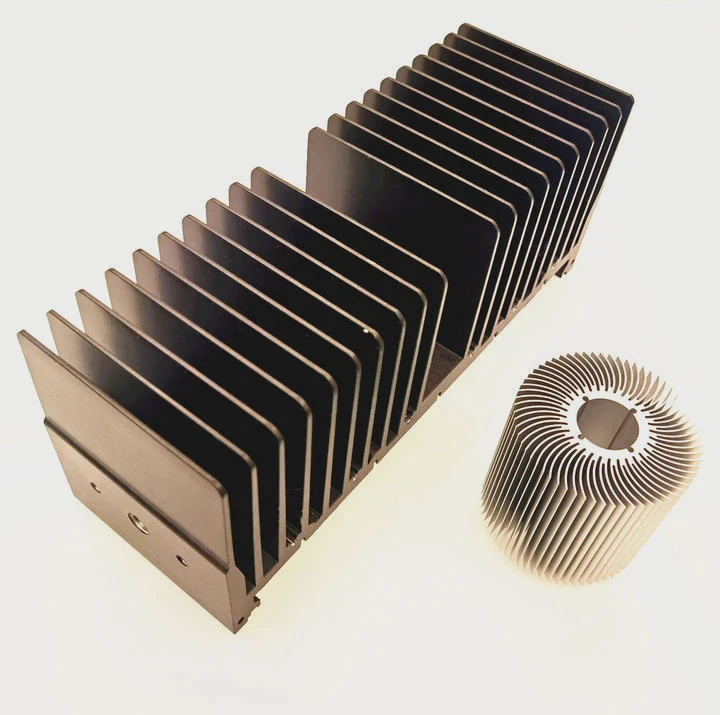
Construction machines often need cooling for control units, power electronics, or hybrid drive inverters. Vapor chambers excel at spreading concentrated heat across a flat surface. They outperform solid metal plates and sometimes match small liquid‑cooling loops — but without pumps or fluid plumbing.
Vapor chambers offer high thermal conductivity. They can spread the heat from a CPU or power module across a wider area. Then a fin stack or air‑cooled radiator can dissipate that heat. This layered approach can reduce hotspot risk under heavy load.
Comparison with other cooling methods
| Cooling Method | Strengths | Weaknesses in machinery use |
|---|---|---|
| Solid metal heat sink | Simple, cheap, robust | Limited in heat spreading, bulky |
| Vapor chamber + fins | High thermal spreading, lighter than heat sink | Needs good contact and stable mounting |
| Liquid cooling loop | Excellent for high heat loads | Complexity, leak risk, pump failure |
In many cases, replacing a thick heat sink with a vapor‑chamber based spreader plus a fin radiator can save weight and volume. That free space can allow better airflow or protect other components. In vehicles or machines running on diesel engines, airflow may come from existing fans or cooling systems. This synergy reduces need for dedicated pump systems.
Key integration factors
- Heat source placement: Vapor chambers work best when heat sources lie flat and are thermally bonded to the chamber. That suits compact control boxes or inverter modules.
- Dissipation surface: The chamber must connect to a larger surface or fin array exposed to airflow or ambient air. Without enough dissipation area, heat will build up.
- Material strength: The chamber and mount must survive shocks, vibration, and mechanical stress common on construction sites.
- Sealing: For reliability, the chamber must remain sealed even under pressure changes, moisture, and dust.
In my experience comparing cooling options, vapor chambers offer a good balance between performance and simplicity. With sound engineering and correct mounting, they stand a strong chance to succeed in construction equipment — especially in control electronics, electric or hybrid modules, or any heat‑dense compact device.
What robustness requirements apply in construction machine environments?
Construction sites are harsh. Machines face wide temperature swings, high humidity, dust, vibration, and mechanical shocks. Cooling solutions must handle all.
Vapor chamber systems must meet high robustness standards: temperature range, sealing, pressure tolerance, mechanical strength, and long‑term reliability.
What harsh conditions look like
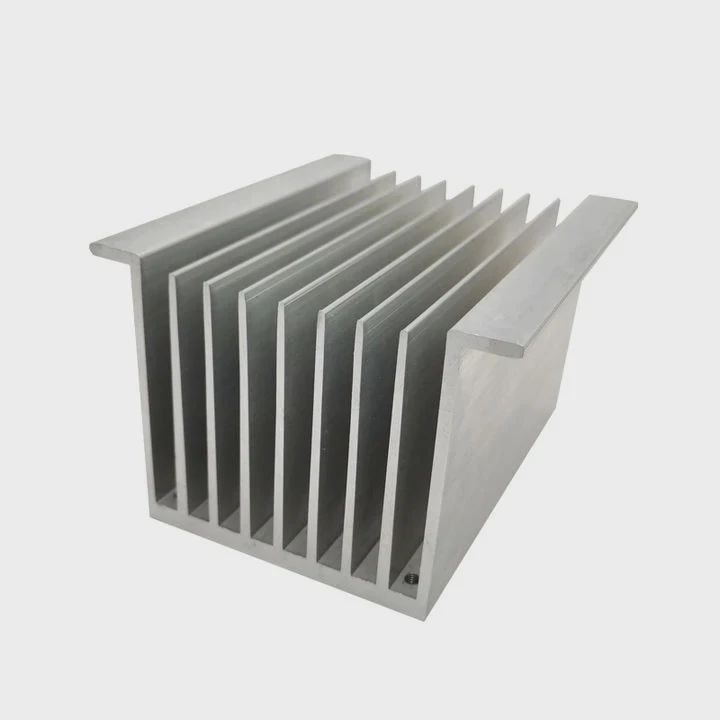
Construction machines might sit idle in cold early morning. Then they run hard under blazing sun. In winter they might face cold starts or rain. Electronics see wide temperature swings. There is dust everywhere. Dirt can enter housings. Machines jostle over rough terrain. Vibrations and shocks happen often. Any cooling part must survive this.
What vapor chambers must defend against
| Requirement | Why it matters | Design considerations |
|---|---|---|
| Wide temperature range | Chambers must perform from maybe -20 °C to 70+ °C | Material expansion, internal pressure stability |
| Sealed, dust‑tight casing | Prevent leakage or dust intrusion | Robust sealing, weld or brazing quality |
| Pressure and vacuum resistance | Chamber must hold vacuum even under shock | Strong welds, leak‑proof manufacturing |
| Mechanical strength | Handle vibration, shock, mechanical stress | Thick walls, support structure, mounting brackets |
| Long‑term reliability | Machines expected to run years without service | Stable wick structure, non‑corrosive material, quality control |
A vapor chamber must include a wick or capillary structure to return condensed fluid to the heat source. In lab use this works fine. On a construction machine, heavy vibration or repeated shock can damage or change the wick structure. If the wick collapses or detaches, the chamber loses function. Therefore manufacturing quality must be high — with strong internal bonding and stable wick.
Material choice is critical. Aluminum or copper chambers must resist corrosion from humidity or condensation. Welding or brazing joints must meet automotive or industrial standards. If the chamber uses a filler fluid, its boiling and condensation behavior must remain consistent across temperature extremes. Otherwise performance may degrade.
Mounting matters. The chamber must sit on a flat surface in the machine, secured to avoid bending or torsion. The attached fins or radiator must also be mounted solidly, possibly integrated into structural frames or covers. Loose mounting could lead to fatigue failure. That means engineers must design for real mechanical loads, not just lab conditions.
Finally, the entire cooling path must be serviceable. Machines may operate for thousands of hours between maintenance. Vapor chamber cooling should require minimal maintenance. Its sealed design helps — unlike liquid loops needing pump or fluid changes. But initial build quality and testing are essential. Preferably, manufacturer tests including thermal cycling, vibration, humidity, and shock according to industrial standards.
Meeting all these requirements demands good design and quality control. In many cases, standard vapor chambers used in laptops or servers will not suffice. Instead, purpose‑built chambers engineered for heavy‑duty machines are necessary. With that in place, vapor chambers can provide long‑term, stable cooling — if all robustness standards are met.
Can vibration and dust impact Vapor Chamber performance in machines?
On a construction site, vibration, shock and dust come all the time. Cooling parts will get shaken, jostled, and clogged. A vapor chamber may face serious stress.
Yes — vibration and dust can degrade vapor chamber performance unless design protects internal wick and sealing from damage or contamination.
Why vibration and dust matter
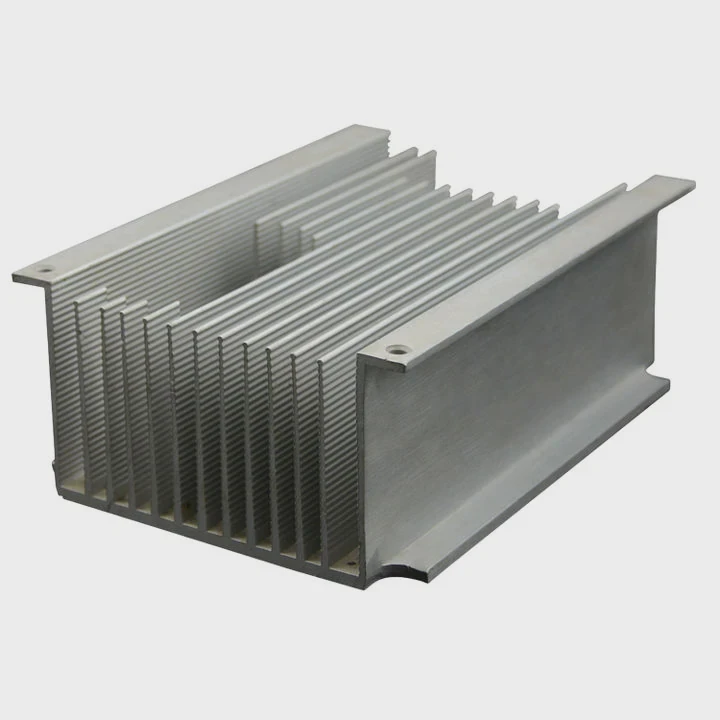
Vibration can disrupt internal fluid flow. The wick inside the chamber moves liquid from condensation area back to heat source. If vibration dislodges the wick, the chamber might dry out locally and lose thermal conductivity. A dry spot can cause hotspot, overheating, and eventual failure.
Dust is another challenge. If fins or radiator surfaces get clogged, airflow reduces. Then even a well‑working chamber cannot dissipate heat well. Dust may also enter housing if sealing is poor. Ingress of dust could block vent holes, or cause abrasion. Fine dust might even pierce weak spots or degrade joints over time.
Design safeguards against vibration and dust
Internal construction
A strong, rigid wick structure helps. Using sintered metal or metal‑mesh wicks rather than thin mesh or felt improves vibration resistance. Sintered metal wicks bond tightly to chamber walls. They resist cracking under stress. Brazed or laser‑welded seams must be robust. Internal vacuum should stay stable even under repeated g‑forces.
External sealing and housing
The chamber must sit inside a sealed enclosure or housing. The enclosure should have dust filters or positive pressure ventilation if ambient air is used. The fins or radiator should lie behind a dust screen. If machine uses compressed air or cooling air from engine fan, air filter elements are standard. Designers can route radiator air through same filter systems.
Mounting must cushion and isolate vibration. Use rubber or elastomer mounts to decouple from chassis. Hard mounts risk fracture at welds or solder joints. Rubber mounting pads or dampers help absorb shocks.
Maintenance schedule
Even robust design does not eliminate dust accumulation. Maintenance plans must include periodic inspection or cleaning of fin radiators or housings. Engineers should design access panels or removable covers. Cleaning operations must be easy — machine operators often do simple pre‑start checks.
Real-world examples and caution
I studied cooling failures in field equipment. In many cases heat spreaders failed because welding joints cracked under vibration. In other cases radiators clogged with dust or mud. A standard server vapor‑chamber unit used in a dusty outdoor environment failed within months. The wick dried out because small leaks allowed air in.
From that, I learned that transferring technology from controlled environments (like data centers) to rough sites requires re‑thinking. Without a dust‑tight housing and vibration‑resistant internals, vapor chambers face reliability risk. On the other hand, when engineers designed a custom chamber with sintered wick, thick walls, strong welds, vibration mounts and an external dust sealed enclosure — performance stayed stable after 12 months of heavy use.
Therefore vibration and dust do impact vapor chamber performance. But careful design and protective measures can make them survive and function well.
Are custom large-format Vapor Chambers needed for heavy equipment?
Construction machines are large. Their electronics or power modules can generate substantial heat. Standard small vapor chambers may not cover all.
Often yes — heavy equipment benefits from custom large-format vapor chambers tailored to heat load, size and mounting constraints.
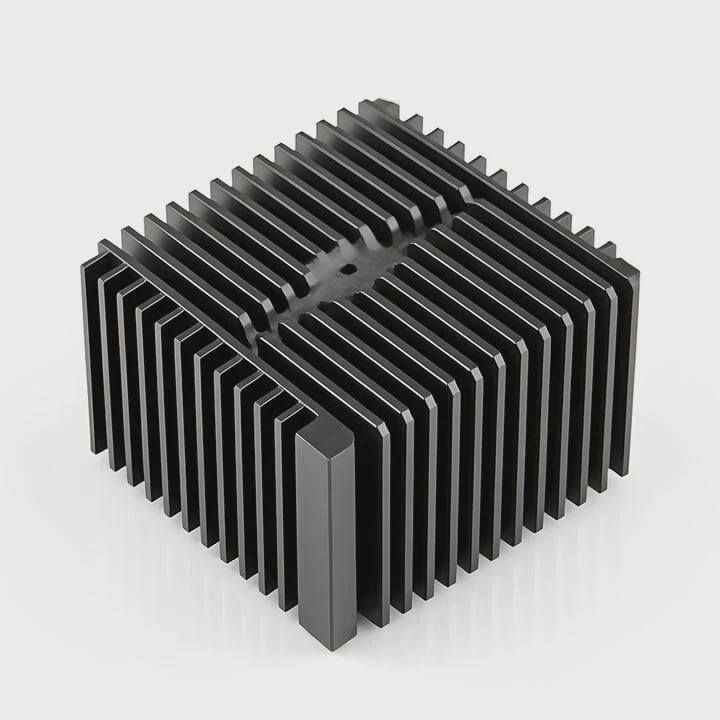
Why standard vapor chambers may not be enough
Many vapour chambers come in small form factors meant for laptops, servers, or consumer electronics. These units are typically a few centimeters across. In heavy equipment, power electronics or hybrid drive modules might be tens of centimeters or larger. Spreading heat from such sources needs larger surface area. Also the heat flux may be high, so a small chamber might saturate and lose performance.
Mounting geometry inside machinery may be irregular. Slots, curved surfaces, constrained spaces can make small generic chambers impractical. Also thermal interfaces may be rougher, or have components under pressure or stress. Standard chambers rarely account for these constraints.
Benefits of custom large-scale chambers
Custom chambers can be sized to match heat source layout. They can be shaped to fit tight compartments or irregular housings. They can carry thicker walls, heavier internal wick, and stronger sealing. They can integrate mounting tabs or flanges matching machine chassis. That reduces external hardware and simplifies installation.
Also larger chamber enables lower thermal resistance across larger area. Heat spreading becomes more effective. The condensation surface can align with the machine’s existing structural plates or fins. That enables passive dissipation using ambient airflow. For machines with ventilation fans or engine‑driven airflow, a larger chamber can tie into existing airflow loops.
Challenges and how to address them
Making a large vapor chamber is not trivial. Larger internal volume means weld quality, vacuum stability, and even wick structure become more critical. The chance of internal voids or weak spots rises. Inspecting a large chamber is harder. Leak detection, pressure testing, and thermal cycling tests must be thorough.
Manufacturers must control the brazing or welding process carefully. They may need multiple weld segments or external reinforcement. Using thick aluminum or copper walls helps but adds weight. Designers must balance thermal performance, weight, and structural integrity.
Another challenge is uniform contact with the heat source. Large chamber must lie flush against multiple heat‑generating components. If contact is uneven, heat spreading will be uneven, causing hotspots. Engineers can use thermal interface material (TIM) pads or thermal grease. But outcome depends on assembly precision. In a machine shop context, workers must ensure flatness and torque correctly.
Large chambers also make maintenance harder. If sealed too tightly, replacing or repairing is difficult. A failure in a large chamber could mean major downtime. To mitigate, designers may split cooling surface: use modular sub‑chambers linked thermally or physically. This gives redundancy: a single leak or failure does not kill the whole cooling system.
Design guidelines for custom large vapor chambers
- Map heat sources carefully — layout and heat flux.
- Choose wick structure robust for vibration (e.g. sintered metal).
- Specify wall thickness based on mechanical stress and pressure tolerance.
- Include mounting flanges or brackets compatible with machine chassis.
- Provide dust‑sealed housing or enclosure.
- Plan for maintenance — allow access to radiator surfaces.
- Test under realistic conditions: thermal cycles, vibration, dust exposure.
With careful design and quality manufacturing, custom large-format vapor chambers become a powerful cooling solution for heavy equipment. They combine high thermal performance and passive cooling — often superior to bulky heat sinks and simpler than liquid loops.
Conclusion
Vapor chambers can work in construction machines — if engineered for heat load, environment, and durability. Custom large units, dust‑sealed housings, and vibration‑resistant design make them practical cooling tools for heavy equipment. While challenges exist, proper design makes vapor‑chamber cooling a viable choice.
TAGS
Latest Articles

Volume discount levels for heat sink orders?
Buyers often ask when heat sink prices start to drop with volume. Many worry they’re overpaying for small orders. This guide explains how B2B volume pricing works for thermal components. Heat sink
21 Dec,2025
Heat sink long-term supply contract options?
Many buyers want stable pricing and reliable delivery for heat sinks. But without a clear contract, risks grow over time. This article explores how to secure better long-term supply deals. Long-term
21 Dec,2025
Tooling cost for new heat sink profiles?
Many engineers struggle to understand why tooling for custom heat sinks costs so much. They worry about budgeting and production timelines. This article breaks down the cost drivers behind tooling.
21 Dec,2025
Heat sink custom sample process steps?
Sometimes, starting a custom heat sink project feels overwhelming—too many steps, too many unknowns, and too many risks. You want a sample, but not endless delays. The process for requesting and
20 Dec,2025
Standard B2B terms for heat sink payments?
When buyers and sellers in B2B heat sink markets talk about payment, many don’t fully understand what’s standard. This can lead to delayed orders, miscommunication, and even lost business
20 Dec,2025
Heat sink pricing factors for large orders?
Heat sinks are vital for many systems. When prices rise, projects stall and budgets break. This problem can hit teams hard without warning. Large order heat sink pricing depends on many factors. You
20 Dec,2025Related Articles
- Best Vapor Chamber solution for medical devices?
- Vapor Chamber application in LED lighting?
- Lead time for custom Vapor Chamber parts?
- Does Vapor Chamber suit gaming laptops cooling?
- Vapor Chamber usage in automotive industry?
- Vapor Chamber sample production process?
- Vapor Chamber Performance in Aerospace Systems?
- Vapor Chamber use in 5G communication equipment?
- Vapor Chamber for data center cooling needs?
- Vapor Chamber heat resistance test report?
- Minimum order quantity for Vapor Chamber?
- How to verify Vapor Chamber quality certifications?
Author
Dr. Emily Chen
Chief AI Researcher
Leading expert in thermal dynamics and AI optimization with over 15 years of experience in data center efficiency research.
Categories
Latest Products






Recommend Categories
- Liquid cooling plate Manufacturer
- Industrial Heat Sink Manufacturer
- Standard Heat Sink Manufacturer
- Aluminum Heat Sink Manufacturer
- Copper Heat Sink Manufacturer
- Anodized Heatsink Manufacturer
- Stamping heat sink Manufacturer
- Die Casting Heatsink Manufacturer
- Soldering heat sink Manufacturer
- CNC Parts Manufacturer
Latest Products
- Wholesale Aluminum Radiator
- Water Cooling Plate Kit
- Water Cooling Heat Sink
- Water Cooling Heat Sink Kit
- Stainless Steel Water Distributor
- Server Water Cooling Plate Kit
- Server Liquid Cooling System
- Server Aluminum Cooling Kit
- S19 Full Cover Cooling Plate
- S19 Cooling Plate Kit
- S19 Aluminum Cooling Plate
Contact Expert
Have questions about this article? Reach out to our experts directly.