Vapor Chamber for data center cooling needs?
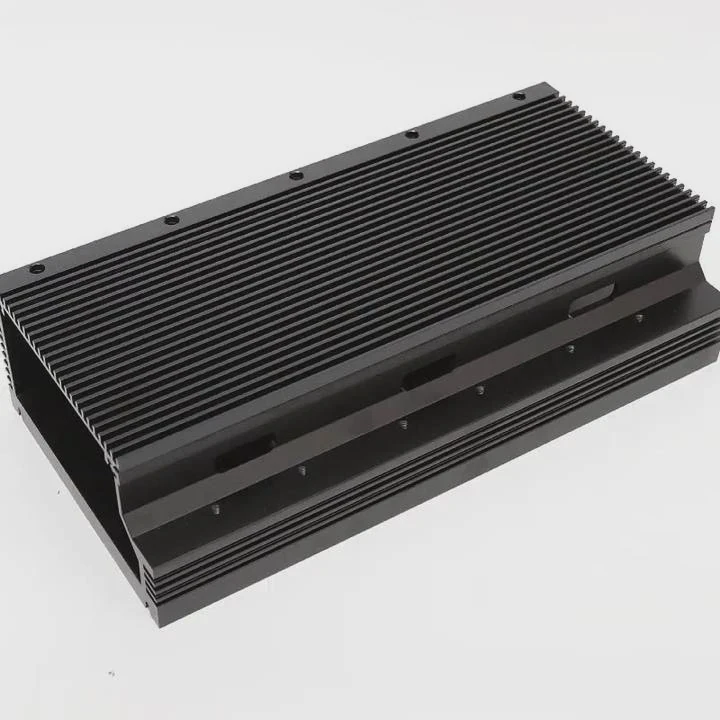
Data centers run hot. With every server stacked tight and CPUs running at full load, cooling systems work overtime. Traditional cooling starts to fail. Vapor chambers offer a smarter way to manage heat.
Vapor chambers help spread heat quickly and evenly from high-power chips, reducing hotspots and allowing thinner, more efficient server cooling designs.
This article explains how vapor chambers improve thermal control in data centers, reduce fan energy, meet high heat density demands, and enable modular cooling in server racks.
How are Vapor Chambers used in data center cooling applications?
Hot CPUs and GPUs sit close together on dense server boards. Fans alone struggle to cool them. Overheating slows performance or causes shutdowns. A better heat spreader is needed.
Vapor chambers sit between hot chips and larger cooling elements. They move heat quickly from small hotspots to larger heatsinks or cold plates, improving thermal performance and saving space.
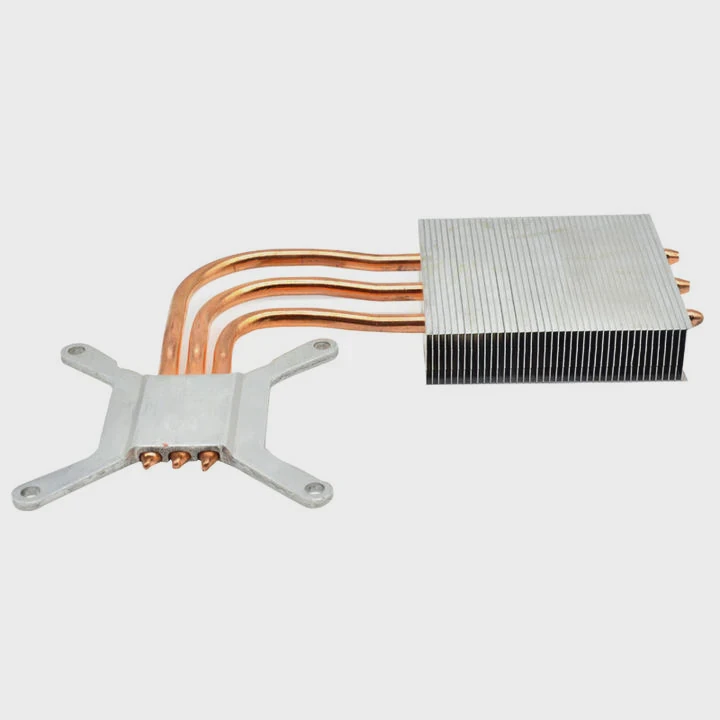
Inside a vapor chamber is a sealed metal shell filled with a small amount of liquid and a wick. Heat from a chip causes the liquid to evaporate and move to cooler areas. There it condenses and returns through the wick. This fast vapor-liquid cycle spreads heat across the chamber’s surface.
This design offers several benefits:
- High thermal conductivity (equivalent over 5000 W/m·K)
- Flat profile: useful for blade servers
- Rapid heat spreading: reduces local hotspots
- Interfaces well with heatsinks or cold plates
In a data center, vapor chambers are installed under CPUs, GPUs, or power modules. They transfer heat to a larger surface — often a cold plate — connected to a rack cooling system. This prevents throttling and extends component life.
Many servers now include vapor chambers as standard for high-performance CPUs or AI accelerators. They replace bulky copper blocks and help reduce the height and weight of the entire thermal stack.
Can Vapor Chambers help reduce fan power in large server rooms?
Fans are loud, power-hungry, and create extra heat. But server rooms need them to cool hardware. What if we didn’t need as much fan power?
By improving heat transfer within each server, vapor chambers reduce the need for high fan speeds. This cuts fan power use, lowers noise, and increases cooling efficiency.
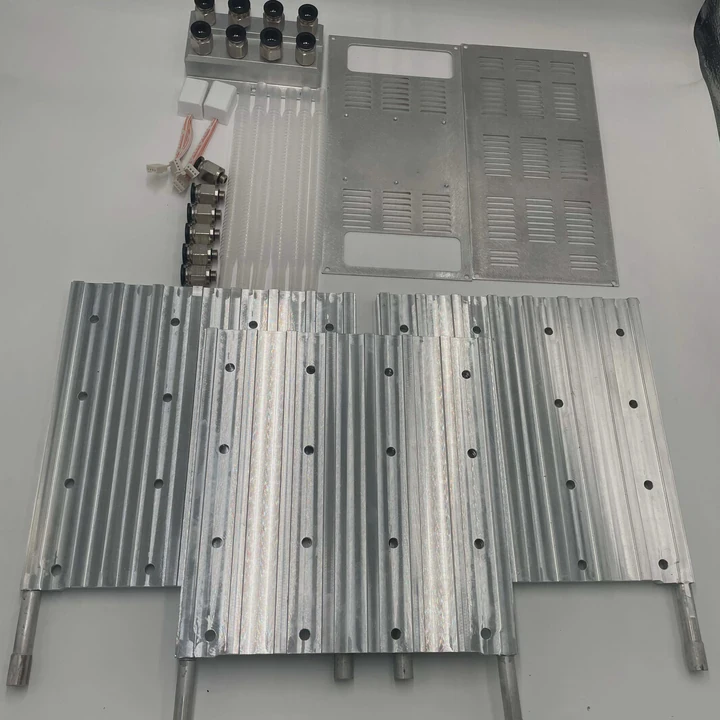
When heat spreads more evenly across a heatsink, airflow becomes more effective. That means less airflow is needed per watt of heat. Lower fan speeds still achieve target temperatures, reducing energy consumption.
Let’s compare:
| System Design | Peak Fan Power Use | Heat Spread Quality | Noise Level | Cooling Efficiency |
|---|---|---|---|---|
| Without Vapor Chamber | High | Uneven | Loud | Lower |
| With Vapor Chamber | 20–40% lower | Even | Quieter | Higher |
Using vapor chambers helps reduce the total air pressure needed in server racks. This benefits both central cooling systems and local fans in each blade or PSU. Less air resistance also means less dust buildup, which helps extend maintenance cycles.
Lower fan power also means:
- Smaller UPS loads during outages
- Reduced cooling costs over time
- Better airflow stability (fewer hot spots)
However, the vapor chamber must be designed to handle the chip’s heat load. Poor design or material choice can limit its effect. With proper engineering, vapor chambers can shift cooling strategy from brute-force airflow to smarter thermal paths.
What heat-density and area do data-centres impose on Vapor Chambers?
Server CPUs today can run over 400 watts. AI accelerators exceed 600 watts. This heat comes from small areas, making cooling extremely difficult.
Vapor chambers must absorb high local heat fluxes (up to 150 W/cm²) and spread this heat over larger surfaces (up to 400 cm²) to work effectively in modern data centers.
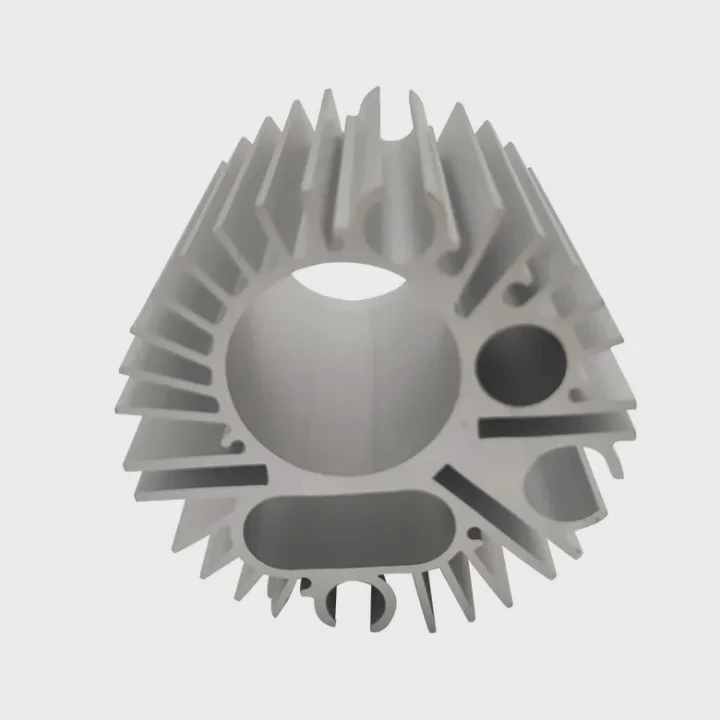
Here’s a breakdown of typical heat loads and surface demands:
| Component Type | Local Heat Flux | Spreader Area Needed | Comments |
|---|---|---|---|
| CPU (single socket) | 80–120 W/cm² | 50–100 cm² | Often directly under IHS or lid |
| Dual-socket CPU board | 40–80 W/cm² each | 150–200 cm² | Shared chamber or two separate ones |
| GPU accelerator (AI) | 100–150 W/cm² | 200–300 cm² | High power, needs hybrid cooling |
| Power supply modules | 30–60 W/cm² | 100–150 cm² | Moderate loads, but space-constrained |
Vapor chambers for data centers often use copper for better heat conductivity. Some use aluminum-copper hybrids to save weight. Thickness ranges from 2 mm to 5 mm, depending on mounting limits.
Considerations for effective use:
- Wick structure: Sintered powder wicks handle higher flux than grooves.
- Orientation: Works best in horizontal or upward heat flow.
- Surface contact: TIM or solder improves thermal coupling.
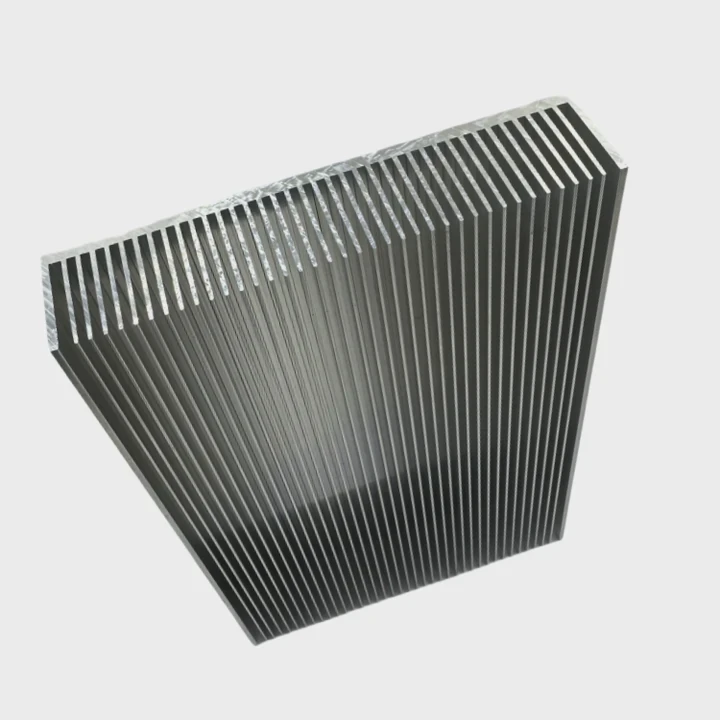
For a full server blade generating 800–1000 W, several vapor chambers may be used — one per major component. These chambers transfer heat to a unified cold plate or heatsink. The more effective the spread, the less load on downstream cooling.
Data centers planning for future workloads must ensure their vapor chamber solutions can scale. Designs must handle growing power densities and fit into thinner, denser server layouts.
Are there modular solutions using Vapor Chambers for server racks?
Data centers love modularity. Plug-and-play hardware, scalable infrastructure, easy maintenance — everything helps. Vapor chambers can support this modular cooling approach.
Yes. Vapor chambers can be built into modular server blades or cooling plates. These plug into a shared rack manifold, creating flexible, scalable, and easy-to-maintain thermal systems.
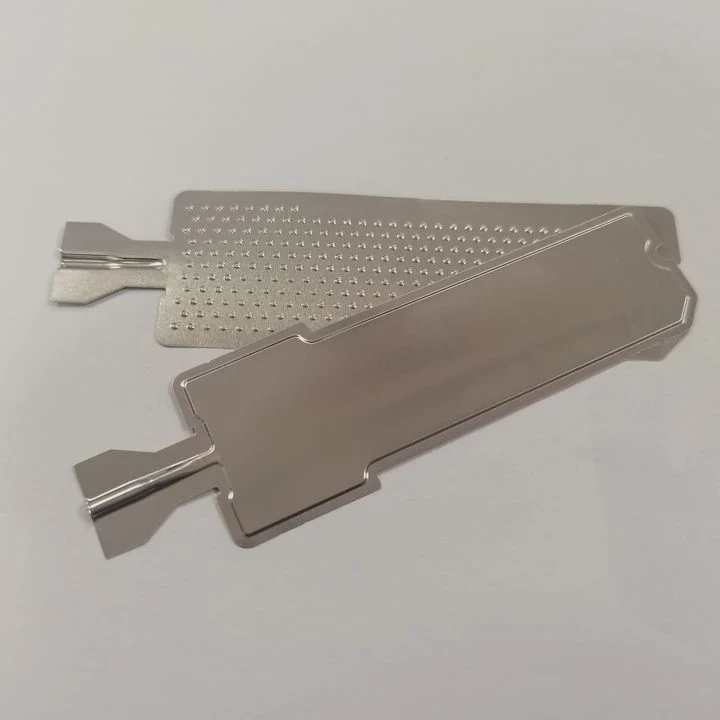
Here’s how it works:
- Each blade contains vapor chambers under CPUs or GPUs.
- Heat is transferred to a flat cold plate above the chamber.
- The cold plate interfaces with a shared coolant loop or heatsink array.
- No moving parts within the blade — cooling remains passive.
Advantages of this design:
- Swap-friendly: Blades can be removed without breaking coolant loops.
- Scalable: Add more blades as needed; cooling performance scales too.
- Uniform thermal path: Vapor chambers reduce thermal imbalance.
A sample modular setup:
| Module Part | Function | Interface Type |
|---|---|---|
| Vapor Chamber Layer | Heat pickup + spreading | TIM or solder to cold plate |
| Blade Cold Plate | Transfers heat to coolant | Direct contact with rack loop |
| Rack Manifold | Distributes coolant flow | Connected to facility chiller |
Such modular racks can integrate with rear-door heat exchangers or overhead coolant delivery. Vapor chambers help by flattening heat before it hits the cold plate, ensuring efficient heat removal.
These systems are also future-ready. If a new chip layout emerges, only the vapor chamber and internal layout need to change. The rack-level cold loop remains untouched. This cuts upgrade costs.
Challenges include:
- Ensuring leak-proof sealing in vapor chambers
- Matching vapor chamber geometry to component layout
- Managing manufacturing cost vs. performance balance
Still, vapor chamber-based modular cooling is one of the most flexible and forward-looking solutions for high-density data centers.
Conclusion
Vapor chambers offer strong thermal spreading, low profile, and design flexibility. They reduce fan power, manage extreme heat densities, and enable modular server cooling systems. Their role in next-generation data center cooling is only set to grow.
TAGS
Latest Articles

Volume discount levels for heat sink orders?
Buyers often ask when heat sink prices start to drop with volume. Many worry they’re overpaying for small orders. This guide explains how B2B volume pricing works for thermal components. Heat sink
21 Dec,2025
Heat sink long-term supply contract options?
Many buyers want stable pricing and reliable delivery for heat sinks. But without a clear contract, risks grow over time. This article explores how to secure better long-term supply deals. Long-term
21 Dec,2025
Tooling cost for new heat sink profiles?
Many engineers struggle to understand why tooling for custom heat sinks costs so much. They worry about budgeting and production timelines. This article breaks down the cost drivers behind tooling.
21 Dec,2025
Heat sink custom sample process steps?
Sometimes, starting a custom heat sink project feels overwhelming—too many steps, too many unknowns, and too many risks. You want a sample, but not endless delays. The process for requesting and
20 Dec,2025
Standard B2B terms for heat sink payments?
When buyers and sellers in B2B heat sink markets talk about payment, many don’t fully understand what’s standard. This can lead to delayed orders, miscommunication, and even lost business
20 Dec,2025
Heat sink pricing factors for large orders?
Heat sinks are vital for many systems. When prices rise, projects stall and budgets break. This problem can hit teams hard without warning. Large order heat sink pricing depends on many factors. You
20 Dec,2025Related Articles
- Vapor Chamber use in 5G communication equipment?
- Vapor Chamber Performance in Aerospace Systems?
- Can Vapor Chamber be used in construction machines?
- Best Vapor Chamber solution for medical devices?
- Vapor Chamber application in LED lighting?
- Lead time for custom Vapor Chamber parts?
- Vapor Chamber heat resistance test report?
- Minimum order quantity for Vapor Chamber?
- How to verify Vapor Chamber quality certifications?
- Heat sink maximum operating temperature rating?
- What alloy is best for heat sink extrusion?
- Required tolerance for machined heat sink?
Author
Dr. Emily Chen
Chief AI Researcher
Leading expert in thermal dynamics and AI optimization with over 15 years of experience in data center efficiency research.
Categories
Latest Products






Recommend Categories
- Liquid cooling plate Manufacturer
- Industrial Heat Sink Manufacturer
- Standard Heat Sink Manufacturer
- Aluminum Heat Sink Manufacturer
- Copper Heat Sink Manufacturer
- Anodized Heatsink Manufacturer
- Stamping heat sink Manufacturer
- Die Casting Heatsink Manufacturer
- Soldering heat sink Manufacturer
- CNC Parts Manufacturer
Latest Products
- Wholesale Aluminum Radiator
- Water Cooling Plate Kit
- Water Cooling Heat Sink
- Water Cooling Heat Sink Kit
- Stainless Steel Water Distributor
- Server Water Cooling Plate Kit
- Server Liquid Cooling System
- Server Aluminum Cooling Kit
- S19 Full Cover Cooling Plate
- S19 Cooling Plate Kit
- S19 Aluminum Cooling Plate
Contact Expert
Have questions about this article? Reach out to our experts directly.