Lead time for custom Vapor Chamber parts?
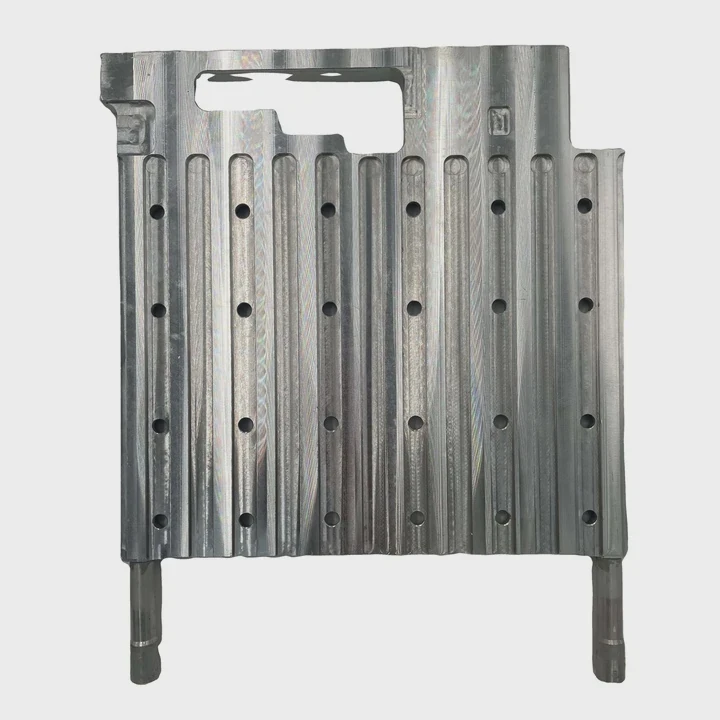
Long wait times frustrate many engineers when ordering custom vapor chambers.
Often quoted dates slide and production delays bite projects.
Understanding typical lead times helps avoid pain before it happens.
Typical lead time for custom vapor chamber parts ranges from 6 to 12 weeks for most orders, but may stretch to 16–20 weeks if designs are complex or require special tooling.
That baseline helps you plan.
Below I explain what drives those numbers. Keep reading for a full picture.
What is the typical lead time for custom Vapor Chamber parts?
Short waits feel like luck.
Long waits look like delay.
For simple vapor‑chamber designs, expect 6–8 weeks from order approval to delivery. For standard custom designs, 8–12 weeks is common. For complex or high‑volume orders, lead time can reach 16–20 weeks.
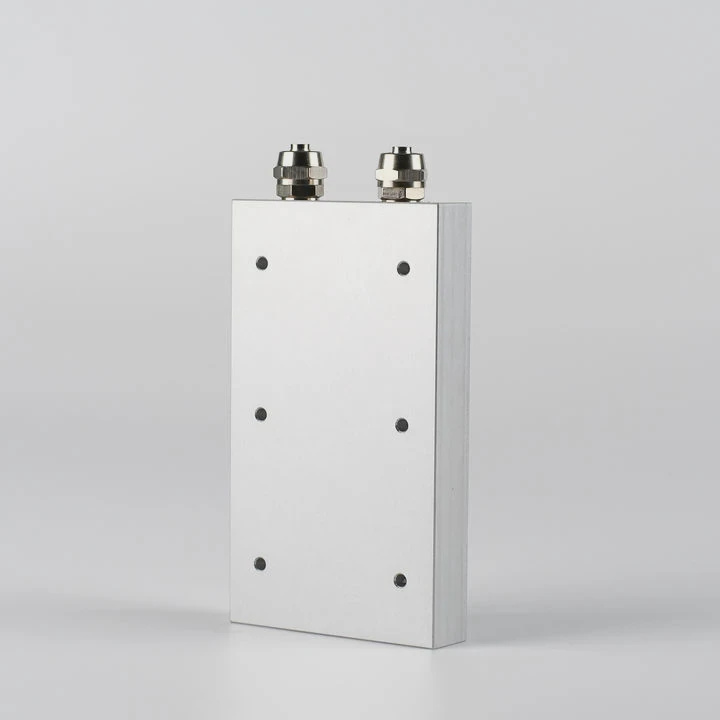
When I look at dozens of orders over years, these ranges hold up. Simple parts mean minimal machining and existing fixtures. They go through procurement, basic milling, brazing or welding, pressure testing, leak testing, drying, inspection, and shipping. Each step takes time — the sum usually lands in those 6–8 weeks.
Standard custom parts require more steps. First, engineering reviews your drawing. Then sourcing of raw material maybe from upstream vendors. Next, pre‑production checks and small batch runs. Then you get a first sample for approval. After approval, the full run begins. That path often takes 8–12 weeks.
If the design has unusual geometry, tight tolerances, or high volume, lead time extends. Some materials have long procurement lead‑times. Some require special welding or brazing. Some need extra testing like thermal cycling or vacuum pressure hold tests. All add days or weeks.
Below is a rough time breakdown:
| Stage | Typical time (simple parts) | Typical time (standard custom) | Typical time (complex / high‑volume) |
|---|---|---|---|
| Material procurement | 1–3 days | 3–7 days | 1–2 weeks |
| Machining / forming | 2–5 days | 1–2 weeks | 2–4 weeks |
| Welding / brazing | 1–2 days | 2–4 days | 4–7 days |
| Leak & pressure testing | 1–2 days | 2–3 days | 3–5 days |
| Drying / vacuum bake | 1 day | 1–2 days | 2–4 days |
| Inspection & QC | 1 day | 1–3 days | 2–4 days |
| Shipping prep / logistics | 1–2 days | 2–3 days | 3–5 days |
In real life, coordinate between procurement, production and testing causes small delays. That is why even simple parts sometimes stretch toward 8 weeks.
If you need to plan a project timeline, treat 8–12 weeks as base case and build extra slack for unknowns.
How does complexity impact lead time for custom Vapor Chambers?
Complex design often hides trouble.
Each extra detail can add days or weeks.
More complex chamber geometry, tighter tolerances, exotic materials, or integrated features almost always lengthen lead time due to extra steps in design review, machining, welding, and testing.
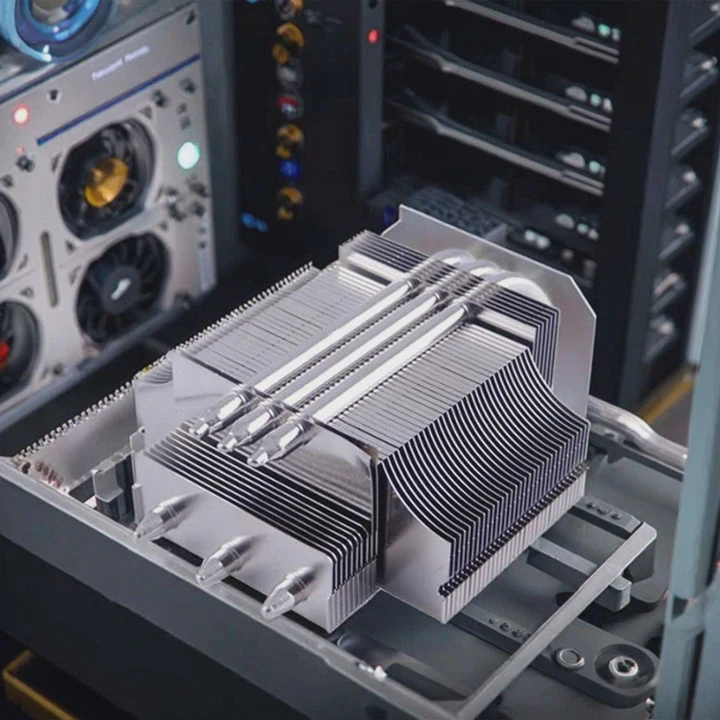
More geometry means more work
If a vapor chamber has simple flat plates and straight channels, it cuts cleanly from standard aluminum sheet or extrusion. Machining is straightforward. Welding or brazing lines are easy. Inspection is easy.
If instead the design includes curved channels, branching pathways, internal structures, embedded fins, or non‑standard shapes, then the work changes. Machining might require multiple setups. Welding becomes more tricky. Internal features may need special fixtures. The likelihood of leaks grows.
That adds time. For example, machining could take twice as long, welders may need multiple passes, and testers must inspect more thoroughly. Each extra inspection or test adds at least a day or two.
Tight tolerances slow everything
When design calls for ±0.05 mm flatness or uniform thickness — far tighter than usual ±0.2 mm — then machinists must slow down. They may run extra passes. Inspect with more advanced tools (CMM, laser scan). Reject more parts. Redo some.
Testing becomes stricter too. Pressure tests may include multiple cycles. Leak tests may take longer. Vacuum bake cycles may stretch days. Quality‑control samples may be pulled from multiple batches.
That extends lead time significantly — often by 2–3 weeks beyond baseline.
Exotic materials or combinations require care
If the chamber uses special alloys, copper inserts, composite materials, or coatings, procurement itself may take extra days or weeks. Suppliers often need lead‑times.
Also the welding/brazing process must adapt. Maybe different filler metals. Maybe pre‑heating. Maybe post‑weld heat treatment. That may require longer cycles, more setup, more QA.
Why integration features add time
Some vapor chambers embed heat spreaders, sensors, or additional metal blocks. Others integrate mounting structures or stiffeners. These integrations mean additional welding or bonding steps. They increase inspection points. Sometimes they require multiple sub‑assemblies before final assembly.
Each sub‑assembly needs its own QC. Each shipping piece must be handled separately. Coordination between teams becomes complex. That adds management overhead and waiting time.
All of that complexity means your project needs extra days or weeks. If you expect a simple 8‑week schedule, a complex build might push 14–18 weeks.
Does tooling or mold affect delivery time for custom chambers?
Missing tools can stall production.
Special molds often mean weeks of delay.
If custom vapor chambers require new tooling, custom molds, or unique fixtures, lead time increases by the time needed to design, build, test and validate those tools — often 2–6 additional weeks before first parts can ship.
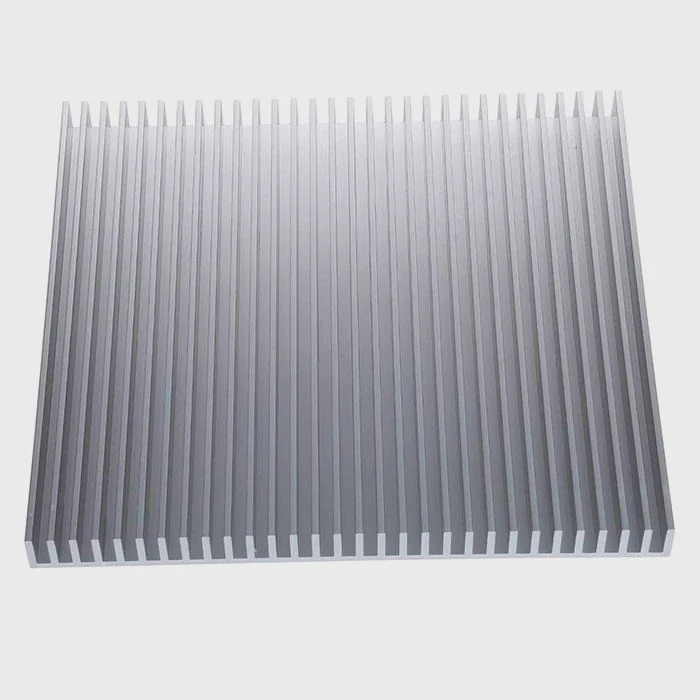
Many vapor chamber orders reuse existing tooling. In that case, companies skip mold design. They might use existing CNC programs, welding jigs, welding fixtures. That saves a lot of time.
If parts are similar to prior orders — same dimensions, same shapes, same weld points — then lead time stays close to baseline.
But when designs change enough — new shape, new part size, new hole patterns, different mounting points, new weld areas — then new tooling is often required. That tooling may be custom milling jigs, welding fixtures, alignment frames, or brazing carriers.
Creating new tooling involves several steps:
- Engineering drawings for fixtures.
- Machining or welding the fixture frames.
- Trial assembly and fitting.
- Adjustments if misalignment appears.
- Final inspection and approval.
That process can take 1–3 weeks for simpler fixtures. For complex designs or large parts, tooling can take 4–6 weeks.
Tooling schedule example
| Step | Time needed |
|---|---|
| Fixture design | 2–4 days |
| Machining / fabrication | 3–7 days |
| Initial test fit | 1–2 days |
| Adjustments & rework | 2–5 days |
| Final validation | 1 day |
If fixture design or mold creation is required, production cannot begin until tools are ready. That means first lead‑time countdown begins only after tooling completes.
Even after tooling, first sample runs often require extra testing. Mistakes discovered during test runs may force fixture rework and further delay.
Therefore, you need to account for this upfront when scheduling. If your design demands new tools, add at least 3–6 weeks before first pieces ship.
Can expedited production reduce lead time and at what cost?
Deadlines loom. Rush orders tempt people.
Expedited production can cut lead time by 20–40%, but you pay higher price — often 30–50% more — and get less flexibility on changes.

If you tell a manufacturer you need parts fast, they can try several tactics:
- Move your job ahead of others on the schedule — “priority slot.”
- Keep extra crews on standby for welding, testing, assembly.
- Use faster shipping methods.
- Skip some non‑critical QA steps or shorten drying/test times (if acceptable).
These steps reduce calendar time. For example, a 12‑week schedule might shrink to 7–9 weeks. That helps if you face tight deadlines.
What you get when you rush
| Strategy | Time saved | Trade‑offs / hidden costs |
|---|---|---|
| Priority scheduling | 1–3 weeks | Higher labor cost; may disrupt other jobs |
| Extra crews / overtime | 2–4 weeks | Overtime pay; risk of fatigue‑related errors |
| Faster shipping | a few days | Shipping fee rises sharply |
| Shorter testing cycles | 1–2 weeks | Higher risk of missed defects or early failures |
Expedited orders need careful coordination. You must confirm raw materials are in stock. You must be ready with final correct drawings. You must avoid design changes after rush starts.
Usually vendors charge a premium — often 30–50% above standard price. That reflects extra labor, priority access to machines, and higher shipping cost.
Also you lose some flexibility. Once production starts under rush, changes may not be possible without delay or reset.
If you accept those trade‑offs, expedited production helps. But you must weigh cost, risk, and schedule benefit.
Conclusion
Lead time for custom vapor chambers depends on design complexity, tooling needs, and schedule pressure. Simple parts go in 6–8 weeks. Complex designs with new tooling or rush requests take much longer. Planning realistically saves delays and surprises.
TAGS
Latest Articles

Volume discount levels for heat sink orders?
Buyers often ask when heat sink prices start to drop with volume. Many worry they’re overpaying for small orders. This guide explains how B2B volume pricing works for thermal components. Heat sink
21 Dec,2025
Heat sink long-term supply contract options?
Many buyers want stable pricing and reliable delivery for heat sinks. But without a clear contract, risks grow over time. This article explores how to secure better long-term supply deals. Long-term
21 Dec,2025
Tooling cost for new heat sink profiles?
Many engineers struggle to understand why tooling for custom heat sinks costs so much. They worry about budgeting and production timelines. This article breaks down the cost drivers behind tooling.
21 Dec,2025
Heat sink custom sample process steps?
Sometimes, starting a custom heat sink project feels overwhelming—too many steps, too many unknowns, and too many risks. You want a sample, but not endless delays. The process for requesting and
20 Dec,2025
Standard B2B terms for heat sink payments?
When buyers and sellers in B2B heat sink markets talk about payment, many don’t fully understand what’s standard. This can lead to delayed orders, miscommunication, and even lost business
20 Dec,2025
Heat sink pricing factors for large orders?
Heat sinks are vital for many systems. When prices rise, projects stall and budgets break. This problem can hit teams hard without warning. Large order heat sink pricing depends on many factors. You
20 Dec,2025Related Articles
- Does Vapor Chamber suit gaming laptops cooling?
- Vapor Chamber usage in automotive industry?
- Vapor Chamber sample production process?
- Vapor Chamber design guidelines for heat transfer?
- Vapor Chamber pressure resistance rating?
- Vapor Chamber working temperature range?
- Vapor Chamber application in LED lighting?
- Best Vapor Chamber solution for medical devices?
- Can Vapor Chamber be used in construction machines?
- Vapor Chamber Performance in Aerospace Systems?
- Vapor Chamber use in 5G communication equipment?
- Vapor Chamber for data center cooling needs?
Author
Dr. Emily Chen
Chief AI Researcher
Leading expert in thermal dynamics and AI optimization with over 15 years of experience in data center efficiency research.
Categories
Latest Products






Recommend Categories
- Liquid cooling plate Manufacturer
- Industrial Heat Sink Manufacturer
- Standard Heat Sink Manufacturer
- Aluminum Heat Sink Manufacturer
- Copper Heat Sink Manufacturer
- Anodized Heatsink Manufacturer
- Stamping heat sink Manufacturer
- Die Casting Heatsink Manufacturer
- Soldering heat sink Manufacturer
- CNC Parts Manufacturer
Latest Products
- Wholesale Aluminum Radiator
- Water Cooling Plate Kit
- Water Cooling Heat Sink
- Water Cooling Heat Sink Kit
- Stainless Steel Water Distributor
- Server Water Cooling Plate Kit
- Server Liquid Cooling System
- Server Aluminum Cooling Kit
- S19 Full Cover Cooling Plate
- S19 Cooling Plate Kit
- S19 Aluminum Cooling Plate
Contact Expert
Have questions about this article? Reach out to our experts directly.