Heat sink selection for aerospace electronics?
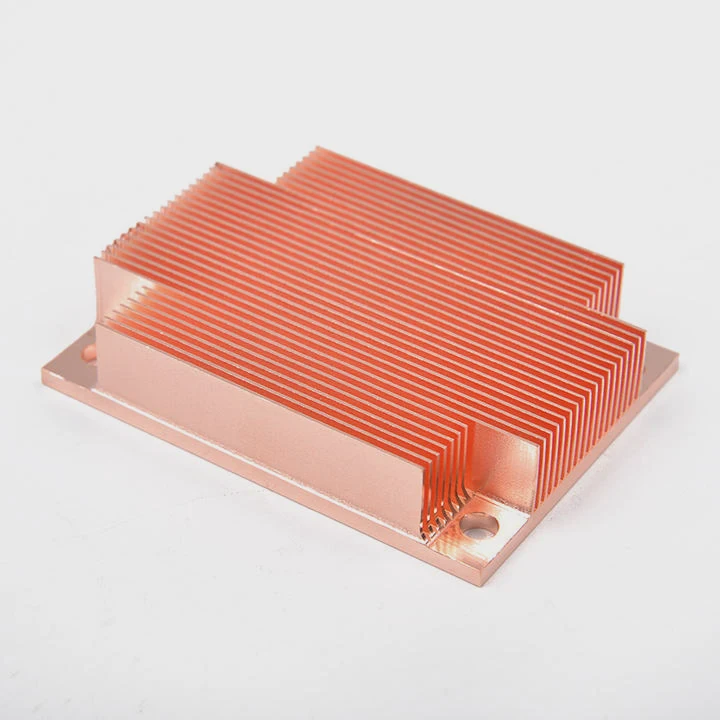
Thermal failure can destroy aerospace electronics at altitude. If thermal design falls short, parts may overheat or shut down. Choosing the right heat sink avoids this risk.
Aerospace heat sinks must handle altitude, vibration, shock, and limited airflow. Picking the right type ensures electronics stay reliable in tough flight environments.
But it’s not easy. The following guide breaks down four key factors that influence heat sink performance in aerospace. Let’s dive in.
How do altitude conditions impact thermal design?
Altitude makes heat sinks work harder.
Higher altitude means thinner air and lower pressure, which reduces convective cooling. Designers must compensate with conduction, radiation, or active cooling methods.
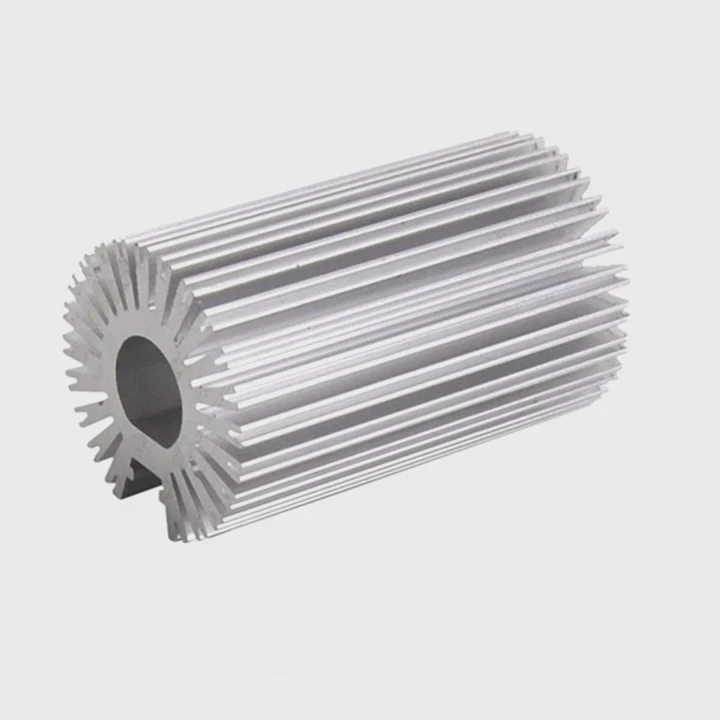
As altitude rises, air density drops. This directly cuts the heat removal ability of airflow-based cooling. At typical cruising altitudes (10,000 meters), air density is only about 25% of what it is at sea level. That loss limits how much heat a sink can move away using just airflow.
Why altitude matters in thermal design
- Air carries away less heat per unit volume.
- Fans lose effectiveness because they push less mass.
- Convection becomes weak, so conduction or radiation must take over.
Designers should calculate performance at flight pressure, not sea level. Many sinks that pass ground testing fail at 30,000 feet due to this oversight.
Key design shifts at altitude
| Design Factor | Adjustment Needed | Reason |
|---|---|---|
| Air-based cooling | Reduce reliance or increase surface area | Less dense air carries less heat |
| Fans/blowers | Derate airflow at high altitude | Lower air density reduces thrust |
| Conduction paths | Strengthen and optimize contact | More heat moves through solid materials |
| Radiative surfaces | Increase emissivity and exposure | Radiation fills cooling gap at high altitude |
High-altitude environments require more than just bigger fins. Materials, surface finishes, and system integration all play a part. Some systems use vapor chambers or embed heat pipes to move heat across low-air zones. Others rely on chassis mounting or thermal straps to pull heat out of sensitive components.
Which aerospace standards guide heat sink use?
You can’t fly without meeting standards.
Key aerospace standards like MIL-STD-810 and DO-160 define how to design and test heat sinks for thermal, shock, and vibration challenges.
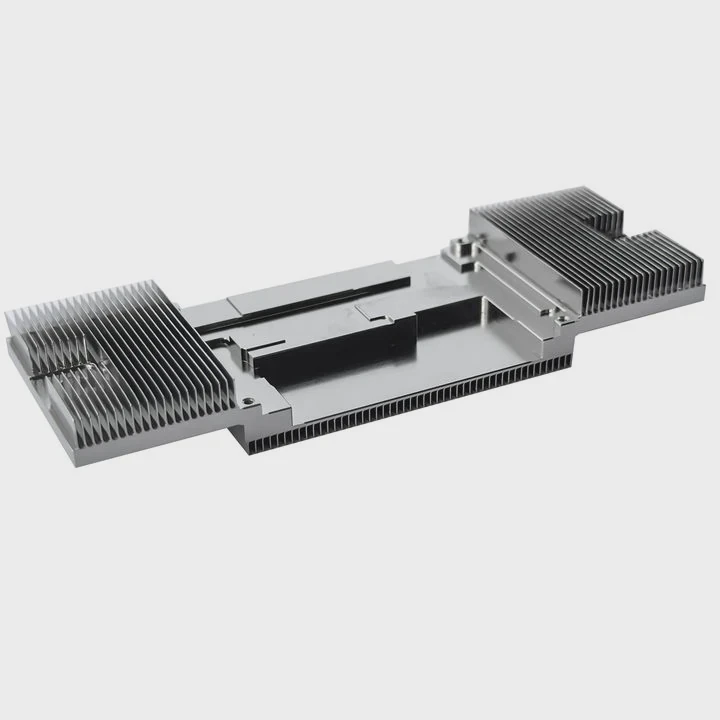
These standards ensure thermal components perform safely during launch, flight, and landing. They cover temperature extremes, altitude, shock, vibration, humidity, and more.
Core standards for aerospace thermal design
| Standard | Focus | Use Case |
|---|---|---|
| MIL-STD-810 | Environmental testing methods | U.S. military equipment, aerospace |
| RTCA DO-160 | Environmental conditions for airborne gear | Commercial aviation systems |
| AS9100 / EN 9100 | Quality assurance for aerospace suppliers | Design, manufacturing, and testing |
| NASA-STD-7001 | Structural load design and test guidelines | Spaceflight components |
Using these frameworks, engineers design sinks that can survive mechanical stress and operate under a wide range of conditions. Each test validates the sink’s ability to stay effective in real-world flight scenarios.
Why standards guide every stage
- Material selection: Must withstand thermal cycles and vibration.
- Geometry design: Account for mounting strength and thermal mass.
- Prototyping and testing: Simulate flight with lab-controlled profiles.
- Documentation and traceability: Certify materials and processes.
By testing against these benchmarks, failures can be caught early. That avoids catastrophic issues after installation.
Can lightweight materials meet aerospace demands?
Yes, but design must be smart.
Lightweight materials like aluminum can meet aerospace needs when combined with proper geometry, surface area, and heat spreading enhancements.
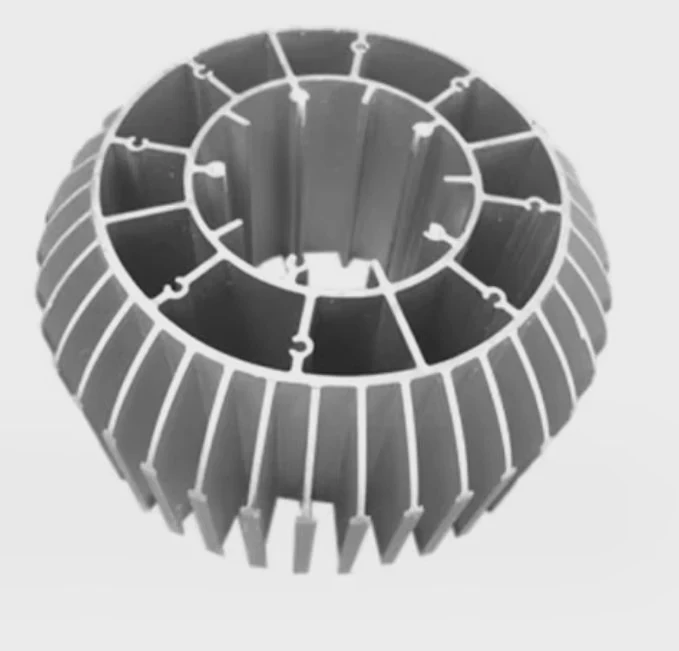
Reducing weight is vital for flight. Every extra gram adds fuel cost or payload limits. But lighter metals like aluminum don’t move heat as well as copper. That creates a design trade-off between conductivity and mass.
Comparing heat sink materials
| Material | Density (g/cm³) | Thermal Conductivity (W/m·K) | Pros | Cons |
|---|---|---|---|---|
| Aluminum (6061, 6063) | ~2.7 | ~170–190 | Light, easy to machine, corrosion resistant | Lower conductivity than copper |
| Copper | ~8.9 | ~380–400 | Excellent conductivity | Heavy, expensive |
| Magnesium alloys | ~1.8 | ~50–70 | Very light | Poor heat conduction, corrosion-prone |
| Graphite composites | ~1.5–2.0 | Up to 500 | Light + high conduction | Fragile, harder to process |
Hybrid designs often combine materials. For example, a sink may have an aluminum body with embedded copper heat pipes. This balances weight and performance.
Design solutions for light but strong sinks
- Use vapor chambers or heat pipes to spread heat across aluminum.
- Add high-density fins to increase effective surface area.
- Apply black anodized finish to improve radiation at altitude.
- Use thermal interface materials (TIMs) to cut contact resistance.
Real-world applications often use 6063 aluminum extrusions for their blend of strength, thermal capability, and formability. With careful geometry and interface design, they can outperform heavier copper systems in total system efficiency.
How is shock resistance tested in aerospace sinks?
A heat sink must survive more than heat.
Aerospace heat sinks are tested under shock and vibration conditions to ensure they don’t crack, shift, or detach during flight.
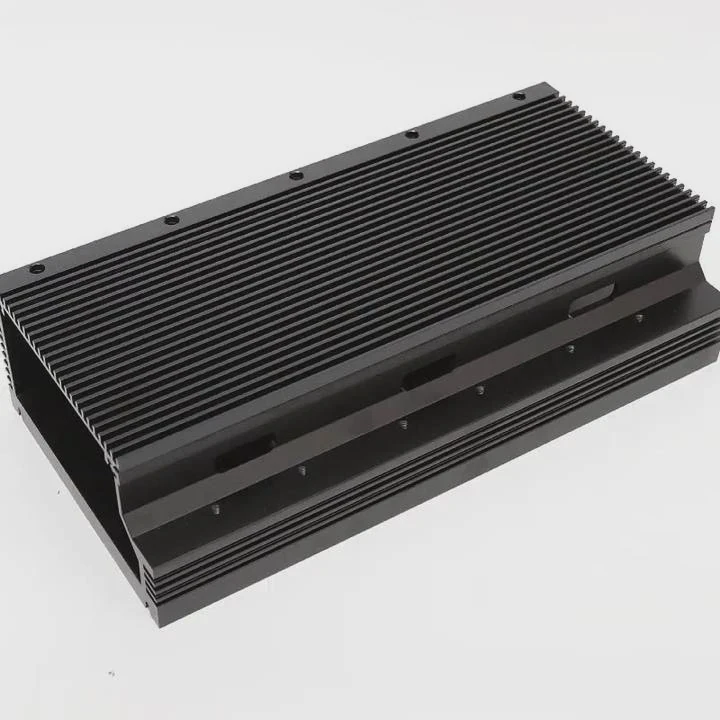
Shock can come from launch, turbulence, landing, or even mid-air maneuvers. Without resistance, even the best thermal sink will fail if it breaks loose or loses contact under stress.
Types of mechanical tests used
| Test Type | Method Summary | Goal |
|---|---|---|
| Drop Test | Drop unit from fixed height | Check structural integrity |
| Sine Vibration | Sweep frequency from 5 to 2000 Hz | Identify resonance, check mount strength |
| Random Vibration | Simulate real-world vibration spectrum | Test fatigue and joint reliability |
| Pyroshock | High-G impulse test | Simulate explosive stage separation |
After testing, sinks are inspected for cracks, deformation, and mounting failures. Also, engineers measure thermal resistance before and after testing to catch loosening or warping.
What engineers verify
- Sink still aligned and mounted tight.
- Contact pressure with chips or cold plates remains.
- Fins are not bent or damaged.
- Heat performance remains within spec.
Often, sinks are paired with mechanical reinforcement such as spring-loaded clips, bolts with locking washers, or adhesives rated for vibration. On one project, using a vibration-resistant fastener cut failure rate by 70% compared to standard screws.
It’s also common to test sinks while under thermal load. That simulates the real conditions where shock and heat act together, exposing weaknesses that isolated tests might miss.
Conclusion
Aerospace heat sinks face extreme conditions. From thin air to shock forces, every factor affects performance. Good design means matching thermal needs with material strength and following strict aerospace standards. Tested, proven heat sinks keep electronics cool and safe in the sky.
TAGS
Latest Articles

Volume discount levels for heat sink orders?
Buyers often ask when heat sink prices start to drop with volume. Many worry they’re overpaying for small orders. This guide explains how B2B volume pricing works for thermal components. Heat sink
21 Dec,2025
Heat sink long-term supply contract options?
Many buyers want stable pricing and reliable delivery for heat sinks. But without a clear contract, risks grow over time. This article explores how to secure better long-term supply deals. Long-term
21 Dec,2025
Tooling cost for new heat sink profiles?
Many engineers struggle to understand why tooling for custom heat sinks costs so much. They worry about budgeting and production timelines. This article breaks down the cost drivers behind tooling.
21 Dec,2025
Heat sink custom sample process steps?
Sometimes, starting a custom heat sink project feels overwhelming—too many steps, too many unknowns, and too many risks. You want a sample, but not endless delays. The process for requesting and
20 Dec,2025
Standard B2B terms for heat sink payments?
When buyers and sellers in B2B heat sink markets talk about payment, many don’t fully understand what’s standard. This can lead to delayed orders, miscommunication, and even lost business
20 Dec,2025
Heat sink pricing factors for large orders?
Heat sinks are vital for many systems. When prices rise, projects stall and budgets break. This problem can hit teams hard without warning. Large order heat sink pricing depends on many factors. You
20 Dec,2025Related Articles
- Heat sink performance in medical equipment?
- Renewable energy inverters requiring heat sink?
- Industrial automation devices needing heat sink?
- Suitable heat sink for EV battery packs?
- Heat sink solutions for telecom base stations?
- Heat sink options for automotive electronics?
- Heat sink usage in power distribution panels?
- Heat sink usable in coastal high-humidity areas?
- How heat sink extrusion is manufactured?
- what is the best CNC plasma cutter?
- Heat sink machining standards for precision parts?
- Bonding methods to improve heat sink transfer?
Author
Dr. Emily Chen
Chief AI Researcher
Leading expert in thermal dynamics and AI optimization with over 15 years of experience in data center efficiency research.
Categories
Latest Products






Recommend Categories
- Liquid cooling plate Manufacturer
- Industrial Heat Sink Manufacturer
- Standard Heat Sink Manufacturer
- Aluminum Heat Sink Manufacturer
- Copper Heat Sink Manufacturer
- Anodized Heatsink Manufacturer
- Stamping heat sink Manufacturer
- Die Casting Heatsink Manufacturer
- Soldering heat sink Manufacturer
- CNC Parts Manufacturer
Latest Products
- Wholesale Aluminum Radiator
- Water Cooling Plate Kit
- Water Cooling Heat Sink
- Water Cooling Heat Sink Kit
- Stainless Steel Water Distributor
- Server Water Cooling Plate Kit
- Server Liquid Cooling System
- Server Aluminum Cooling Kit
- S19 Full Cover Cooling Plate
- S19 Cooling Plate Kit
- S19 Aluminum Cooling Plate
Contact Expert
Have questions about this article? Reach out to our experts directly.