Can heat sink support heavy thermal loads?
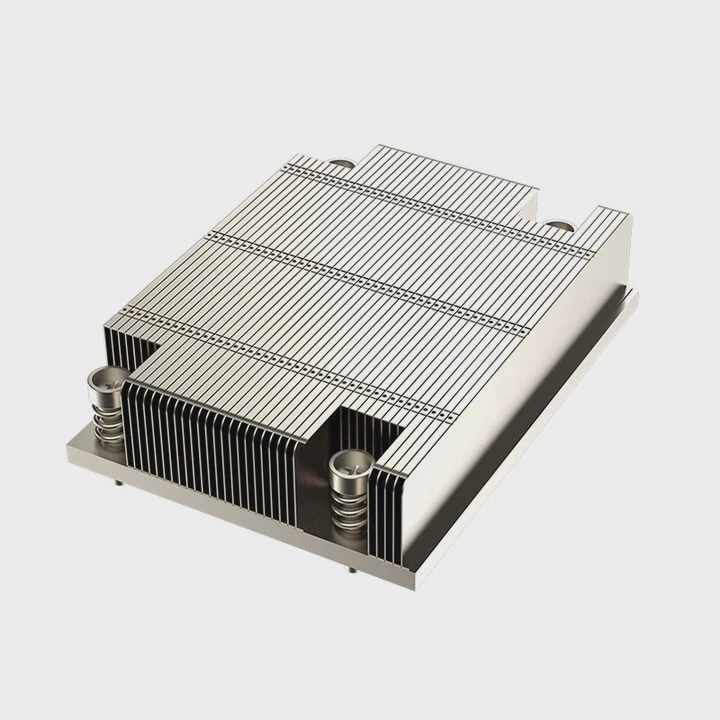
Many modern devices generate huge heat. Without proper cooling, they overheat quickly. A strong heat sink can solve that—but only if designed right.
A heat sink can support heavy thermal loads if its design, material, and cooling conditions match the load and prevent overheating or deformation.
Understanding how to handle heavy heat helps avoid failure and extend device life.
Designers should know what “heavy load” means in their context. Then choose material, geometry, and cooling method accordingly. This article walks through those steps.
What defines a “heavy” thermal load in design?
Many devices push heat limits quietly. Mis‑estimate load and heat sink fails fast.
“Heavy thermal load” means heat generation that far exceeds standard cooling capacity, typically in dozens to hundreds of watts per square centimeter or continuous high‑power over time.
That level often requires large sinks, forced cooling, or special materials.
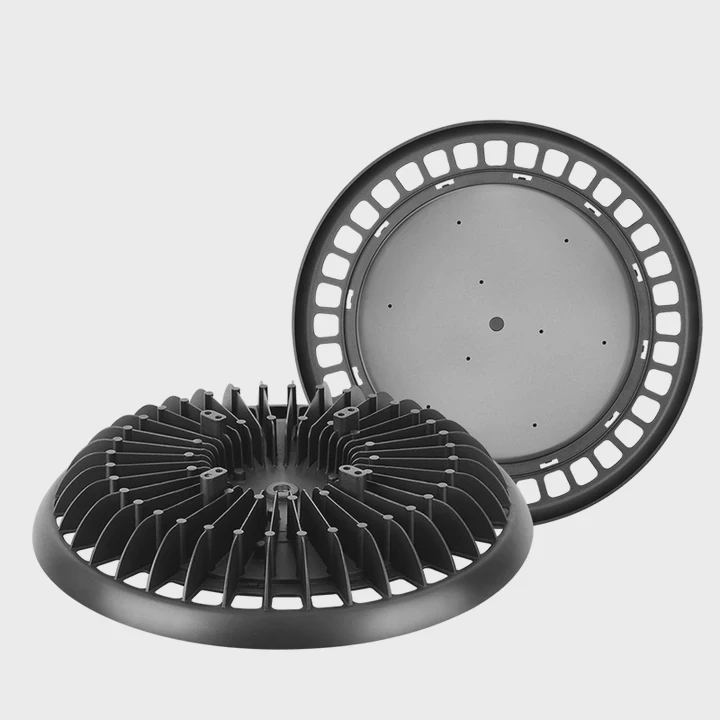
What makes a load “heavy”
A thermal load becomes heavy when the heat generated by a component is much more than what a small sink or passive cooling can handle for a long time. This happens when:
- The device draws high current or power, like CPUs, power inverters, LED arrays, or lasers
- Heat concentrates in a small area, raising power density
- Load runs continuously or many hours per day
- Ambient environment is warm or lacks airflow
If any of these apply, cooling must be carefully planned.
Quantifying heavy load
Here is a rough guide of what counts as heavy load in many electronics:
| Device type | Typical thermal load | Why it matters |
|---|---|---|
| Low‑power electronics | < 5 W | Passive cooling usually works |
| Medium power devices | 5–20 W | Need moderate sink, maybe small fan |
| High‑power modules | 20–100 W | Require large sink + active cooling |
| Power‑dense components | > 100 W | Risk heat build‑up, need advanced cooling |
When a device lies in the “high‑power” or “power‑dense” zone, calling it a heavy load makes sense.
Effects on heat sink demands
Heavy loads force heat sinks to:
- Move large heat flux quickly to prevent high temperatures
- Spread heat over large area to use airflow or fins
- Keep material stable under high temperature and thermal cycles
- Maintain contact with the hot component under variable temperatures
If heat sink is not designed for heavy load, problems can appear: hotspots, warping, thermal resistance rise, even component damage.
How do material choices impact load capacity?
Choosing right material matters a lot. Weak metal under heavy load fails fast.
Material choice sets the limit of heat sink performance under heavy load through conductivity, strength at temperature, and thermal cycling resistance.
Poor material choice can cause sink to warp, degrade, or lose thermal path.
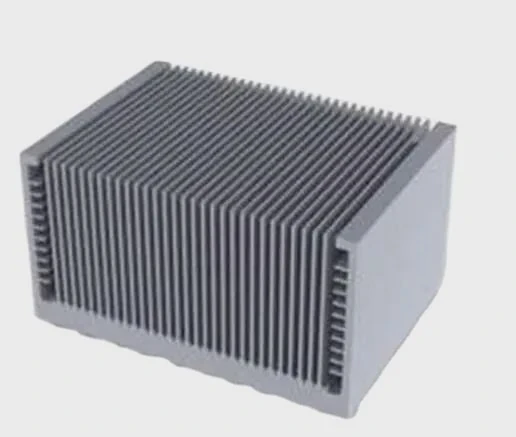
Thermal conductivity
Material must move heat fast from source to fins or coolant. Metals like copper conduct heat well. Aluminum is lighter but less conductive. Poor conductors slow heat, build hotspots.
Thermal strength and stability
Metal must stay strong at high temperature. Some metals soften above certain temperature. Under heavy continuous heat, metal can sag or warp. That breaks contact or misaligns fins.
Thermal expansion and cycling tolerance
If metal expands a lot when hot then shrinks when cool, contact surfaces can loosen, causing thermal resistance rise. Materials that handle cycles without fatigue are better.
Common material trade‑offs
Here is a comparison of common materials used in heat sinks under heavy loads:
| Material | Conductivity | Strength at high heat | Weight / Cost | Suitability for heavy load |
|---|---|---|---|---|
| Aluminum | Medium | Moderate above 100 °C | Light, cheap | Good for moderate loads |
| Copper | High | High up to ~200–300 °C | Heavy, costly | Excellent for heavy loads |
| Aluminum‑copper hybrid | Balanced | Good if joint quality high | Moderate–heavy | Good compromise |
| Extruded alloys (high‑temp alu) | Lower thermal cycling life | Moderate | Light–moderate | Limited heavy load use |
In heavy loads, copper stands out because of high conductivity and strength. But heavy weight and cost are drawbacks. Aluminum works if load is moderate or cooling is strong.
Real‑world design choices
For a high‑power LED array or power inverter, designers often:
- Use copper base or heat spreader under the hot spot
- Connect copper base to aluminum fin block
- Add thermal interface material (TIM) to optimize heat path
- Add forced airflow or even liquid cooling to enhance removal
They avoid pure thin‑metal sinks when load is heavy. They avoid cheap alloys prone to warping. They aim for materials that remain stable under high, continuous heat.
Can multiple heat sinks be used in parallel?
A single sink may fail under heavy load. Using more than one might help. But can it work?
Yes. Multiple heat sinks can be used in parallel to share a heavy thermal load. That spreads heat and reduces stress on a single sink.
This can improve cooling capacity if done properly.
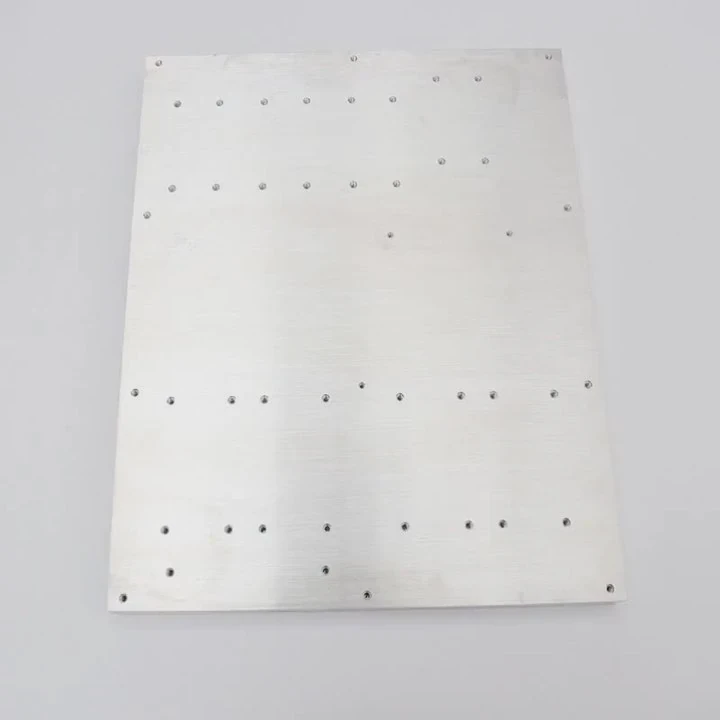
When parallel sinks make sense
Parallel sinks help when:
- Heat sources are spread out on a board or assembly
- Single large sink is impractical (size, weight, mounting)
- Modular design allows separate sinks for separate components
- Airflow or coolant can reach all sinks separately
Parallel sinks also add redundancy. If one sink sees reduced airflow, others may help carry load.
How to arrange parallel sinks
Spatial arrangement matters
Sinks must not block each other. Fins or blocks need enough space so air or coolant flows around each one. Overlapping sinks can reduce airflow and cause hotspots.
Thermal path separation
Each sink should connect directly to its own heat source or a shared heat spreader designed for multiple outputs. Shared spreader must handle combined heat before distribution to sinks.
Balanced load distribution
If one sink picks more heat than others, it warms faster and may distort or reduce thermal contact. Designers should plan equal heat share when possible.
Benefits and challenges
Benefits:
- Lower stress per sink
- Easier mounting in constrained spaces
- Better airflow per sink if spaced
- Redundancy improves reliability
Challenges:
- More mounting points increase complexity
- More thermally conductive joints → more interface losses
- Airflow management becomes harder with multiple fins
- Cooling fluid or air must reach every sink equally
Example scenario
Suppose a power board has two high‑power modules on separated areas. Instead of one huge sink, designers can:
- Attach two medium‑size sinks directly to modules
- Use a shared copper heat spreader under board
- Add a fan or duct that directs airflow across both sinks evenly
This reduces individual sink size and weight. It improves cooling per module. It reduces risk of warping or thermal stress in a single block.
So parallel sinks give flexibility and safety under heavy load. But design must ensure airflow and thermal path are well-managed.
What testing validates load-bearing efficiency?
A heat sink design looks good on paper. Real-world heat can reveal flaws. So testing is key.
Testing under realistic conditions proves a heat sink can carry heavy load reliably over time under expected stress.
Without testing, designers only guess.
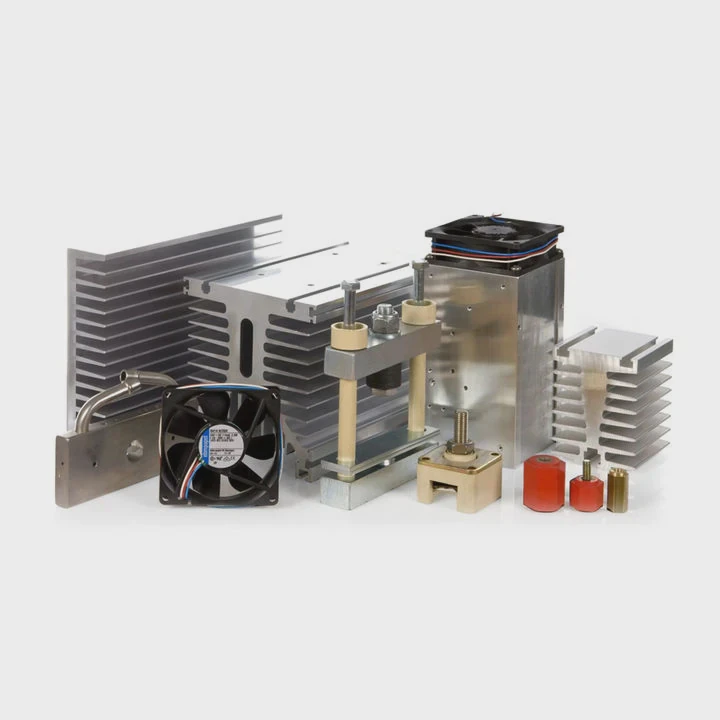
Types of tests used
| Test type | What it checks | Why important |
|---|---|---|
| Thermal load test | Run device at full power and measure sink, junction temps | Verifies cooling under real load |
| Thermal cycling test | Alternate high/low temperature cycles many times | Checks expansion, contraction, fatigue |
| Stress & vibration test | Apply vibration or shock under heat | Ensures mechanical stability |
| Long-run burn‑in | Run for many hours or days under heavy load | Tests reliability over time |
How tests work
Thermal load and junction‑to‑ambient test
Engineers power the device to full load. They measure temperature at heat sink, ambient and junction. They verify sink keeps component below safe threshold. They test worst-case ambient, minimal airflow, and maximum load.
Thermal cycling
They repeat cycles of hot and cool. For e
TAGS
Latest Articles

Volume discount levels for heat sink orders?
Buyers often ask when heat sink prices start to drop with volume. Many worry they’re overpaying for small orders. This guide explains how B2B volume pricing works for thermal components. Heat sink
21 Dec,2025
Heat sink long-term supply contract options?
Many buyers want stable pricing and reliable delivery for heat sinks. But without a clear contract, risks grow over time. This article explores how to secure better long-term supply deals. Long-term
21 Dec,2025
Tooling cost for new heat sink profiles?
Many engineers struggle to understand why tooling for custom heat sinks costs so much. They worry about budgeting and production timelines. This article breaks down the cost drivers behind tooling.
21 Dec,2025
Heat sink custom sample process steps?
Sometimes, starting a custom heat sink project feels overwhelming—too many steps, too many unknowns, and too many risks. You want a sample, but not endless delays. The process for requesting and
20 Dec,2025
Standard B2B terms for heat sink payments?
When buyers and sellers in B2B heat sink markets talk about payment, many don’t fully understand what’s standard. This can lead to delayed orders, miscommunication, and even lost business
20 Dec,2025
Heat sink pricing factors for large orders?
Heat sinks are vital for many systems. When prices rise, projects stall and budgets break. This problem can hit teams hard without warning. Large order heat sink pricing depends on many factors. You
20 Dec,2025Related Articles
- Minimum flatness needed for heat sink bases?
- Required tolerance for machined heat sink?
- What alloy is best for heat sink extrusion?
- Heat sink maximum operating temperature rating?
- How to verify Vapor Chamber quality certifications?
- Minimum order quantity for Vapor Chamber?
- Strongest material option for heat sink design?
- Heat sink airflow needs for cooling systems?
- Best geometry for compact heat sink?
- Heat sink options for automotive electronics?
- Heat sink solutions for telecom base stations?
- Suitable heat sink for EV battery packs?
Author
Dr. Emily Chen
Chief AI Researcher
Leading expert in thermal dynamics and AI optimization with over 15 years of experience in data center efficiency research.
Categories
Latest Products






Recommend Categories
- Liquid cooling plate Manufacturer
- Industrial Heat Sink Manufacturer
- Standard Heat Sink Manufacturer
- Aluminum Heat Sink Manufacturer
- Copper Heat Sink Manufacturer
- Anodized Heatsink Manufacturer
- Stamping heat sink Manufacturer
- Die Casting Heatsink Manufacturer
- Soldering heat sink Manufacturer
- CNC Parts Manufacturer
Latest Products
- Wholesale Aluminum Radiator
- Water Cooling Plate Kit
- Water Cooling Heat Sink
- Water Cooling Heat Sink Kit
- Stainless Steel Water Distributor
- Server Water Cooling Plate Kit
- Server Liquid Cooling System
- Server Aluminum Cooling Kit
- S19 Full Cover Cooling Plate
- S19 Cooling Plate Kit
- S19 Aluminum Cooling Plate
Contact Expert
Have questions about this article? Reach out to our experts directly.