Heat sink options for automotive electronics?
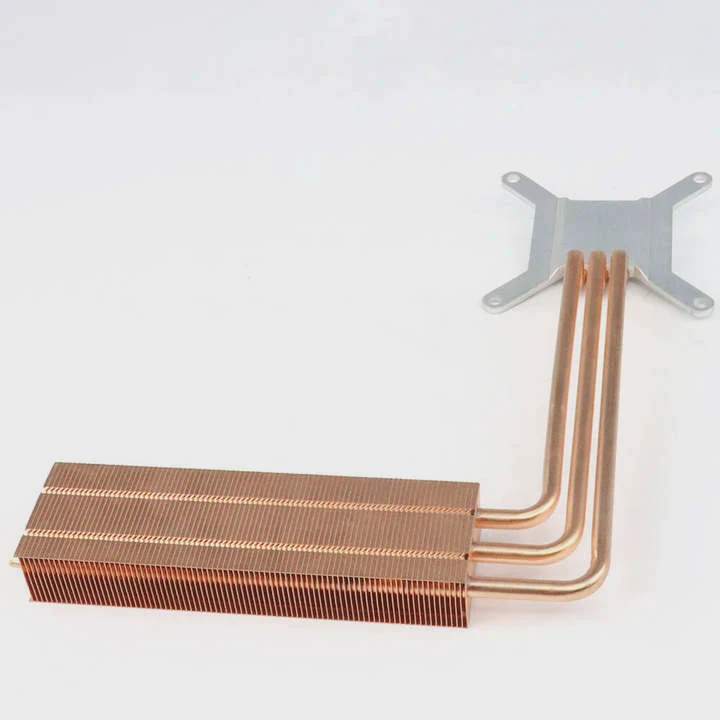
Automotive electronics live in a battlefield — heat, dust, vibration, and moisture. Without the right heat sink, performance drops or systems fail early.
For car electronics, aluminum or copper heat sinks with heat pipes or cold plates — built for vibration and harsh conditions — give the best long‑term results.
Let’s explore the most reliable heat sink choices for vehicles and how design details like coatings and vibration resistance matter.
Which heat sinks work best in harsh automotive conditions?
Heat sinks in cars must survive extreme heat, road salt, water spray, shock, and rapid temperature swings. Not every sink designed for indoor use can survive this.
Aluminum or copper heat sinks — coated, sealed, or integrated with liquid cooling — work best under harsh vehicle conditions.
| Heat Sink Type | Best Used For | Notes |
|---|---|---|
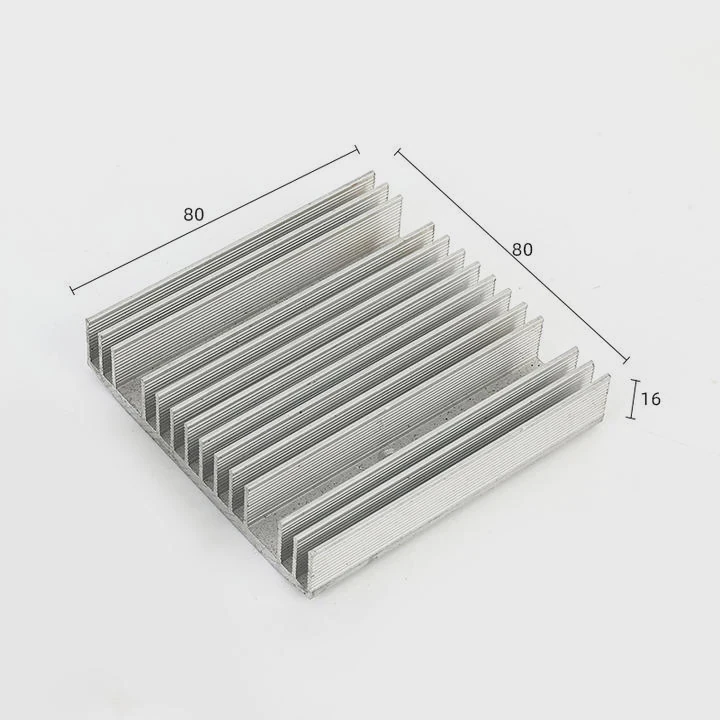
| Extruded Aluminum | General ECU, LED drivers, low‑power electronics | Lightweight, cost‑efficient, needs coating |
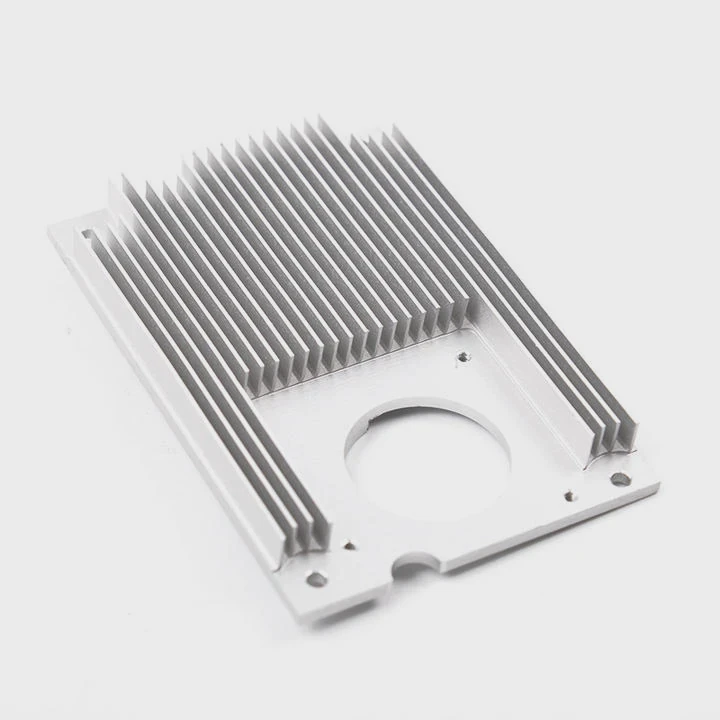
| Skived or Bonded Fins | Compact high‑performance modules | Higher surface area, better airflow performance |
| Brazed Copper (e.g. CuproBraze) | Harsh under‑hood areas | Strong corrosion resistance, better thermal spread |
| Liquid Cold Plates | High‑power inverters, BMS | Best for heavy load, needs sealed coolant system |
| Heat Pipe Assemblies | Battery cooling, compact zones | Moves heat efficiently, supports tight spaces |
In environments like under the hood, or near the drivetrain, wide temperature fluctuations happen quickly. Heat sinks there must survive thermal cycling and rough handling. Copper-based exchangers or coated aluminum are often preferred.
Coatings (like anodizing or nickel plating) improve corrosion resistance. In EVs, where electronics are closer to water-cooled components, liquid-cooled cold plates are becoming common.
How does vibration resistance affect heat sink choice?
Cars vibrate constantly. Roads, motors, and gear shifts create mechanical stress. If a heat sink cracks, loosens, or breaks off, the electronics it cools will overheat.
A strong, well-mounted heat sink is critical. Aluminum with secure brackets or brazed copper structures resist vibration best.
Common failure risks from vibration:
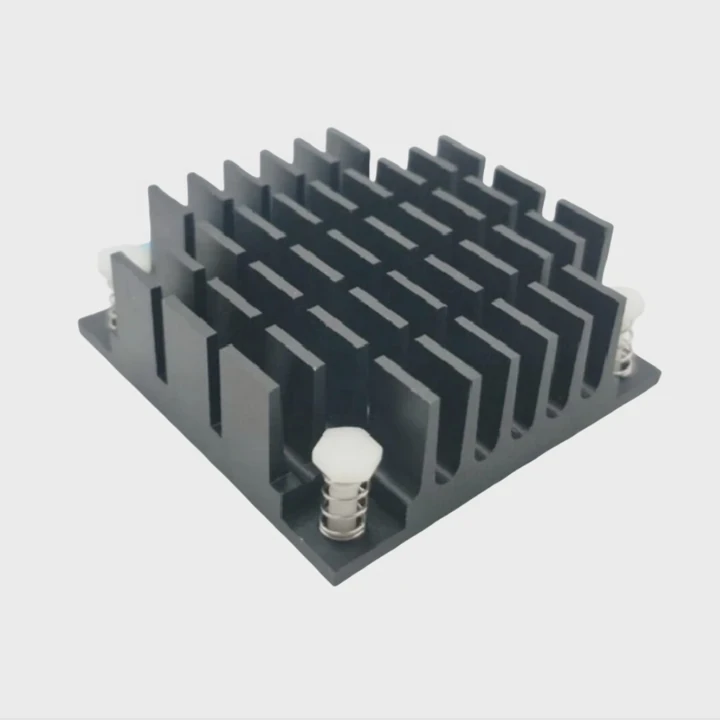
- Fin cracking or fatigue in thin aluminum arrays
- Loosened thermal contact from weak clips or adhesives
- Broken welds in heat pipe assemblies
- PCB damage if heat sink is too heavy or unsupported
Key design practices:
- Use multi-point screw mounts with vibration-rated hardware
- Avoid adhesive-only mounting in high-vibe areas
- Choose solid blocks or brazed structures over mechanically fastened fins
- Use flexible mounts or isolation pads if the board or case moves during use
In compact ECUs or inverters, designers often prefer a heat pipe base for spreading, with a low-profile fin block that mounts directly to the housing — reducing moving mass and stress.
Can automotive-grade coatings improve durability?
Heat sinks are often exposed to water, salt, chemicals, and oxidation sources — especially near the engine or wheels. Coating protects them and maintains performance.
Yes — coatings like anodizing, nickel plating, and ceramic films improve corrosion resistance, electrical insulation, and surface stability.
| Coating Type | Benefit | Common Uses |
|---|---|---|
| Anodized Aluminum | Corrosion and wear resistance | Most external aluminum heat sinks |
| Nickel Plating | Barrier against salt, acid | Copper or mixed-metal assemblies |
| Ceramic / Plasma Spray | High temp, electrical insulation | EV inverters, high voltage modules |
| Electrophoretic Coating | Uniform, thin protection | Small precision components |
Without coatings, even a good aluminum heat sink will corrode quickly in salty environments. This leads to reduced thermal conductivity and early failure.
In hybrid or EV systems, coatings also offer electrical insulation — critical in high-voltage assemblies where bare metal could create risk.
What role do heat pipes play in car electronics?
Some car electronics generate high, focused heat in small areas — like inverter modules or control ICs. Simple fins can’t move heat fast enough. That’s where heat pipes help.
Heat pipes carry heat away from hot zones and spread it to larger areas for dissipation — helping reduce size while keeping performance high.
How heat pipes help in vehicles:
- Spread heat from a tiny chip to a larger fin surface
- Support compact design where fins can’t fit near the chip
- Work passively — no pump or fan needed
- Handle wide temperature swings without breaking seal
Heat pipes are used in:
- Battery cooling modules (moving heat away from individual cells)
- Power inverters and motor controllers (spreading hotspot loads)
- Tight enclosures where fan airflow is blocked
In EVs, they’re often integrated into cold plates — combining pipe + plate + fins into a compact, rugged thermal block. This gives the benefits of both spreading and dissipation.
Bonus: Key material & performance table
Here’s a quick comparison for reference when choosing automotive heat sink options:
| Material / Tech | Thermal Conductivity | Weight | Vibration Strength | Environment Suitability |
|---|---|---|---|---|
| Aluminum (uncoated) | Medium | Low | Medium | Poor (corrosion) |
| Anodized Aluminum | Medium | Low | Medium–High | Good |
| Copper / Brazed Copper | High | High | High | Excellent |
| Heat Pipe (Copper) | High (directional) | Medium | Medium | Good (if sealed) |
| Liquid Cold Plate | Very High | Variable | High | Excellent (sealed systems) |
Conclusion
Automotive heat sinks must cool reliably while surviving vibration, corrosion, and tight spaces. Aluminum and copper remain the base materials, but coatings, heat pipes, and liquid cooling modules enable higher performance. A rugged, coated, and securely mounted design always wins on the road — even more than raw thermal numbers.
TAGS
Latest Articles

Volume discount levels for heat sink orders?
Buyers often ask when heat sink prices start to drop with volume. Many worry they’re overpaying for small orders. This guide explains how B2B volume pricing works for thermal components. Heat sink
21 Dec,2025
Heat sink long-term supply contract options?
Many buyers want stable pricing and reliable delivery for heat sinks. But without a clear contract, risks grow over time. This article explores how to secure better long-term supply deals. Long-term
21 Dec,2025
Tooling cost for new heat sink profiles?
Many engineers struggle to understand why tooling for custom heat sinks costs so much. They worry about budgeting and production timelines. This article breaks down the cost drivers behind tooling.
21 Dec,2025
Heat sink custom sample process steps?
Sometimes, starting a custom heat sink project feels overwhelming—too many steps, too many unknowns, and too many risks. You want a sample, but not endless delays. The process for requesting and
20 Dec,2025
Standard B2B terms for heat sink payments?
When buyers and sellers in B2B heat sink markets talk about payment, many don’t fully understand what’s standard. This can lead to delayed orders, miscommunication, and even lost business
20 Dec,2025
Heat sink pricing factors for large orders?
Heat sinks are vital for many systems. When prices rise, projects stall and budgets break. This problem can hit teams hard without warning. Large order heat sink pricing depends on many factors. You
20 Dec,2025Related Articles
- Best geometry for compact heat sink?
- Heat sink airflow needs for cooling systems?
- Strongest material option for heat sink design?
- Can heat sink support heavy thermal loads?
- Minimum flatness needed for heat sink bases?
- Required tolerance for machined heat sink?
- Heat sink solutions for telecom base stations?
- Suitable heat sink for EV battery packs?
- Industrial automation devices needing heat sink?
- Renewable energy inverters requiring heat sink?
- Heat sink performance in medical equipment?
- Heat sink selection for aerospace electronics?
Author
Dr. Emily Chen
Chief AI Researcher
Leading expert in thermal dynamics and AI optimization with over 15 years of experience in data center efficiency research.
Categories
Latest Products






Recommend Categories
- Liquid cooling plate Manufacturer
- Industrial Heat Sink Manufacturer
- Standard Heat Sink Manufacturer
- Aluminum Heat Sink Manufacturer
- Copper Heat Sink Manufacturer
- Anodized Heatsink Manufacturer
- Stamping heat sink Manufacturer
- Die Casting Heatsink Manufacturer
- Soldering heat sink Manufacturer
- CNC Parts Manufacturer
Latest Products
- Wholesale Aluminum Radiator
- Water Cooling Plate Kit
- Water Cooling Heat Sink
- Water Cooling Heat Sink Kit
- Stainless Steel Water Distributor
- Server Water Cooling Plate Kit
- Server Liquid Cooling System
- Server Aluminum Cooling Kit
- S19 Full Cover Cooling Plate
- S19 Cooling Plate Kit
- S19 Aluminum Cooling Plate
Contact Expert
Have questions about this article? Reach out to our experts directly.