How to verify Vapor Chamber quality certifications?
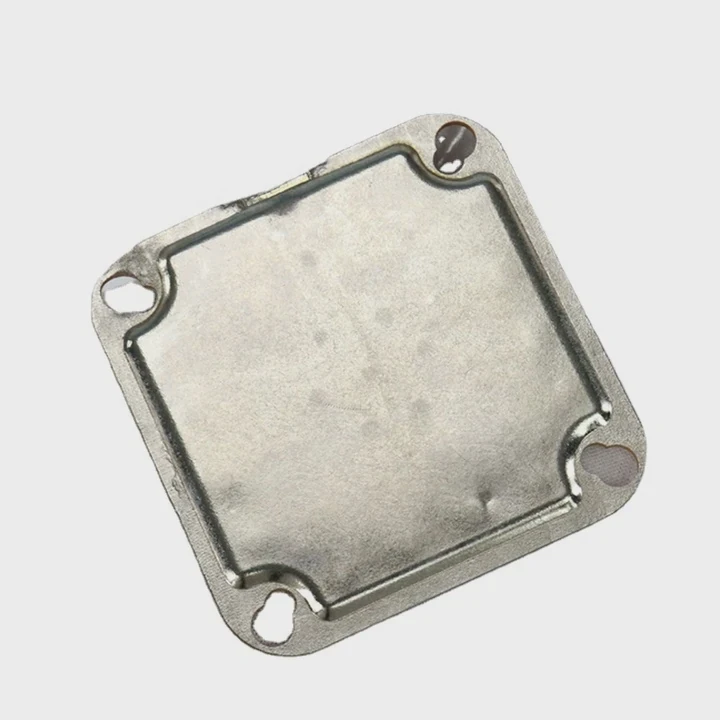
Many buyers worry about hidden risks in thermal devices. This worry grows when vapor chambers come with unclear or weak certificates. This fear creates pressure during supplier selection.
Vapor chamber quality certifications can be verified by checking certificate details, confirming the issuing body, and reviewing data that supports the claim.
This gives a clear path forward and helps readers stay focused as we explore each question in depth.
How should quality certifications for Vapor Chambers be verified?
Many teams feel confused when they receive a long list of certificates. Some look real, some look unclear, and some lack key details. This uncertainty slows projects and increases risk.
Quality certifications for vapor chambers should be verified by confirming the certificate source, checking test data, and matching the scope with the exact product and batch.

A careful check starts with the document itself. Each certificate must show the issuer name, certificate number, date of issue, and scope. The scope must match the vapor chamber model and application. A supplier may provide many certificates, but only a few may apply to your part. It helps to inspect these items line by line.
How verification works in practice
Many buyers request proof but do not know what details matter most. Clear steps help.
Step-by-step review
A buyer checks the certificate format first. A valid certificate often has a unique number. Many certification bodies allow a quick search on their websites. A search confirms if the certificate exists in their database. Some bodies allow phone or email confirmation.
A buyer then checks the test reports linked to the certificate. These reports show thermal performance, leak tests, and reliability tests. Test items must show real values, not just pass/fail marks. Real values help compare performance against expected benchmarks. This prevents misunderstandings about limits such as heat flux capacity or thermal resistance.
Next, a buyer verifies the batch number. Many poor-quality problems come from mixing batches that were not tested. A good supplier marks each vapor chamber with a batch code. The batch code must match the test report batch. This gives clarity when problems happen later in the field.
The last step is checking expiration. Some certificates require annual renewal. An expired certificate cannot prove compliance for current production.
Key items to review
| Item | What to Check |
|---|---|
| Issuer info | Name, number, and public record |
| Scope | Product model, batch, testing range |
| Data support | Thermal data, leak tests, aging tests |
| Validity | Expiration and renewal history |
A verified certificate removes risk. A weak or incomplete certificate creates delays and cost. A strong verification process keeps the buyer in control.
Is supplier certificate authenticity checked for Vapor Chambers?
Many buyers want to trust supplier documents. But some certificates are copied, outdated, or used for unrelated products. This creates real danger for thermal systems.
Yes, authenticity checks are needed, and they must include issuer validation, document security review, and batch‑to‑certificate matching.
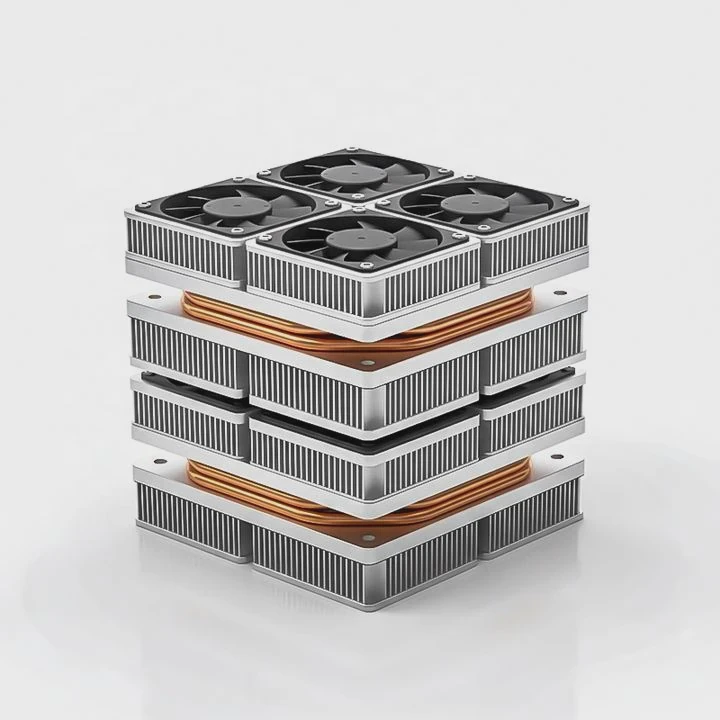
Buyers often start with a digital copy. But scans can be altered or reused. A good approach is to request an original or a secure digital version with a verification link or code. Some labs issue certificates with QR codes. A quick scan can confirm authenticity.
Another method is to ask the supplier for the certificate history. Many reliable suppliers track audits, renewals, and upgrades. When a buyer sees a full timeline, trust becomes easier.
A buyer can also check the issuing company. Many recognized labs respond quickly to verification requests. A simple confirmation email can remove doubt. Strong suppliers never refuse such checks because these checks protect both sides.
Suppliers that avoid verification often signal deeper issues. This is why authenticity checks must happen early in supplier onboarding.
Which certifications are typical in the Vapor Chamber industry?
Some buyers only look for one or two certificates. But vapor chambers touch many domains: heat transfer, structural stability, material purity, and reliability. These fields often require separate forms of evidence.
Typical certifications include thermal performance testing, leak and pressure testing, reliability cycling tests, material safety reports, and quality system certifications.
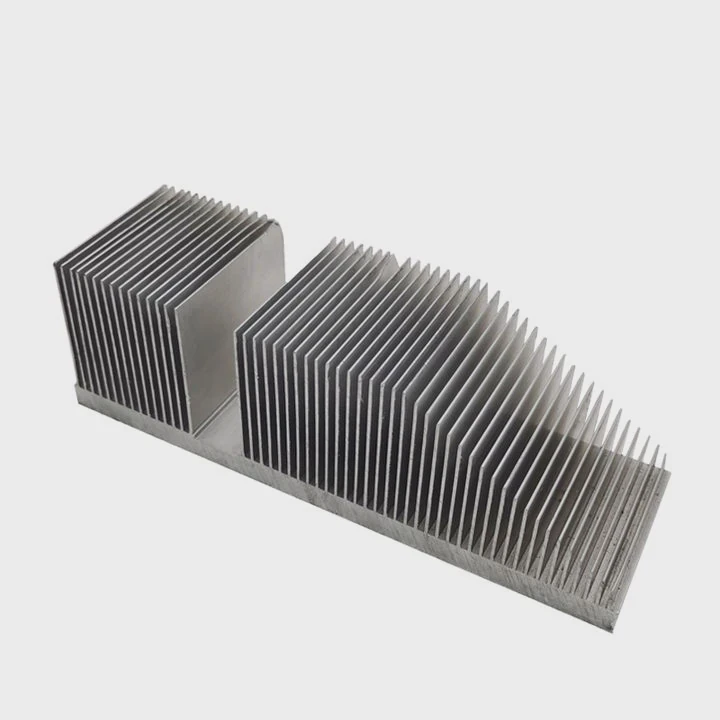
A buyer may see different certificates depending on the device. For small electronics, thermal tests may be enough. For automotive or aerospace, extra layers of reliability and traceability are needed.
Thermal performance reports show spreading efficiency, thermal resistance, and heat flux limits. Leak tests prove that the vapor chamber stays sealed under pressure. Reliability tests simulate long-term use, including heating and cooling cycles. Material certificates confirm alloy grade and chemical safety.
Quality system certificates, such as ISO-based systems, prove that the supplier follows repeatable processes. This reduces variation and supports stable long-term supply.
Certification overview
| Certification Type | Purpose |
|---|---|
| Thermal tests | Show heat spreading and resistance data |
| Leak tests | Confirm chamber sealing and internal stability |
| Reliability cycling | Test long-term use behavior |
| Material compliance | Confirm alloy grade and safety |
| Quality system | Show process stability |
Different industries need different combinations. Buyers must match certification type to their real working conditions before placing orders.
How is audit evidence used to confirm Vapor Chamber supplier compliance?
Many buyers collect certificates but miss deeper audit evidence. Without audit trails, certificates only show what can be done, not what was actually done for the batch you receive. This creates a gap in trust and control.
Audit evidence confirms real production quality by showing material records, process logs, test data, and traceability documents at batch level.
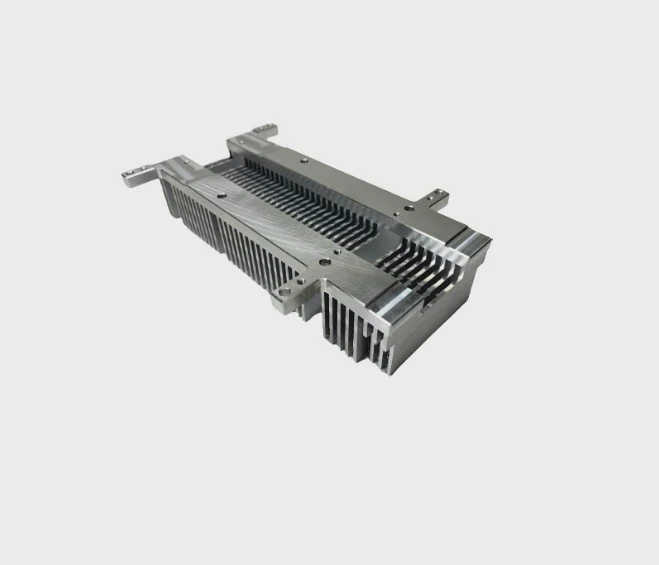
Strong audit evidence gives a clear view of how vapor chambers move from raw material to final inspection. Each step leaves a record. Each record builds confidence. This evidence helps solve problems fast when issues occur.
Key forms of audit evidence
Material records
These records show metal grade, foil thickness, wick type, and solder materials. Each part must match the certificate. Many failures come from small material changes that go unnoticed. Material records stop that risk early.
Process logs
These logs come from welding, charging, sealing, and drying. Each log shows the operator, time, and equipment. Good logs show stable process values. Unstable logs can signal early-process problems.
Test logs
These logs record thermal data, vacuum data, and reliability tests. Each record must show equipment ID and calibration dates. When equipment is not calibrated, test data becomes unreliable.
Batch and serial tracking
This helps link each vapor chamber to its raw materials, process parameters, and testing. This tracking lets buyers trace root causes if something fails in the field years later.
Example audit table
| Audit Evidence | What It Confirms |
|---|---|
| Material sheet | Alloy grade and purity |
| Test logs | True performance of each batch |
| Process log | Control of weld, seal, and charge steps |
| Calibration record | Accuracy of test equipment |
Audit evidence does more than prove compliance. It shows discipline and culture inside the supplier. Strong suppliers treat documentation as part of quality, not paperwork.
Conclusion
Quality verification of vapor chambers becomes simple when buyers check certificate sources, confirm authenticity, review test data, and request full audit evidence. These steps keep risks low and help ensure stable, long‑term performance in real applications.
TAGS
Latest Articles

Volume discount levels for heat sink orders?
Buyers often ask when heat sink prices start to drop with volume. Many worry they’re overpaying for small orders. This guide explains how B2B volume pricing works for thermal components. Heat sink
21 Dec,2025
Heat sink long-term supply contract options?
Many buyers want stable pricing and reliable delivery for heat sinks. But without a clear contract, risks grow over time. This article explores how to secure better long-term supply deals. Long-term
21 Dec,2025
Tooling cost for new heat sink profiles?
Many engineers struggle to understand why tooling for custom heat sinks costs so much. They worry about budgeting and production timelines. This article breaks down the cost drivers behind tooling.
21 Dec,2025
Heat sink custom sample process steps?
Sometimes, starting a custom heat sink project feels overwhelming—too many steps, too many unknowns, and too many risks. You want a sample, but not endless delays. The process for requesting and
20 Dec,2025
Standard B2B terms for heat sink payments?
When buyers and sellers in B2B heat sink markets talk about payment, many don’t fully understand what’s standard. This can lead to delayed orders, miscommunication, and even lost business
20 Dec,2025
Heat sink pricing factors for large orders?
Heat sinks are vital for many systems. When prices rise, projects stall and budgets break. This problem can hit teams hard without warning. Large order heat sink pricing depends on many factors. You
20 Dec,2025Related Articles
- Minimum order quantity for Vapor Chamber?
- Vapor Chamber heat resistance test report?
- Vapor Chamber for data center cooling needs?
- Vapor Chamber use in 5G communication equipment?
- Vapor Chamber Performance in Aerospace Systems?
- Can Vapor Chamber be used in construction machines?
- Heat sink maximum operating temperature rating?
- What alloy is best for heat sink extrusion?
- Required tolerance for machined heat sink?
- Minimum flatness needed for heat sink bases?
- Can heat sink support heavy thermal loads?
- Strongest material option for heat sink design?
Author
Dr. Emily Chen
Chief AI Researcher
Leading expert in thermal dynamics and AI optimization with over 15 years of experience in data center efficiency research.
Categories
Latest Products






Recommend Categories
- Liquid cooling plate Manufacturer
- Industrial Heat Sink Manufacturer
- Standard Heat Sink Manufacturer
- Aluminum Heat Sink Manufacturer
- Copper Heat Sink Manufacturer
- Anodized Heatsink Manufacturer
- Stamping heat sink Manufacturer
- Die Casting Heatsink Manufacturer
- Soldering heat sink Manufacturer
- CNC Parts Manufacturer
Latest Products
- Wholesale Aluminum Radiator
- Water Cooling Plate Kit
- Water Cooling Heat Sink
- Water Cooling Heat Sink Kit
- Stainless Steel Water Distributor
- Server Water Cooling Plate Kit
- Server Liquid Cooling System
- Server Aluminum Cooling Kit
- S19 Full Cover Cooling Plate
- S19 Cooling Plate Kit
- S19 Aluminum Cooling Plate
Contact Expert
Have questions about this article? Reach out to our experts directly.