Heat sink solutions for telecom base stations?
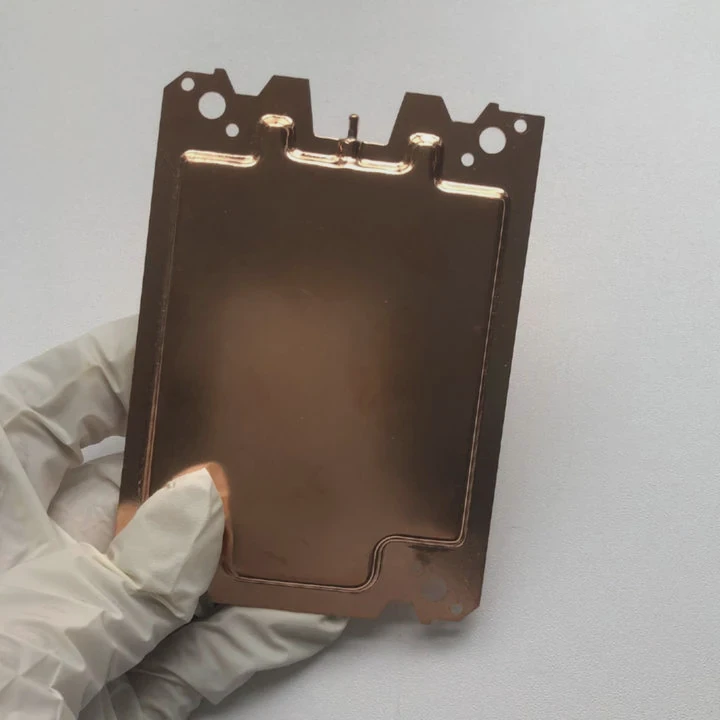
In telecom base station design, high heat can ruin sensitive electronics fast. Without proper cooling, failures strike. This article shows how different heat sink solutions can protect outdoor telecom units.
Different heat sink types and cooling strategies help match real-world needs of outdoor telecom sites, improving reliability and lifespan.
This guide walks through which heat sink types work, how power levels shape design, when passive cooling works, and what maintenance is needed. Read on to pick the best path for telecom cooling.
Which heat sink types suit outdoor telecom units?
Outdoor telecom units face sun, rain, dust, and high ambient temperatures. Many heat sink types exist. Choosing the right type matters.
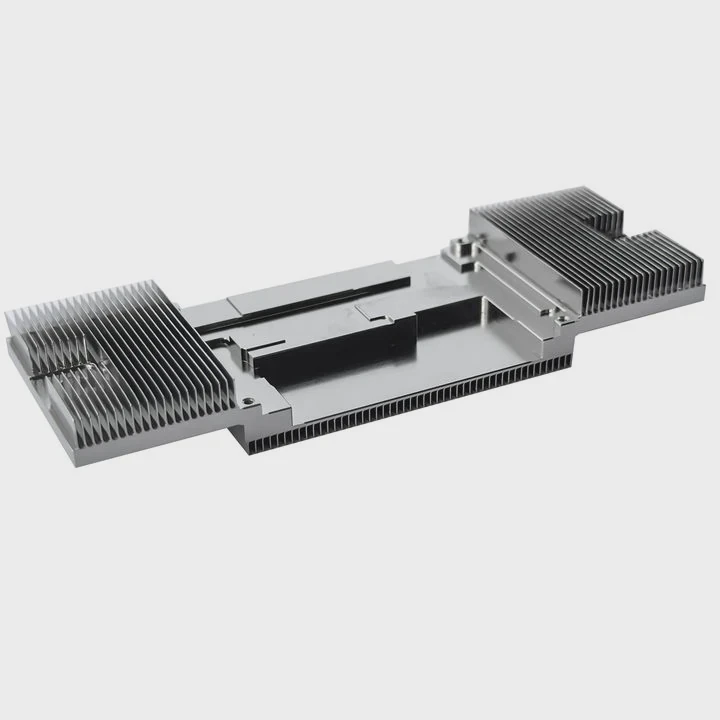
Metal fin heat sinks, liquid‑cooled cold plates, and aluminium structural sinks often suit outdoor telecom units best.
Dive deeper: tradeoffs and selection logic
Outdoor telecom base stations demand robust cooling. They also face tough conditions: heat from electronics, variable weather, dust, humidity. Not all heat sinks work well outdoors. I break down major types and how they fit.
Metal fin heat sinks
Metal fin heat sinks use many thin fins attached to a base. They increase surface area. Air flows across fins and carries heat away. This type is common, low‑cost, and needs no pump or moving parts. For outdoor telecom units with moderate heat output, fin heat sinks often work well.
Advantages:
- Low cost
- No moving parts
- Easy to implement
Limitations:
- Airflow matters. If the site sees little wind, cooling drops.
- Dust and rain can reduce efficiency.
- Aluminum fins may corrode without coating.
This type suits units with moderate thermal load, and where airflow or external fans are possible.
Liquid‑cooled cold plates
Cold plates circulate coolant—often water‑glycol mix. They draw heat directly from hot components. The coolant then moves to a radiator or heat exchanger outside.
Use liquid cooling when:
- Power density is high (many watts in small space).
- Passive airflow cannot remove needed heat.
- Controlled and steady cooling is required.
Liquid‑cooled systems are more complex. They need pump, tubing, coolant, and leak protection. But they offer high cooling efficiency. For telecom base stations with high‑power amplifiers or dense electronics, cold plates often deliver needed thermal control.
Aluminium structural sinks and integrated chassis sinks
In some designs, aluminium structural parts double as heat spreaders or sinks. These parts carry heat across a wide surface and radiate or convect away heat.
This design works when:
- PCBs or modules are mounted directly to aluminium frames.
- Heat is spread over large surface, reducing hot spots.
- Outdoor enclosure is metal and exposed to ambient air or external heat exchangers.
Benefits:
- Clean, integrated design.
- Structural strength plus heat dissipation.
- Reduced component count (no separate heatsink parts).
These are often custom solutions. For OEM telecom gear, such sinks offer ruggedness and low maintenance. They suit cases where cost, durability, and integration matter more than raw cooling performance.
How to choose: quick comparison
| Heat sink type | Best for… | Key Constraint |
|---|---|---|
| Metal fin heat sink | Moderate heat load, good airflow | Needs airflow, dust risk |
| Liquid‑cooled cold plate | High power density, tight space | More complex, leaks risk |
| Aluminium structural sinks | Integrated design, rugged units | Custom design, cost rise |
My take on selection
For many outdoor telecom units with moderate to mid-range power, a well‑designed metal fin heat sink works fine. When power density grows (e.g. high‑power amplifiers or compact electronics), liquid‑cooled cold plates give reliable cooling. When equipment is custom built or ruggedized, integrated aluminium structural sinks offer best long-term performance. In practice, vendors often combine these: e.g. a cold plate for core modules plus structural sinks for supporting parts, to balance cost, performance, and reliability.
How do telecom power levels affect cooling design?
Higher power means more heat. Telecom base stations vary from low-power remote units to high-power macro cells. Cooling must scale accordingly.
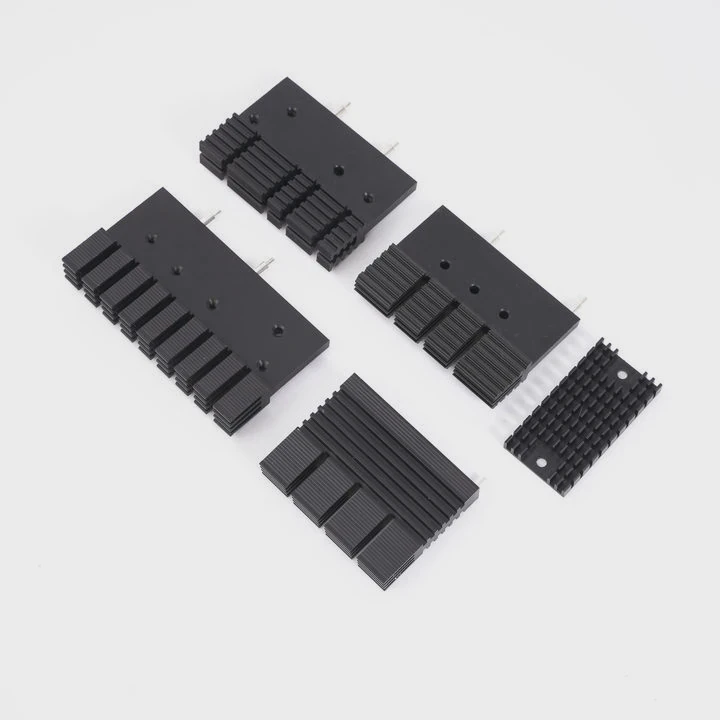
Cooling design must scale with power level: low power can use passive sinks, high power demands active cooling or liquid systems.
Dive deeper: link between power, heat load, and cooling choice
Thermal design always begins with power budget. Each watt consumed by electronics converts roughly to heat. Telecom base stations draw from a few tens of watts to several kilowatts for large installations. Cooling design must match.
Estimating heat load
If a base station draws 200 W, and about 80–90% becomes heat, that is about 160–180 W to dissipate. If it draws 2 kW, heat load jumps to ~1.6–1.8 kW. This large difference changes design approach dramatically.
As power increases:
- Heat flux (watts per unit area) rises.
- Airflow requirement increases.
- Risk of hot spots grows.
Design must account for maximum expected power — not just idle load.
Cooling paths for different power tiers
| Power tier | Typical sink method | Notes |
|---|---|---|
| < 200 W | Metal fin sink, passive airflow | Bonnet style vents or louvres suffice |
| 200 W–500 W | Fin sink + fan or assisted airflow | Use IP‑rated fan assemblies |
| 500 W–1500 W | Liquid‑cooled cold plates, heat pipes + radiator | Use coolant loop or heat pipe arrays |
| > 1500 W (dense modules) | Full liquid cooling or hybrid systems | Combine coolant + forced air + spreaders |
This table shows how power levels guide cooling choice.
Why passive design often fails for high‑power units
As power rises, passive cooling struggles. Even large fin surfaces may not radiate enough. Airflow might stall in still air. Ambient temperature outdoors can be high (35‑45 °C in summer), reducing temperature gradient and lowering heat transfer. That means base stations might overheat if design remains passive. That causes shutdowns or failures.
Designing scalable cooling
Good telecom cooling design uses modular approach. For low-power parts, use simple fin sinks. For high-power modules, deploy liquid cold plates or heat pipe + radiator combos. This ensures each part gets just enough cooling. It also saves cost: no overbuilt cooling for low-power parts. It keeps maintenance simple: passive sinks rarely fail. Active systems need regular check but deliver reliable cooling for demanding load.
In short, power level dictates cooling: higher power needs more elaborate sinks and possible active cooling. Not scaling design to power is a risk many overlook.
Can passive cooling be sufficient for base stations?
Passive cooling is attractive. No fans. No pumps. No moving parts. But is passive cooling enough for outdoor telecom units?
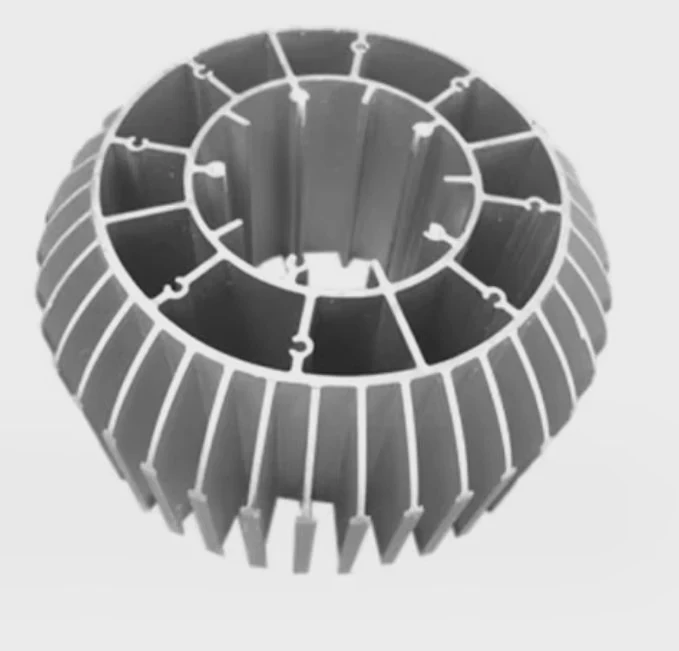
For low to moderate power base stations, passive cooling can work. For high power or dense electronics, passive cooling often fails.
Dive deeper: when passive works and when it fails
Passive cooling means relying on conduction, convection, and radiation — no active airflow or coolant. This works under certain conditions. Many telecom designs try this for its simplicity and reliability. But passive design has limits.
Conditions favoring passive cooling
- Low heat load: As seen, under ~200 W, passive fin sinks may suffice.
- Good airflow exposure: Outdoor site must allow natural airflow. Elevated mounting or open air helps.
- Moderate ambient temperature: If maximum ambient remains below ~35 °C, sink can stay within safe part temperature limits.
- Ruggedness needs: No moving parts means fewer failures.
Passive systems thrive in remote sites with limited maintenance. They reduce risk of fan or pump failure. They suit small remote radio units or backup modules.
Risks and limitations
- Limited heat capacity: Passive sinks rely on surface area and air contact. Heat flux beyond certain point overwhelms sink.
- Ambient extremes: In hot climates, temperature gradient is small. Then convection and radiation slow down. Components risk overheating.
- Hot spots: Dense electronics produce localized heat. Passive sinks may not spread heat evenly. Hot spots can degrade parts.
- Dust, rain, corrosion: Outdoor fins may collect dust. Rain may cause corrosion if not treated. Over time, efficiency drops.
Case example: why passive fails for high‑power amplifier modules
Consider a macro cell base station powering a high‑power RF amplifier drawing 800 W. That means ~700 W heat. A passive fin sink would need very large surface area and perfect airflow. In practice, space is limited and airflow unpredictable. Under midday sun and high ambient, the sink cannot keep core below safe limit. Fan or liquid cooling becomes necessary.
Hybrid approach: passive + active when needed
Some designs mix passive and active. For normal load, passive sinks cool parts. If thermal sensors detect rising temperature, a fan or pump turns on. This delivers redundancy and energy saving. This hybrid works well in moderate‑power outdoor units, offering reliability plus capacity when needed.
Passive cooling suffices for small, low‑power, well‑ventilated outdoor telecom units. For high‑power base stations or dense electronics, passive only is risky. Designers must measure power, ambient, airflow before trusting passive sinks.
What are the maintenance needs for telecom sinks?
Cooling systems need care. Outdoor telecom sites live through rain, dust, heat, storms, and more. Maintenance keeps sinks working.
Maintenance depends on sink type: passive sinks need cleaning and corrosion check; active or liquid systems need regular inspection of fans, coolant, seals and thermal sensors.
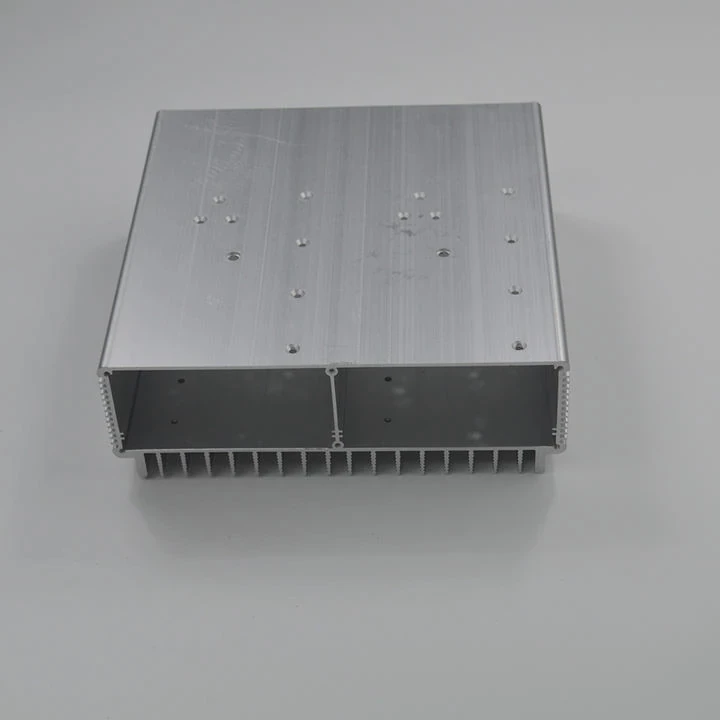
Dive deeper: tasks, frequency, and best practices
Maintenance for heat sinks ensures cooling reliability. I group by sink type and tasks. I also show sample schedule and what to watch.
Maintenance tasks by sink type
| Sink type | Common maintenance needs | Frequency |
|---|---|---|
| Passive fin sink | Dust & debris cleaning, corrosion check, coating check | Every 6–12 months |
| Active fan‑assisted fin sink | Fan inspection, dust cleaning, fan bearings lubrication or replacement | Every 3–6 months |
| Liquid‑cooled cold plate | Coolant level check, leak inspection, hose/tube check, coolant quality test, pump check | Every 6 months or per site usage |
| Hybrid systems | All above tasks plus thermal sensor calibration, radiator cleaning, seal check | Every 6 months |
Steps and best practices
Inspect regularly
Outdoor environment changes. Dust builds up. Leaves, sand, insects can block fins. Check vents and fins. Use soft brush or air blowers. Avoid water jets that push dirt deeper.
Clean fins and radiators
Dust reduces airflow. Clean gently. For metal fins, compressed air or soft brush works. Perform after storms or dusty seasons.
Check corrosion and coatings
Fins and metal surfaces face rain and humidity. Coatings (e.g. powder coat, anodizing) may wear off. Inspect for rust. Touch up coating if needed.
For active fans
Check that fans spin freely. Listen for grinding noises. Replace bearings if noisy. Check fan speed under load. Replace any fan failing to meet RPM spec.
For liquid cooling systems
Check coolant level and concentration. Top up if needed. Watch for leaks — small drips may signal seal or tube failure. Inspect hoses for cracks or bulges. Check pump health — strange noise or reduced flow indicates wear. Test coolant quality — contaminants reduce heat transfer. Replace coolant per manufacturer schedule.
Also check radiator or external heat exchanger fins for dust and debris. Clean gently.
Hybrid system extra checks
Thermal sensors must read correctly. Confirm they respond and trigger fans or pumps when needed. Check control logic. Inspect seals around doors or covers to maintain airflow path.
Sample maintenance schedule
TAGS
Latest Articles

Volume discount levels for heat sink orders?
Buyers often ask when heat sink prices start to drop with volume. Many worry they’re overpaying for small orders. This guide explains how B2B volume pricing works for thermal components. Heat sink
21 Dec,2025
Heat sink long-term supply contract options?
Many buyers want stable pricing and reliable delivery for heat sinks. But without a clear contract, risks grow over time. This article explores how to secure better long-term supply deals. Long-term
21 Dec,2025
Tooling cost for new heat sink profiles?
Many engineers struggle to understand why tooling for custom heat sinks costs so much. They worry about budgeting and production timelines. This article breaks down the cost drivers behind tooling.
21 Dec,2025
Heat sink custom sample process steps?
Sometimes, starting a custom heat sink project feels overwhelming—too many steps, too many unknowns, and too many risks. You want a sample, but not endless delays. The process for requesting and
20 Dec,2025
Standard B2B terms for heat sink payments?
When buyers and sellers in B2B heat sink markets talk about payment, many don’t fully understand what’s standard. This can lead to delayed orders, miscommunication, and even lost business
20 Dec,2025
Heat sink pricing factors for large orders?
Heat sinks are vital for many systems. When prices rise, projects stall and budgets break. This problem can hit teams hard without warning. Large order heat sink pricing depends on many factors. You
20 Dec,2025Related Articles
- Heat sink options for automotive electronics?
- Best geometry for compact heat sink?
- Heat sink airflow needs for cooling systems?
- Strongest material option for heat sink design?
- Can heat sink support heavy thermal loads?
- Minimum flatness needed for heat sink bases?
- Suitable heat sink for EV battery packs?
- Industrial automation devices needing heat sink?
- Renewable energy inverters requiring heat sink?
- Heat sink performance in medical equipment?
- Heat sink selection for aerospace electronics?
- Heat sink usage in power distribution panels?
Author
Dr. Emily Chen
Chief AI Researcher
Leading expert in thermal dynamics and AI optimization with over 15 years of experience in data center efficiency research.
Categories
Latest Products






Recommend Categories
- Liquid cooling plate Manufacturer
- Industrial Heat Sink Manufacturer
- Standard Heat Sink Manufacturer
- Aluminum Heat Sink Manufacturer
- Copper Heat Sink Manufacturer
- Anodized Heatsink Manufacturer
- Stamping heat sink Manufacturer
- Die Casting Heatsink Manufacturer
- Soldering heat sink Manufacturer
- CNC Parts Manufacturer
Latest Products
- Wholesale Aluminum Radiator
- Water Cooling Plate Kit
- Water Cooling Heat Sink
- Water Cooling Heat Sink Kit
- Stainless Steel Water Distributor
- Server Water Cooling Plate Kit
- Server Liquid Cooling System
- Server Aluminum Cooling Kit
- S19 Full Cover Cooling Plate
- S19 Cooling Plate Kit
- S19 Aluminum Cooling Plate
Contact Expert
Have questions about this article? Reach out to our experts directly.