Heat sink maximum operating temperature rating?
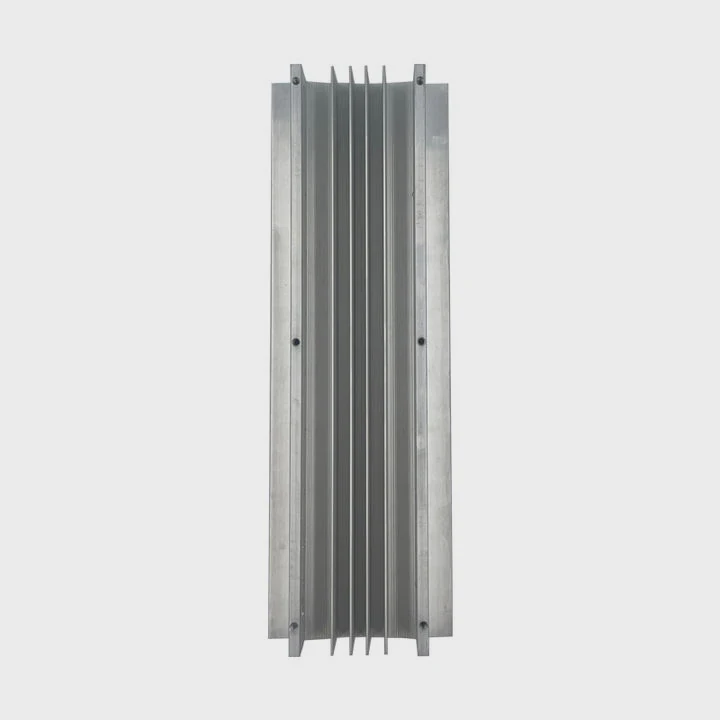
Hardware often fails because of overheating. When a heat sink acts beyond its limits, parts get damaged or warp. Knowing the correct maximum operating temperature rating can save cost and time.
A heat sink’s maximum operating temperature rating marks the highest safe temperature it can handle during use. It ensures that the sink and attached parts stay stable and work reliably.
Understanding what shapes that rating helps engineers pick the right heat sink for each job.
What factors influence maximum operating temperature?
Hardware setups change a lot. If factors like power, airflow, and load shift, a heat sink might break. Recognizing what pushes temperature extremes can prevent failure.
Several factors shape a heat sink’s top temperature. These include power dissipation, ambient temperature, airflow, mechanical stress, and how the assembly is built.
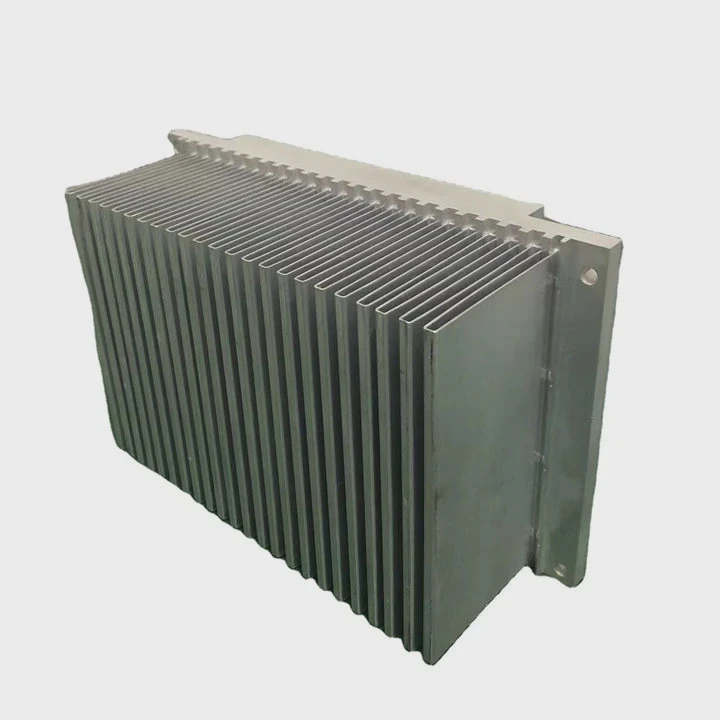
When a device runs, it produces heat. The rate of that heat — the power dissipation — is a big factor. If more power is used, more heat flows into the sink. If the heat sink cannot move heat fast enough, its temperature rises. Another big factor is ambient temperature: the air around the sink. If ambient air is hot, the heat sink works harder to shed heat.
Airflow matters a lot. If fans or natural convection move air well, the sink stays cooler. If airflow is blocked or weak, heat builds up.
Mechanical stress and mounting method also matter. If the heat sink is squeezed, warped, or mechanically paired with parts that expand at different rates, stress can cause cracks or loss of contact. This reduces heat transfer and raises temperature.
Material choices, surface finish, and contact interface quality affect how fast heat moves away from the source. Poor interface compounds or uneven mounting raise thermal resistance.
Finally, the design of the entire assembly counts. Tight layouts, small spaces, insulation from nearby parts, or lack of ventilation can cut cooling efficiency. A sink might carry a safe rating alone but perform poorly in a cramped housing.
Engineers need to consider all these factors together. A sink rated for a high temperature may still overheat if airflow is poor or if the assembly traps heat.
How do materials affect thermal tolerance?
Some materials fail when hot. If the heat sink metal softens or the solder melts, damage follows. Material choice defines how hot the sink can go. Picking proper ones raises safety margin.
Material properties set the heat sink’s thermal tolerance. Metals with high melting points, stable structure at temperature, and good thermal conductivity permit higher operating temperatures.
Materials and their limits
Different metals react differently at high temperature. Common heat sink metals are aluminum, copper, and sometimes alloys or special metals. Each behaves differently when hot.
Aluminum is lightweight and easy to shape. It works well in many designs. But aluminum softens at high temperatures. Its melting point is around 660°C. In real use, the practical limit is often much lower because of thermal expansion, stress, and mounting hardware. Copper melts about 1085°C. Copper keeps its structure and strength at higher temperatures. That gives copper sinks higher tolerance under heavy heat.
Some alloys or composite materials carry fillers or special bonding agents. These add strength or better conductivity. But if the filler or bonding agent degrades with heat, the whole sink may fail.
Plastic parts or attachments around a heat sink limit the effective maximum temperature. If a sink touches plastic, the plastic’s lower heat limit becomes the weak point — the sink may be fine, but the plastic melts or deforms.
Material properties table
| Material | Approx. Melting Point | Practical Max Use Temp* | Notes |
|---|---|---|---|
| Aluminum (pure) | ~660 °C | ~150–200 °C | Lightweight, common, but soft limits |
| Copper (pure) | ~1085 °C | ~250–300 °C | High thermal capacity and tolerance |
| Aluminum alloy | ~590–640 °C | ~150–220 °C | Stronger than pure Al, but variable |
| Composite metal | depends | depends | Needs testing of filler and bond |
* “Practical Max Use Temp” means long-term safe operation temperature. Actual safe temperature depends on mounting, stress, and environment.
Choices in materials set a base for the heat sink’s thermal tolerance. The structure and surface finish matter too. Rough surfaces or poor joints raise thermal resistance. Good contact surfaces and solid joints help move heat.
I have seen designs where engineers pick aluminum for weight savings. But when the system ran hot, sinks warped after repeated heat cycles. Copper sinks lasted longer in similar setups. In systems with plastic housings, even a copper sink fails if the plastic deforms under heat. That shows material alone is not enough. The entire structure and materials around the sink must match the thermal requirements.
Which industries require high temp-rated heat sinks?
Industry uses vary widely. Some devices run mild heat under air cooling. Others push hard with high power and dense electronics. In those cases high-temperature heat sinks are critical. Systems like servers, aerospace, or power electronics need them badly.
Industries such as aerospace, industrial power electronics, high-performance computing, automotive electronics, and medical equipment often demand heat sinks rated for high temperatures.
High-temperature rating matters most in fields where devices run at full load for a long time. In aerospace, electronics may face high ambient temperatures, limited airflow, and long missions. The sink must handle heavy heat and stay stable. In industrial power electronics, motors or converters generate strong heat during operation. Heat sinks there must dissipate heat under load.
In data centers or high-performance computing, CPUs or GPUs run hot under constant load. If cooling fails, the components throttle or fail. Using sinks with high thermal tolerance ensures safe long-term operation. In automotive electronics, engine compartments or battery packs can see high ambient heat. A heat sink must survive both device heat and outside heat.
Medical equipment like high‑power lasers or imaging devices also generate high heat. In addition, safety and reliability demands are high. Equipment must run for many hours without failure.
Industry vs Temp Needs
| Industry Sector | Typical Use Case | Heat Sink Temp Need |
|---|---|---|
| Aerospace / Defense | Avionics, control units | High (often 200–300 °C safe range) |
| Industrial Power Electronics | Heavy converters, drives | High to very high |
| Data Centers / HPC | Servers, GPU clusters | Moderate–High, high stability needed |
| Automotive Electronics | Battery packs, inverters, ECUs | Moderate to High |
| Medical Equipment | Lasers, imaging, control units | High reliability and moderate–high temp |
High temp-rated heat sinks matter when devices face high power, high ambient, or long duty cycles. Choosing sinks with proper rating helps meet industry demands.
In some industries the rules or quality standards demand testing at elevated temperature or environmental stress. That ensures reliability before deployment. If a sink fails under test, manufacturers go back to design.
I known one case: a power converter in manufacturing ran for 12 hours under heavy load. An aluminum sink reached softening temperature after months. That caused repeated downtime. After switching to a copper‑alloy sink with better thermal tolerance, the system ran stable for years. That shows why some industries insist on high temp‑rated sinks.
Can coatings enhance heat sink temperature ratings?
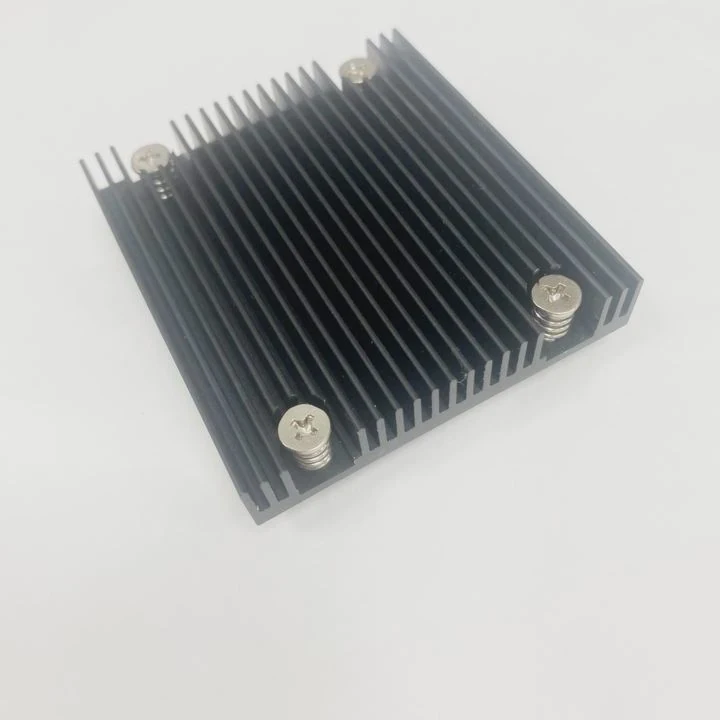
Heat sinks sometimes fail not because of core metal temperature. They fail because surfaces oxidize, parts degrade, or contact worsens. A good coating can protect from oxidation, corrosion, and thermal stress. That may raise reliable operating temperature.
Yes. Proper coatings or surface treatments can improve heat sink performance under high temperature by protecting metal, improving emissivity, or reducing corrosion and oxidation.
How coatings help
A coating can add a barrier between metal and environment. This helps in harsh or humid air. If metal oxidizes, thermal contact gets worse. Good coating keeps surface clean. That helps heat flow.
Some coatings improve emissivity. Emissivity is how well a surface releases heat into air. A surface with high emissivity sheds heat faster. That matters when convection is weak. A black oxide or ceramic coating can boost that.
Coatings can also seal metal pores or small cracks. That prevents moisture or dust from getting in. Moisture and dust can lower thermal performance over time. That makes the sink less effective.
What coatings work and their limits
Common coating types include black oxide, thermal spray, ceramic layers, anodizing (for aluminum), and heat‑resistant paints. Each has pros and cons.
- Black oxide: Works well on steel parts. It improves corrosion resistance and emissivity. It handles moderate heat, but under very high heat cycles it may degrade.
- Anodizing: Common for aluminum. It thickens the oxide layer on aluminum surface. That protects the metal and helps resist corrosion. But anodized layer can crack if the base metal expands under heat too much.
- Ceramic coatings: Provide high temperature tolerance and good emissivity. They work when temperatures go high repeatedly. But they add cost and thickness. Also they may reduce contact quality if applied over contact surfaces.
- Heat‑resistant paints: Easy to apply and cheap. They offer some protection but often have lower thermal conductivity. They may burn or crack at high temperature, especially under cycles.
Considerations when using coatings
Coating improves some aspects of performance. But a coating cannot fix poor base material. If base metal softens under heat, coating does not stop that. If mounting stress warps metal, coating may crack and fail.
Coated surfaces must still have good contact with heat source. A thick or uneven coating may raise thermal resistance. That can harm performance under heavy load.
Coatings also change how heat moves. Some high‑emissivity coatings help radiation, but they may reduce conduction if misapplied.
Sometimes coatings shift priority: coating helps against oxidation or corrosion, but if thermal transfer matters most, bare metal with smooth finish might perform better.
Finally, coatings must match the operating environment. In humid, dusty, or corrosive atmosphere, a coating helps long‑term durability. In clean, controlled environment with good convection, coating yields less benefit.
That means when selecting or designing a heat sink, choices on coating should match how the sink will operate. Coating improves reliability under some conditions. But coating is not a magic fix. Core material quality and design remain vital.
Conclusion
In many systems, a heat sink’s safe top temperature depends on power load, material, airflow, and environment. High‑temperature materials help in heavy duty applications. Coatings give extra protection. Choosing right sink and treatment helps hardware live longer and work safer.
TAGS
Latest Articles

Volume discount levels for heat sink orders?
Buyers often ask when heat sink prices start to drop with volume. Many worry they’re overpaying for small orders. This guide explains how B2B volume pricing works for thermal components. Heat sink
21 Dec,2025
Heat sink long-term supply contract options?
Many buyers want stable pricing and reliable delivery for heat sinks. But without a clear contract, risks grow over time. This article explores how to secure better long-term supply deals. Long-term
21 Dec,2025
Tooling cost for new heat sink profiles?
Many engineers struggle to understand why tooling for custom heat sinks costs so much. They worry about budgeting and production timelines. This article breaks down the cost drivers behind tooling.
21 Dec,2025
Heat sink custom sample process steps?
Sometimes, starting a custom heat sink project feels overwhelming—too many steps, too many unknowns, and too many risks. You want a sample, but not endless delays. The process for requesting and
20 Dec,2025
Standard B2B terms for heat sink payments?
When buyers and sellers in B2B heat sink markets talk about payment, many don’t fully understand what’s standard. This can lead to delayed orders, miscommunication, and even lost business
20 Dec,2025
Heat sink pricing factors for large orders?
Heat sinks are vital for many systems. When prices rise, projects stall and budgets break. This problem can hit teams hard without warning. Large order heat sink pricing depends on many factors. You
20 Dec,2025Related Articles
- How to verify Vapor Chamber quality certifications?
- Minimum order quantity for Vapor Chamber?
- Vapor Chamber heat resistance test report?
- Vapor Chamber for data center cooling needs?
- Vapor Chamber use in 5G communication equipment?
- Vapor Chamber Performance in Aerospace Systems?
- What alloy is best for heat sink extrusion?
- Required tolerance for machined heat sink?
- Minimum flatness needed for heat sink bases?
- Can heat sink support heavy thermal loads?
- Strongest material option for heat sink design?
- Heat sink airflow needs for cooling systems?
Author
Dr. Emily Chen
Chief AI Researcher
Leading expert in thermal dynamics and AI optimization with over 15 years of experience in data center efficiency research.
Categories
Latest Products






Recommend Categories
- Liquid cooling plate Manufacturer
- Industrial Heat Sink Manufacturer
- Standard Heat Sink Manufacturer
- Aluminum Heat Sink Manufacturer
- Copper Heat Sink Manufacturer
- Anodized Heatsink Manufacturer
- Stamping heat sink Manufacturer
- Die Casting Heatsink Manufacturer
- Soldering heat sink Manufacturer
- CNC Parts Manufacturer
Latest Products
- Wholesale Aluminum Radiator
- Water Cooling Plate Kit
- Water Cooling Heat Sink
- Water Cooling Heat Sink Kit
- Stainless Steel Water Distributor
- Server Water Cooling Plate Kit
- Server Liquid Cooling System
- Server Aluminum Cooling Kit
- S19 Full Cover Cooling Plate
- S19 Cooling Plate Kit
- S19 Aluminum Cooling Plate
Contact Expert
Have questions about this article? Reach out to our experts directly.