Strongest material option for heat sink design?
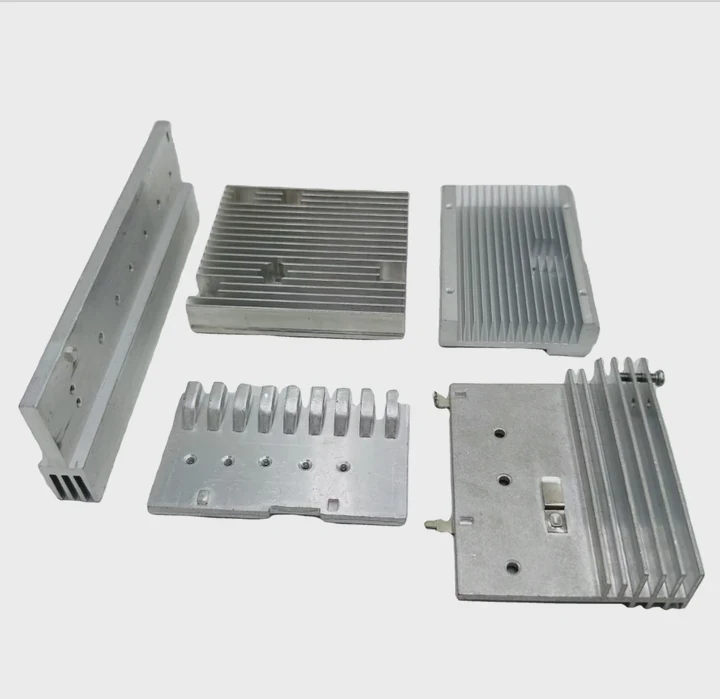
In many heat sink designs, strength matters as much as thermal performance. Choosing a material that stands up to stress and heat can save failures and downtime.
The strongest materials for heat sinks depend on their mechanical strength under load and their weight — often alloys like titanium or high‑strength aluminum beat simple metals.
Let’s dig into how materials are tested, and which options give the best strength‑to‑weight ratio.
How is material strength tested for heat sinks?
When engineers check material strength, they use standard tests to understand how the material behaves under stress.
They pull, compress, indent, or hit samples to see how much force the material can handle before it deforms or breaks. Then they compare data against required loads.
Here is how testing normally works.
Tests used to measure strength:
- Tensile test — Measures how much pulling force a material can withstand before it breaks.
- Hardness test — Uses tools to press into the surface and test resistance to indentation.
- Impact test — Assesses how much sudden force the material can take before cracking.
- Fatigue test — Simulates repeated stress over time to check for long-term failure.
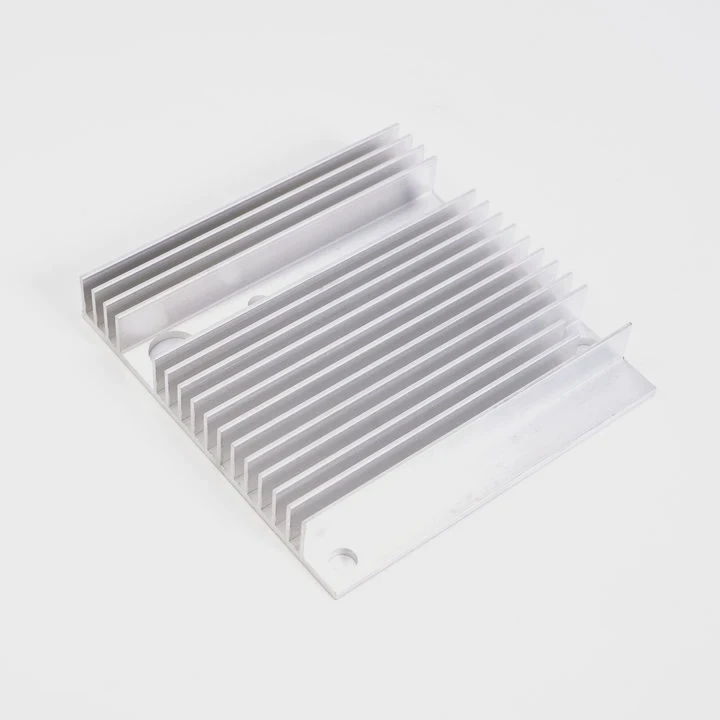
| Metric | What it means |
|---|---|
| Yield strength | Stress level when material starts to deform permanently |
| Tensile strength | Maximum force before breaking under pull |
| Hardness | Resistance to scratches and surface wear |
| Impact toughness | Energy absorbed before breaking under fast loading |
These values tell us how the material will handle real-world stress, especially when mounted tightly or exposed to temperature changes. For structural heat sinks, this matters more than people expect.
Which metals offer the best strength-to-weight ratio?
Not all strong materials are useful in lightweight systems. The best structural heat sink materials offer both high strength and low weight.
Best metals by strength-to-weight ratio include high-grade aluminum and titanium alloys.
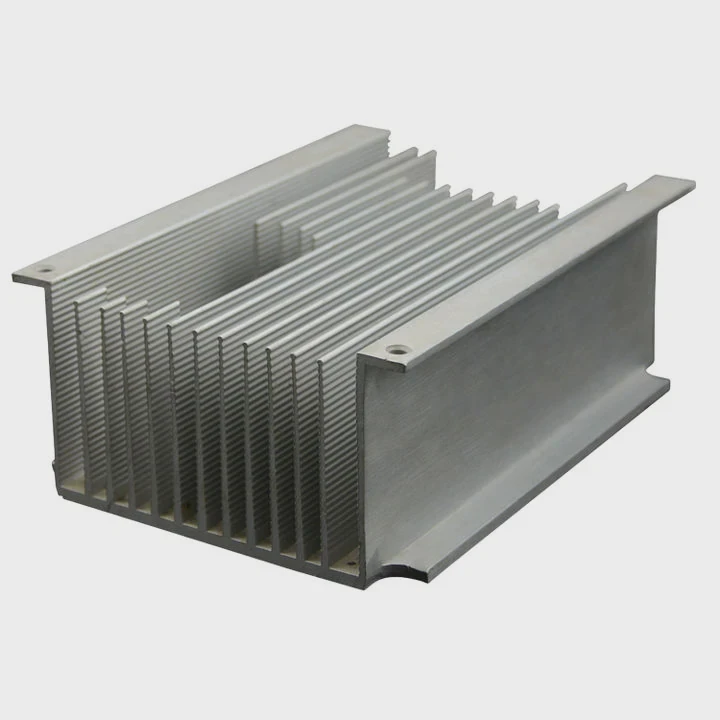
| Material | Density (g/cm³) | Tensile Strength (MPa) | Strength-to-Weight Score |
|---|---|---|---|
| 7075 Aluminum | 2.81 | ~570 | High |
| 7068 Aluminum | 2.85 | ~710 | Very High |
| Ti-6Al-4V (Titanium) | 4.43 | ~900 | Excellent |
| Magnesium Alloy | 1.74 | ~320 | Moderate |
Key takeaways:
- 7075⁄7068 Aluminum offers very strong performance at low weight. Ideal for thermal systems where mass matters.
- Titanium delivers even more strength but has lower thermal conductivity and higher cost.
- Magnesium is lightest but doesn’t handle stress or corrosion as well.
For most heat sink systems that need both strength and good heat flow, high-strength aluminum alloys are the go-to material. They balance performance, cost, and weight.
Can ceramics outperform metals in strength?
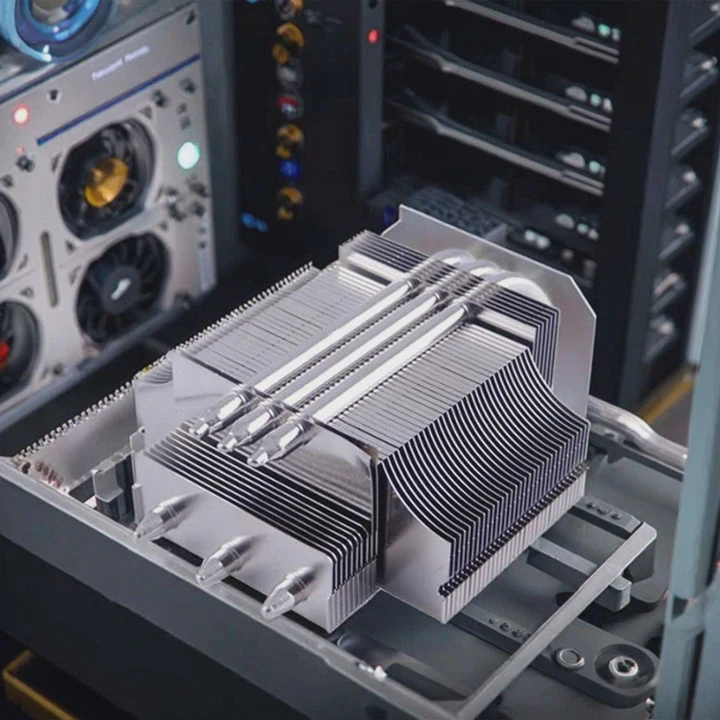
Ceramics can handle high temperatures and resist wear, but they are not the best for structural heat sinks.
Ceramics are strong in compression but brittle overall. They break without warning and can’t absorb impact.
| Feature | Ceramic | Metal |
|---|---|---|
| Thermal Resistance | Excellent | Moderate to High |
| Compressive Strength | High | Moderate to High |
| Toughness | Very Low | High |
| Shock Resistance | Poor | Good |
| Thermal Conductivity | Low to Medium | High |
Even though ceramics like aluminum nitride or beryllium oxide have good heat resistance, their poor impact and bending strength limit their use in structural parts.
If a system stays in place without vibration or movement, ceramics could work. But for most mechanical loads, metals are more reliable.
Are composites viable for structural heat sinks?
Composites offer some amazing features — they can be very strong and very light. But heat sinks need more than that.
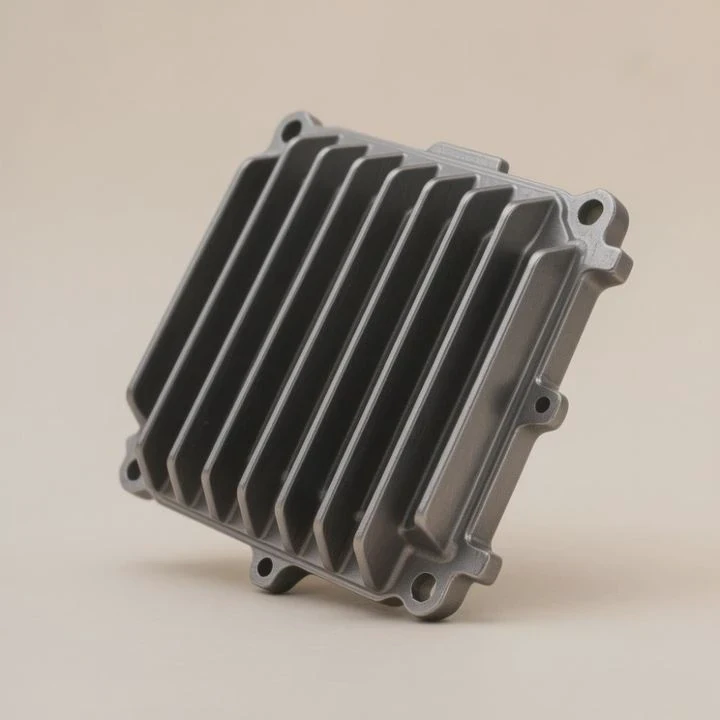
Composites can be viable when weight and corrosion resistance are more important than thermal conductivity.
| Composite Type | Strength | Heat Flow | Use Case |
|---|---|---|---|
| Carbon Fiber | Very High | Very Low | Structural frames |
| Metal Matrix | High | Medium | Hybrid heat spreaders |
| Graphite Composites | Medium | High | Thin heat spreaders |
Benefits:
- Custom strength and stiffness
- Low weight
- High corrosion resistance
Drawbacks:
- Often poor thermal performance
- Expensive and complex to make
- Hard to machine or join with metals
- May crack under temperature cycling
In short, composites can work — especially as outer structures or enclosures — but metals still dominate in the heat-spreading core.
Conclusion
Choosing the strongest material for heat sinks is more than just picking a hard alloy. You need something that handles heat, resists stress, and stays reliable for years.
High-strength aluminum and titanium alloys offer the best mix of strength and weight. Ceramics and composites can help in special cases, but for most structural heat sinks, well-designed metals win every time.
TAGS
Latest Articles

Volume discount levels for heat sink orders?
Buyers often ask when heat sink prices start to drop with volume. Many worry they’re overpaying for small orders. This guide explains how B2B volume pricing works for thermal components. Heat sink
21 Dec,2025
Heat sink long-term supply contract options?
Many buyers want stable pricing and reliable delivery for heat sinks. But without a clear contract, risks grow over time. This article explores how to secure better long-term supply deals. Long-term
21 Dec,2025
Tooling cost for new heat sink profiles?
Many engineers struggle to understand why tooling for custom heat sinks costs so much. They worry about budgeting and production timelines. This article breaks down the cost drivers behind tooling.
21 Dec,2025
Heat sink custom sample process steps?
Sometimes, starting a custom heat sink project feels overwhelming—too many steps, too many unknowns, and too many risks. You want a sample, but not endless delays. The process for requesting and
20 Dec,2025
Standard B2B terms for heat sink payments?
When buyers and sellers in B2B heat sink markets talk about payment, many don’t fully understand what’s standard. This can lead to delayed orders, miscommunication, and even lost business
20 Dec,2025
Heat sink pricing factors for large orders?
Heat sinks are vital for many systems. When prices rise, projects stall and budgets break. This problem can hit teams hard without warning. Large order heat sink pricing depends on many factors. You
20 Dec,2025Related Articles
- Can heat sink support heavy thermal loads?
- Minimum flatness needed for heat sink bases?
- Required tolerance for machined heat sink?
- What alloy is best for heat sink extrusion?
- Heat sink maximum operating temperature rating?
- How to verify Vapor Chamber quality certifications?
- Heat sink airflow needs for cooling systems?
- Best geometry for compact heat sink?
- Heat sink options for automotive electronics?
- Heat sink solutions for telecom base stations?
- Suitable heat sink for EV battery packs?
- Industrial automation devices needing heat sink?
Author
Dr. Emily Chen
Chief AI Researcher
Leading expert in thermal dynamics and AI optimization with over 15 years of experience in data center efficiency research.
Categories
Latest Products






Recommend Categories
- Liquid cooling plate Manufacturer
- Industrial Heat Sink Manufacturer
- Standard Heat Sink Manufacturer
- Aluminum Heat Sink Manufacturer
- Copper Heat Sink Manufacturer
- Anodized Heatsink Manufacturer
- Stamping heat sink Manufacturer
- Die Casting Heatsink Manufacturer
- Soldering heat sink Manufacturer
- CNC Parts Manufacturer
Latest Products
- Wholesale Aluminum Radiator
- Water Cooling Plate Kit
- Water Cooling Heat Sink
- Water Cooling Heat Sink Kit
- Stainless Steel Water Distributor
- Server Water Cooling Plate Kit
- Server Liquid Cooling System
- Server Aluminum Cooling Kit
- S19 Full Cover Cooling Plate
- S19 Cooling Plate Kit
- S19 Aluminum Cooling Plate
Contact Expert
Have questions about this article? Reach out to our experts directly.