Suitable heat sink for EV battery packs?
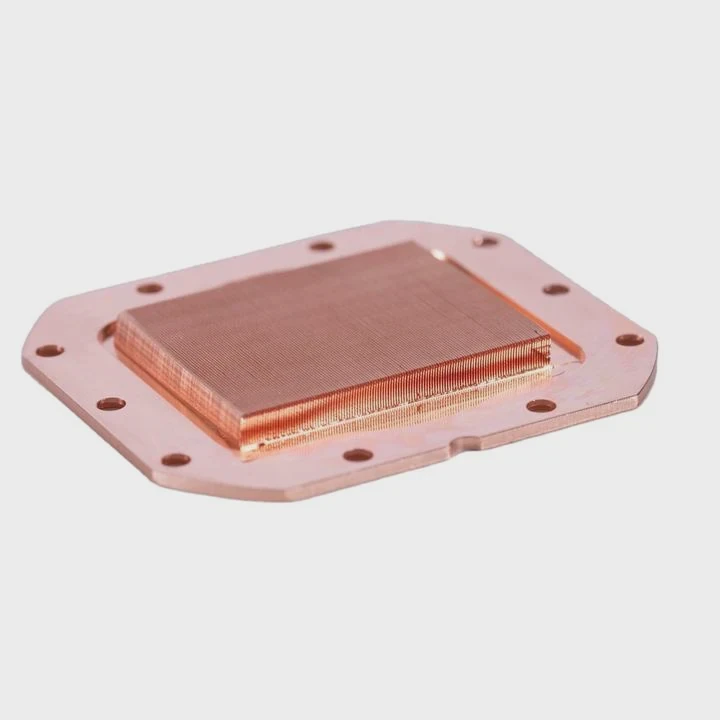
EV batteries often run hot during use. Without proper cooling, heat builds up fast. That causes performance loss or damage.
A proper heat sink helps move heat away from battery cells quickly. It keeps temperature stable and protects battery life.
Batteries in electric vehicles face strong thermal stress. If designers ignore that, the pack can overheat. In the next sections, we explore how much heat EV batteries generate, how different cooling methods compare, the effect of built‑in heat sinks, and rules that affect design.
What thermal loads do EV batteries typically generate?
EV battery packs can heat up quickly, especially during fast charging or hard acceleration. If the heat is not removed in time, battery cells may degrade faster or even fail.
EV battery packs typically dissipate from a few hundred watts to several kilowatts under heavy load. That heat must be removed quickly to keep cells safe.
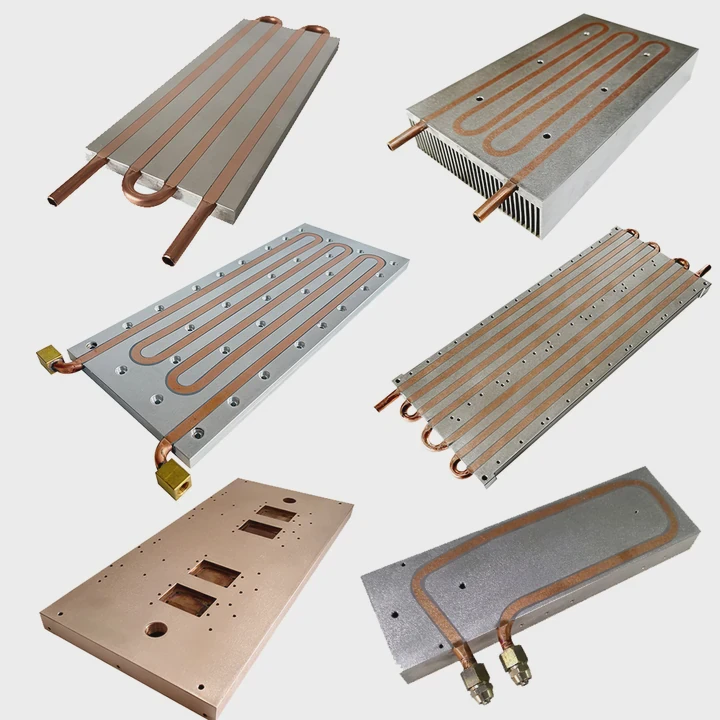
When an EV drives or charges fast, the battery produces heat. The heat is caused mainly by internal resistance. Even with high-efficiency lithium-ion cells, heat builds up rapidly when current is high. Under normal driving, a battery might generate 500–1500W of heat. Under extreme acceleration or DC fast charging, this can rise to 4000W or more.
Typical EV battery heat output
| Scenario | Power Output (kW) | Heat Dissipation (W) |
|---|---|---|
| Light driving | 10 – 30 | 200 – 800 |
| Normal cruise | 30 – 60 | 500 – 1500 |
| Heavy acceleration | 60 – 120 | 1000 – 3000 |
| Fast charging (DC) | — | 2000 – 5000 |
Battery chemistry matters too. Some cells, such as LFP (Lithium Iron Phosphate), may run cooler than NCA or NMC chemistries but still require careful thermal control. The shape and packaging of the pack influence heat concentration. Cells on the edge may cool faster, while those in the center may become hot spots.
Designers must always calculate heat under worst-case conditions. For instance, a car climbing a mountain on a hot day while fast charging at rest stops can easily push the pack to thermal limits. In such cases, relying only on natural convection isn’t enough. A heat sink must conduct heat away fast and evenly.
Temperature difference across the pack must be minimized. Even a 5–10°C variance can cause cell imbalance. That leads to shorter pack life and lower usable capacity. The next section compares heat sink designs with another cooling method—immersion cooling.
How do immersion cooling and heat sinks compare?
Choosing the right cooling method depends on thermal demand, space, cost, and weight. Some designers use immersion cooling, others prefer built-in heat sinks. Which is better?
Immersion cooling offers uniform, high-capacity heat removal. Heat sinks are simpler, lighter, and easier to integrate but handle lower peak loads.
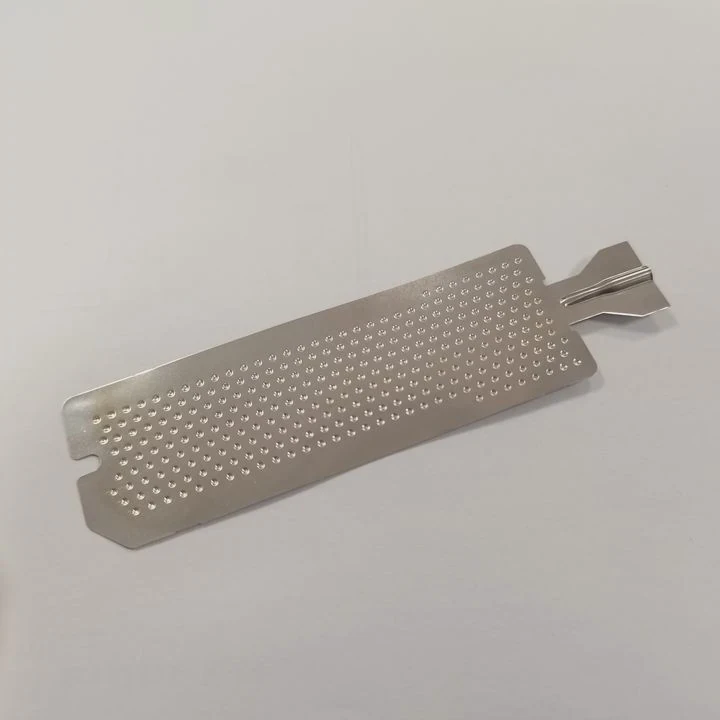
Immersion cooling means placing battery cells or modules inside a non-conductive cooling fluid. That fluid circulates through a heat exchanger, drawing heat away from all surfaces of each cell.
Heat sinks, on the other hand, are metal plates or fin structures that touch the battery casing or modules. They may be air-cooled or include embedded liquid channels.
Key Differences
| Attribute | Immersion Cooling | Heat Sink Cooling |
|---|---|---|
| Thermal capacity | Very high (uniform) | Moderate to high |
| System weight | High (fluid + tank) | Lower |
| Complexity | High | Low |
| Integration | Complex sealing needed | Easy to embed in module |
| Maintenance | Needs fluid management | Minimal |
Immersion is ideal for applications with very high and continuous loads—like EV buses or performance cars. The fluid draws heat from every side of the cell, creating uniform temperatures and reducing thermal gradients.
But immersion systems need sealed housings, pumps, reservoirs, and fluid-safe materials. They increase weight and cost. In contrast, heat sinks require no fluids, just solid thermal contact and sometimes a small pump for coolant loops.
Visual illustration
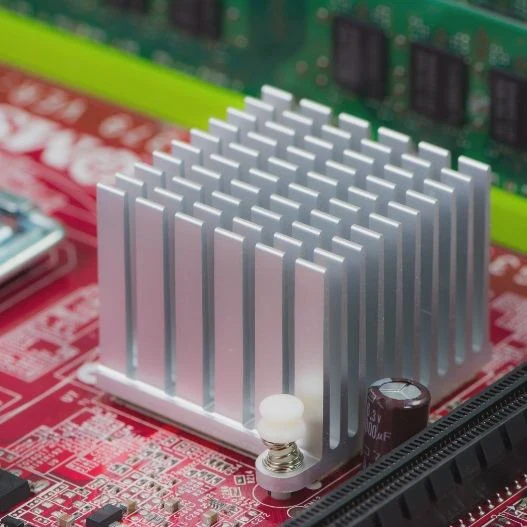
Heat sinks excel in compact EVs, hybrid electric vehicles, or low‑to‑mid-range electric cars. These vehicles usually don’t demand constant high current. With proper design, heat sinks can handle occasional spikes and prevent damage.
Some EV makers use hybrid systems—heat sinks for regular use and additional fluid loops for peak conditions. This balances cost, weight, and performance. Choosing between methods depends on space, cooling needs, and regulatory limits.
Can integrated heat sinks enhance battery lifespan?
EV batteries degrade faster at high temperatures. The higher the temperature and the longer it stays high, the shorter the battery’s life. Can heat sinks help?
Integrated heat sinks reduce cell temperature peaks and thermal cycling. That slows down battery degradation and helps maintain performance over time.
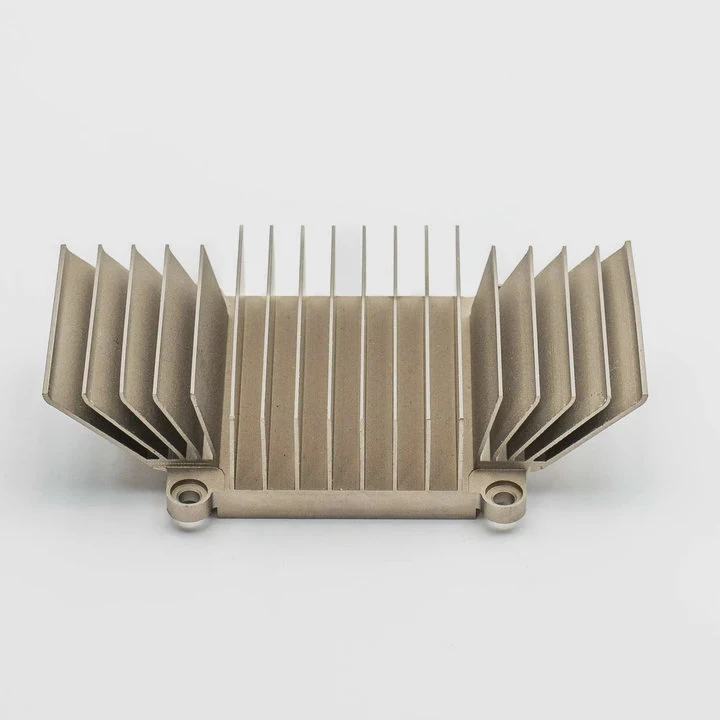
A good heat sink spreads heat quickly and evenly across modules. That reduces hot spots and helps all cells stay within optimal range—usually between 20°C to 35°C.
How heat affects battery life
- At 25°C: battery may last 8–10 years
- At 35°C: lifespan drops by 20–30%
- At 45°C+: accelerated aging and risk of thermal runaway
When temperature varies often, the battery expands and contracts. That causes mechanical stress on connections and seals. It’s called thermal cycling. Heat sinks reduce cycling frequency by keeping pack temperature stable.
Performance with vs. without heat sink
| Cooling Type | Average Cell Temp | Estimated Lifespan | Fade After 5 Years |
|---|---|---|---|
| No heat sink | 45–55°C | 6–7 years | ~20–25% |
| Basic fin heat sink | 35–45°C | 7–9 years | ~15–20% |
| Liquid cold plate | 30–40°C | 9–11 years | ~10–15% |
Heat sinks also improve balance among cells. If all cells are close in temperature, they age more evenly. That means the pack stays balanced longer and delivers consistent power output.
Another benefit is safety. Lower temperature reduces the chance of thermal runaway. If one cell fails, it’s less likely to trigger a chain reaction.
In short, a well-integrated heat sink protects the battery, increases lifespan, and reduces long-term cost for EV owners.
What regulations affect EV heat sink design?
Thermal systems in EVs don’t just need to perform—they must meet strict safety and compliance standards. These rules affect how heat sinks are designed and tested.
Regulations from global safety and transport bodies set thermal limits, fire protection and electromagnetic compliance. They shape heat sink materials, structure, and coolant systems.
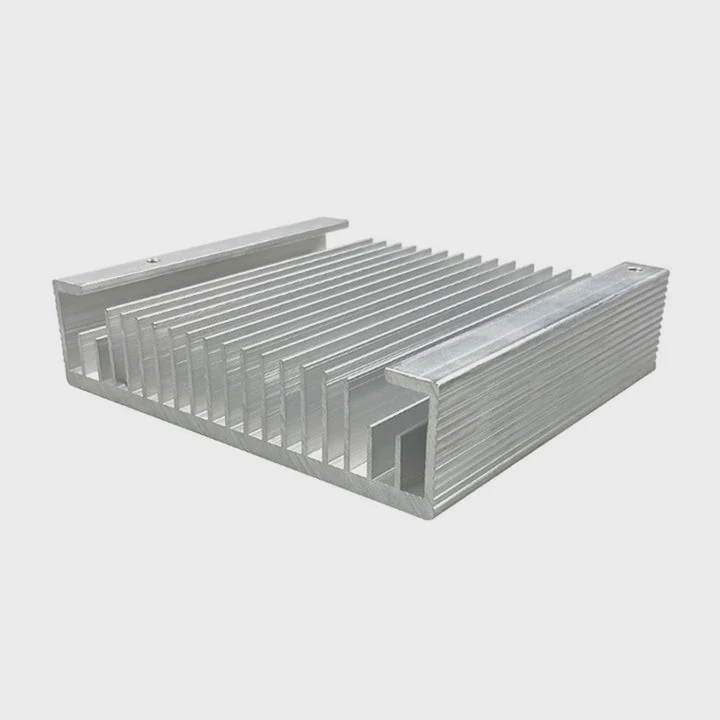
Several global standards govern EV battery systems:
Key regulatory areas
- Thermal safety: Packs must stay below critical temperature limits during use, charging, and in hot climates.
- Mechanical integrity: Cooling structures must survive vibration, shock, and crash conditions.
- Fire protection: Materials used must be non-flammable or self-extinguishing.
- Environmental compliance: Coolants and materials must not release harmful substances.
Important Standards and Codes
| Regulation / Standard | Area of Control | Key Impact on Design |
|---|---|---|
| UN ECE R100 | EV safety (Europe) | Thermal limit and crash |
| GB/T 31467 (China) | Battery thermal performance | Heat sink and test methods |
| ISO 26262 | Functional safety | Redundancy and fault limits |
| IEC 62660 | Battery cell testing | Temperature test results |
| SAE J2929 | Battery system design | Integration requirements |
Heat sink designs must withstand crash testing. Welds, thermal joints, or bonded parts must stay intact during deformation. Designers often use FEA simulations to validate mechanical safety before real testing.
If using liquid-cooled heat sinks, the coolant must be safe and not leak under vibration or aging. Most EVs use water-glycol mixtures, but immersion systems may use synthetic fluids which must comply with chemical transport laws.
Also, any electronic system integrated with cooling must not interfere with the car’s EMC profile. That means shielding, grounding, and material choice become crucial.
Design teams should plan for all tests early. Prototypes must pass environmental chamber tests, including extreme heat, cold, salt spray, and humidity.
By following the right standards, a heat sink design won’t just perform—it will also meet legal requirements across global markets. That’s vital for any OEM or supplier.
Conclusion
Integrated and efficient heat sinks play a critical role in EV battery packs. They control heat, improve cell life, and help pass strict safety rules. Whether using basic fins or liquid plates, the design must match the thermal load and meet global compliance needs.
TAGS
Latest Articles

Volume discount levels for heat sink orders?
Buyers often ask when heat sink prices start to drop with volume. Many worry they’re overpaying for small orders. This guide explains how B2B volume pricing works for thermal components. Heat sink
21 Dec,2025
Heat sink long-term supply contract options?
Many buyers want stable pricing and reliable delivery for heat sinks. But without a clear contract, risks grow over time. This article explores how to secure better long-term supply deals. Long-term
21 Dec,2025
Tooling cost for new heat sink profiles?
Many engineers struggle to understand why tooling for custom heat sinks costs so much. They worry about budgeting and production timelines. This article breaks down the cost drivers behind tooling.
21 Dec,2025
Heat sink custom sample process steps?
Sometimes, starting a custom heat sink project feels overwhelming—too many steps, too many unknowns, and too many risks. You want a sample, but not endless delays. The process for requesting and
20 Dec,2025
Standard B2B terms for heat sink payments?
When buyers and sellers in B2B heat sink markets talk about payment, many don’t fully understand what’s standard. This can lead to delayed orders, miscommunication, and even lost business
20 Dec,2025
Heat sink pricing factors for large orders?
Heat sinks are vital for many systems. When prices rise, projects stall and budgets break. This problem can hit teams hard without warning. Large order heat sink pricing depends on many factors. You
20 Dec,2025Related Articles
- Heat sink solutions for telecom base stations?
- Heat sink options for automotive electronics?
- Best geometry for compact heat sink?
- Heat sink airflow needs for cooling systems?
- Strongest material option for heat sink design?
- Can heat sink support heavy thermal loads?
- Industrial automation devices needing heat sink?
- Renewable energy inverters requiring heat sink?
- Heat sink performance in medical equipment?
- Heat sink selection for aerospace electronics?
- Heat sink usage in power distribution panels?
- Heat sink usable in coastal high-humidity areas?
Author
Dr. Emily Chen
Chief AI Researcher
Leading expert in thermal dynamics and AI optimization with over 15 years of experience in data center efficiency research.
Categories
Latest Products






Recommend Categories
- Liquid cooling plate Manufacturer
- Industrial Heat Sink Manufacturer
- Standard Heat Sink Manufacturer
- Aluminum Heat Sink Manufacturer
- Copper Heat Sink Manufacturer
- Anodized Heatsink Manufacturer
- Stamping heat sink Manufacturer
- Die Casting Heatsink Manufacturer
- Soldering heat sink Manufacturer
- CNC Parts Manufacturer
Latest Products
- Wholesale Aluminum Radiator
- Water Cooling Plate Kit
- Water Cooling Heat Sink
- Water Cooling Heat Sink Kit
- Stainless Steel Water Distributor
- Server Water Cooling Plate Kit
- Server Liquid Cooling System
- Server Aluminum Cooling Kit
- S19 Full Cover Cooling Plate
- S19 Cooling Plate Kit
- S19 Aluminum Cooling Plate
Contact Expert
Have questions about this article? Reach out to our experts directly.