Minimum flatness needed for heat sink bases?
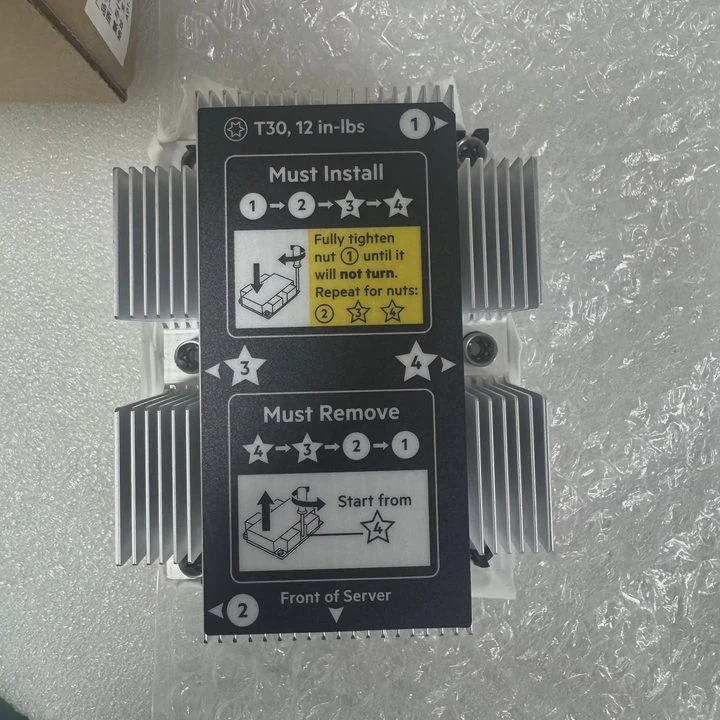
Electronics often fail because heat sinks do not sit flat. Slight warping or uneven bases can trap heat and reduce lifespan.
A flat base makes proper contact and ensures efficient thermal transfer between device and sink.
Understanding the needed flatness helps designers and manufacturers avoid hidden thermal bottlenecks.
If you care about real thermal performance, keep reading.
How is base flatness measured in production?
A warped base may slip past visual inspection. Simple tools may miss tiny deviations.
Producers measure flatness using precise tools like surface plates, dial gauges, CMM or laser scanners to detect micrometer‑level deviations.
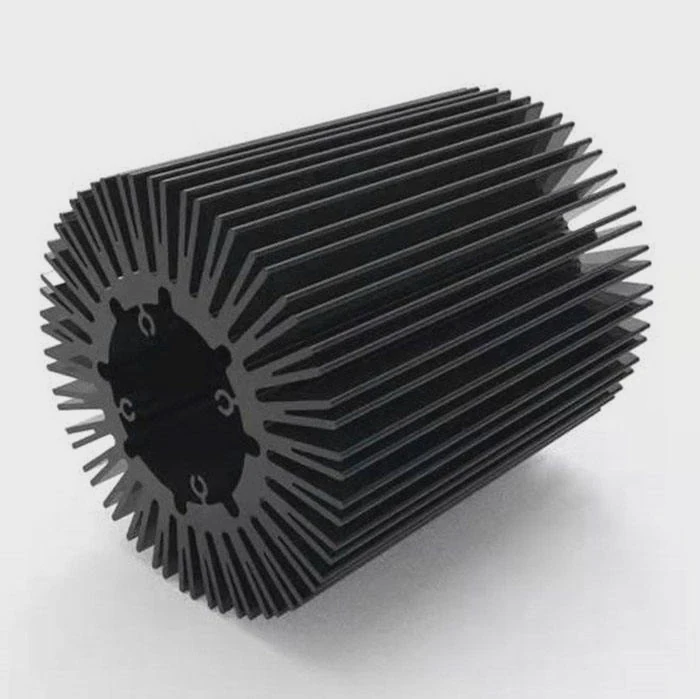
When a batch arrives from manufacturing, workers or inspectors place each heat sink base face‑down on a certified surface plate. Then they check for gaps or deviations by sliding feeler gauges or using a flatness gauge. In higher precision settings, a coordinate measuring machine (CMM) or a laser scanner maps the entire base surface.
Common Measurement Methods
| Method | Typical Resolution | Pros | Cons |
|---|---|---|---|
| Surface plate + dial gauge / feeler gauge | ~ 0.01 mm | Simple, low cost, widely available | Only point‑by‑point check, may miss local warping |
| Feeler gauge across multiple points | ~ 0.02 mm | Quick, easy for small sinks | Limited sampling, potential for human error |
| CMM (3‑axis contact or non-contact) | ~ 0.005 mm | Full surface scan, precise | Expensive, needs trained operator |
| Laser / optical scanner | ~ 0.002–0.005 mm | Fast, high density of measurement points | Needs calibration, sensitive to surface finish |
Typical Procedure in a Factory
- Clean the base surface to remove dust or residues.
- Place the heat sink base on a certified flat granite or cast‑iron surface plate.
- Use a dial indicator or feeler gauges at multiple points: corners, center, along diagonals. Record the maximum gap or deviation.
- For critical parts, run a full surface scan via CMM or laser scanner. Generate a flatness deviation map.
- Compare measured deviation against tolerance specification. Accept or reject accordingly.
Many factories include this in their quality control report. They log date, part ID, and measured deviation. This allows traceability and batch control.
Why Sampling Matters
If only a few points are checked, a local bump or dip can be missed. Over time, such irregularities cause poor contact at key spots. A full scan ensures even small warping is found. For high‑power or high‑reliability applications, this is crucial.
In short, measurement method affects reliability of flatness data. For tight flatness requirements, full‑surface scanning gives best assurance.
Why does flatness matter in thermal transfer?
Even tiny gaps between a heat sink base and a heat source can block heat flow. That kills thermal efficiency.
Flatness ensures full surface contact, which enables even heat conduction and lower thermal resistance across the interface.
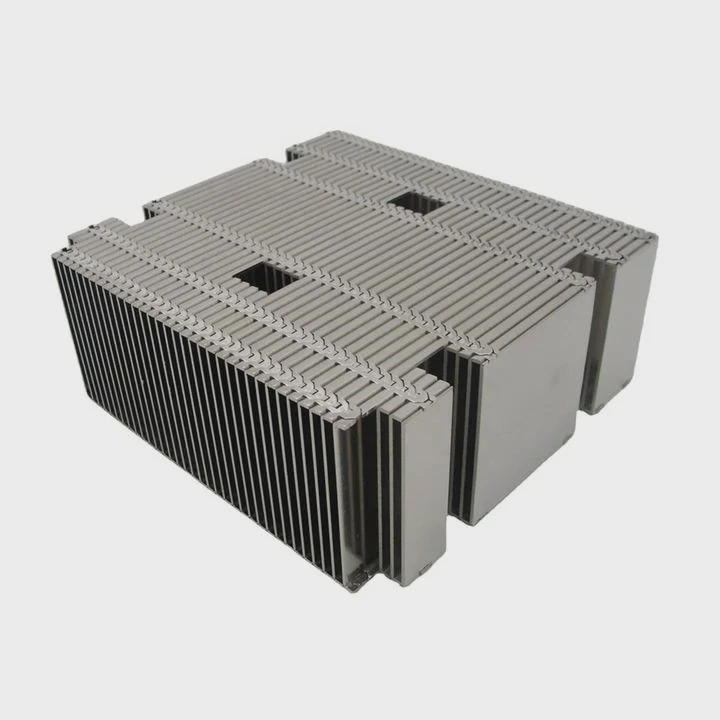
If the base sits unevenly on the heat source (such as a chip, power module, or cold plate), only parts of the base touch. Areas with no contact act like insulators. Even with thermal interface material (TIM), voids or air gaps remain. These gaps raise thermal resistance. The result: hotspots, uneven temperature distribution, reduced cooling efficiency.
How Surface Contact Affects Heat Flow
Thermal conduction from device to sink depends on contact area and pressure. A flat base maximizes contact area and ensures uniform pressure when bolted. Warped or uneven base leads to:
- Lower real contact area
- Variable pressure — some regions pressed, others loose
- Higher reliance on TIM thickness, which adds thermal resistance
If contact is poor, TIM must be thicker to fill gaps. Thicker TIM layers reduce conduction efficiency. Also, uneven pressure can cause TIM to spread unevenly, creating thin spots and thick spots. Thin spots over bare metal increase conduction locally but may stress the junction. Thick spots block conduction.
Real‑world Impact in Thermal Resistance
In a simple test, two otherwise identical sinks were used: one with a lapped flat base (deviation < 0.01 mm), another with a warp of ~ 0.05 mm over width. With same TIM and clamping force, the warped base showed an increase in thermal resistance by ~ 15–25%. That rise means junction temperature on the device might run 5–10 ℃ higher under heavy load. Over time, that reduces lifespan.
Because many devices run at tight thermal margins, even small losses in conduction matter. Flat base ensures predictable, reliable thermal performance.
Can base warping reduce performance?
At first glance, a small warp may seem harmless. In practice, warping often degrades performance steadily.
Yes. A warped or bent base can cause uneven contact, which reduces conduction, creates hotspots, and may lead to thermal failure or efficiency loss over time.
How Warping Occurs
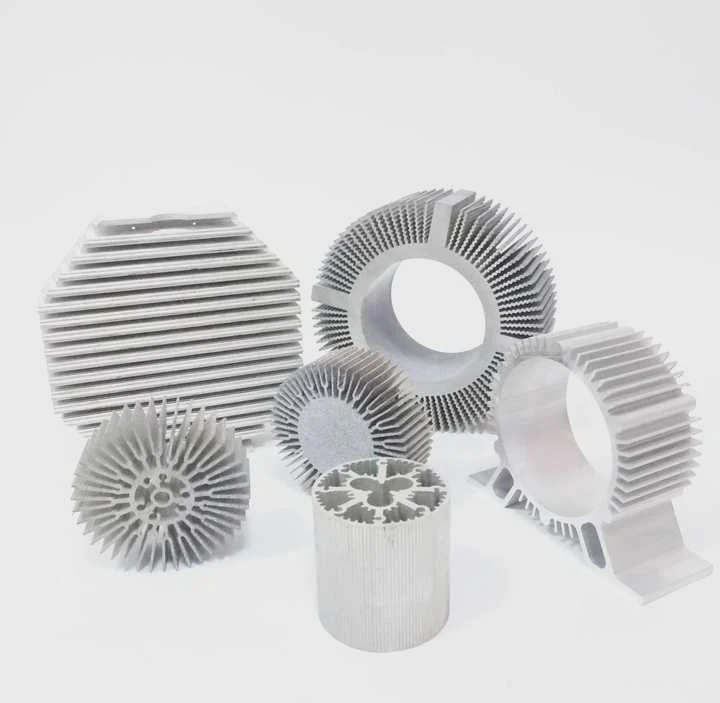
Warping may develop during manufacturing, especially if the heat sink is thick, or if stress is uneven during machining or extrusion. When machining a large base, uneven material removal or over‑heating during cutting can cause residual stress. After release, the part may bend slightly. Also, during welding or soldering (for heat pipe sinks), solder or joint shrinkage can pull the base off planar.
Even after quality control, transport, mounting, or thermal cycles can worsen warping. If mounting screws tighten unevenly, or if base and device have different thermal expansion, bending may increase over time.
Effects on Performance Over Time
- Hotspots: Regions with poor contact heat slower. That raises local temperature. Components near hot zones degrade faster.
- Increased TIM thickness: In gap areas, TIM must be thicker to fill voids. That raises thermal resistance. The sink cannot pull away heat effectively.
- Mechanical stress: Uneven pressure may warp the sink further or stress the device below.
Example Case
- A power module runs at 200 W. With ideal flat sink, junction‑to‑case ΔT is 20 ℃.
- With a warped base, contact area drops ~20%. Effective thermal path becomes less efficient. ΔT rises to 30 ℃. That reduces thermal margin for the system. If ambient also high, device may overheat.
- Under repeated thermal cycling (power on/off), the stress can open micro‑voids in contact interfaces. Over months, performance degrades further.
Thus, warping can slowly but surely degrade thermal performance and reliability, even if the sink looked fine at first installation.
What standards define acceptable flatness levels?
Many industries have standards or guidelines for base flatness. Acceptable tolerance depends on sink size, application, and heat load.
Standards and industry specs often demand flatness between 0.01 mm and 0.05 mm over base length for typical heat sinks; stricter tolerances apply in aerospace, power electronics, or precision systems.
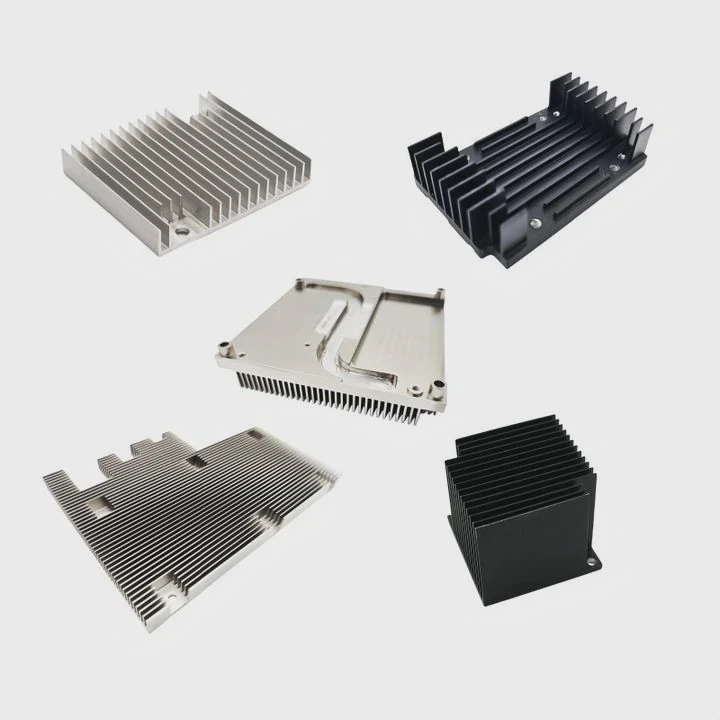
Typical Flatness Tolerances by Application
| Application Area | Typical Flatness Tolerance | Reason for Tight Control |
|---|---|---|
| Consumer PC CPU/GPU coolers | 0.02–0.05 mm over ~50–70 mm | Balanced cost and performance |
| High‑power LED modules | 0.01–0.03 mm over base | Avoid hotspots, ensure uniform contact |
| Industrial power electronics | 0.01–0.02 mm over base | High thermal load, continuous operation |
| Aerospace / Avionics | 0.005–0.015 mm over base | High reliability, variable environment |
| Semiconductor / precision modules | 0.005–0.02 mm | Need tight, consistent thermal contact |
Many OEMs or vendors mention tolerances in their procurement specs. For example, some power inverter makers specify base flatness “≤ 0.02 mm across any 100 mm span.” Others state “total indicated runout (TIR) ≤ 0.04 mm.” Military or aerospace standards may demand even tighter runout, such as 0.01 mm or less, to avoid micro‑gaps under vibration and thermal cycling.
How Standards Are Defined
Some standards come from general mechanical drawing and machining norms: for example, geometric tolerance guidelines in mechanical design standards define flatness, parallelism, perpendicularity. These give manufacturing engineers common language to specify allowable deviations.
In thermal parts, the flatness spec is often part of the drawing’s technical requirements. The designer chooses tolerance based on:
- Size of base
- Required clamping pressure
- Type of TIM (gap‑filling grease, pad, solder)
- Heat flux density
- Expected environmental stress and thermal cycles
Often tolerance is tighter when TIM is thin (e.g. thermal grease on a power IC), compared to thicker TIM or soldered bases.
Inspecting Against Standards
When a batch arrives, quality control compares measured flatness against drawing spec. If deviation exceeds spec, the part is rejected or reworked (e.g. lapped or milled flat). Some producers include certification documents: measurement map + compliance statement. This helps in audits or traceability, especially for high‑reliability customers.
In summary, acceptable flatness is not universal. It depends on design needs. But following industry norms or stricter internal specs helps maintain thermal reliability and reduces risk of hotspots, thermal failure, or long‑term degradation.
Conclusion
A heat sink base needs precise flatness for reliable thermal performance. Proper measurement, careful manufacturing, and appropriate tolerance standards help ensure heat sinks make full contact. Tight flatness tolerance makes cooling efficient and systems stable in long‑term use.
TAGS
Latest Articles

Volume discount levels for heat sink orders?
Buyers often ask when heat sink prices start to drop with volume. Many worry they’re overpaying for small orders. This guide explains how B2B volume pricing works for thermal components. Heat sink
21 Dec,2025
Heat sink long-term supply contract options?
Many buyers want stable pricing and reliable delivery for heat sinks. But without a clear contract, risks grow over time. This article explores how to secure better long-term supply deals. Long-term
21 Dec,2025
Tooling cost for new heat sink profiles?
Many engineers struggle to understand why tooling for custom heat sinks costs so much. They worry about budgeting and production timelines. This article breaks down the cost drivers behind tooling.
21 Dec,2025
Heat sink custom sample process steps?
Sometimes, starting a custom heat sink project feels overwhelming—too many steps, too many unknowns, and too many risks. You want a sample, but not endless delays. The process for requesting and
20 Dec,2025
Standard B2B terms for heat sink payments?
When buyers and sellers in B2B heat sink markets talk about payment, many don’t fully understand what’s standard. This can lead to delayed orders, miscommunication, and even lost business
20 Dec,2025
Heat sink pricing factors for large orders?
Heat sinks are vital for many systems. When prices rise, projects stall and budgets break. This problem can hit teams hard without warning. Large order heat sink pricing depends on many factors. You
20 Dec,2025Related Articles
- Required tolerance for machined heat sink?
- What alloy is best for heat sink extrusion?
- Heat sink maximum operating temperature rating?
- How to verify Vapor Chamber quality certifications?
- Minimum order quantity for Vapor Chamber?
- Vapor Chamber heat resistance test report?
- Can heat sink support heavy thermal loads?
- Strongest material option for heat sink design?
- Heat sink airflow needs for cooling systems?
- Best geometry for compact heat sink?
- Heat sink options for automotive electronics?
- Heat sink solutions for telecom base stations?
Author
Dr. Emily Chen
Chief AI Researcher
Leading expert in thermal dynamics and AI optimization with over 15 years of experience in data center efficiency research.
Categories
Latest Products






Recommend Categories
- Liquid cooling plate Manufacturer
- Industrial Heat Sink Manufacturer
- Standard Heat Sink Manufacturer
- Aluminum Heat Sink Manufacturer
- Copper Heat Sink Manufacturer
- Anodized Heatsink Manufacturer
- Stamping heat sink Manufacturer
- Die Casting Heatsink Manufacturer
- Soldering heat sink Manufacturer
- CNC Parts Manufacturer
Latest Products
- Wholesale Aluminum Radiator
- Water Cooling Plate Kit
- Water Cooling Heat Sink
- Water Cooling Heat Sink Kit
- Stainless Steel Water Distributor
- Server Water Cooling Plate Kit
- Server Liquid Cooling System
- Server Aluminum Cooling Kit
- S19 Full Cover Cooling Plate
- S19 Cooling Plate Kit
- S19 Aluminum Cooling Plate
Contact Expert
Have questions about this article? Reach out to our experts directly.