can i use heatsink from i5 on i7?
I meet many PC builders who want to reuse an old cooler when they upgrade from an i5 to an i7. I did the same thing many times, and I learned that the answer is not always simple.
You can use an i5 heatsink on an i7 only when the cooler can handle the higher heat load, fits the same socket, and keeps stable contact; the match depends on TDP, mounting, and airflow.
I want to show you the lessons I learned after swapping coolers across many Intel builds so you can choose a safe setup that keeps your system cool and stable.
Why TDP matters for compatibility?
TDP tells you how much heat the CPU can produce under load. An i7 often pushes more heat than an i5 because it has more cores or higher boost. A cooler must handle this extra heat.
TDP matters because a heatsink made for a lower-power i5 may not remove heat fast enough from a hotter i7, so matching cooler capacity to CPU heat load avoids thermal throttle.
When I upgraded one of my systems from an older i5 to a stronger i7, I reused the small stock heatsink. The system booted and ran fine at first, but under a long load it became warm fast. The i7 hit its warm zone and slowed down. This showed me that TDP is the main factor.
How TDP affects cooling load
Here is a simple table that sums up the idea:
| CPU Class | Typical TDP | Cooling Difficulty |
|---|---|---|
| i5 (older gens) | Low to medium | Easy |
| i7 (same gen) | Medium to high | Hard |
| i7 (newer gens) | Higher boost | Very hard |
Why small sinks fail on high TDP
A small aluminum block works fine for light heat loads. But an i7 warms up fast when all cores boost. If the heatsink cannot absorb and release heat fast enough, the heat collects. The CPU’s safety system lowers speed to protect itself.
I saw this clearly when running long video encodes. The i7 ran hot while the small heatsink struggled. A larger cooler fixed the issue at once.
Why TDP is not the whole story
Two CPUs with the same TDP may behave differently. Some i7 chips boost higher for short bursts and create short, intense heat spikes. A weak cooler may fall behind during these bursts. That is why I always test real loads instead of relying only on numbers.
How to judge cooler ability
I check cooler size, fin count, heat pipe count, and fan strength. These show how much heat the cooler can move. A cooler from a low-end i5 may not match the heat of a high-end i7. Matching the cooler to the task avoids long-term thermal issues.
Which generations share mounts?
Even when a heatsink is strong enough, it must fit the CPU socket. Intel reuses many mounting layouts, but not all. I learned this when I tried to fit an older cooler on a newer board.
Many Intel i5 and i7 generations share the same LGA socket pattern, but some older or newer models use different hole spacing, so compatibility depends on matching the exact socket type.
The mounting holes define whether the cooler fits. Even a strong cooler cannot work if the mounting plate does not match the board. This is why I always check the socket code before using an old cooler.
Mount compatibility overview
| Socket | Mount Type | i5 / i7 Share? |
|---|---|---|
| LGA115x series | Same pattern | Yes |
| LGA1200 | Same as 115x | Yes |
| LGA1700 | New pattern | No with old coolers |
| LGA2011/2066 | Different pattern | No |
What I learned from cooler swaps
When I worked with LGA1155 and LGA1151 boards, I swapped coolers across many CPUs. They all fit because the spacing was the same. But when I built a new system with an LGA1700 chip, none of my old coolers fit without a new bracket.
This taught me that mount type matters as much as heat capacity.
Why bracket kits help
Some cooler makers offer bracket kits that allow old coolers to fit new sockets. I used these kits more than once. A kit solves the mount issue, but you must still check if the cooler can handle i7 heat.
Why board spacing affects pressure
Even if the holes line up, the height of the socket and the thickness of the CPU may change. This changes pressure on the heatsink. If the pressure becomes uneven, the cooler may tilt. I always check for strong and even contact before booting.
Can weaker sinks cause throttling?
Many people ask whether a small heatsink can cool an i7 under light use. The system may run fine during simple tasks. But heavy load tells the truth.
Weak heatsinks can cause throttling because they cannot move heat away fast enough from an i7 under boost, so the CPU lowers speed to stay safe, even when the system seems fine at idle.
I tested an i7 with a very small cooler. At idle, the numbers looked fine. But when I ran a heavy game, the temperature rose within seconds. The cooler could not keep up. The CPU dropped frequency. The frame rate fell. This is classic thermal throttle.
Throttle behavior patterns
| Activity | Heat Level | Impact on Weak Cooler |
|---|---|---|
| Idle work | Low | No problem |
| Game loads | Medium | Rising temp |
| Heavy games | High | Throttle likely |
| Long workstation loads | Very high | Throttle certain |
Why throttle is dangerous long term
Throttle protects the CPU, but repeated high-heat cycles stress the cooler. Over time, the fan wears out. Paste dries faster. Heat spreads unevenly. I saw this when a friend’s old cooler warped slightly from long heat cycles.
Why weak sinks struggle with boost
An i7 boosts higher than an i5. The boost creates sharp heat spikes. A weak cooler cannot absorb these spikes fast enough. Heat builds up. The CPU reacts by dropping speed.
When I swapped to a larger heatsink, these spikes flattened. The CPU stayed cool enough to keep stable boost.
When a weak cooler might still work
If you use the system only for light tasks like browsing or office work, a small i5 cooler might handle an i7. But if you ever use heavy tasks, you risk sudden throttle. I always pick a cooler that gives headroom, not just minimal support.
Should fan curves be adjusted?
Even with a good cooler, fan control affects performance. Fan curves decide how fast the fan spins at certain temperatures. A poor curve may let the cooler fall behind.
Adjusting fan curves helps because faster fan response removes heat sooner, keeps the i7 in a lower temperature band, and prevents the cooler from getting overwhelmed during boost.
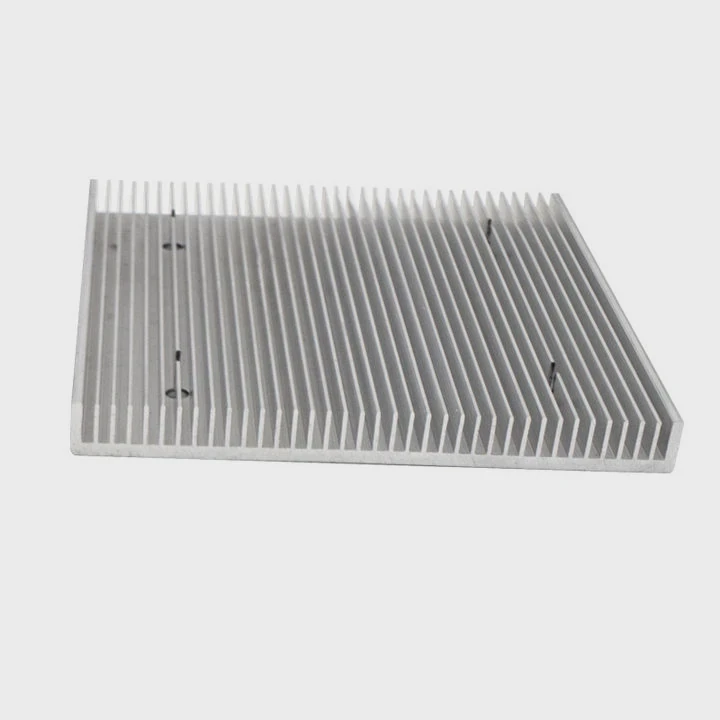
I changed my fan curve many times across builds. I learned that a slow curve makes the CPU warm up before the fan reacts. A fast curve improves cooling at once.
Fan curve examples
| Curve Type | Strength | Weakness |
|---|---|---|
| Slow curve | Quieter | Runs warm |
| Balanced curve | Good cooling | Mild noise |
| Aggressive curve | Very cool | Louder |
| Custom high-start curve | Fast response | May be too strong for some users |
Why quick ramp-up helps
The i7 heats up fast. When the fan waits too long, the cooler gets hot before airflow increases. This makes throttle more likely. A curve that starts earlier keeps the cooler cold and ready.
I prefer a curve where the fan rises at a moderate rate between 50°C and 70°C. This catches heat spikes early.
Why noise trade-offs matter
Some users hate fan noise. A stronger curve makes more sound. But heat control is more important for CPU health. I tune my curve so the fan stays quiet at idle but responds fast under load.
Why you should test curves under load
I always test the system with a long load after setting my curve. I watch the temperature graph. If the line rises too fast, I increase fan speed earlier. This simple change prevents slowdowns during games or work tasks.
Why curves matter even with a strong cooler
Even a big cooler needs airflow. Without airflow, the fins heat up. A tuned fan curve moves air through the fins at the right time. This keeps the cooler performing at its best.
Conclusion
You can reuse an i5 heatsink on an i7 only when it fits the socket, handles the higher heat load, and works with a tuned fan curve. With the right setup, your i7 stays cool, stable, and ready for heavy tasks.
TAGS
Latest Articles

Volume discount levels for heat sink orders?
Buyers often ask when heat sink prices start to drop with volume. Many worry they’re overpaying for small orders. This guide explains how B2B volume pricing works for thermal components. Heat sink
21 Dec,2025
Heat sink long-term supply contract options?
Many buyers want stable pricing and reliable delivery for heat sinks. But without a clear contract, risks grow over time. This article explores how to secure better long-term supply deals. Long-term
21 Dec,2025
Tooling cost for new heat sink profiles?
Many engineers struggle to understand why tooling for custom heat sinks costs so much. They worry about budgeting and production timelines. This article breaks down the cost drivers behind tooling.
21 Dec,2025
Heat sink custom sample process steps?
Sometimes, starting a custom heat sink project feels overwhelming—too many steps, too many unknowns, and too many risks. You want a sample, but not endless delays. The process for requesting and
20 Dec,2025
Standard B2B terms for heat sink payments?
When buyers and sellers in B2B heat sink markets talk about payment, many don’t fully understand what’s standard. This can lead to delayed orders, miscommunication, and even lost business
20 Dec,2025
Heat sink pricing factors for large orders?
Heat sinks are vital for many systems. When prices rise, projects stall and budgets break. This problem can hit teams hard without warning. Large order heat sink pricing depends on many factors. You
20 Dec,2025Related Articles
- What is heatsink in computer?
- what to do if secondary heatsink is too high?
- how do heatsink launchers work?
- does gpu heatsink have liquid?
- Does Ryzen come with heatsink and compound?
- how to remove thermal compound from heatsink?
- how to clean zalman cpu heatsink?
- is a heatsink required for ps5?
- can cpu run without heatsink?
- how to remove an amd heatsink?
- Will Samsung 990 Pro with heatsink fit in a laptop?
- do i need heatsink for m 2 ssd?
Author
Dr. Emily Chen
Chief AI Researcher
Leading expert in thermal dynamics and AI optimization with over 15 years of experience in data center efficiency research.
Categories
Latest Products
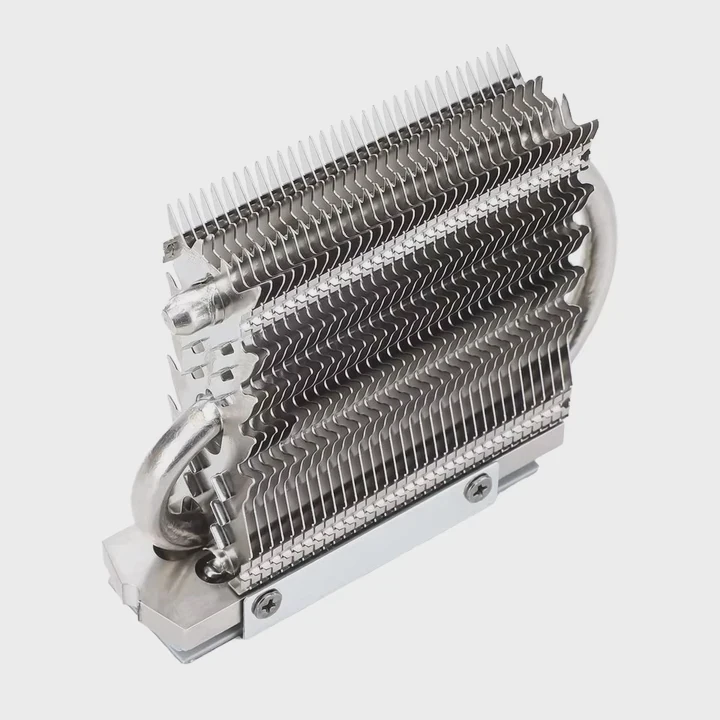
M.2 Heatpipe Heatsink With Dual Fans For Pc Case
19 Mar,2026
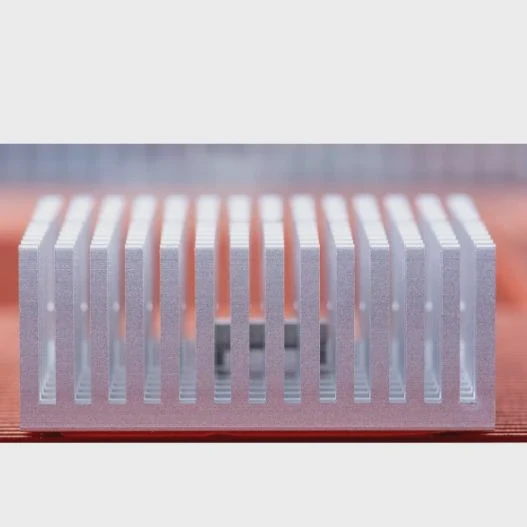
Heavy-Duty Aluminum Heat Sink Custom
19 Mar,2026
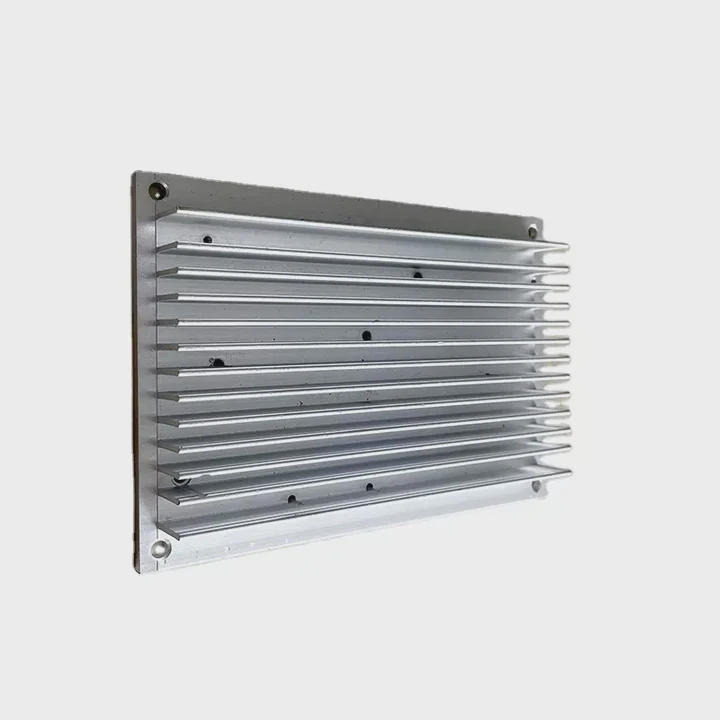
Oem Skived Fin Heatsink Aluminum Radiator For Plants
19 Mar,2026
Water Cooled Cnc Aluminum Heat Sink For Medical
19 Mar,2026
High Density 6000 Series Aluminum Heat Sink Profile
19 Mar,2026
High-Density Extruded Aluminum & Bonded-Fin Heat Sink Profile
19 Mar,2026
Recommend Categories
- Liquid cooling plate Manufacturer
- Industrial Heat Sink Manufacturer
- Standard Heat Sink Manufacturer
- Aluminum Heat Sink Manufacturer
- Copper Heat Sink Manufacturer
- Anodized Heatsink Manufacturer
- Stamping heat sink Manufacturer
- Die Casting Heatsink Manufacturer
- Soldering heat sink Manufacturer
- CNC Parts Manufacturer
Latest Products
- M.2 Heatpipe Heatsink With Dual Fans For Pc Case
- Heavy-Duty Aluminum Heat Sink Custom
- Oem Skived Fin Heatsink Aluminum Radiator For Plants
- Water Cooled Cnc Aluminum Heat Sink For Medical
- High Density 6000 Series Aluminum Heat Sink Profile
- High-Density Extruded Aluminum & Bonded-Fin Heat Sink Profile
- Dongguan Cnc Aluminum Heat Sink For Led & Brass Parts
- Wholesale Cnc Aluminum Heat Sink - Custom Extruded
- Led Cnc Round Heat Sink With Screw Holes
- Copper Pin-Fin Heat-Sink Large-Area For Photoled Cooling
- Telecom Heatsink Zipper Fin Wcopper Tubes Oem
Contact Expert
Have questions about this article? Reach out to our experts directly.