what to do if secondary heatsink is too high?
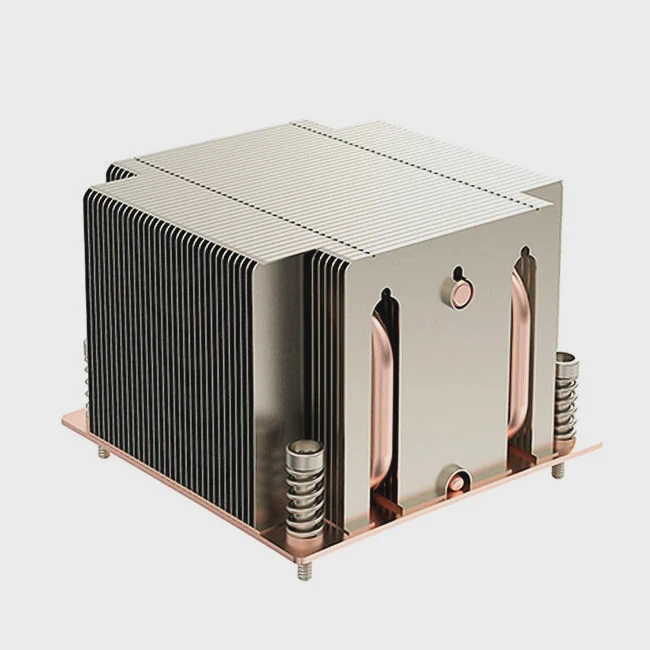
I often meet builders who discover a simple problem after assembly: the secondary heatsink is too tall and blocks other parts.
When a secondary heatsink is too high, you must check the clearance, measure true height, consider low-profile replacements, or adjust airflow with angled fans. A safe fix needs correct spacing and stable cooling.
I want to show you how I handle this problem step by step.
Why clearance conflicts occur?
I see many people run into clearance issues because they trust product photos instead of actual measurements.
Clearance conflicts occur when the secondary heatsink is taller than nearby parts, overlaps airflow paths, or blocks components like GPU backs, RAM sticks, or case panels.
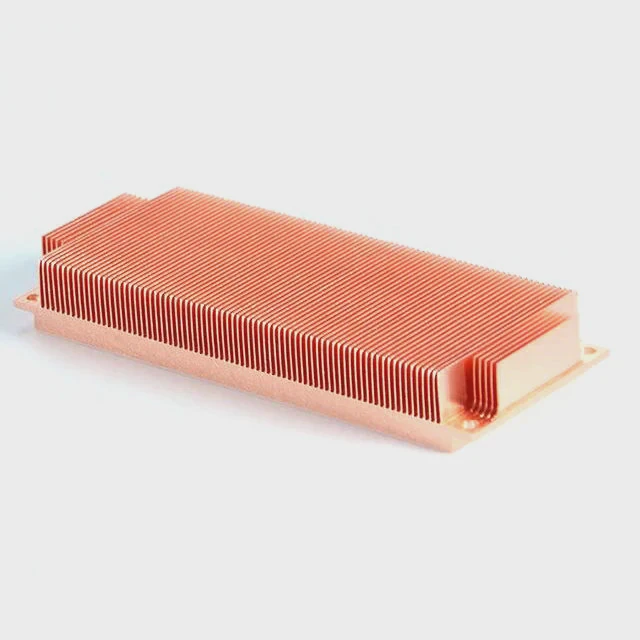
I want to show you why these conflicts happen in real builds so you can avoid them.
Why heights do not match
Every board lays out components in a different way. VRMs, chokes, capacitors, and sinks vary in size. When you add a secondary sink, it may touch a GPU backplate or sit too close to tall RAM. Some cases also taper inward, reducing space.
Typical conflict sources table
| Conflict Source | Why It Happens | Result |
|---|---|---|
| GPU backplate | Tight spacing | Sink hits GPU edge |
| RAM height | Tall modules | Sink cannot fit under sticks |
| Case panel | Narrow width | Panel presses on sink |
| Fan shrouds | Overlapping zone | Sink blocks blades |
How pressure causes more trouble
Even a tiny press against a sink can tilt it. A tilt weakens thermal contact. If the sink touches metal edges, it can vibrate. Vibration slowly breaks tape bonds and can even cause short contact if the sink is conductive.
How I learned this
One time, I added a tall sink on a VRM phase next to the GPU. When I installed the GPU, the backplate pressed the sink by a few millimeters. I ignored it. After a week, the sink shifted sideways. VRM temps spiked. I removed the sink, trimmed the height with a low-profile model, and the system ran fine. This taught me to check clearance early.
How to measure proper height?
Many builders guess the needed height. Guessing often leads to mistakes.
You measure proper heatsink height by checking vertical clearance with calipers, comparing component stacks, and allowing space for cables, airflow, and small movements. True height includes the sink, the adhesive, and any tilt margin.
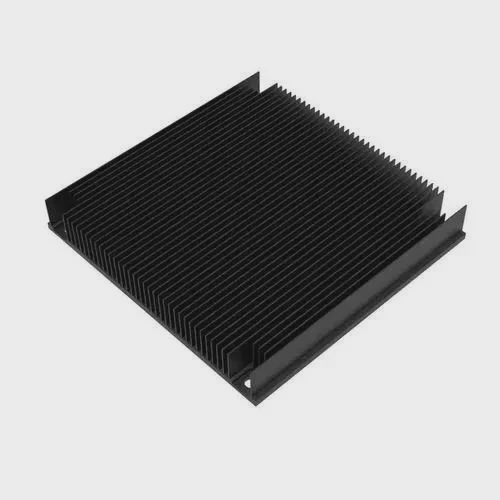
I want to show you a simple method that works every time.
How to check height
I place the board on a flat surface. I measure from the PCB to the lowest point of the nearby part that might conflict. Then I subtract the MOSFET height. The difference is the maximum sink height. I also subtract a small margin for safety. Adhesives add about 0.3–1 mm, so I include that.
Height check table
| Item | Typical Height | Notes |
|---|---|---|
| MOSFET top | 1–2 mm | Varies by model |
| Thermal pad | 0.5–1.5 mm | Thicker pads lift sink |
| Thermal tape | 0.3–0.5 mm | Lower lift |
| Safe margin | 1–2 mm | Prevents collision |
Why margin matters
A sink may shift slightly during installation. A board may flex during GPU insertion. A cable might push lightly on the sink. A safe margin keeps everything clear even when small changes happen.
Why airflow space counts
Even if the sink fits, it may block airflow. A tall sink can disturb the path of a fan. I always check the airflow direction and make sure the sink does not sit too close to fan blades or intake zones.
My setup
I once measured everything except the thermal pad thickness. The pad lifted the sink and caused a RAM conflict. After I switched to a thinner pad, the sink cleared by a few millimeters and stayed stable. That moment reminded me to include every layer in the height count.
Can low-profile sinks replace tall ones?
Many people worry that switching to a flatter sink will weaken cooling.
Low-profile heatsinks can replace tall ones when they use more surface area, better material, or wider fin layout. A shorter sink with good spread often cools as well as a tall sink.
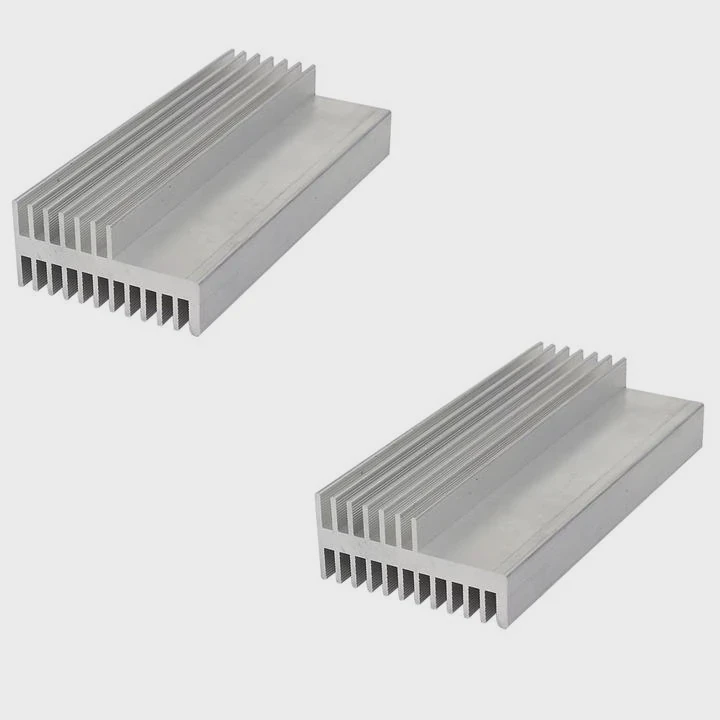
I want to explain why height is not the only factor that matters.
Why low height still cools
Cooling depends on surface area and airflow, not just height. A wide sink spreads heat better. Copper spreads heat faster than aluminium. Even a short fin design can move heat well when air flows across it.
Sink performance table
| Sink Type | Height | Cooling Potential |
|---|---|---|
| Tall fin sink | High | Strong if airflow is good |
| Low-profile wide sink | Low | Strong with wide base |
| Flat copper plate | Very low | Good spread, needs airflow |
| Thin adhesive sink | Very low | Basic cooling only |
How to choose a replacement
I compare the base size first. A wide base touches more of the MOSFET top. Then I check fin area. Even short fins work well if they are many and spaced well. I also look at material. Copper bases behave better than thin aluminium tape sinks.
When low-profile sinks work best
If the airflow comes from a front fan, a short sink with broad fins works great. Air sweeps across the top and carries heat away fast. Tall sinks sometimes block air or create dead spots.
My real test
I once replaced a tall VRM sink with a copper low-profile plate. The temps did not rise. In fact, with better airflow the temps dropped by 4–6°C. That surprised me and taught me that height is only one part of cooling.
Do angled fans improve fit?
When a secondary heatsink sits too close to other parts, airflow becomes tricky.
Angled fans improve fit by shifting airflow direction away from conflicts, clearing space around tall components, and helping cool low-profile sinks more evenly.
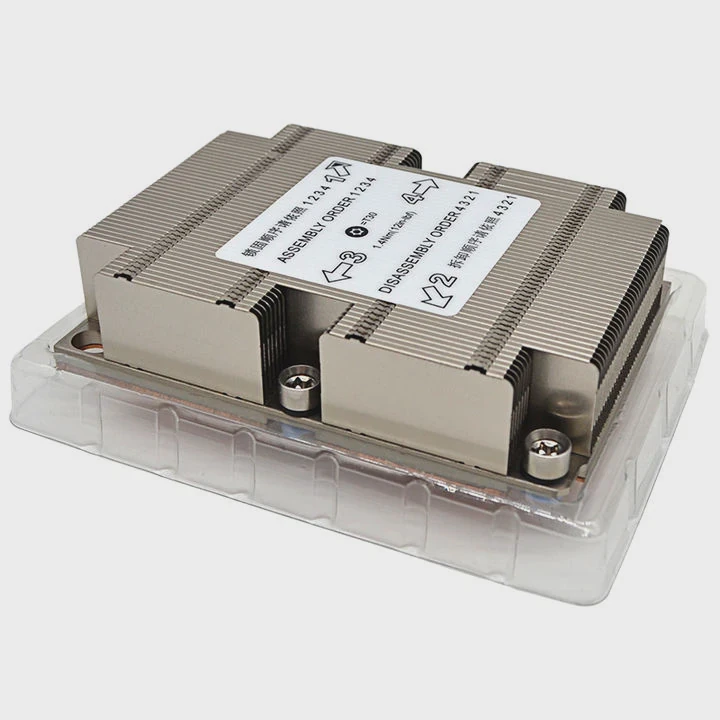
Let me show you where angled fans help and where they do not.
Why angled fans help
When I tilt a fan by a few degrees, air flows under or around nearby parts. This protects clearance. A small tilt can push air directly onto a low-profile sink. It avoids blowing into a GPU backplate or RAM stick.
Angled fan benefit table
| Angle | Benefit | Notes |
|---|---|---|
| 5–10° | Minor | Clears edges |
| 15–25° | Good | Directs air onto sinks |
| 30°+ | Strong | Can solve tight fits |
Why vibration matters
Angling a fan must not add vibration. I secure the fan with rubber mounts or brackets. A loose fan can shake the sink. I also check that the blades do not come close to cables.
Airflow patterns
Angled airflow often creates new paths across VRM rows. Instead of hitting only one sink, air covers a wider area. This helps cooling become more uniform.
My use case
I once had a board where the GPU blocked most of the VRM zone. A small angled fan pushed air under the GPU overhang and kept the sinks cool. VRM temps dropped by 10°C under load. That test showed me how useful angled fans can be.
Conclusion
If a secondary heatsink is too high, you can fix it by checking clearance, measuring true height, choosing low-profile sinks, or adjusting airflow with angled fans. Careful planning keeps cooling strong and prevents physical conflicts.
TAGS
Latest Articles

Volume discount levels for heat sink orders?
Buyers often ask when heat sink prices start to drop with volume. Many worry they’re overpaying for small orders. This guide explains how B2B volume pricing works for thermal components. Heat sink
21 Dec,2025
Heat sink long-term supply contract options?
Many buyers want stable pricing and reliable delivery for heat sinks. But without a clear contract, risks grow over time. This article explores how to secure better long-term supply deals. Long-term
21 Dec,2025
Tooling cost for new heat sink profiles?
Many engineers struggle to understand why tooling for custom heat sinks costs so much. They worry about budgeting and production timelines. This article breaks down the cost drivers behind tooling.
21 Dec,2025
Heat sink custom sample process steps?
Sometimes, starting a custom heat sink project feels overwhelming—too many steps, too many unknowns, and too many risks. You want a sample, but not endless delays. The process for requesting and
20 Dec,2025
Standard B2B terms for heat sink payments?
When buyers and sellers in B2B heat sink markets talk about payment, many don’t fully understand what’s standard. This can lead to delayed orders, miscommunication, and even lost business
20 Dec,2025
Heat sink pricing factors for large orders?
Heat sinks are vital for many systems. When prices rise, projects stall and budgets break. This problem can hit teams hard without warning. Large order heat sink pricing depends on many factors. You
20 Dec,2025Related Articles
- how do heatsink launchers work?
- does gpu heatsink have liquid?
- Does Ryzen come with heatsink and compound?
- how to remove thermal compound from heatsink?
- how to remove ram heatsink without heat gun?
- how to clean ps4 fan and heatsink?
- What is heatsink in computer?
- can i use heatsink from i5 on i7?
- how to clean zalman cpu heatsink?
- is a heatsink required for ps5?
- can cpu run without heatsink?
- how to remove an amd heatsink?
Author
Dr. Emily Chen
Chief AI Researcher
Leading expert in thermal dynamics and AI optimization with over 15 years of experience in data center efficiency research.
Categories
Latest Products
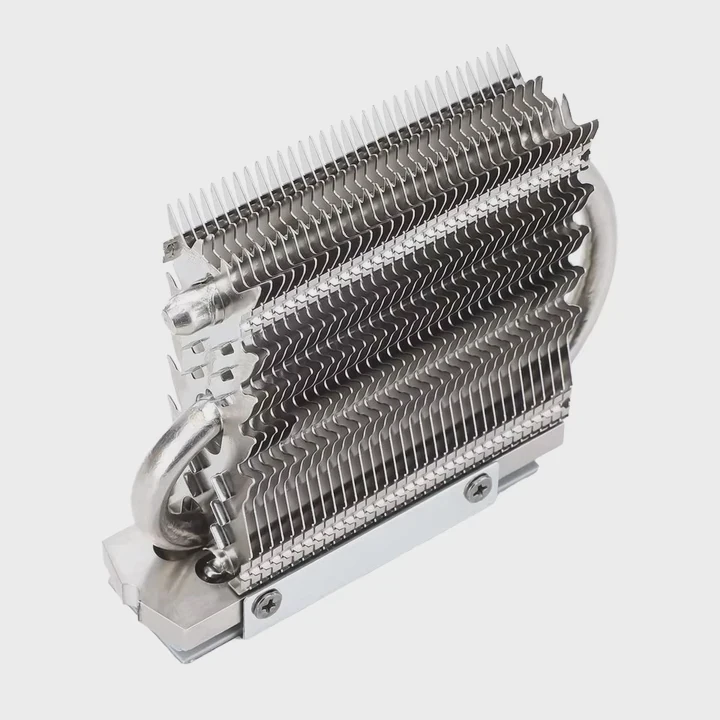
M.2 Heatpipe Heatsink With Dual Fans For Pc Case
19 Mar,2026
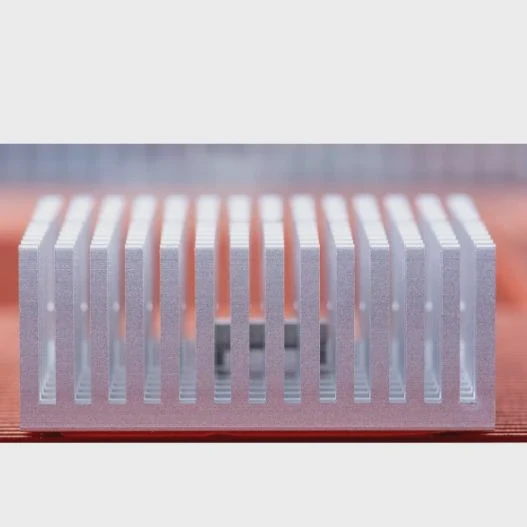
Heavy-Duty Aluminum Heat Sink Custom
19 Mar,2026
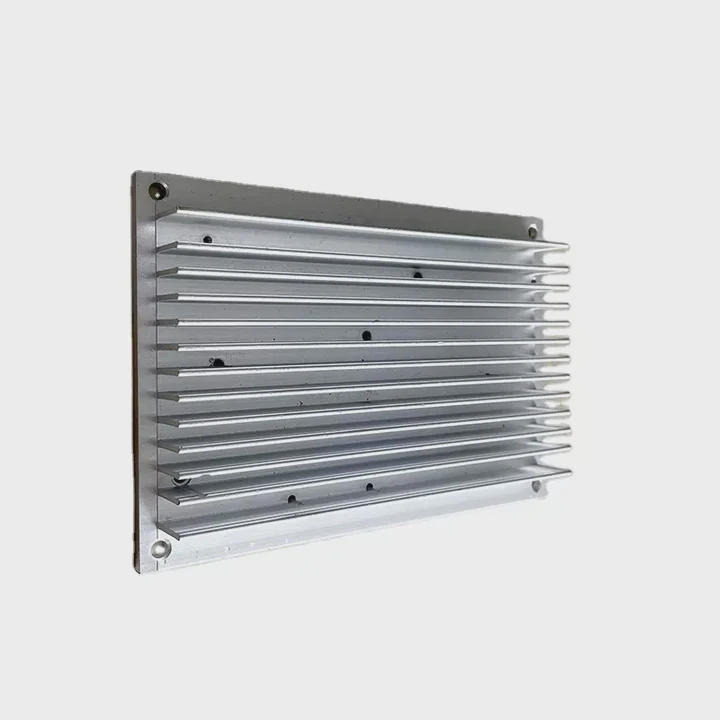
Oem Skived Fin Heatsink Aluminum Radiator For Plants
19 Mar,2026
Water Cooled Cnc Aluminum Heat Sink For Medical
19 Mar,2026
High Density 6000 Series Aluminum Heat Sink Profile
19 Mar,2026
High-Density Extruded Aluminum & Bonded-Fin Heat Sink Profile
19 Mar,2026
Recommend Categories
- Liquid cooling plate Manufacturer
- Industrial Heat Sink Manufacturer
- Standard Heat Sink Manufacturer
- Aluminum Heat Sink Manufacturer
- Copper Heat Sink Manufacturer
- Anodized Heatsink Manufacturer
- Stamping heat sink Manufacturer
- Die Casting Heatsink Manufacturer
- Soldering heat sink Manufacturer
- CNC Parts Manufacturer
Latest Products
- M.2 Heatpipe Heatsink With Dual Fans For Pc Case
- Heavy-Duty Aluminum Heat Sink Custom
- Oem Skived Fin Heatsink Aluminum Radiator For Plants
- Water Cooled Cnc Aluminum Heat Sink For Medical
- High Density 6000 Series Aluminum Heat Sink Profile
- High-Density Extruded Aluminum & Bonded-Fin Heat Sink Profile
- Dongguan Cnc Aluminum Heat Sink For Led & Brass Parts
- Wholesale Cnc Aluminum Heat Sink - Custom Extruded
- Led Cnc Round Heat Sink With Screw Holes
- Copper Pin-Fin Heat-Sink Large-Area For Photoled Cooling
- Telecom Heatsink Zipper Fin Wcopper Tubes Oem
Contact Expert
Have questions about this article? Reach out to our experts directly.