how do heatsink launchers work?
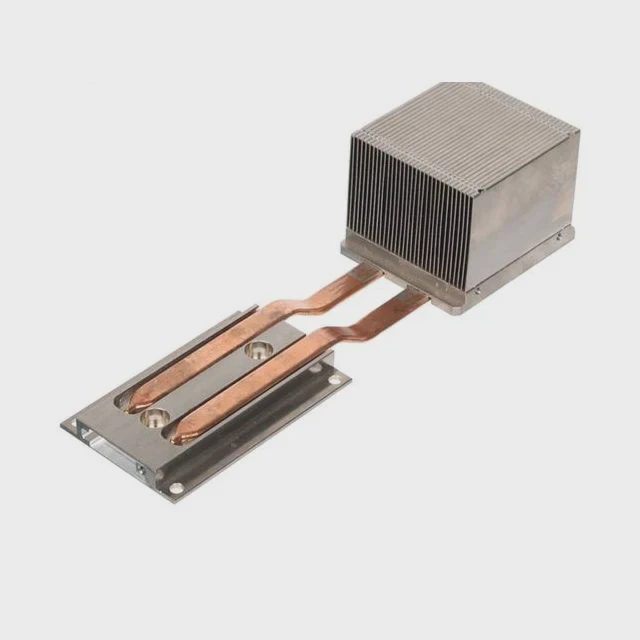
I used to wonder how “heatsink launchers” worked when I first saw them in some sci-fi games. They looked like simple cooling tools, but they acted more like ammo systems. I spent time studying how these mechanics worked so I could explain them clearly.
A heatsink launcher works by venting stored heat through expendable or reloadable modules. The launcher removes heat in bursts, which keeps weapons or tools from overheating during heavy use.
I want to break this down in a simple way so you can understand how the whole system functions.
Why launchers vent heat in games?
When I first saw a heatsink launcher in a game, I did not understand why weapons needed something that acted like thermal ammo. Later I learned that this system replaces classic cooldown timers.
Launchers vent heat because high-power weapons build heat fast. When heat rises past a limit, performance drops. Venting heat creates instant cooling that keeps the weapon stable and safe to use.
Why weapons create heat in the first place
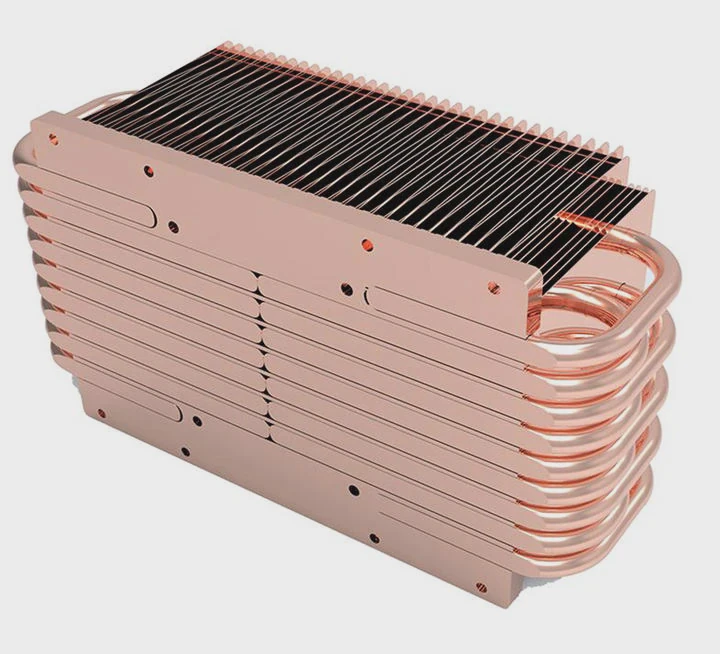
High-powered weapons often fire fast. They may also use energy beams, plasma bolts, or strong projectiles. This creates heat inside the barrel, chamber, and core. The game uses heat as a balancing system so players cannot fire forever without thinking.
Why venting heat matters for gameplay
Heat affects accuracy, rate of fire, and stability. If the weapon overheats, it may shut down or jam. Venting heat resets the temperature so the user can keep firing. This creates a more tactical style of play.
A simple table of heat behavior
| Heat Level | Effect | What Happens |
|---|---|---|
| Low | Stable | Strong accuracy |
| Medium | Warm | Slight drift |
| High | Near limit | Risk of shutdown |
| Overheat | Shutdown | Cannot fire |
Why venting replaces classic cooldown bars
Many modern games replace simple timers with risk-based systems. Heat adds tension. Venting adds strategy. You choose the right moment to cool down. It feels more active than waiting for a bar to refill.
Why players enjoy heat-venting mechanics
When I played with heatsink launchers, I enjoyed the choice it gave me. I could wait for natural cooling, or I could vent heat instantly. This small choice changed how I played, especially in fast combat.
How do ammo-based sinks function?
Ammo-based sinks confused me at first. They looked like ammo, but they acted like cooling devices. I later learned that this design copies real ideas from engineering, where expendable cooling materials absorb heat.
Ammo-based sinks work by storing thermal energy inside each sink module. When you trigger the launcher, the module absorbs heat and ejects it. This gives instant cooling, but it uses up a consumable piece.
Why they are designed like “ammo”
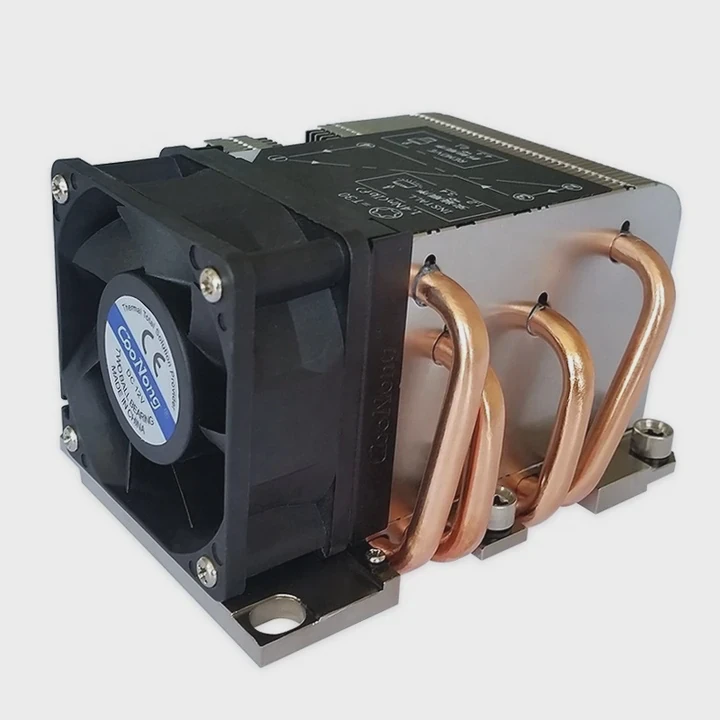
The system treats each heatsink as a single use. Once used, it cannot be reused. This matches the idea of ammo. Each sink handles a fixed amount of heat. When it fills, the sink ejects or burns out.
How a heatsink module works step by step
Step 1: Heat reaches the threshold
The weapon builds heat.
Step 2: Player activates the sink
A button or trigger vents heat.
Step 3: Sink absorbs energy instantly
The module removes a chunk of heat.
Step 4: The module ejects
The game treats it as consumed.
Why ammo sinks add strategy
When you have a limited number of sinks, you must choose the right time to use one. This adds pressure and planning. In my own experience, it changed the way I aimed and chose targets.
A table showing how sinks behave
| Sink Type | Effect | Use Limit |
|---|---|---|
| Basic sink | Small cooling | 1 use |
| Medium sink | Moderate cooling | 1 use |
| Advanced sink | Big cooling | 1 use |
Why this design works in intense fights
Instant cooling avoids long cooldowns. It allows the player to stay in action. The sinks act like emergency tools. They create a rhythm where you fight, vent, and fight again.
Why ammo-based sinks feel realistic
In real life, engineers use phase-change materials and expendable coolants to remove heat fast. The ammo sink copies this idea, but in a simple game style.
Which modules reduce buildup?
Not all heatsink tools are single-use. Some systems use modules that stay installed and work passively. These modules reduce heat over time instead of releasing it in a big burst.
Modules reduce buildup by lowering heat generation, speeding natural cooling, or adding small shields that slow heat accumulation. These modules work quietly in the background to keep weapons from overheating too fast.
Why buildup reduction matters
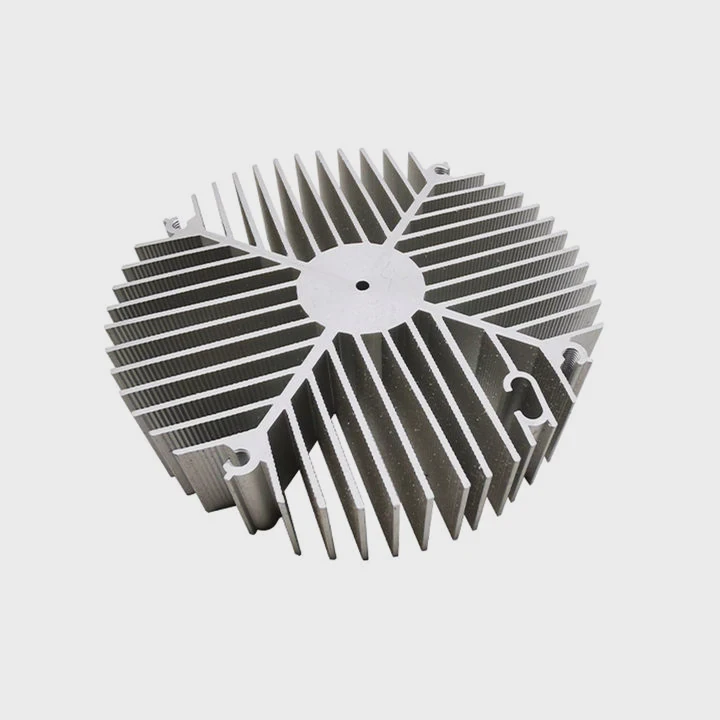
If you reduce heat buildup, you need to vent heat less often. This gives you more control and more uptime. When I tried these modules, I noticed I could fire longer before reaching the danger zone.
Types of buildup-reducing modules
1. Cooling boosters
These lower the rate at which heat rises.
2. Heat spreaders
These spread heat across a wide area. This makes it easier for the system to cool.
3. Passive radiators
These slow heat gain during long fights.
4. System stabilizers
These protect the weapon core from sudden spikes.
A simple comparison table
| Module Type | Impact | Works When |
|---|---|---|
| Cooling booster | High | While firing |
| Heat spreader | Medium | When heat rises fast |
| Passive radiator | Low | Over long fights |
| Stabilizer | Medium | Against spikes |
Why these modules feel fair in gameplay
Modules do not give sudden power jumps. They create small shifts that feel natural. Players do not gain huge advantages, but they gain smoother heat control.
Why buildup systems feel realistic
Real machines rely on passive cooling parts every day. Computers, engines, and electronics use heat spreaders and radiators. Game modules copy these ideas in a fun way.
Why buildup modules work well with sinks
Sinks give instant cooling. Modules slow heat creation. When you combine both, the weapon becomes easier to manage. This is why players often mix fast cooling items with gradual cooling parts.
Can upgrades boost cooling?
Upgrades can change how the launcher or heat system behaves. Some upgrades give faster venting. Some increase thermal capacity. Some reduce the time needed before you can use another sink.
Yes, upgrades can boost cooling. Upgrades improve sink efficiency, raise heat capacity, shorten cooldowns, and increase the amount of heat removed in each vent. This makes the launcher more reliable during long fights.
Why upgrades matter more in late-game fights
Later battles often push the weapon harder. More enemies. Faster firing. Stronger attacks. Without upgrades, the heat bar fills too fast. With upgrades, the system becomes stable again.
Types of cooling upgrades
1. Faster vent upgrades
These let the sink act quickly.
2. Larger heat capacity
This lets the weapon handle more heat before reaching danger.
3. Efficiency upgrades
These make each sink remove more heat.
4. Recovery upgrades
These lower the time between uses.
Why upgrades change your play style
When cooling becomes stronger, you can fire longer without fear. You can take risks. You can stay aggressive. I felt much more confident when I upgraded cooling in the games I played.
A simple upgrade overview
| Upgrade | Benefit | Good For |
|---|---|---|
| Fast vent | Quick cooling | Burst damage fights |
| High capacity | Longer firing | Heavy sustained use |
| Efficient sink | Bigger heat drop | Heat-heavy weapons |
| Quick recovery | More vents | Fast reload cycles |
Why upgrades must stay balanced
If upgrades are too strong, heat loses meaning. If too weak, heat becomes annoying. The best systems balance upgrades so players feel growth but not invincibility.
Why many games use heat as a skill system
Heat forces players to learn rhythm. Experienced players use vents at the right time. Beginners use them late or early. This makes heat management part of the skill curve.
Conclusion
Heatsink launchers work by venting heat, using ammo-style sinks, and relying on modules to slow buildup. Upgrades boost their cooling strength and make heat systems easier to manage. Together, these parts create a stable and tactical heat system in many sci-fi games.
TAGS
Latest Articles

Volume discount levels for heat sink orders?
Buyers often ask when heat sink prices start to drop with volume. Many worry they’re overpaying for small orders. This guide explains how B2B volume pricing works for thermal components. Heat sink
21 Dec,2025
Heat sink long-term supply contract options?
Many buyers want stable pricing and reliable delivery for heat sinks. But without a clear contract, risks grow over time. This article explores how to secure better long-term supply deals. Long-term
21 Dec,2025
Tooling cost for new heat sink profiles?
Many engineers struggle to understand why tooling for custom heat sinks costs so much. They worry about budgeting and production timelines. This article breaks down the cost drivers behind tooling.
21 Dec,2025
Heat sink custom sample process steps?
Sometimes, starting a custom heat sink project feels overwhelming—too many steps, too many unknowns, and too many risks. You want a sample, but not endless delays. The process for requesting and
20 Dec,2025
Standard B2B terms for heat sink payments?
When buyers and sellers in B2B heat sink markets talk about payment, many don’t fully understand what’s standard. This can lead to delayed orders, miscommunication, and even lost business
20 Dec,2025
Heat sink pricing factors for large orders?
Heat sinks are vital for many systems. When prices rise, projects stall and budgets break. This problem can hit teams hard without warning. Large order heat sink pricing depends on many factors. You
20 Dec,2025Related Articles
- does gpu heatsink have liquid?
- Does Ryzen come with heatsink and compound?
- how to remove thermal compound from heatsink?
- how to remove ram heatsink without heat gun?
- how to clean ps4 fan and heatsink?
- How to clean a processor CPU heatsink?
- what to do if secondary heatsink is too high?
- What is heatsink in computer?
- can i use heatsink from i5 on i7?
- how to clean zalman cpu heatsink?
- is a heatsink required for ps5?
- can cpu run without heatsink?
Author
Dr. Emily Chen
Chief AI Researcher
Leading expert in thermal dynamics and AI optimization with over 15 years of experience in data center efficiency research.
Categories
Latest Products
M.2 Heatpipe Heatsink With Dual Fans For Pc Case
19 Mar,2026
Heavy-Duty Aluminum Heat Sink Custom
19 Mar,2026
Oem Skived Fin Heatsink Aluminum Radiator For Plants
19 Mar,2026
Water Cooled Cnc Aluminum Heat Sink For Medical
19 Mar,2026
High Density 6000 Series Aluminum Heat Sink Profile
19 Mar,2026
High-Density Extruded Aluminum & Bonded-Fin Heat Sink Profile
19 Mar,2026
Recommend Categories
- Liquid cooling plate Manufacturer
- Industrial Heat Sink Manufacturer
- Standard Heat Sink Manufacturer
- Aluminum Heat Sink Manufacturer
- Copper Heat Sink Manufacturer
- Anodized Heatsink Manufacturer
- Stamping heat sink Manufacturer
- Die Casting Heatsink Manufacturer
- Soldering heat sink Manufacturer
- CNC Parts Manufacturer
Latest Products
- M.2 Heatpipe Heatsink With Dual Fans For Pc Case
- Heavy-Duty Aluminum Heat Sink Custom
- Oem Skived Fin Heatsink Aluminum Radiator For Plants
- Water Cooled Cnc Aluminum Heat Sink For Medical
- High Density 6000 Series Aluminum Heat Sink Profile
- High-Density Extruded Aluminum & Bonded-Fin Heat Sink Profile
- Dongguan Cnc Aluminum Heat Sink For Led & Brass Parts
- Wholesale Cnc Aluminum Heat Sink - Custom Extruded
- Led Cnc Round Heat Sink With Screw Holes
- Copper Pin-Fin Heat-Sink Large-Area For Photoled Cooling
- Telecom Heatsink Zipper Fin Wcopper Tubes Oem
Contact Expert
Have questions about this article? Reach out to our experts directly.