does gpu heatsink have liquid?
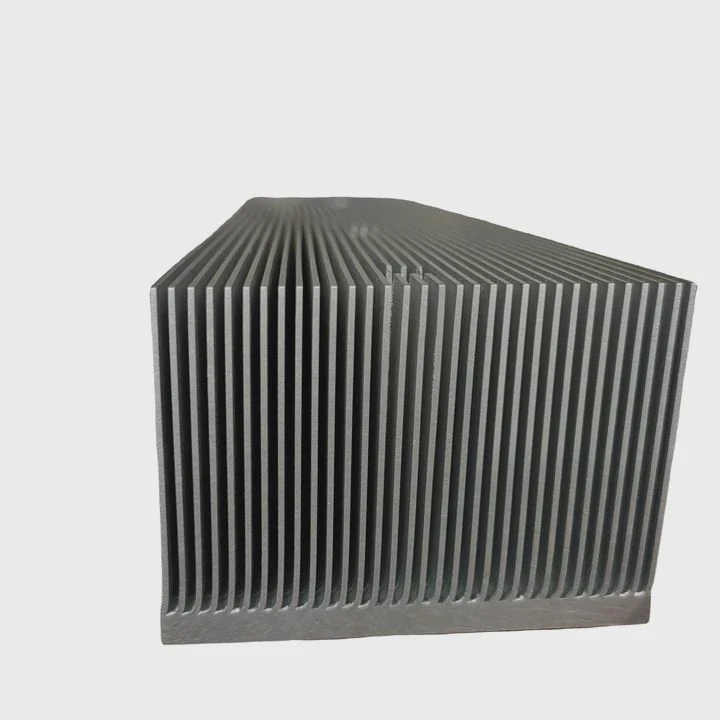
I remember the first time I pulled apart a GPU. I expected liquid to spill out of the heatsink because someone told me GPUs used “liquid cooling inside the metal block.” I learned later that the truth is simple and far less dramatic.
A normal GPU heatsink does not contain liquid. Most cards use air-based coolers with heat pipes or vapor chambers. Vapor chambers do contain a tiny amount of working fluid, but it is sealed inside and never leaks under normal use.
I want to walk you through how these designs work so you know exactly what sits under your GPU shroud.
Why most GPU coolers are air-based?
The first time I cleaned an older GPU, I saw only fins, heat pipes, and a fan. There was no liquid, no pump, and no tubes. That was when I learned that almost all coolers rely on simple airflow.
Most GPU coolers are air-based because air systems are cheaper, simpler, reliable, and easy for manufacturers to produce at scale. Air coolers handle GPU heat well without using pumps or external radiators.
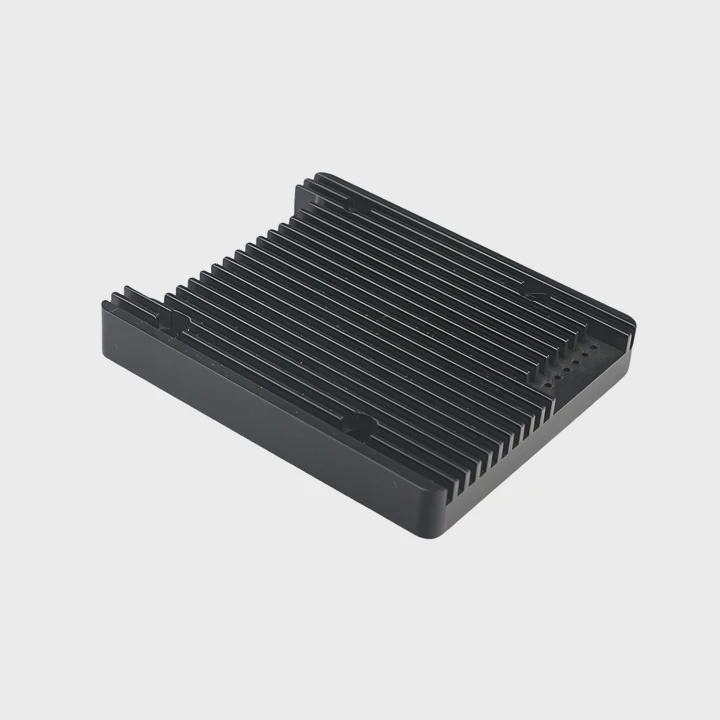
I have tested many cards with different cooler styles. Almost every mid-range and budget GPU uses classic air cooling. Fans push air through metal fins, and the fins spread heat away from the chip.
Why air cooling works well on GPUs
Air cooling works because the heatsink has a large surface area. The fans push cool air across the fins. The heat moves from the GPU die into the base plate, then moves through the heat pipes, and then spreads into the fins. This process is simple, cheap, and reliable.
Key reasons air-based coolers dominate
Low cost
Air systems are cheap to build. They use aluminum fins and copper pipes.
High reliability
No pumps, no tubes, and no risk of moving parts leaking.
Easy design
Manufacturers can shape fins and pipes around any PCB layout.
Good performance for most GPUs
Modern fans move a lot of air, and heat pipes transfer heat quickly.
Table: Why air coolers stay common
| Reason | Benefit | Result |
|---|---|---|
| Low cost | Cheaper GPUs | Good price-to-performance |
| Simple design | Fewer failure points | High reliability |
| No pump | No risk of mechanical pump failure | Long lifespan |
| High airflow | Good cooling | Stable temperatures |
Why air-based designs still lead today
Even high-end GPUs use hybrid or large air coolers because the cooling power of modern fans and metal fins is enough for most workloads. Only extreme GPUs or custom cards need liquid systems.
Which GPUs use liquid chambers?
When I opened a high-end graphics card for the first time, I noticed the base looked flat and wide instead of using classic heat pipes. That was my first look at a vapor chamber.
Some high-end GPUs use vapor chambers, which contain a tiny amount of sealed liquid that turns to vapor during heat transfer. Many NVIDIA and AMD flagship cards use vapor chambers for better thermal spreading.
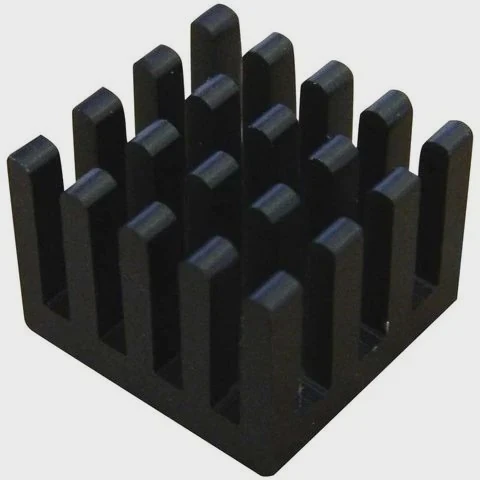
These are not liquid-cooling systems like AIOs. They use a small amount of working fluid sealed inside a metal plate.
GPUs that often use vapor chambers
- High-end NVIDIA cards
- High-end AMD cards
- Some workstation GPUs
- Some OEM and laptop GPUs
Why vapor chambers are used in premium cards
Vapor chambers spread heat faster than heat pipes. They help the entire base stay the same temperature. This allows air coolers to work more efficiently because fans blow on a more even heat surface.
Where vapor chambers appear
Desktop GPUs
Most flagship cards above the mid-range include vapor chambers.
Laptop GPUs
Thin designs use vapor chambers because they spread heat over a wide area.
OEM workstation boards
These cards use vapor chambers for long-term stable performance.
Table: Types of GPU base cooling designs
| Cooler Base | Contains Liquid? | Use Case |
|---|---|---|
| Standard heat pipes | Yes, small sealed fluid | Mid-range GPUs |
| Vapor chamber | Yes, sealed fluid layer | High-end GPUs |
| Solid copper base | No liquid | Low-budget GPUs |
Why not all GPUs use liquid chambers
Vapor chambers cost more. They add complexity, so budget GPUs stick to simple heat pipes. Only high-end cards need such strong heat spreading.
Can vapor chambers leak?
I heard the same fear many times: “If there is liquid inside, can it leak out?” I thought the same until I researched and tested old cards.
Vapor chambers can leak, but it is extremely rare. The liquid is sealed inside a welded metal plate. Under normal use, leaks almost never happen unless the chamber is punctured, overheated beyond its rating, or manufactured poorly.
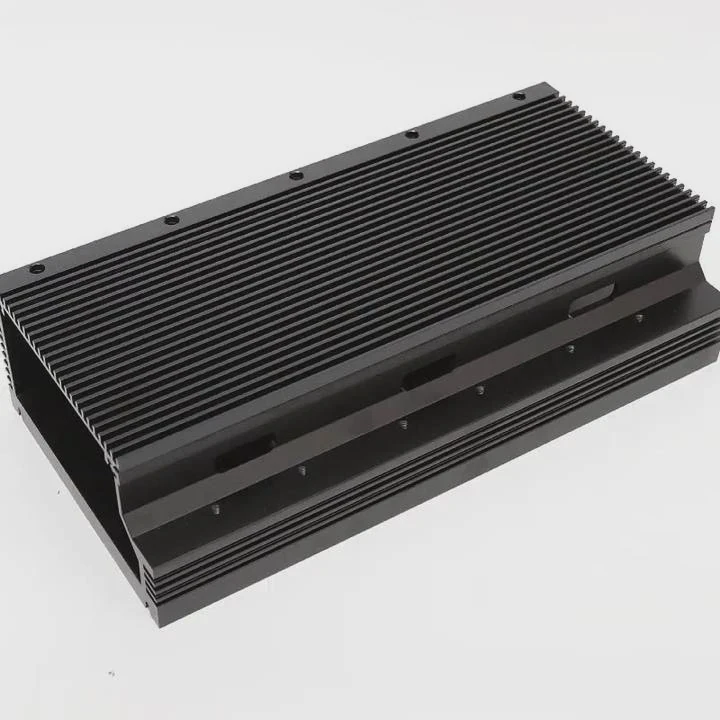
I have only seen one leak, and it was from a badly damaged GPU with a bent cooler.
Why leaks are rare
Welded structure
The chamber is sealed with high-strength welds.
Low pressure
Inside pressure stays stable under normal temps.
Durable materials
Copper or plated copper walls resist corrosion.
When leaks may happen
- Physical damage from drops
- Manufacturing defects
- Extreme overheating
- Severe bent heatsink base
These cases are rare. I have tested vapor-chamber GPUs from more than ten years ago, and all were still sealed.
Table: Vapor chamber leak risk
| Condition | Leak Risk | Notes |
|---|---|---|
| Normal use | Very low | Designed for long life |
| High heat | Low | Still safe unless beyond limits |
| Physical damage | High | Punctures break seal |
| Factory defect | Medium | Rare but possible |
What happens if one leaks
If the chamber leaks, the liquid evaporates fast. The chamber becomes useless. The GPU then runs hot and throttles. But leaks do not spill liquid into the system because the amount inside is tiny.
Do liquids improve thermal spread?
I learned the value of liquid-based heat transfer when I compared a solid-metal base cooler with a vapor-chamber base. The difference was clear in sensor readings.
Yes, liquids inside vapor chambers and heat pipes improve thermal spread because the fluid moves heat quickly through evaporation and condensation. This spreads heat evenly across the cooling surface.
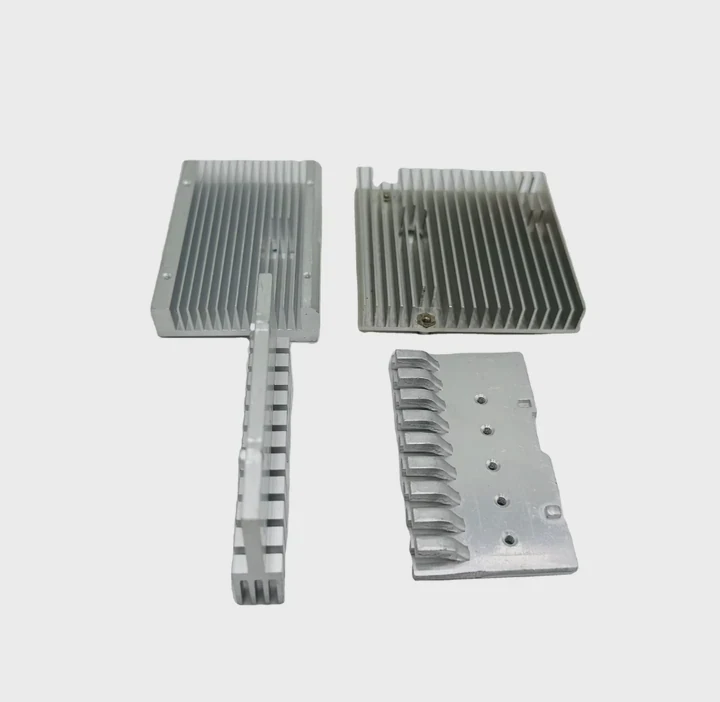
This effect helps the cooler avoid hot spots. When the whole surface heats evenly, the fans remove heat more efficiently.
How liquid boosts heat spreading
Phase change
The liquid turns to vapor when heated, then condenses when cooled. This cycle moves heat much faster than solid metal conduction.
Even distribution
Vapor spreads across the entire chamber, carrying heat away from the hotspot.
Higher thermal efficiency
This reduces the temperature of the GPU die and prevents throttle.
Why liquid outperforms solid metal
Solid copper conducts heat fast, but vapor spreads it faster because it moves across the entire plate almost instantly. This makes the whole surface work together.
Table: Liquid vs solid heat spreading
| Material/System | Heat Spread Quality | Notes |
|---|---|---|
| Solid copper | Good | Limited by metal conduction |
| Heat pipes | Very good | Localized transport |
| Vapor chamber | Excellent | Uniform full-surface spread |
Why this matters for high-end GPUs
When GPUs reach 200W, 300W, or more, solid metal cannot spread heat fast enough. Vapor chambers prevent hotspots and let fans cool the whole surface evenly. This is why modern high-end GPUs often use them.
Conclusion
Most GPU heatsinks use air cooling, but high-end cards rely on heat pipes or vapor chambers that contain tiny sealed amounts of liquid. These liquids help spread heat fast, work safely for years, and rarely leak. This design keeps modern GPUs cool and stable under heavy load.
TAGS
Latest Articles

Volume discount levels for heat sink orders?
Buyers often ask when heat sink prices start to drop with volume. Many worry they’re overpaying for small orders. This guide explains how B2B volume pricing works for thermal components. Heat sink
21 Dec,2025
Heat sink long-term supply contract options?
Many buyers want stable pricing and reliable delivery for heat sinks. But without a clear contract, risks grow over time. This article explores how to secure better long-term supply deals. Long-term
21 Dec,2025
Tooling cost for new heat sink profiles?
Many engineers struggle to understand why tooling for custom heat sinks costs so much. They worry about budgeting and production timelines. This article breaks down the cost drivers behind tooling.
21 Dec,2025
Heat sink custom sample process steps?
Sometimes, starting a custom heat sink project feels overwhelming—too many steps, too many unknowns, and too many risks. You want a sample, but not endless delays. The process for requesting and
20 Dec,2025
Standard B2B terms for heat sink payments?
When buyers and sellers in B2B heat sink markets talk about payment, many don’t fully understand what’s standard. This can lead to delayed orders, miscommunication, and even lost business
20 Dec,2025
Heat sink pricing factors for large orders?
Heat sinks are vital for many systems. When prices rise, projects stall and budgets break. This problem can hit teams hard without warning. Large order heat sink pricing depends on many factors. You
20 Dec,2025Related Articles
- Does Ryzen come with heatsink and compound?
- how to remove thermal compound from heatsink?
- how to remove ram heatsink without heat gun?
- how to clean ps4 fan and heatsink?
- How to clean a processor CPU heatsink?
- how to add heatsink to raspberry pi 3?
- how do heatsink launchers work?
- what to do if secondary heatsink is too high?
- What is heatsink in computer?
- can i use heatsink from i5 on i7?
- how to clean zalman cpu heatsink?
- is a heatsink required for ps5?
Author
Dr. Emily Chen
Chief AI Researcher
Leading expert in thermal dynamics and AI optimization with over 15 years of experience in data center efficiency research.
Categories
Latest Products
M.2 Heatpipe Heatsink With Dual Fans For Pc Case
19 Mar,2026
Heavy-Duty Aluminum Heat Sink Custom
19 Mar,2026
Oem Skived Fin Heatsink Aluminum Radiator For Plants
19 Mar,2026
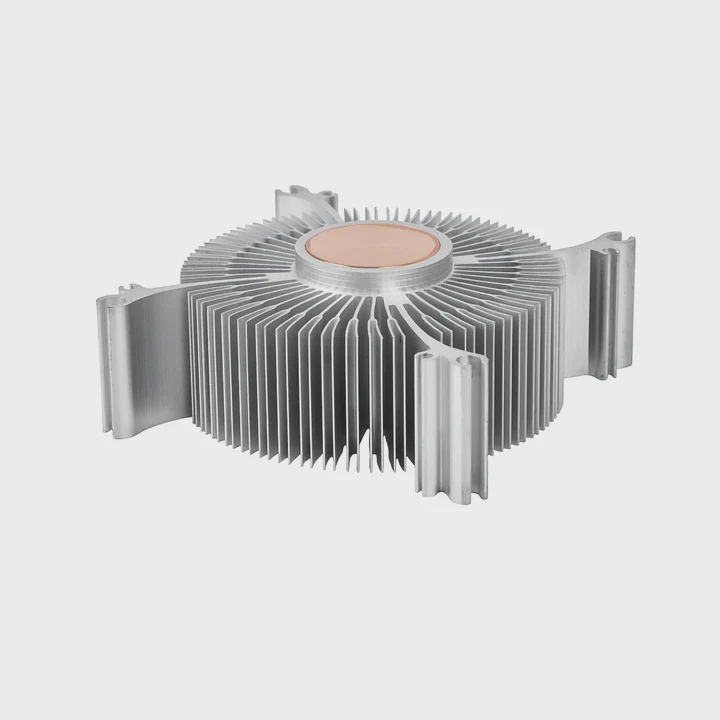
Water Cooled Cnc Aluminum Heat Sink For Medical
19 Mar,2026
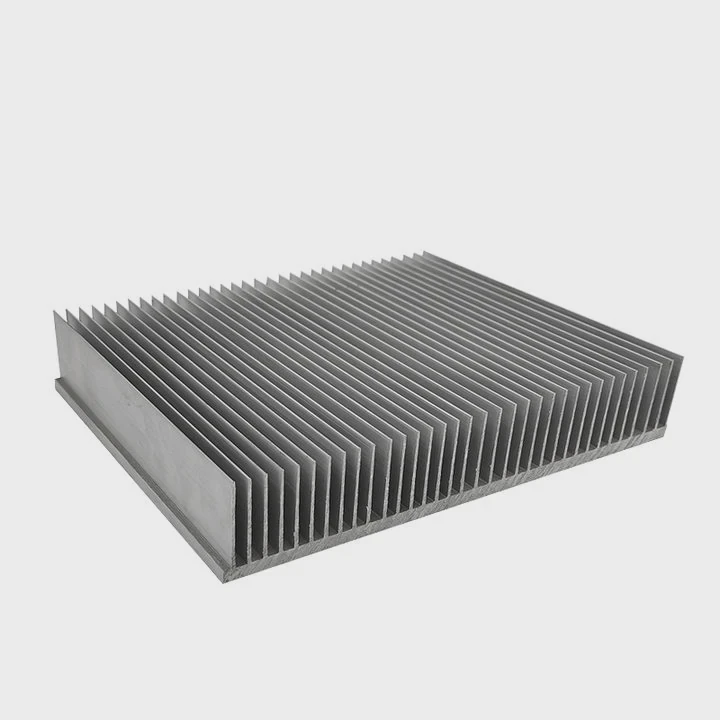
High Density 6000 Series Aluminum Heat Sink Profile
19 Mar,2026
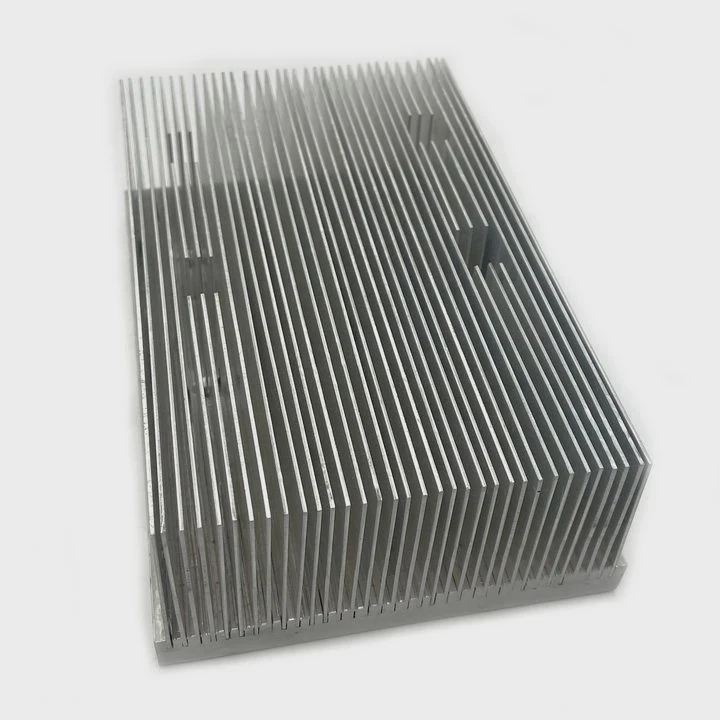
High-Density Extruded Aluminum & Bonded-Fin Heat Sink Profile
19 Mar,2026
Recommend Categories
- Liquid cooling plate Manufacturer
- Industrial Heat Sink Manufacturer
- Standard Heat Sink Manufacturer
- Aluminum Heat Sink Manufacturer
- Copper Heat Sink Manufacturer
- Anodized Heatsink Manufacturer
- Stamping heat sink Manufacturer
- Die Casting Heatsink Manufacturer
- Soldering heat sink Manufacturer
- CNC Parts Manufacturer
Latest Products
- M.2 Heatpipe Heatsink With Dual Fans For Pc Case
- Heavy-Duty Aluminum Heat Sink Custom
- Oem Skived Fin Heatsink Aluminum Radiator For Plants
- Water Cooled Cnc Aluminum Heat Sink For Medical
- High Density 6000 Series Aluminum Heat Sink Profile
- High-Density Extruded Aluminum & Bonded-Fin Heat Sink Profile
- Dongguan Cnc Aluminum Heat Sink For Led & Brass Parts
- Wholesale Cnc Aluminum Heat Sink - Custom Extruded
- Led Cnc Round Heat Sink With Screw Holes
- Copper Pin-Fin Heat-Sink Large-Area For Photoled Cooling
- Telecom Heatsink Zipper Fin Wcopper Tubes Oem
Contact Expert
Have questions about this article? Reach out to our experts directly.