Vapor Chamber return policy examples?
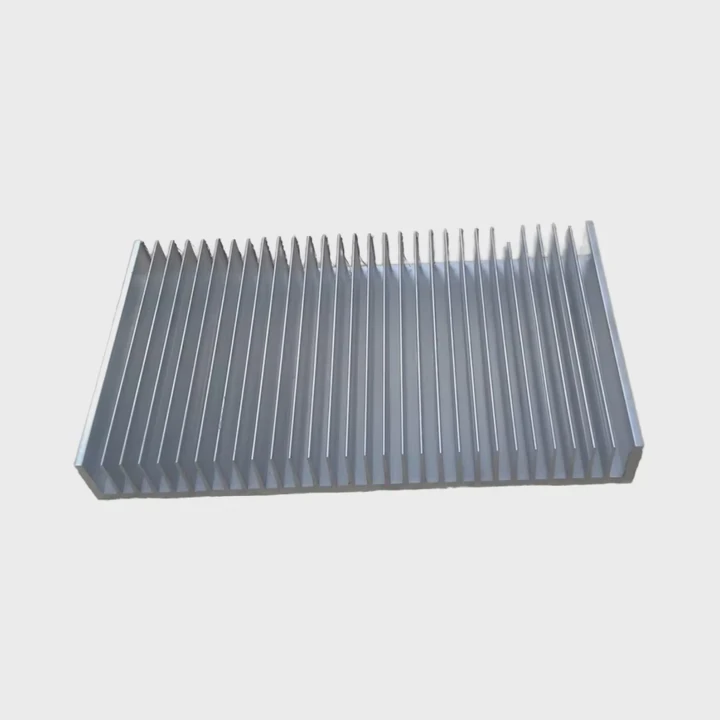
Many customers worry about what happens when a batch of vapor chambers is bad.
A clear return policy gives both buyers and suppliers a safe path when defects or mismatches occur.
That helps avoid disputes and keeps businesses running smoothly.
If you buy vapor chambers for a project, knowing what a good return policy should cover helps protect you. Below are sections that show what a strong policy looks like, what it should promise, and how it handles costs and timing.
What should a standard return policy for Vapor Chambers include?
A supplier needs to set clear rules before any order is placed.
A standard policy must define when returns are allowed, what proof is needed, and what the supplier will do in that case.
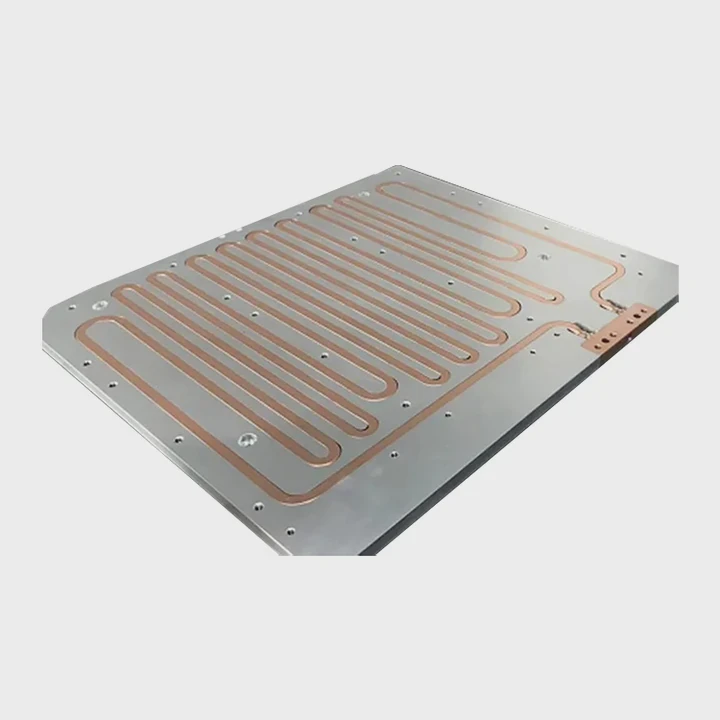
A well‑written return policy builds trust. It shows the supplier stands behind their product. Without these rules, buyers may hesitate on orders. Here are the usual parts such a policy includes:
Key Sections in a Return Policy
| Section | What It Should Cover |
|---|---|
| Eligibility criteria | Which defects or situations are valid for returns (e.g. leaks, non‑conforming specs, damage on arrival) |
| Return Authorization Process (RMA) | How buyer requests return: who to contact, info needed, getting a return number before sending parts back |
| Proof requirements | What buyer must provide: photos, test or inspection data, batch or serial number, original purchase order |
| Supplier’s responsibility | What supplier will do if problem is confirmed: replace, repair, or refund |
| Time window for return | Time limit for return or claim after delivery (e.g. within 15–30 days) |
| Condition of returned items | Whether parts must be unused, in original packaging, or if faulty items can be opened for inspection |
| Inspection and acceptance rules | How supplier checks returned units and what counts as valid defect vs misuse |
| Documentation and traceability | Requirement to supply batch reports, QC certificates or trace logs along with return |
These items help both buyer and supplier stay clear on steps. Without clarity, misunderstandings may delay handling issues. A good policy gives buyer confidence. It also helps supplier avoid abuse.
If a supplier refuses to define these items before shipment, that is a warning sign. A policy should exist before the first purchase. That way, both sides know the rules and trust builds over time.
Can faulty units be replaced under policy?
When a vapor chamber fails under regular use or does not meet specifications, replacement is often fair and expected.
If defects stem from manufacturing, most policies allow replacement, repair, or refund — after inspection.
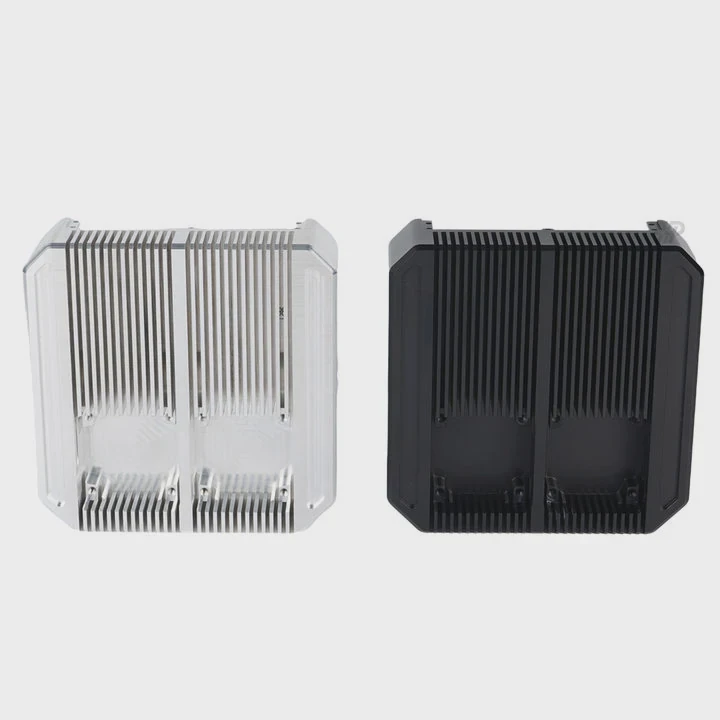
Faults can include leaks, poor welds, bad vacuum, or thermal performance not meeting specs. A good policy should let you return those units. Here is how such a process typically unfolds:
How Replacement or Return Works
- Buyer reports issue with unit soon after detection. Provide batch number, purchase order, photos, and test data if possible.
- Supplier reviews claim and issues Return Material Authorization (RMA) if claim seems valid.
- Buyer ships back the units under agreed packaging and labeling. Sometimes supplier provides prepaid label.
- Supplier inspects returned items. If defect is confirmed and manufacturing‑related, supplier replaces or refunds.
- If investigation shows changes are caused by misuse or external damage, supplier may refuse replacement.
This process protects both parties. Buyer gets functional parts if the fault is real. Supplier avoids replacing items damaged by end‑use. It also gives both sides a record of what occurred, which helps avoid repeats.
In many industrial supply chains, this approach is standard. Even for custom parts like vapor chambers, suppliers who care about customer satisfaction include such return/replacement provisions. It shows confidence in their manufacturing and willingness to back up quality.
How long is return period typically offered?
Time matters when inspecting parts. Buyers need time to unbox, examine, test, and confirm vapor chamber performance.
A common return window is 15–30 days after delivery or after first‑article inspection.
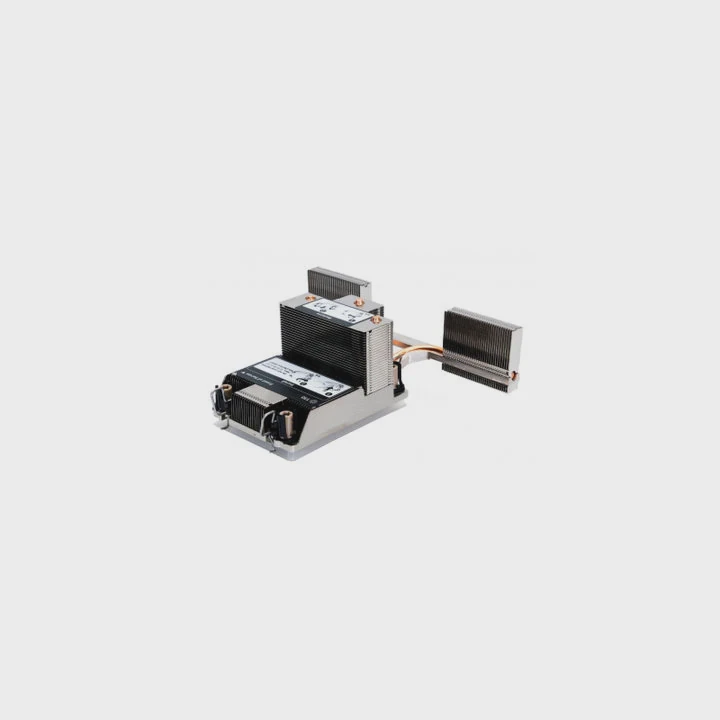
A longer return window makes sense for complex parts. Here are factors that influence how long the return period might be:
What Affects Return Period Length
- Time to unpack and visually inspect the shipment.
- Time to install parts for fitting and thermal tests.
- Time zones and international shipping delays.
- Time needed to gather test data or inspection results.
Most suppliers allow at least 2–4 weeks for return claims. Some offer up to 60 days if buyer requests, especially for large or critical orders. If you expect delays — for internal testing or shipment to overseas factory — ask supplier for extended return period before placing the order.
A short return window (e.g. 7 days) may not be enough for real testing. Buyers may accept appearance but discover thermal issues only after running full tests. So a longer period helps catch subtle issues.
Are shipping and inspection costs included in policy?
Returns cost money. Who pays shipping and inspection depends on why return is needed.
If defect is confirmed to be supplier’s fault, supplier should cover replacement cost; shipping and inspection cost terms can vary but often supplier pays or reimburses.
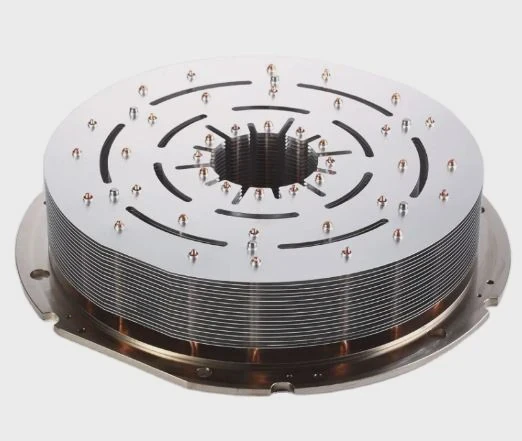
Here is how cost responsibility is usually split in return policies:
| Situation | Who Pays Shipping / Inspection |
|---|---|
| Defect confirmed (manufacturing fault) | Supplier pays for replacement; may provide prepaid return shipping or refund cost |
| Damage during transit (with proof) | Supplier or freight forwarder pays freight or arranges replacement shipping |
| Buyer mishandling or misuse | Buyer bears shipping and inspection costs |
| Return request after agreed period or outside policy | Buyer pays all costs, if return accepted at all |
When you negotiate orders, clarify shipping cost terms in advance. Especially for international orders. Ask if return shipping will be prepaid or reimbursed. Also check if inspection costs — which may include teardown, testing, and QC labor — are covered or will be charged.
If supplier demands buyer covers all costs even for faulty units, that raises a red flag. For critical components like vapor chambers, fair cost policies matter a lot for long‑term trust.
Conclusion
A robust return policy builds trust between buyers and suppliers of vapor chambers. It should define eligibility, return steps, timelines, and cost responsibilities. Buyers should ensure policy covers manufacturing defects, provides reasonable return periods, and allocates shipping/inspection costs fairly. Clear rules keep ordering safe and transparent.
TAGS
Latest Articles

Volume discount levels for heat sink orders?
Buyers often ask when heat sink prices start to drop with volume. Many worry they’re overpaying for small orders. This guide explains how B2B volume pricing works for thermal components. Heat sink
21 Dec,2025
Heat sink long-term supply contract options?
Many buyers want stable pricing and reliable delivery for heat sinks. But without a clear contract, risks grow over time. This article explores how to secure better long-term supply deals. Long-term
21 Dec,2025
Tooling cost for new heat sink profiles?
Many engineers struggle to understand why tooling for custom heat sinks costs so much. They worry about budgeting and production timelines. This article breaks down the cost drivers behind tooling.
21 Dec,2025
Heat sink custom sample process steps?
Sometimes, starting a custom heat sink project feels overwhelming—too many steps, too many unknowns, and too many risks. You want a sample, but not endless delays. The process for requesting and
20 Dec,2025
Standard B2B terms for heat sink payments?
When buyers and sellers in B2B heat sink markets talk about payment, many don’t fully understand what’s standard. This can lead to delayed orders, miscommunication, and even lost business
20 Dec,2025
Heat sink pricing factors for large orders?
Heat sinks are vital for many systems. When prices rise, projects stall and budgets break. This problem can hit teams hard without warning. Large order heat sink pricing depends on many factors. You
20 Dec,2025Related Articles
- Why choose Vapor Chamber over heatsink?
- What is Vapor Chamber scrap rate?
- Heat transfer coefficient of Vapor Chamber?
- How to cut Vapor Chamber to custom shapes?
- Recommended thermal paste for Vapor Chamber?
- Recommended clamps for Vapor Chamber assembly?
- Does Vapor Chamber need corrosion protection?
- How to avoid Vapor Chamber leakage?
- Can Vapor Chamber function under vibration?
- Vapor Chamber for telecom cooling racks
- Which industries demand Vapor Chamber most?
- Vapor Chamber material selection guidelines
Author
Dr. Emily Chen
Chief AI Researcher
Leading expert in thermal dynamics and AI optimization with over 15 years of experience in data center efficiency research.
Categories
Latest Products






Recommend Categories
- Liquid cooling plate Manufacturer
- Industrial Heat Sink Manufacturer
- Standard Heat Sink Manufacturer
- Aluminum Heat Sink Manufacturer
- Copper Heat Sink Manufacturer
- Anodized Heatsink Manufacturer
- Stamping heat sink Manufacturer
- Die Casting Heatsink Manufacturer
- Soldering heat sink Manufacturer
- CNC Parts Manufacturer
Latest Products
- Wholesale Aluminum Radiator
- Water Cooling Plate Kit
- Water Cooling Heat Sink
- Water Cooling Heat Sink Kit
- Stainless Steel Water Distributor
- Server Water Cooling Plate Kit
- Server Liquid Cooling System
- Server Aluminum Cooling Kit
- S19 Full Cover Cooling Plate
- S19 Cooling Plate Kit
- S19 Aluminum Cooling Plate
Contact Expert
Have questions about this article? Reach out to our experts directly.