What is Vapor Chamber scrap rate?
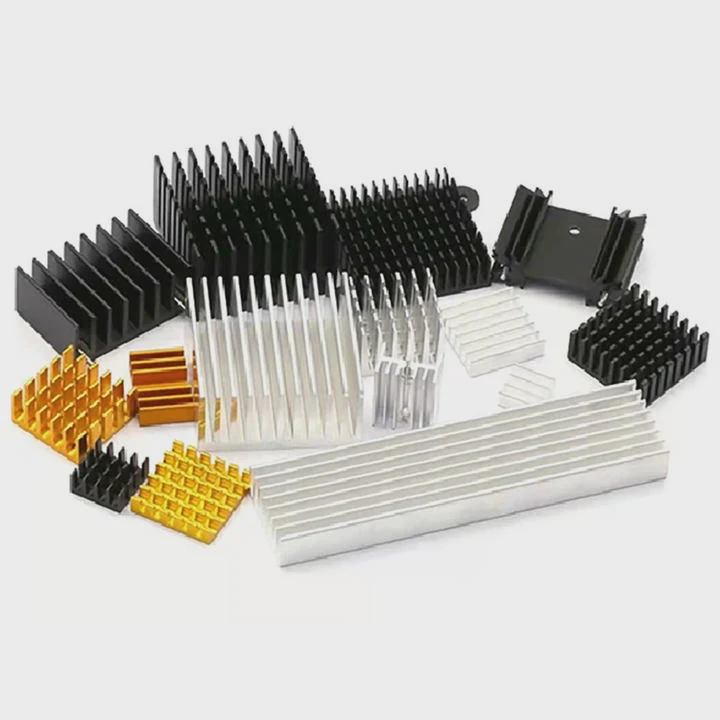
Manufacturing a vapor chamber involves many steps — welding, brazing, machining, leak‑testing. Even small flaws can turn a mostly‑finished part into scrap.
Scrap rate reflects the proportion of vapor chambers (or raw material) discarded because they fail quality or functionality checks compared to total produced. A realistic scrap‑rate benchmark helps set yield targets, control cost, and improve quality.
The following sections discuss what typical scrap rates are (or could be), what defects drive scrap, whether process control can lower waste, and if companies track scrap rate as part of quality metrics.
What is the typical scrap rate in Vapor Chamber manufacturing?
A vapor chamber may look simple from the outside, but behind each unit lies a multi‑step process — and each step introduces risks.
Typical scrap rates for vapor chambers range from 2% to 10%, depending on production volume, complexity, and quality standards. High-end or new designs often have higher rates during early runs.
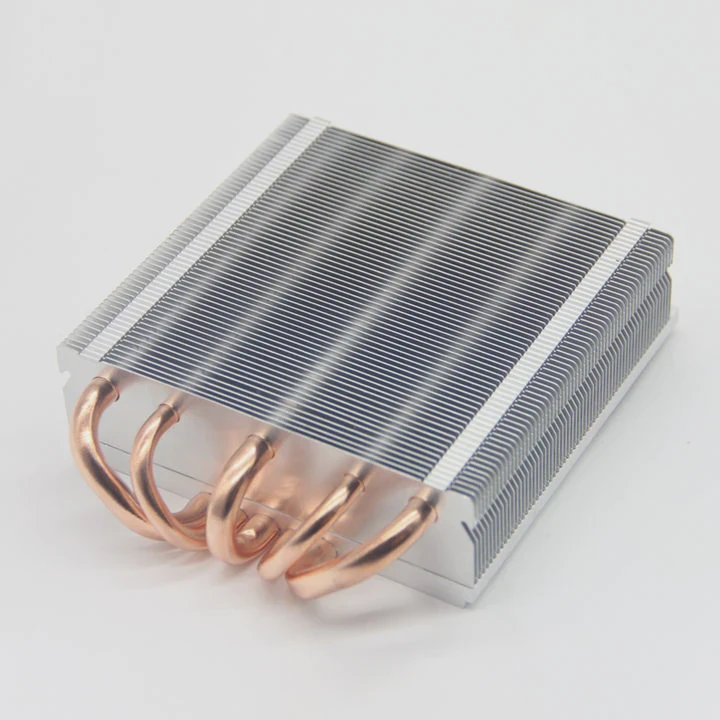
Here’s what industry data and field observations suggest:
| Manufacturing Phase | Scrap Rate Estimate | Common Cause of Scrap |
|---|---|---|
| Pilot / NPI builds | 8–15% | Process instability, trial errors |
| Mature high-volume production | 2–5% | Weld, leak, or handling defects |
| Ultra-tight tolerance builds | 5–10% | Complex wick or geometry issues |
For mass production, maintaining <5% scrap is achievable with good process control and stable designs. But for new development or thin-wall builds, early scrap can exceed 10% until root causes are resolved.
Scrap often occurs late in the process — after sealing or leak testing — which makes it costlier. That’s why many manufacturers invest in upstream detection to catch problems early.
What defects contribute most to Vapor Chamber scrap?
Most scrap results from failures in structural integrity, sealing, or heat path continuity. Some of these can be reworked, but many lead to outright rejection.
The main contributors to scrap are weld/brazing defects, leak failures, deformation, and internal bonding issues.
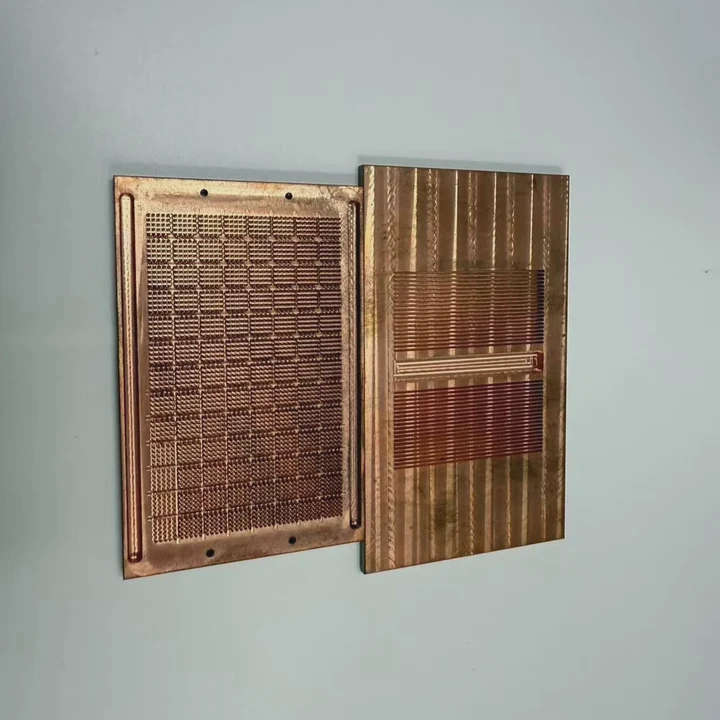
Most common scrap-causing defects
| Defect Type | Description |
|---|---|
| Weld / Brazing Defects | Cracks, voids, porosity, cold joints leading to leaks or structural failure |
| Leak Test Failures | Vacuum leaks detected during final testing, often not repairable |
| Warpage or Deformation | Flatness issues due to thermal distortion during sealing or assembly |
| Wick Separation | Poor bonding between internal wick and shell, hurting performance |
| Surface Damage | Dents, scratches, burrs, or coating defects that break spec or aesthetics |
Failures in leak testing typically result in full part rejection. Some units can be reworked (e.g., re-sealing), but only if structure allows it and the process doesn’t introduce new risks.
For high-volume production, automated welding, consistent wick preparation, and controlled fixturing significantly reduce defect rates.
Can process control reduce Vapor Chamber waste?
Yes. Process control is critical in cutting vapor chamber scrap rates and improving both product consistency and cost efficiency.
By stabilizing welding, controlling materials, and tracking defects, manufacturers can significantly lower waste and improve yield.
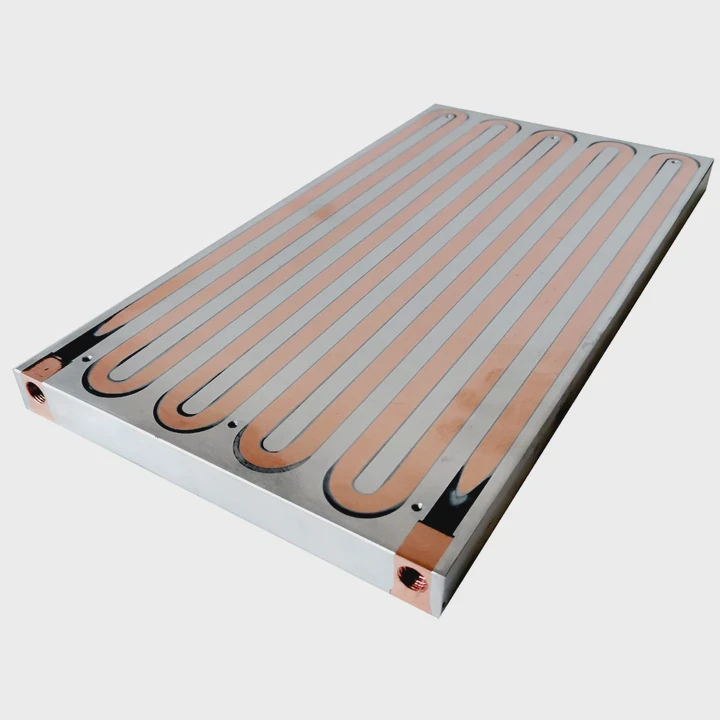
Key waste-reduction methods
1. Welding/Brazing Optimization
- Use jigs and thermal controls to manage heat flow and prevent warping
- Set strict process windows for timing, temperature, and gas flow
- Use automated systems where possible for repeatability
2. Upstream Quality Screening
- Check incoming material flatness, thickness, and alloy spec
- Pre-inspect wick bonding and internal assembly before final sealing
3. Early Testing & Inline Checks
- Perform leak pre-checks before full sealing
- Use pressure drop or visual bubble tests for early leak detection
4. Defect Categorization & Root Cause Analysis
- Track defect types across stations
- Implement real-time feedback and Pareto analysis
| Control Area | Typical Impact |
|---|---|
| Brazing/Welding | Reduces leaks and structural defects |
| Material Inspection | Avoids bad input, lowers rejections |
| Fixture Engineering | Maintains shape, reduces warpage |
| Early Testing | Cuts cost by catching errors sooner |
Over time, well-controlled lines can reduce scrap below 3%. Some aerospace suppliers even target <1%, but only after years of refinement.
Is scrap rate tracked as part of quality metrics for Vapor Chambers?
Yes. Scrap rate is a core production KPI in any quality-driven manufacturing system. Vapor chamber producers often track this alongside yield and defect origin.
Scrap rate is part of daily production reviews, used to measure stability, cost performance, and identify weak points.
Common quality metrics tracked
| Metric | What It Measures |
|---|---|
| Scrap Rate (%) | Percentage of units discarded |
| First Pass Yield | Units that pass all tests without rework |
| Rework Rate | Units that needed repair before passing tests |
| Defect Type Frequency | Most common failure categories |
| Cost of Scrap | Material + labor loss due to rejected parts |
These metrics help identify issues quickly. For example, if scrap spikes during a shift, engineers can check tooling, material batch, or operator error.
High-end customers often demand monthly yield reports, including scrap rate by defect type. A stable scrap rate under 3–5% is often a sign of a mature, capable supplier.
In some cases, buyers tie scrap/yield performance to vendor scorecards or future business awards. Keeping scrap rate low helps retain trust and control production costs.
Conclusion
Scrap rate in vapor chamber production typically ranges from 2% to 10%, depending on process maturity and product complexity. Weld failures, leaks, and deformation are the most frequent causes. With strong process control, early detection, and good fixturing, many issues can be minimized. Leading suppliers track scrap closely as a core KPI — lowering waste means better cost control and higher quality assurance for demanding customers.
TAGS
Latest Articles

Volume discount levels for heat sink orders?
Buyers often ask when heat sink prices start to drop with volume. Many worry they’re overpaying for small orders. This guide explains how B2B volume pricing works for thermal components. Heat sink
21 Dec,2025
Heat sink long-term supply contract options?
Many buyers want stable pricing and reliable delivery for heat sinks. But without a clear contract, risks grow over time. This article explores how to secure better long-term supply deals. Long-term
21 Dec,2025
Tooling cost for new heat sink profiles?
Many engineers struggle to understand why tooling for custom heat sinks costs so much. They worry about budgeting and production timelines. This article breaks down the cost drivers behind tooling.
21 Dec,2025
Heat sink custom sample process steps?
Sometimes, starting a custom heat sink project feels overwhelming—too many steps, too many unknowns, and too many risks. You want a sample, but not endless delays. The process for requesting and
20 Dec,2025
Standard B2B terms for heat sink payments?
When buyers and sellers in B2B heat sink markets talk about payment, many don’t fully understand what’s standard. This can lead to delayed orders, miscommunication, and even lost business
20 Dec,2025
Heat sink pricing factors for large orders?
Heat sinks are vital for many systems. When prices rise, projects stall and budgets break. This problem can hit teams hard without warning. Large order heat sink pricing depends on many factors. You
20 Dec,2025Related Articles
- Heat transfer coefficient of Vapor Chamber?
- How to cut Vapor Chamber to custom shapes?
- Recommended thermal paste for Vapor Chamber?
- Recommended clamps for Vapor Chamber assembly?
- Vapor Chamber flatness measurement process
- Can Vapor Chamber fail under stress?
- Why choose Vapor Chamber over heatsink?
- Vapor Chamber return policy examples?
- Does Vapor Chamber need corrosion protection?
- How to avoid Vapor Chamber leakage?
- Can Vapor Chamber function under vibration?
- Vapor Chamber for telecom cooling racks
Author
Dr. Emily Chen
Chief AI Researcher
Leading expert in thermal dynamics and AI optimization with over 15 years of experience in data center efficiency research.
Categories
Latest Products






Recommend Categories
- Liquid cooling plate Manufacturer
- Industrial Heat Sink Manufacturer
- Standard Heat Sink Manufacturer
- Aluminum Heat Sink Manufacturer
- Copper Heat Sink Manufacturer
- Anodized Heatsink Manufacturer
- Stamping heat sink Manufacturer
- Die Casting Heatsink Manufacturer
- Soldering heat sink Manufacturer
- CNC Parts Manufacturer
Latest Products
- Wholesale Aluminum Radiator
- Water Cooling Plate Kit
- Water Cooling Heat Sink
- Water Cooling Heat Sink Kit
- Stainless Steel Water Distributor
- Server Water Cooling Plate Kit
- Server Liquid Cooling System
- Server Aluminum Cooling Kit
- S19 Full Cover Cooling Plate
- S19 Cooling Plate Kit
- S19 Aluminum Cooling Plate
Contact Expert
Have questions about this article? Reach out to our experts directly.