Does Vapor Chamber need corrosion protection?
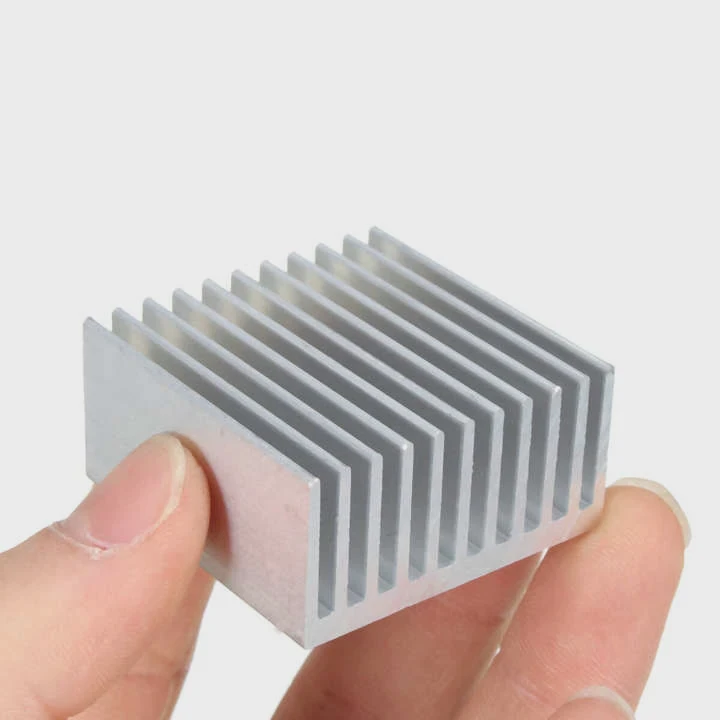
Electronic devices often face humid, variable, or even aggressive environments. A bare metal vapor chamber may slowly degrade if not protected.
Yes — vapor chambers often need corrosion‑resistant surface treatment (nickel plating or similar) especially when built from copper and used in humid or harsh environments.
Let’s examine why, how it’s done, and what happens if we skip protection.
Do Vapor Chambers require surface treatments to prevent corrosion?
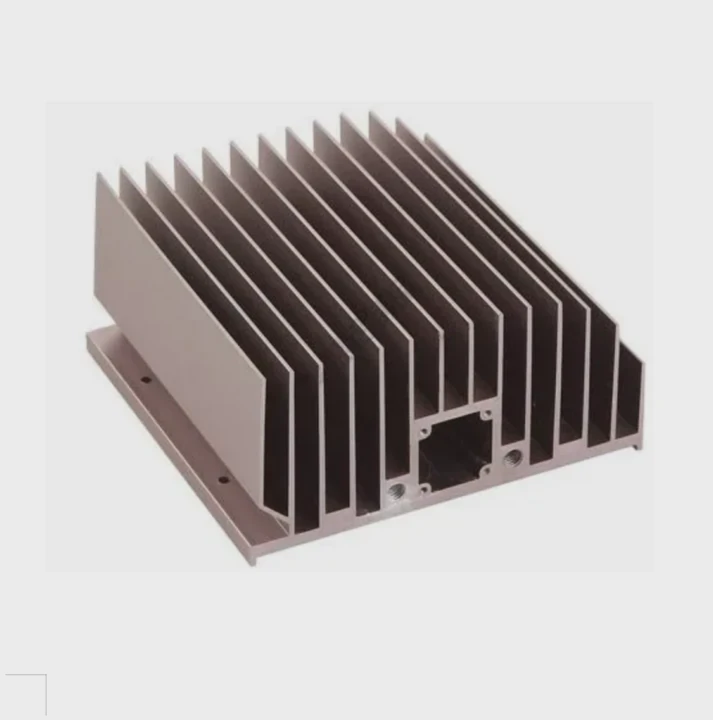
Vapor chambers made of metals like copper may corrode over time when exposed to moisture, air, or other corrosive agents. Without treatment, oxidation or corrosion can weaken the enclosure or cause leaks. In real-world conditions such as high humidity or temperature cycling, corrosion protection significantly improves reliability.
Surface treatment, like nickel plating, is often necessary to prevent oxidation and leakage that may develop in harsh conditions.
Manufacturers frequently apply coatings or plating before vapor chambers leave the factory. These barriers block environmental moisture, oxygen, or contaminants from reacting with the metal base.
Most commonly, a thin nickel layer coats the outside of a copper vapor chamber. It provides a dense, corrosion-resistant layer while maintaining good thermal conductivity and solderability. In some cases, electroless nickel or a nickel-chromium alloy might be used for improved protection or aesthetic finish.
Are materials like copper vulnerable in humid environments?
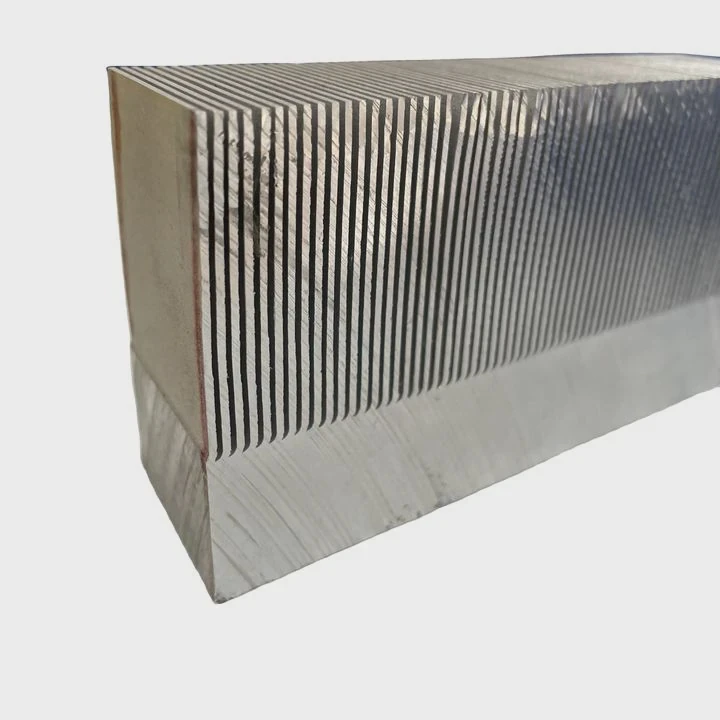
Yes. Copper is one of the most widely used materials for vapor chambers because of its excellent thermal properties. But chemically, it oxidizes when exposed to air and moisture — especially over time.
In humid environments, untreated copper corrodes, forming greenish oxides and pits that can damage the structure and reduce thermal performance.
Over time, this oxidation can lead to:
- Surface discoloration and tarnish
- Micropitting or cavity formation
- Structural weakness around seams or joints
- Risk of vacuum leaks
- Degradation of internal wick bonding
Such corrosion is especially dangerous for vapor chambers because it can destroy the hermetic seal. Even minor pitting can lead to long-term leakage of the working fluid or intrusion of ambient air, which completely disrupts the phase-change cycle inside.
In sealed systems with poor airflow or trapped humidity — such as automotive interiors, LED housings, or outdoor gear — untreated copper chambers are at high risk.
Adding surface treatment minimizes this risk while preserving thermal performance.
Is nickel-plating or anodizing used for protection?
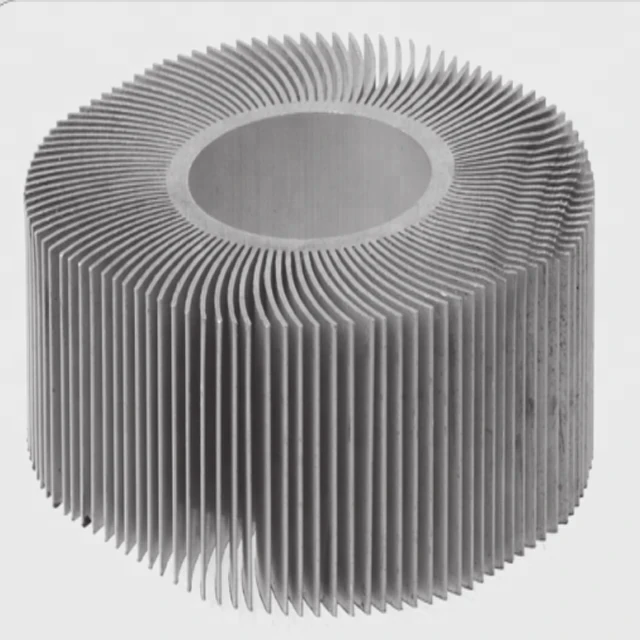
Nickel plating is the most common protection method for copper-based vapor chambers, while anodizing is mainly used for aluminum components.
Nickel plating offers several benefits:
- Excellent corrosion resistance
- Improved solderability for fins or assemblies
- Durable surface finish
- Compatibility with cosmetic finishing (if visible part)
The plating is often electroless, forming a uniform thickness over the chamber’s complex shapes, corners, or bends. Typical thickness ranges from 3 to 10 microns, depending on environmental risk.
Aluminum vapor chambers (less common due to lower conductivity) may use anodizing. This electrochemical process builds a hard, corrosion-resistant oxide layer on the aluminum surface. While anodizing doesn’t work for copper, it is a proven technique for aluminum heat spreaders or housings.
Other treatments include:
- Chemical passivation
- Teflon or polymer coatings (for severe environments)
- Solderable surface layers (Sn, Ag)
The right coating depends on operating environment, mechanical constraints, cost, and aesthetics.
Does corrosion impact long-term performance of Vapor Chambers?
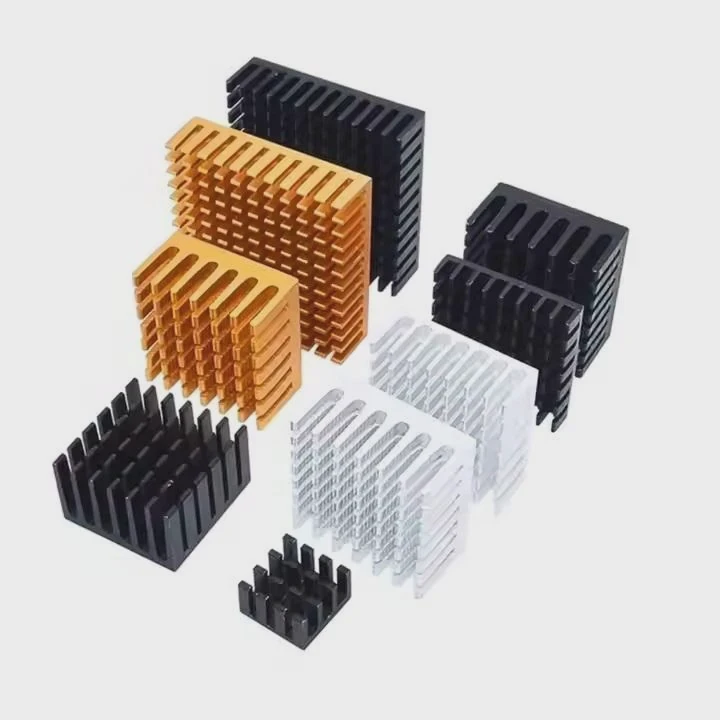
Yes — and often in irreversible ways.
Corrosion can compromise the structural seal, leak vacuum, contaminate the working fluid, damage wick structures, and cause permanent loss of thermal performance.
Over years, even slow oxidation around the seam or filler port can open micro-leaks. Once air or moisture enters the vacuum space, the internal cycle breaks. Condensation or evaporation stops working efficiently. As a result, the chamber might overheat, deform, or lose function entirely.
Internal corrosion (from fluid decomposition or seal failure) may:
- Clog the wick structure
- Generate non-condensable gases
- Raise internal pressure
- Shift boiling point or capillary action
In high-reliability sectors like aerospace, data centers, or EVs, such failures are unacceptable. That’s why qualified chambers are tested not only for thermal resistance, but also for corrosion resistance, aging, and vacuum stability.
Adding corrosion protection (like nickel plating) extends vapor chamber life from 3–5 years (bare copper) to 10+ years under industrial conditions.
Conclusion
Vapor chambers need corrosion protection — especially when made from copper and used in humid or rugged environments. Surface treatments like nickel plating prevent oxidation, improve lifespan, and preserve vacuum seal integrity. Corrosion is not just cosmetic; it can destroy long-term performance by causing leaks or fluid breakdown. Design with protection in mind to ensure vapor chamber reliability and durability.
TAGS
Latest Articles

Volume discount levels for heat sink orders?
Buyers often ask when heat sink prices start to drop with volume. Many worry they’re overpaying for small orders. This guide explains how B2B volume pricing works for thermal components. Heat sink
21 Dec,2025
Heat sink long-term supply contract options?
Many buyers want stable pricing and reliable delivery for heat sinks. But without a clear contract, risks grow over time. This article explores how to secure better long-term supply deals. Long-term
21 Dec,2025
Tooling cost for new heat sink profiles?
Many engineers struggle to understand why tooling for custom heat sinks costs so much. They worry about budgeting and production timelines. This article breaks down the cost drivers behind tooling.
21 Dec,2025
Heat sink custom sample process steps?
Sometimes, starting a custom heat sink project feels overwhelming—too many steps, too many unknowns, and too many risks. You want a sample, but not endless delays. The process for requesting and
20 Dec,2025
Standard B2B terms for heat sink payments?
When buyers and sellers in B2B heat sink markets talk about payment, many don’t fully understand what’s standard. This can lead to delayed orders, miscommunication, and even lost business
20 Dec,2025
Heat sink pricing factors for large orders?
Heat sinks are vital for many systems. When prices rise, projects stall and budgets break. This problem can hit teams hard without warning. Large order heat sink pricing depends on many factors. You
20 Dec,2025Related Articles
- Vapor Chamber return policy examples?
- Why choose Vapor Chamber over heatsink?
- What is Vapor Chamber scrap rate?
- Heat transfer coefficient of Vapor Chamber?
- How to cut Vapor Chamber to custom shapes?
- Recommended thermal paste for Vapor Chamber?
- How to avoid Vapor Chamber leakage?
- Can Vapor Chamber function under vibration?
- Vapor Chamber for telecom cooling racks
- Which industries demand Vapor Chamber most?
- Vapor Chamber material selection guidelines
- Recommended inspection tools for Vapor Chamber?
Author
Dr. Emily Chen
Chief AI Researcher
Leading expert in thermal dynamics and AI optimization with over 15 years of experience in data center efficiency research.
Categories
Latest Products






Recommend Categories
- Liquid cooling plate Manufacturer
- Industrial Heat Sink Manufacturer
- Standard Heat Sink Manufacturer
- Aluminum Heat Sink Manufacturer
- Copper Heat Sink Manufacturer
- Anodized Heatsink Manufacturer
- Stamping heat sink Manufacturer
- Die Casting Heatsink Manufacturer
- Soldering heat sink Manufacturer
- CNC Parts Manufacturer
Latest Products
- Wholesale Aluminum Radiator
- Water Cooling Plate Kit
- Water Cooling Heat Sink
- Water Cooling Heat Sink Kit
- Stainless Steel Water Distributor
- Server Water Cooling Plate Kit
- Server Liquid Cooling System
- Server Aluminum Cooling Kit
- S19 Full Cover Cooling Plate
- S19 Cooling Plate Kit
- S19 Aluminum Cooling Plate
Contact Expert
Have questions about this article? Reach out to our experts directly.