Heat transfer coefficient of Vapor Chamber?
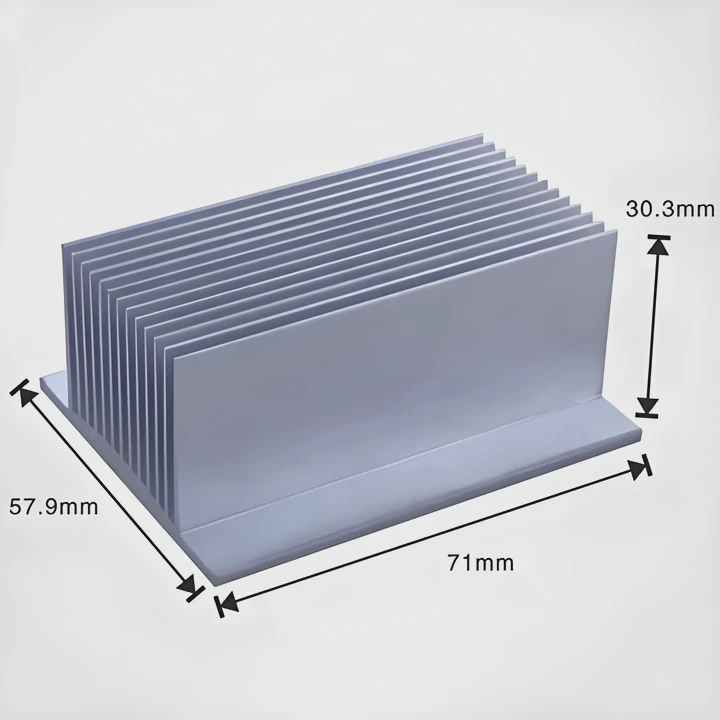
Many engineers wonder whether a vapor chamber truly outperforms a solid block. Without real numbers, this doubt remains. A clear understanding of heat transfer coefficients clears confusion.
A well-optimized vapor chamber can deliver effective thermal conductivities of 5000 W/m·K or higher, far exceeding solid copper.
This performance comes from internal vapor-liquid cycling, not just metal conduction.
What is the effective heat transfer coefficient of a Vapor Chamber?
Vapor chambers move heat not only through conduction but also by phase change. Heat from a device evaporates a liquid; vapor travels across the chamber, condenses, and returns by capillary action. This cycle creates a highly efficient heat transfer mechanism.
The effective heat transfer coefficient is extremely high—commonly above 10,000 W/(m²·K), depending on design and conditions.
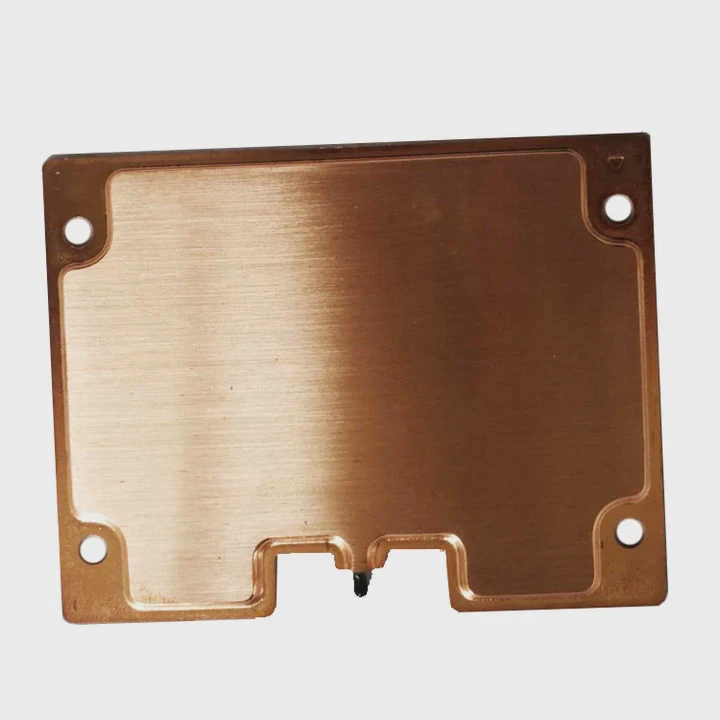
The term “effective thermal conductivity” is often used as a simple comparison metric. A typical vapor chamber might behave like a block with 5000–20,000 W/m·K thermal conductivity. For context, solid copper is ~401 W/m·K. This value is not constant—it changes with wick structure, orientation, filling rate, and operating temperature.
Unlike a copper plate, which only spreads heat by direct conduction, vapor chambers can quickly equalize temperature over wide areas. That makes them ideal for high-power density and hotspot control.
How does it compare to solid copper plate?
Solid copper is the go-to material for heat spreading due to its high thermal conductivity. But its performance falls short when dealing with localized hotspots or uneven heating.
Vapor chambers outperform solid copper by a wide margin, especially in spreading heat over large areas.
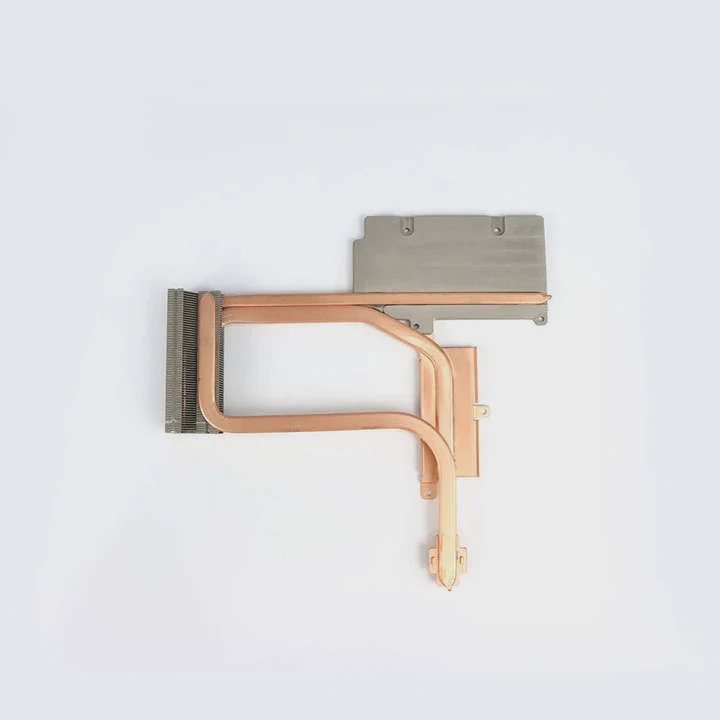
Performance Comparison Table
| Property | Solid Copper Plate | Vapor Chamber |
|---|---|---|
| Thermal Conductivity (W/m·K) | ~401 | 5000–20000 (effective) |
| Heat Spreading Efficiency | Medium | Very High |
| Temperature Uniformity | Lower | Excellent |
| Response to Hotspots | Limited | Strong Dampening |
| Weight for Same Performance | Heavier | Lighter (for same spreading area) |
The biggest strength of a vapor chamber is its ability to reduce temperature gradients. While a copper plate might show 5–10°C difference across its surface under load, a vapor chamber often reduces that to just 1–2°C.
This is critical in applications like CPUs, GPUs, or power electronics where even slight thermal imbalance can reduce reliability or performance.
Does wick structure affect this coefficient?
Yes. The wick is what returns condensed liquid to the hot zone. Without a good wick, liquid return is slow or fails—causing dry-out, hot spots, or total thermal failure.
The wick structure directly controls how much heat a vapor chamber can carry and how evenly it spreads heat.
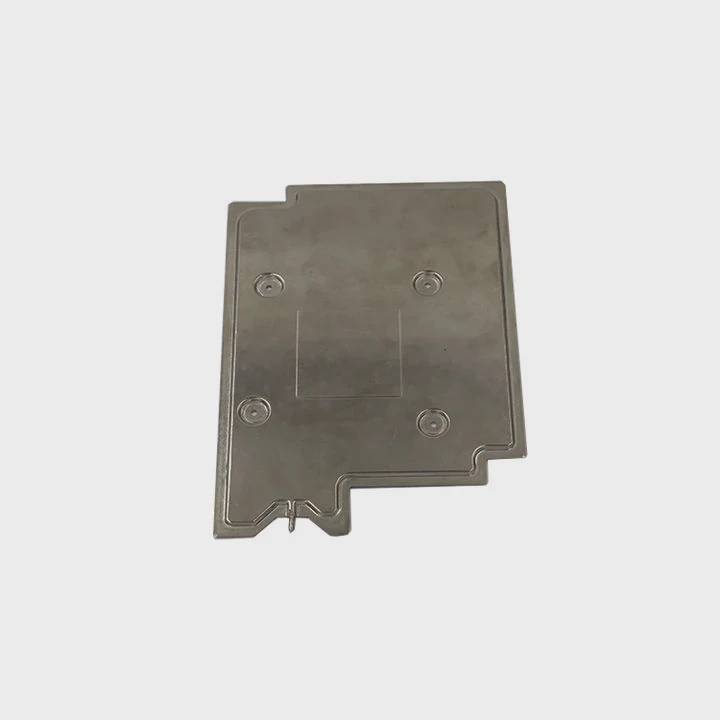
How Wick Structure Impacts Performance
- Sintered wick: Fine powder fused into porous layer. High capillary force, good for low power.
- Grooved wick: Machined channels. Lower capillary force, but fast liquid flow.
- Mesh wick: Woven screen layers. Moderate performance and easy to make.
- Hybrid wick: Combines multiple types. Often used in high-end designs.
Example Table: Wick Type vs Heat Transfer Efficiency
| Wick Type | Capillary Return | Max Heat Load | Effective Conductivity Impact |
|---|---|---|---|
| Sintered | High | Medium | Very Good |
| Grooved | Medium | High | Good |
| Mesh | Low | Low | Moderate |
| Hybrid | Very High | Very High | Excellent |
Good wick design ensures even liquid return, maintains vacuum stability, and avoids overheating. Wick layout also affects startup time and steady-state flatness. Without a good wick, no vapor chamber can achieve high heat transfer coefficients.
Is the coefficient influenced by working fluid choice?
Yes. The internal fluid drives the evaporation-condensation cycle. The fluid’s thermophysical properties—like boiling point, latent heat, viscosity, and surface tension—change how fast heat can be absorbed and released.
Different working fluids produce different heat transfer coefficients due to variations in phase change behavior.
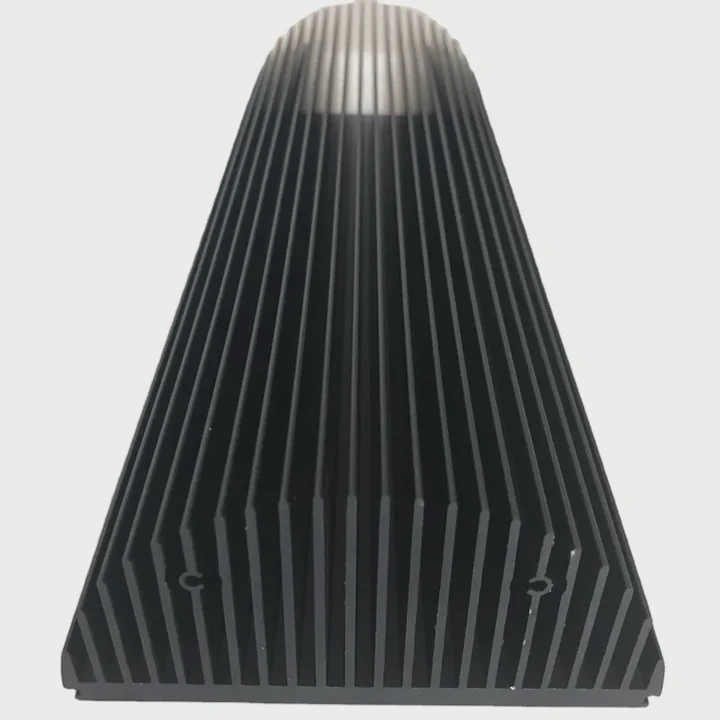
Water is the most common fluid due to its high latent heat and low cost. But in low-temp or special environments, other fluids are used.
Common Fluids and Their Effects
| Fluid | Operating Temp Range | Latent Heat (kJ/kg) | Notes |
|---|---|---|---|
| Water | 30–150°C | ~2257 | High efficiency, standard |
| Methanol | -40–120°C | ~1100 | Low freezing point |
| Ammonia | -60–100°C | ~1370 | High pressure at low temps |
| Acetone | -40–120°C | ~520 | Good for cold environments |
The choice of fluid determines:
- Startup time
- Max heat load
- Safe pressure range
- Compatibility with chamber material
Even the same vapor chamber can perform differently with different fluids inside. Advanced designs choose a fluid-wick combination tailored to target temperatures and loads.
Conclusion
Vapor chambers offer dramatically higher heat transfer coefficients than solid metals by using internal phase change cycles. Their performance depends on wick structure and fluid choice. In real applications, they spread heat faster, manage hotspots better, and save weight compared to copper blocks. Choosing the right wick and fluid allows engineers to fine-tune performance for each use case.
TAGS
Latest Articles

Volume discount levels for heat sink orders?
Buyers often ask when heat sink prices start to drop with volume. Many worry they’re overpaying for small orders. This guide explains how B2B volume pricing works for thermal components. Heat sink
21 Dec,2025
Heat sink long-term supply contract options?
Many buyers want stable pricing and reliable delivery for heat sinks. But without a clear contract, risks grow over time. This article explores how to secure better long-term supply deals. Long-term
21 Dec,2025
Tooling cost for new heat sink profiles?
Many engineers struggle to understand why tooling for custom heat sinks costs so much. They worry about budgeting and production timelines. This article breaks down the cost drivers behind tooling.
21 Dec,2025
Heat sink custom sample process steps?
Sometimes, starting a custom heat sink project feels overwhelming—too many steps, too many unknowns, and too many risks. You want a sample, but not endless delays. The process for requesting and
20 Dec,2025
Standard B2B terms for heat sink payments?
When buyers and sellers in B2B heat sink markets talk about payment, many don’t fully understand what’s standard. This can lead to delayed orders, miscommunication, and even lost business
20 Dec,2025
Heat sink pricing factors for large orders?
Heat sinks are vital for many systems. When prices rise, projects stall and budgets break. This problem can hit teams hard without warning. Large order heat sink pricing depends on many factors. You
20 Dec,2025Related Articles
- How to cut Vapor Chamber to custom shapes?
- Recommended thermal paste for Vapor Chamber?
- Recommended clamps for Vapor Chamber assembly?
- Vapor Chamber flatness measurement process
- Can Vapor Chamber fail under stress?
- Vapor Chamber heat spreading comparison?
- What is Vapor Chamber scrap rate?
- Why choose Vapor Chamber over heatsink?
- Vapor Chamber return policy examples?
- Does Vapor Chamber need corrosion protection?
- How to avoid Vapor Chamber leakage?
- Can Vapor Chamber function under vibration?
Author
Dr. Emily Chen
Chief AI Researcher
Leading expert in thermal dynamics and AI optimization with over 15 years of experience in data center efficiency research.
Categories
Latest Products






Recommend Categories
- Liquid cooling plate Manufacturer
- Industrial Heat Sink Manufacturer
- Standard Heat Sink Manufacturer
- Aluminum Heat Sink Manufacturer
- Copper Heat Sink Manufacturer
- Anodized Heatsink Manufacturer
- Stamping heat sink Manufacturer
- Die Casting Heatsink Manufacturer
- Soldering heat sink Manufacturer
- CNC Parts Manufacturer
Latest Products
- Wholesale Aluminum Radiator
- Water Cooling Plate Kit
- Water Cooling Heat Sink
- Water Cooling Heat Sink Kit
- Stainless Steel Water Distributor
- Server Water Cooling Plate Kit
- Server Liquid Cooling System
- Server Aluminum Cooling Kit
- S19 Full Cover Cooling Plate
- S19 Cooling Plate Kit
- S19 Aluminum Cooling Plate
Contact Expert
Have questions about this article? Reach out to our experts directly.