Does 7800X3D need liquid cooling?
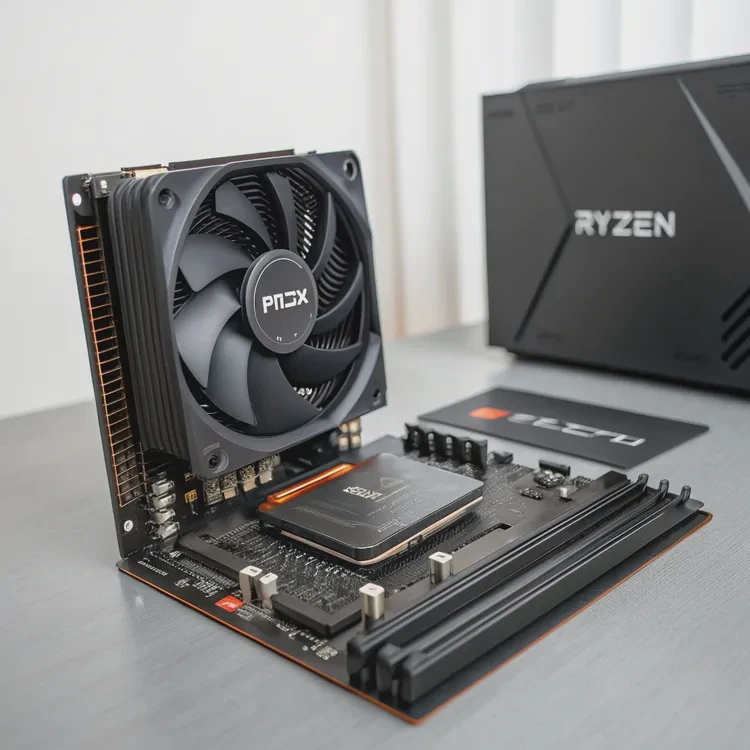
The Ryzen 7 7800X3D is powerful but runs cool. Many users wonder if it really needs liquid cooling or if air cooling is enough.
The Ryzen 7 7800X3D does not require liquid cooling for most users. A good air cooler can handle it well, but liquid cooling helps in small cases or heavy gaming setups.
Still, the answer depends on how the processor is used, the system’s airflow, and personal preferences about noise and appearance.
What is the Ryzen 7 7800X3D?
The Ryzen 7 7800X3D is one of AMD’s most efficient gaming CPUs. It uses 3D V-Cache technology to increase game performance without high power consumption.
The Ryzen 7 7800X3D is an 8-core, 16-thread CPU with 3D-stacked cache for high gaming speed and low heat output. It focuses on performance per watt rather than raw frequency.
This CPU runs on AMD’s AM5 platform, supporting DDR5 memory and PCIe 5.0. It features a base clock of 4.2GHz and a boost clock up to 5.0GHz. The most special part is the 96MB L3 cache, which greatly improves frame rates in CPU-bound games.
Why it stands out
The 7800X3D’s efficiency means it doesn’t need a big power supply or extreme cooling. Its TDP is 120W, but in most workloads, it consumes less. Many reviewers notice that it stays around 80°C with a mid-range air cooler.
However, due to its 3D V-Cache, AMD locks voltage controls to protect the chip, so manual overclocking is limited. That’s why efficient cooling helps maintain stable performance under high load without risk.
| Specification | Ryzen 7 7800X3D |
|---|---|
| Cores / Threads | 8 / 16 |
| Base Clock | 4.2 GHz |
| Boost Clock | 5.0 GHz |
| L3 Cache | 96 MB (3D V-Cache) |
| TDP | 120W |
| Socket | AM5 |
The processor is ideal for gamers and creators who want quiet operation, long lifespan, and high frame rates without extreme tuning.
What benefits does liquid cooling bring to it?
Gamers often want to push their systems to the best thermal and acoustic balance. Even if the 7800X3D runs cool, liquid cooling still has clear advantages.
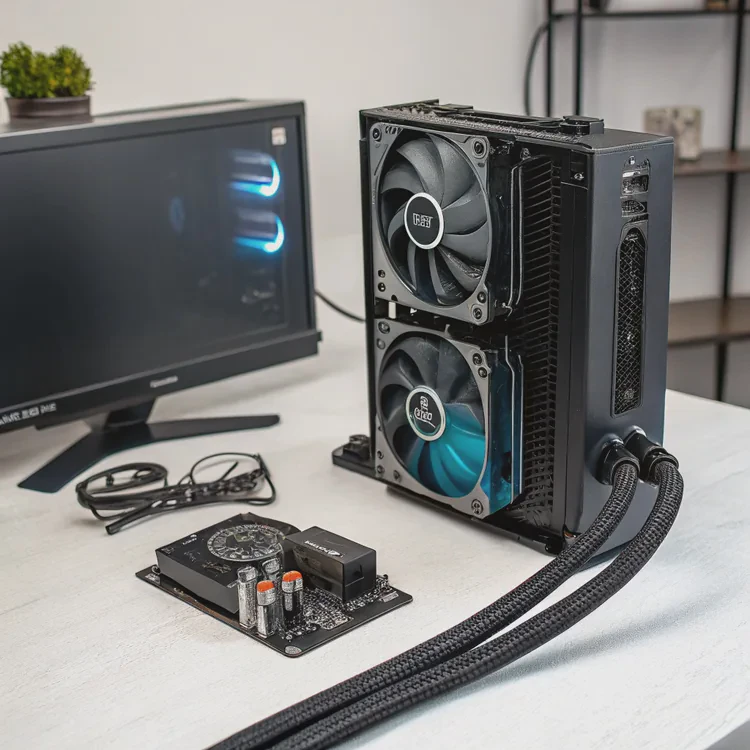
Liquid cooling helps lower peak temperature, reduces fan noise, and improves system aesthetics, especially in compact or RGB builds.
1. Better thermal performance
Liquid coolers use a pump and radiator to move heat more efficiently. This helps maintain lower average temperatures under long gaming sessions. While the 7800X3D does not overheat easily, liquid cooling can reduce temperature spikes by 5–10°C compared to air coolers.
2. Quieter system
Because of better heat transfer, radiator fans can run slower. This means the system stays quieter, which is important for streaming or content creation.
3. Improved aesthetics and flexibility
Liquid coolers offer sleek design and RGB customization. They also free up space around the CPU socket, making it easier to manage cables or memory modules.
4. Stability in warm environments
In hot rooms or small cases with limited airflow, liquid cooling ensures consistent temperature and avoids thermal throttling.
| Cooling Type | Pros | Cons |
|---|---|---|
| Air Cooling | Affordable, easy to install, reliable | Bulkier, noisier under load |
| Liquid Cooling | Lower temps, quieter, stylish | More expensive, needs careful setup |
So while liquid cooling is not a must for 7800X3D, it becomes valuable for users who seek silence, stability, or premium looks.
How to choose the right cooler for 7800X3D?
There are many coolers on the market, and not all are ideal for the 7800X3D. Choosing the right one depends on case size, noise preference, and budget.
For most 7800X3D users, a high-end air cooler or 240mm AIO liquid cooler gives the best balance between cost and performance.
Step 1: Check your case clearance
Before buying, confirm the maximum cooler height or radiator length your case supports. A mid-tower can often fit a 240mm radiator or a 160mm air cooler.
Step 2: Choose based on usage
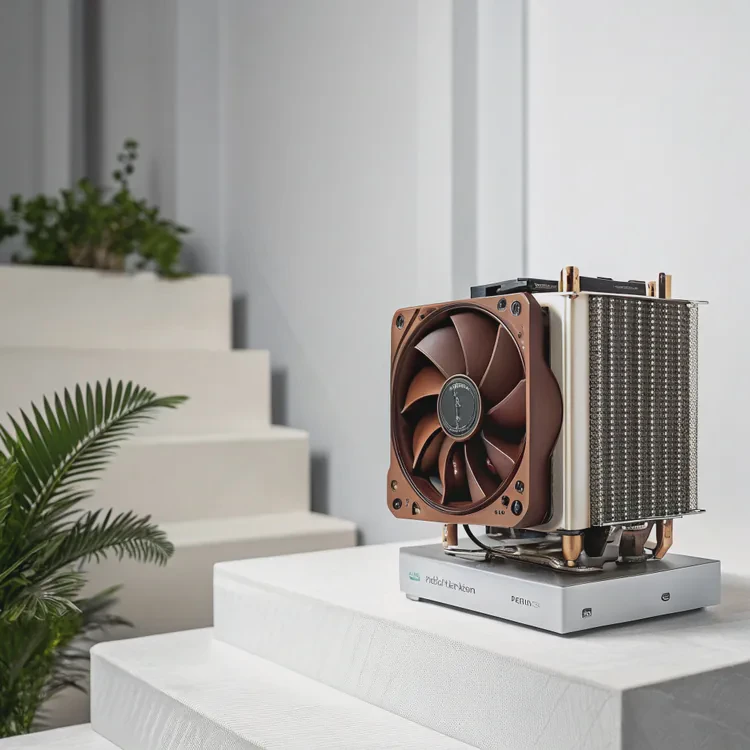
If your main focus is gaming or light workloads, an air cooler like the Noctua NH-U12A or DeepCool AK620 is more than enough.
If you do heavy multitasking, rendering, or live streaming, a 240mm or 280mm liquid cooler like Arctic Liquid Freezer II or Corsair H100i is ideal.
Step 3: Consider noise and appearance
Air coolers are often cheaper but larger, while liquid coolers look cleaner and run quieter. If you value aesthetics or plan to display your build, a liquid cooler is a better fit.
Step 4: Ensure compatibility
Since the 7800X3D uses the AM5 socket, make sure the cooler includes AM5 mounting hardware. Most 2024–2025 models already do.
My quick recommendation
For quiet and reliable cooling, I prefer the DeepCool AK620 for air or the Arctic Liquid Freezer II 240 for AIO. Both offer great temperature control without overkill.
What are AMD cooling trends in 2025?
The CPU cooling industry evolves fast. AMD’s recent roadmap shows clear trends for efficient and smart thermal management.
In 2025, AMD’s cooling trend focuses on efficiency, AI-based thermal control, and eco-friendly materials, supporting smaller, more powerful systems.
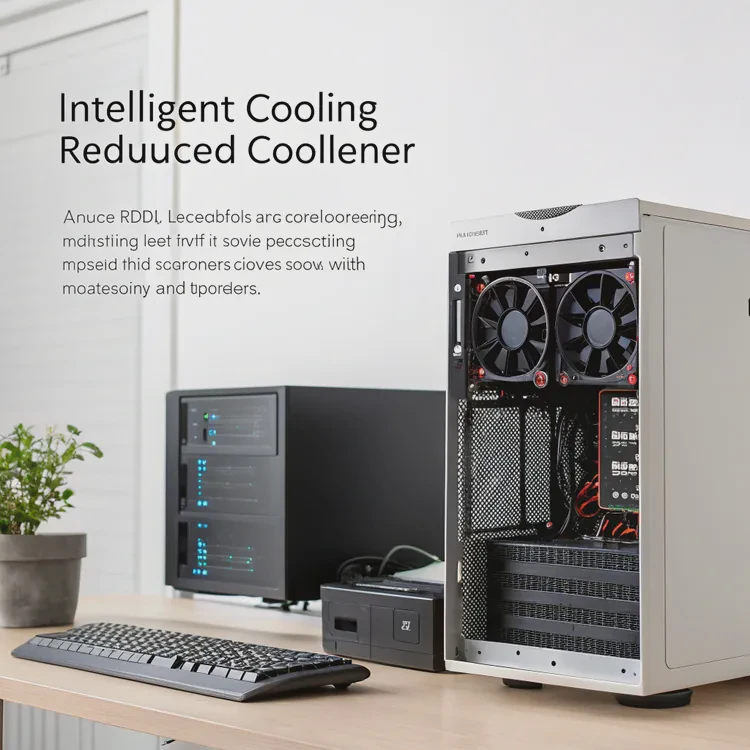
1. Smarter temperature management
New motherboards and firmware support adaptive fan curves and precision boost adjustments. This lets the CPU manage temperature intelligently, reducing the need for oversized coolers.
2. Rise of eco-friendly cooling solutions
Manufacturers now use recyclable materials and energy-efficient pumps or fans. Many brands adopt low-power designs that cut energy consumption by up to 30%.
3. Compact liquid systems
Small form factor builds are becoming common. AMD partners with cooler brands to create ultra-thin AIO units and vapor chamber-based designs that fit in ITX cases without performance loss.
4. Integration with AI tuning
AI algorithms adjust fan speed and voltage based on workload prediction. It means the system can keep the 7800X3D cool while remaining whisper quiet.
5. Hybrid cooling designs
Some new designs combine vapor chambers and liquid systems to improve response to sudden temperature changes, especially for next-gen chips with higher density.
These trends show AMD’s focus on user experience rather than raw power. The goal is silent, smart, and sustainable cooling — perfectly matching the efficient nature of the Ryzen 7 7800X3D.
Conclusion
The Ryzen 7 7800X3D does not strictly need liquid cooling, but it benefits from it in noise reduction and thermal consistency. A strong air cooler works well for most users, while a 240mm AIO is perfect for premium builds or warm environments. Cooling in 2025 is moving toward smarter, greener, and quieter designs.
TAGS
Latest Articles

Volume discount levels for heat sink orders?
Buyers often ask when heat sink prices start to drop with volume. Many worry they’re overpaying for small orders. This guide explains how B2B volume pricing works for thermal components. Heat sink
21 Dec,2025
Heat sink long-term supply contract options?
Many buyers want stable pricing and reliable delivery for heat sinks. But without a clear contract, risks grow over time. This article explores how to secure better long-term supply deals. Long-term
21 Dec,2025
Tooling cost for new heat sink profiles?
Many engineers struggle to understand why tooling for custom heat sinks costs so much. They worry about budgeting and production timelines. This article breaks down the cost drivers behind tooling.
21 Dec,2025
Heat sink custom sample process steps?
Sometimes, starting a custom heat sink project feels overwhelming—too many steps, too many unknowns, and too many risks. You want a sample, but not endless delays. The process for requesting and
20 Dec,2025
Standard B2B terms for heat sink payments?
When buyers and sellers in B2B heat sink markets talk about payment, many don’t fully understand what’s standard. This can lead to delayed orders, miscommunication, and even lost business
20 Dec,2025
Heat sink pricing factors for large orders?
Heat sinks are vital for many systems. When prices rise, projects stall and budgets break. This problem can hit teams hard without warning. Large order heat sink pricing depends on many factors. You
20 Dec,2025Related Articles
- Does Liquid Cooling Run Out?
- How Good Is Liquid Cooling?
- What is liquid cool technology?
- Is CPU liquid cooling worth it?
- How liquid CPU cooler works?
- Does the Ryzen 7 7800X3D need liquid cooling?
- Is liquid cooling necessary?
- How to flush liquid cooling system?
- Is liquid cooling louder than air?
- How to test a liquid cooling system?
- Is iBUYPOWER liquid cooling good?
- When a sample of liquid is cooled, its thermal energy?
Author
Dr. Emily Chen
Chief AI Researcher
Leading expert in thermal dynamics and AI optimization with over 15 years of experience in data center efficiency research.
Categories
Latest Products






Recommend Categories
- Liquid cooling plate Manufacturer
- Industrial Heat Sink Manufacturer
- Standard Heat Sink Manufacturer
- Aluminum Heat Sink Manufacturer
- Copper Heat Sink Manufacturer
- Anodized Heatsink Manufacturer
- Stamping heat sink Manufacturer
- Die Casting Heatsink Manufacturer
- Soldering heat sink Manufacturer
- CNC Parts Manufacturer
Latest Products
- Wholesale Aluminum Radiator
- Water Cooling Plate Kit
- Water Cooling Heat Sink
- Water Cooling Heat Sink Kit
- Stainless Steel Water Distributor
- Server Water Cooling Plate Kit
- Server Liquid Cooling System
- Server Aluminum Cooling Kit
- S19 Full Cover Cooling Plate
- S19 Cooling Plate Kit
- S19 Aluminum Cooling Plate
Contact Expert
Have questions about this article? Reach out to our experts directly.