Does Liquid Cooling Run Out?
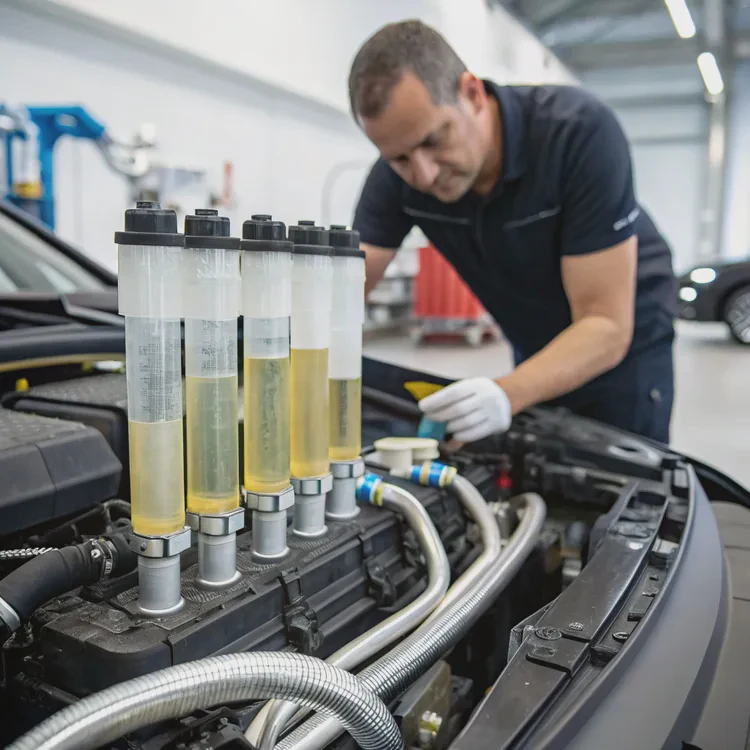
Many people worry that liquid cooling systems might “run out” of liquid like a car engine does. It’s a common question, especially for high-performance or industrial systems.
In a closed liquid cooling system, the coolant does not run out under normal operation because it circulates in a sealed loop.
Still, issues like evaporation, leakage, or degradation over time can cause loss of coolant. Let’s look closer at what the coolant is, what happens when it runs out, and how to prevent such problems.
What Is the Coolant in Liquid Cooling Systems?
Not all liquids can be used for cooling. Water alone isn’t ideal because it can cause corrosion or biological growth.
Coolant in liquid cooling systems is usually a special fluid mixture made from water, glycol, and anti-corrosion or anti-fungal additives.
Common Coolant Types
| Coolant Type | Composition | Application |
|---|---|---|
| Water-Glycol Mixture | 70% water + 30% ethylene or propylene glycol | Data centers, power modules |
| Dielectric Fluid | Synthetic non-conductive oil | Immersion cooling, electronics |
| Nanofluid | Water or glycol with nanoparticles | High-efficiency thermal systems |
| Phase Change Coolant | Special fluid that evaporates and condenses | Aerospace and high-density electronics |
Key Coolant Properties
- High Thermal Conductivity – to transfer heat quickly.
- Chemical Stability – to avoid breakdown over long periods.
- Low Electrical Conductivity – to prevent short circuits if leaks occur.
- Corrosion Protection – to protect metal components from damage.
- Biological Resistance – to stop algae or bacteria growth.
In most engineered systems, the coolant is selected not just for performance, but also for safety, reliability, and compatibility with system materials.
What Happens When Coolant Runs Out?
Coolant running out sounds dramatic, but in a well-designed system, it’s very unlikely. Still, small leaks or evaporation over long use can lead to problems.
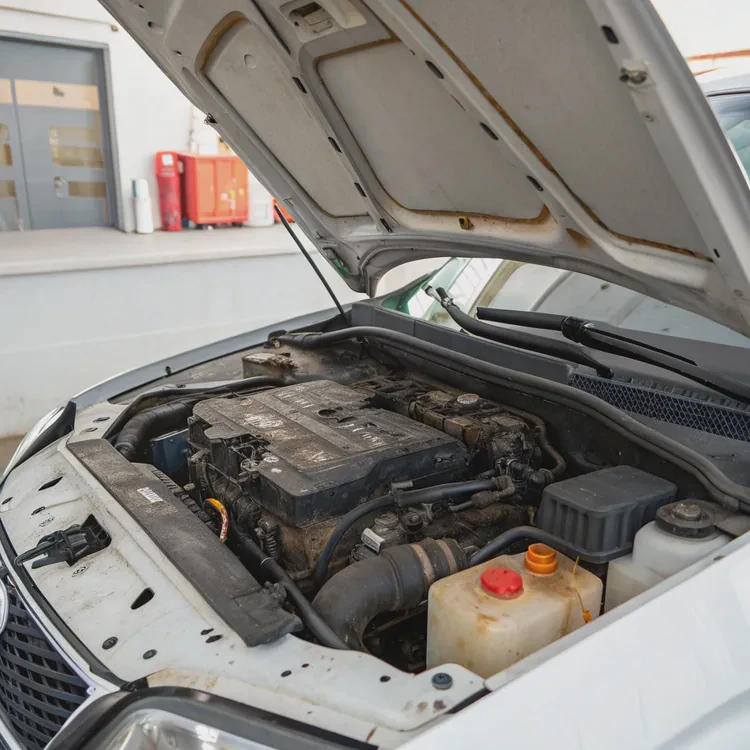
If coolant runs out, the system loses its ability to transfer heat, causing temperature spikes, reduced performance, and potential hardware damage.
Typical Consequences
1. Overheating
Without enough coolant, heat accumulates at the source. Components can reach unsafe temperatures quickly.
2. Pump Damage
Pumps rely on liquid flow for lubrication and cooling. Running dry can destroy seals or bearings.
3. Pressure Drop
Loss of liquid reduces system pressure, leading to air bubbles or flow interruption.
4. Corrosion Risk
If coolant levels drop, exposed metal surfaces can oxidize faster.
Signs of Coolant Loss
- Rising component temperatures
- Air noise in the pump or radiator
- Reduced flow rate on the monitor
- Visible liquid residue around joints or connectors
In one case from my own testing, a client noticed erratic thermal readings in their inverter cooling loop. The issue turned out to be micro-leakage at a brazed joint — a tiny defect that led to gradual coolant evaporation. This showed how small imperfections can cause real-world reliability issues.
How to Prevent Coolant Loss?
Every drop of coolant matters for stable thermal management. The key is proactive design and regular inspection.
Coolant loss can be prevented by using sealed loops, high-quality fittings, compatible materials, and scheduled maintenance checks.
Design-Level Prevention
1. Use a Closed-Loop System
Closed loops are sealed, preventing evaporation and external contamination.
2. Quality Sealing and Materials
O-rings, gaskets, and welds must be compatible with the fluid and temperature range.
3. Expansion Tanks
These help balance pressure changes due to temperature fluctuations.
4. Proper Material Pairing
Mixing metals like aluminum and copper can cause galvanic corrosion. Engineers must match materials carefully.
Maintenance-Level Prevention
| Maintenance Action | Frequency | Description |
|---|---|---|
| Visual Inspection | Monthly | Check for leaks, discoloration, or residue |
| Coolant Level Check | Quarterly | Ensure reservoir levels are stable |
| Fluid Replacement | Every 12–24 months | Replace coolant to maintain chemical balance |
| Seal and Pump Check | Yearly | Inspect fittings and pump integrity |
| System Pressure Test | As needed | Verify no micro-leaks under load |
Monitoring and Sensors
Modern liquid cooling systems often include:
- Flow sensors to detect changes in rate
- Temperature probes for real-time feedback
- Pressure gauges to spot leaks early
In my own workshop, I use these monitoring tools during both development and production tests. They help confirm that coolant stability remains consistent even under heavy thermal cycling.
What Are the Maintenance Trends in Liquid Cooling?
As liquid cooling becomes mainstream in data centers, EVs, and electronics, maintenance practices are evolving too.
The latest maintenance trends focus on predictive analytics, longer-lasting coolants, and maintenance-free sealed designs.
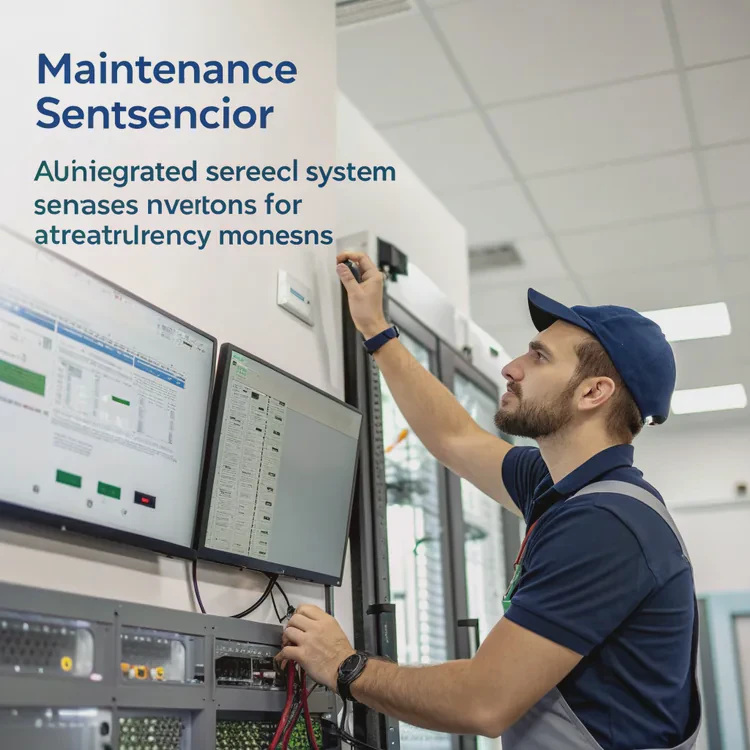
Trend 1: Predictive Maintenance with Sensors
AI and IoT integration allow systems to predict leaks or degradation before they happen. Data from sensors helps schedule maintenance only when needed.
Trend 2: Long-Life Coolants
Manufacturers are now developing coolants that can last over 10 years without performance loss. These formulations resist oxidation and microbial growth.
Trend 3: Modular Cooling Units
Instead of replacing the whole loop, modular units can be swapped quickly. This reduces downtime and improves serviceability.
Trend 4: Smart Filtration Systems
Automatic filters remove debris or contaminants that may form over time, keeping coolant clean and efficient.
Trend 5: Leak-Free Connectors
Next-generation fittings and quick-disconnect valves are now built with self-sealing designs. They make maintenance easier and safer.
Why Maintenance Innovation Matters
Maintenance used to be reactive — fix it after it fails. Now, thanks to smart sensors and improved fluid chemistry, it’s becoming proactive and even predictive. The goal is clear: make liquid cooling systems last longer, perform better, and require almost no human intervention.
Conclusion
Liquid cooling doesn’t simply “run out.” With modern sealed systems, stable coolants, and predictive maintenance, it’s a dependable, long-term thermal solution that keeps power-dense systems safe and efficient.
TAGS
Latest Articles

Volume discount levels for heat sink orders?
Buyers often ask when heat sink prices start to drop with volume. Many worry they’re overpaying for small orders. This guide explains how B2B volume pricing works for thermal components. Heat sink
21 Dec,2025
Heat sink long-term supply contract options?
Many buyers want stable pricing and reliable delivery for heat sinks. But without a clear contract, risks grow over time. This article explores how to secure better long-term supply deals. Long-term
21 Dec,2025
Tooling cost for new heat sink profiles?
Many engineers struggle to understand why tooling for custom heat sinks costs so much. They worry about budgeting and production timelines. This article breaks down the cost drivers behind tooling.
21 Dec,2025
Heat sink custom sample process steps?
Sometimes, starting a custom heat sink project feels overwhelming—too many steps, too many unknowns, and too many risks. You want a sample, but not endless delays. The process for requesting and
20 Dec,2025
Standard B2B terms for heat sink payments?
When buyers and sellers in B2B heat sink markets talk about payment, many don’t fully understand what’s standard. This can lead to delayed orders, miscommunication, and even lost business
20 Dec,2025
Heat sink pricing factors for large orders?
Heat sinks are vital for many systems. When prices rise, projects stall and budgets break. This problem can hit teams hard without warning. Large order heat sink pricing depends on many factors. You
20 Dec,2025Related Articles
- How Good Is Liquid Cooling?
- What is liquid cool technology?
- Is CPU liquid cooling worth it?
- How liquid CPU cooler works?
- Does the Ryzen 7 7800X3D need liquid cooling?
- Which EVs have liquid cooled batteries?
- Does 7800X3D need liquid cooling?
- Is liquid cooling necessary?
- How to flush liquid cooling system?
- Is liquid cooling louder than air?
- How to test a liquid cooling system?
- Is iBUYPOWER liquid cooling good?
Author
Dr. Emily Chen
Chief AI Researcher
Leading expert in thermal dynamics and AI optimization with over 15 years of experience in data center efficiency research.
Categories
Latest Products






Recommend Categories
- Liquid cooling plate Manufacturer
- Industrial Heat Sink Manufacturer
- Standard Heat Sink Manufacturer
- Aluminum Heat Sink Manufacturer
- Copper Heat Sink Manufacturer
- Anodized Heatsink Manufacturer
- Stamping heat sink Manufacturer
- Die Casting Heatsink Manufacturer
- Soldering heat sink Manufacturer
- CNC Parts Manufacturer
Latest Products
- Wholesale Aluminum Radiator
- Water Cooling Plate Kit
- Water Cooling Heat Sink
- Water Cooling Heat Sink Kit
- Stainless Steel Water Distributor
- Server Water Cooling Plate Kit
- Server Liquid Cooling System
- Server Aluminum Cooling Kit
- S19 Full Cover Cooling Plate
- S19 Cooling Plate Kit
- S19 Aluminum Cooling Plate
Contact Expert
Have questions about this article? Reach out to our experts directly.