How to cool a liquid quickly?
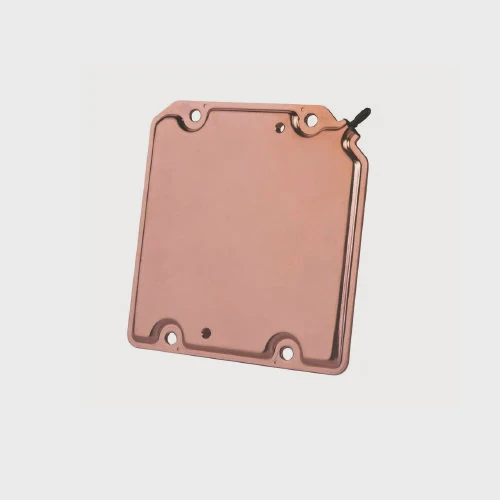
When you need to cool a liquid fast, time becomes your biggest enemy. The challenge is simple but the physics behind it can be complex.
To cool a liquid quickly, you must increase heat transfer between the liquid and a colder environment while reducing insulation effects.
This means enhancing surface contact, improving conductivity, and controlling temperature gradients effectively.
When I first started experimenting with liquid cooling systems for industrial applications, I discovered that every second saved in cooling directly improved efficiency and product quality. But fast cooling is not just about throwing ice into a tank — it’s a precise science involving thermodynamics and material behavior.
What physical principles control cooling?
When we talk about cooling, we are really talking about energy transfer. Every cooling method, from ice baths to liquid nitrogen, follows the same basic physical laws.
Cooling is controlled by heat transfer mechanisms — conduction, convection, and radiation — driven by the temperature difference between two systems.
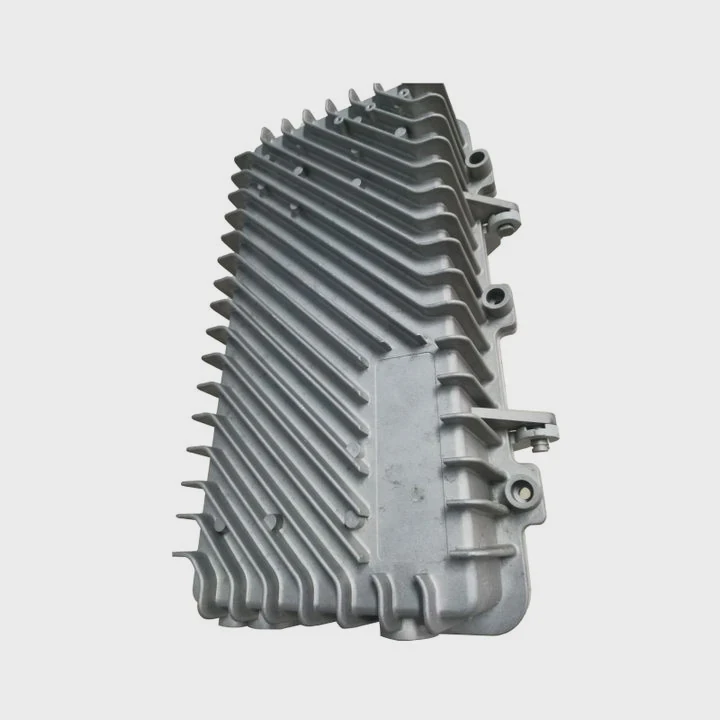
The Three Core Mechanisms
| Mechanism | Description | Example |
|---|---|---|
| Conduction | Direct heat flow between materials in contact. | A metal rod touching cold ice. |
| Convection | Heat carried by fluid motion. | Stirring a warm soup to cool it faster. |
| Radiation | Emission of heat as infrared waves. | Cooling of hot metal in air. |
In most liquid cooling processes, conduction and convection dominate. When a liquid comes into contact with a colder surface, heat flows from the liquid to the surface. The greater the contact area and the smaller the boundary layer between them, the faster the heat can leave the system.
The formula behind this process is often summarized by Newton’s Law of Cooling:
Q = h × A × (T_liquid - T_surface)
Where:
- Q is the rate of heat transfer,
- h is the heat transfer coefficient,
- A is the surface area, and
- (T_liquid - T_surface) is the temperature difference.
To make cooling faster, you can:
- Increase A (use fins, channels, or extended surfaces),
- Increase h (use forced convection, like stirring or pumps),
- Increase the temperature gradient (use colder surfaces).
In my own thermal engineering work, we often modify the inner surfaces of aluminum cooling plates to create microchannels. These channels enhance turbulence, which boosts convection and dramatically improves the cooling rate without changing the overall system size.
Why is rapid cooling beneficial?
Speed is not the only goal; it’s often a necessity. In many industries, rapid cooling prevents chemical degradation, structural damage, or bacterial growth.
Rapid cooling preserves quality, stability, and performance of liquids by minimizing exposure to harmful temperature ranges.
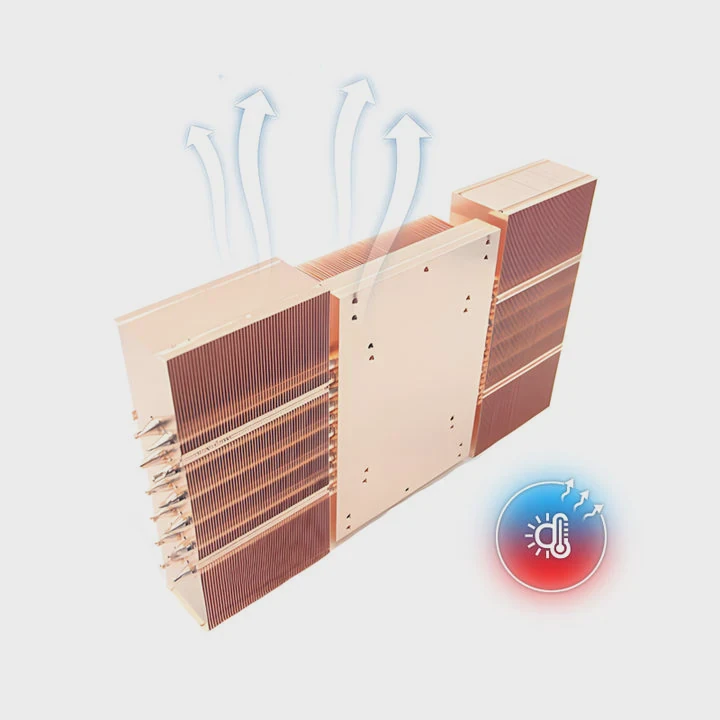
Real-world Importance of Rapid Cooling
Here are some practical examples of why cooling speed matters:
| Industry | Benefit of Rapid Cooling | Example Application |
|---|---|---|
| Food & Beverage | Prevents bacterial growth and maintains texture. | Rapid cooling of milk after pasteurization. |
| Semiconductors | Avoids overheating and material stress. | Liquid cooling in chip manufacturing. |
| Energy Storage | Increases safety and cycle life. | Cooling of battery electrolyte systems. |
| Medical & Pharma | Preserves bioactive compounds. | Cooling vaccines during production. |
When I was visiting a semiconductor production facility in Japan, I saw how liquid cooling channels were used to stabilize wafer temperatures within seconds. Without this rapid thermal control, the precision of the entire process would collapse.
Fast cooling also means energy efficiency. The quicker you bring a liquid to its target temperature, the less total energy is wasted maintaining intermediate temperatures. For thermal systems, it’s not just about power — it’s about control and stability.
How to achieve fast cooling safely?
Pushing for faster cooling can introduce risks — such as thermal shock, cracking, or unwanted condensation. So, safety must be built into every cooling strategy.
Safe rapid cooling requires balancing speed with control — managing temperature gradients, material stresses, and flow stability.
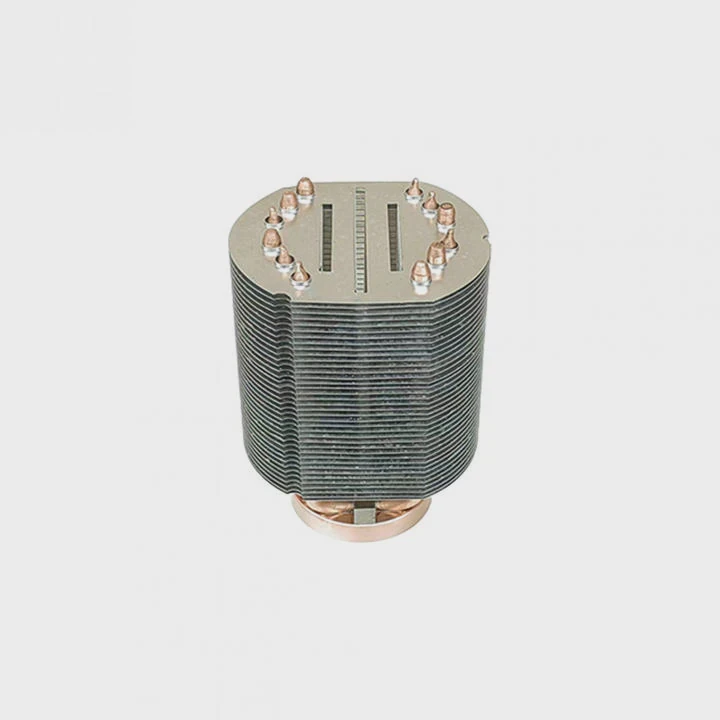
Safe Cooling Techniques
There are several ways to achieve fast yet controlled cooling:
Use multi-stage cooling
Instead of plunging a hot liquid into an ice bath, step down the temperature gradually. This avoids shock and preserves the structure of both container and liquid.Employ high-conductivity materials
Metals like aluminum or copper spread heat quickly, allowing for uniform cooling and reducing local hotspots.Control fluid flow
By adjusting the pump rate or stir speed, you can fine-tune heat transfer without creating turbulence that might damage sensitive components.Monitor thermal stress
Use sensors to track temperature gradients in real-time. In my projects, thermal imaging cameras often reveal uneven cooling patterns before cracks or defects appear.Prevent condensation
When cooling below the dew point, moisture can form on surfaces, which might contaminate or short-circuit sensitive equipment. Always insulate or dehumidify when operating at extreme cold levels.
Practical Safety Example
When cooling aluminum alloy structures in vacuum-brazed systems, we often face two opposing forces: the need for speed and the need for structural integrity. To balance both, we use liquid flow control algorithms that gradually increase cooling intensity. This keeps the stress below the yield point while achieving high cooling rates.
In small-scale applications, such as cooling a beverage, you can apply the same idea — swirl the liquid, increase contact with cold surfaces, but avoid rapid immersion into extremely cold substances that may shatter glass or distort plastic.
What are the new technologies for cooling liquids?
Innovation in cooling technology has accelerated in recent years. From aerospace to renewable energy, new materials and designs are pushing the limits of thermal performance.
Modern cooling technologies use advanced materials, microchannel structures, and phase-change systems to transfer heat faster and more efficiently.
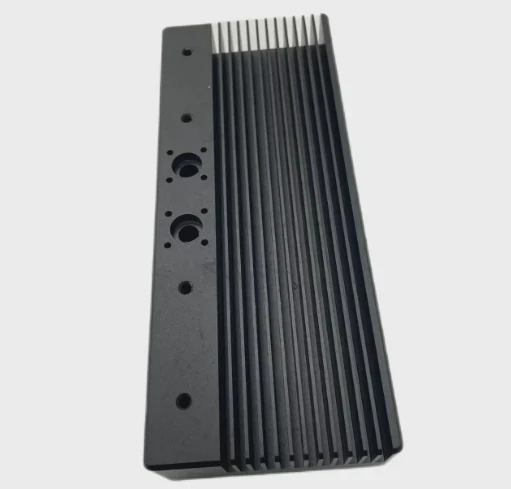
1. Microchannel Liquid Cooling
Microchannels are narrow passages — sometimes only a few hundred micrometers wide — that allow liquid to flow through at high speed. Their large surface-to-volume ratio drastically increases heat transfer.
In my experience, switching from a flat plate to a microchannel structure can increase cooling efficiency by 200% or more. These systems are widely used in semiconductors, power electronics, and aerospace heat exchangers.
2. Phase-Change Cooling Systems
Phase-change cooling uses materials that absorb large amounts of heat during melting or evaporation. Examples include refrigerants, paraffin wax, and even advanced nano-phase materials.
When heat is absorbed during phase transition, temperature remains nearly constant, allowing stable and efficient cooling. This principle is used in heat pipes and vapor chambers, which are becoming standard in high-performance electronics and battery modules.
3. High-Conductivity Aluminum Heat Spreaders
Modern aluminum alloys, combined with diffusion or friction stir welding, now achieve thermal conductivities over 5000 W/m·K (equivalent performance). These lightweight, robust plates distribute heat evenly, making them perfect for electric vehicle systems or satellite modules.
4. Liquid Immersion Cooling
Instead of using air, this technique submerges components directly into a non-conductive cooling liquid. The liquid absorbs and transfers heat efficiently without risk of short circuits. It’s now being used in data centers and high-performance computing (HPC) systems to achieve compact, quiet, and energy-efficient cooling.
5. AI and Smart Cooling Control
Recent advancements include AI-driven thermal management. By continuously analyzing temperature data, machine learning models adjust flow rates and temperatures dynamically. This ensures safety while maximizing performance — something we’ve begun integrating into industrial systems to optimize both energy and cooling efficiency.
Comparison of Emerging Technologies
| Technology | Cooling Efficiency | Cost | Typical Application |
|---|---|---|---|
| Microchannel Plate | ★★★★★ | $$$ | Semiconductors, EVs |
| Phase-Change System | ★★★★☆ | $$ | Aerospace, battery cooling |
| Aluminum Heat Spreader | ★★★★☆ | $$ | Electronics, LED modules |
| Immersion Cooling | ★★★★★ | $$$ | Data centers |
| AI Smart Control | ★★★★☆ | $$ | Industrial systems |
The Future of Liquid Cooling
As industries demand higher performance and smaller form factors, the race for better cooling never ends. Future systems will likely combine multiple technologies — microchannels with phase-change materials, or AI-controlled pumps with real-time heat mapping.
I once collaborated with a research team exploring graphene-enhanced coolants. These fluids contain nanoparticles that significantly increase thermal conductivity. Although still under development, they represent a leap toward ultra-fast, compact, and sustainable cooling systems.
Conclusion
Rapid cooling is not just about temperature — it’s about control, safety, and efficiency. By understanding the physical principles and applying modern technologies like microchannels, phase-change systems, and smart control, we can cool liquids faster and more reliably than ever before.
TAGS
Latest Articles

Volume discount levels for heat sink orders?
Buyers often ask when heat sink prices start to drop with volume. Many worry they’re overpaying for small orders. This guide explains how B2B volume pricing works for thermal components. Heat sink
21 Dec,2025
Heat sink long-term supply contract options?
Many buyers want stable pricing and reliable delivery for heat sinks. But without a clear contract, risks grow over time. This article explores how to secure better long-term supply deals. Long-term
21 Dec,2025
Tooling cost for new heat sink profiles?
Many engineers struggle to understand why tooling for custom heat sinks costs so much. They worry about budgeting and production timelines. This article breaks down the cost drivers behind tooling.
21 Dec,2025
Heat sink custom sample process steps?
Sometimes, starting a custom heat sink project feels overwhelming—too many steps, too many unknowns, and too many risks. You want a sample, but not endless delays. The process for requesting and
20 Dec,2025
Standard B2B terms for heat sink payments?
When buyers and sellers in B2B heat sink markets talk about payment, many don’t fully understand what’s standard. This can lead to delayed orders, miscommunication, and even lost business
20 Dec,2025
Heat sink pricing factors for large orders?
Heat sinks are vital for many systems. When prices rise, projects stall and budgets break. This problem can hit teams hard without warning. Large order heat sink pricing depends on many factors. You
20 Dec,2025Related Articles
- Is liquid cooling easy to install?
- How to add liquid cooling to GPU?
- What is better, air-cooled or liquid-cooled?
- Is air-cooled or liquid-cooled better?
- Is PS5 liquid cooled?
- How to cool liquid fast?
- How long does a liquid CPU cooler last?
- Is liquid cooler better?
- Is liquid cooling better than fans?
- Is liquid cooling expensive?
- Does liquid cooling use water?
- How to know if your liquid cooling is working?
Author
Dr. Emily Chen
Chief AI Researcher
Leading expert in thermal dynamics and AI optimization with over 15 years of experience in data center efficiency research.
Categories
Latest Products






Recommend Categories
- Liquid cooling plate Manufacturer
- Industrial Heat Sink Manufacturer
- Standard Heat Sink Manufacturer
- Aluminum Heat Sink Manufacturer
- Copper Heat Sink Manufacturer
- Anodized Heatsink Manufacturer
- Stamping heat sink Manufacturer
- Die Casting Heatsink Manufacturer
- Soldering heat sink Manufacturer
- CNC Parts Manufacturer
Latest Products
- Wholesale Aluminum Radiator
- Water Cooling Plate Kit
- Water Cooling Heat Sink
- Water Cooling Heat Sink Kit
- Stainless Steel Water Distributor
- Server Water Cooling Plate Kit
- Server Liquid Cooling System
- Server Aluminum Cooling Kit
- S19 Full Cover Cooling Plate
- S19 Cooling Plate Kit
- S19 Aluminum Cooling Plate
Contact Expert
Have questions about this article? Reach out to our experts directly.