does r16 nvme slot comes with heatsink?
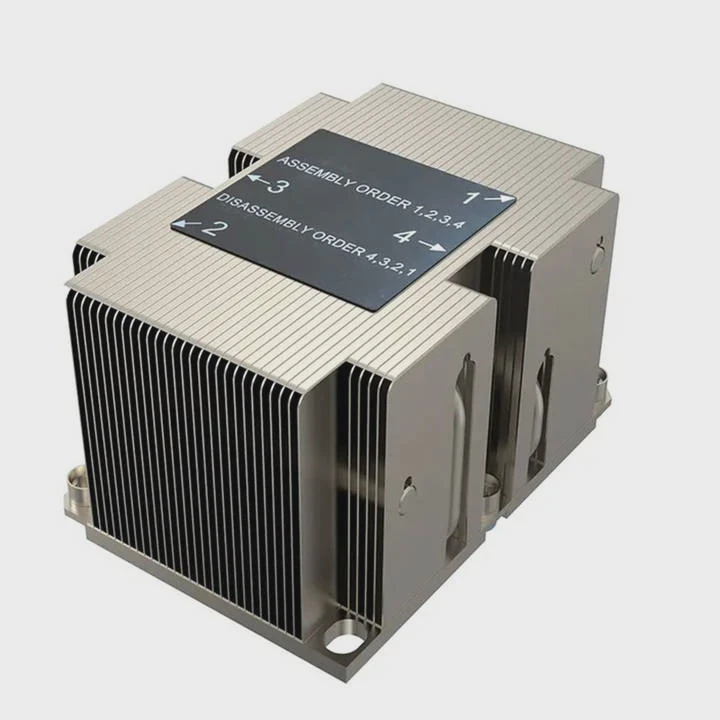
People often ask whether the R16 motherboard series includes NVMe heatsinks. Many buyers expect built-in cooling, but support varies across vendors and model levels.
Some R16 NVMe slots include heatsink shields, while others ship without them. It depends on the board vendor, the model tier, and whether the slot targets high-speed NVMe drives.
I have seen users assume every R16 slot has a heatsink, only to find their drive running hot. A clear explanation helps avoid surprises.
Why some boards include shields?
Motherboard makers add NVMe shields to help hot NVMe controllers run cooler during heavy tasks. Fast PCIe drives heat up quickly and need extra surface area.
Some boards include shields because NVMe drives generate high heat, and the shield helps spread it across a larger metal plate. Shields improve reliability and reduce throttling.
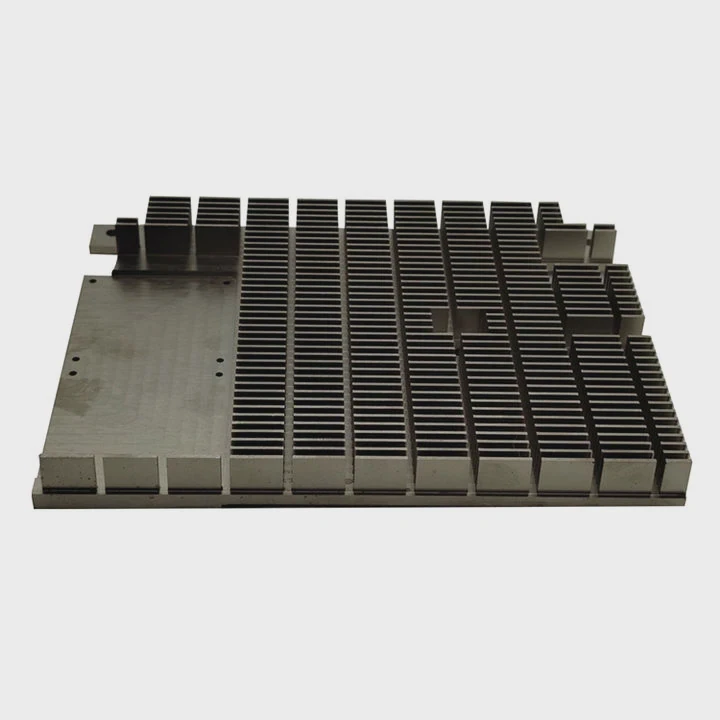
Why manufacturers add shields
NVMe drives became faster with PCIe upgrades. Their controllers get hot, especially during sustained writes. A metal plate helps cool them by spreading heat.
Reasons boards include shields
| Feature | Purpose |
|---|---|
| Metal plate | Heat spreading |
| Embedded pad | Contact with SSD |
| Decorative cover | Cleaner look |
A deeper view of shield usage
Shields serve real thermal needs. NVMe drives, especially Gen4 and Gen5, heat up fast. When the controller overheats, the drive throttles. A shield delays this temperature rise.
Manufacturers add shields to improve reliability. When temperatures stay lower, SSDs maintain stable speeds. This supports smoother gaming loads, faster file transfers, and more consistent boot times.
Some boards include shields only for primary NVMe slots. These primary slots handle the fastest PCIe lanes and often host system drives. The shield gives extra protection.
Other boards include shields for all NVMe slots. These high-end boards target performance users. They pair shields with strong VRM cooling and better airflow layouts.
Shields also improve appearance. Many users want a clean interior. A shield hides the SSD and matches the motherboard design theme. But design alone does not guarantee cooling quality. Thermal pads and metal thickness matter more.
Which models bundle thermal armor?
Some R16-series boards include thermal armor or strengthened NVMe plates. Others keep a simple bare slot.
Only certain R16 boards bundle thermal armor. Higher-tier models, gaming versions, and performance-oriented editions are more likely to include NVMe heatsinks.
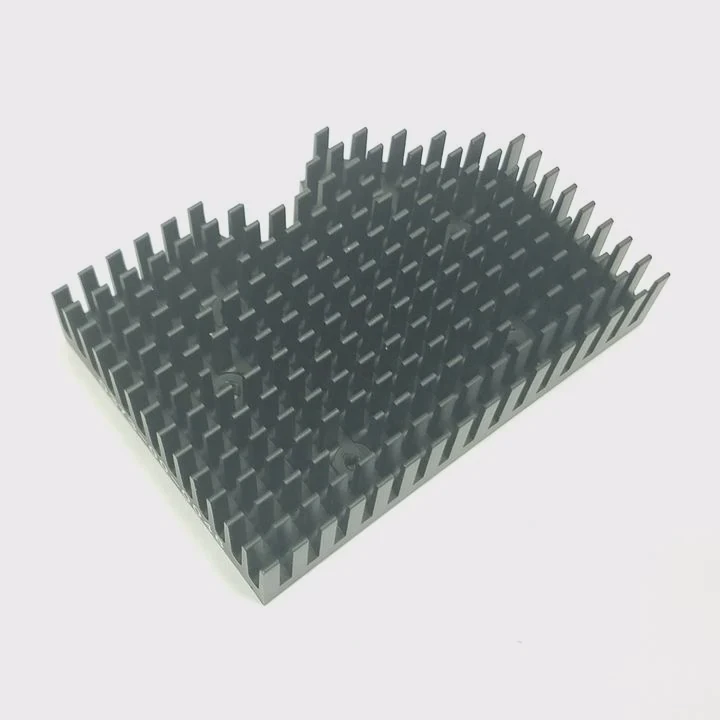
Why not all models include armor
Adding armor increases cost. Entry-level boards skip it to stay affordable. Performance models add it because their users expect high cooling support.
R16 model tendencies
| Model Tier | Likelihood of Heatsink |
|---|---|
| Entry-level | Low |
| Mid-range | Medium |
| Gaming / performance | High |
| Flagship | Very high |
A deeper look at bundled armor
Thermal armor covers more than a basic shield. Armor often includes thicker aluminum, multi-layer plates, or secondary pads that contact both sides of a dual-sided SSD. This gives better heat spreading.
Armor designs vary by vendor. Gaming-focused boards usually pair armor with RGB or integrated structural plates. These plates also stiffen the board. Strength helps keep the SSD steady and prevents slot flexing during installation.
Some mid-range R16 models include simple shields but not full armor. These shields help with heat but lack mass to keep temperatures low during intense workloads. They work for basic use but may not suit Gen4 SSDs under long write sessions.
Flagship R16 models include the best armor. Their heatsinks have thick fins, strong mounting screws, and high-quality thermal pads. These designs improve airflow and hold performance steady.
When comparing R16 models, heatsink features often mark the difference between tiers. Knowing this helps buyers choose correctly.
Can aftermarket sinks fit R16?
Many users want stronger cooling than what the board includes. Aftermarket heatsinks offer larger fins or better pads.
Yes, aftermarket NVMe heatsinks can fit R16 boards if they match standard M.2 2280 dimensions and clear nearby components. Height limits and slot placement determine compatibility.
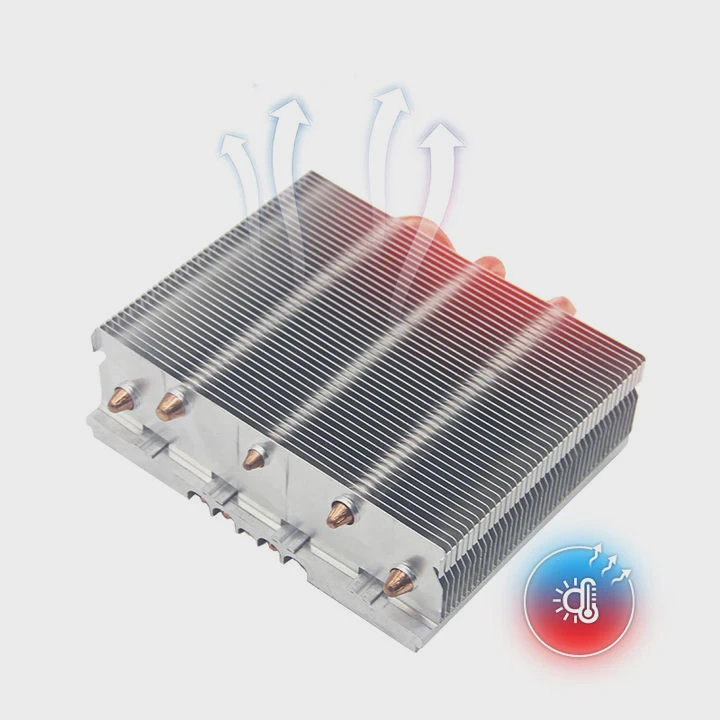
Why aftermarket sinks are popular
Aftermarket heatsinks offer better mass and airflow. They cool drives more effectively than thin motherboard shields. They help users who run heavy workloads.
Fit concerns for R16 slots
| Factor | Effect on Fit |
|---|---|
| Height | Must clear GPU and covers |
| Length | Must match 2280 slot |
| Pad thickness | Must fit SSD components |
A deeper look at aftermarket fit
Most NVMe slots use the 2280 size. Aftermarket sinks designed for this size fit the R16 slot easily. But height is the main issue. Some sinks use tall fins. These fins may collide with a GPU in the next PCIe slot. Before buying, measure the space between the NVMe slot and the GPU’s backplate.
Side-space is another concern. Some R16 boards place the M.2 slot near chipset heatsinks or large VRM blocks. Wide aftermarket sinks might hit these parts. Low-profile heatsinks avoid this problem.
Thermal pads in aftermarket kits vary. Pads must match the SSD’s component height. If a pad is too thick, pressure becomes uneven. If too thin, contact becomes weak. Either problem reduces cooling efficiency.
Dual-sided SSDs need heatsinks with pads on both sides. Some aftermarket sinks support this, but many do not. If the SSD has chips on both sides, picking a compatible heatsink is essential.
In most cases, aftermarket heatsinks outperform built-in shields. But they need correct sizing to fit safely in the R16 layout.
Do shield sizes vary by vendor?
R16 motherboards come from different vendors, each using its own shield shape, pad design, and metal thickness.
Yes, shield sizes vary by vendor. Each brand uses unique shapes, thickness levels, and mounting patterns. Some shields are functional heatsinks, while others are thin covers.
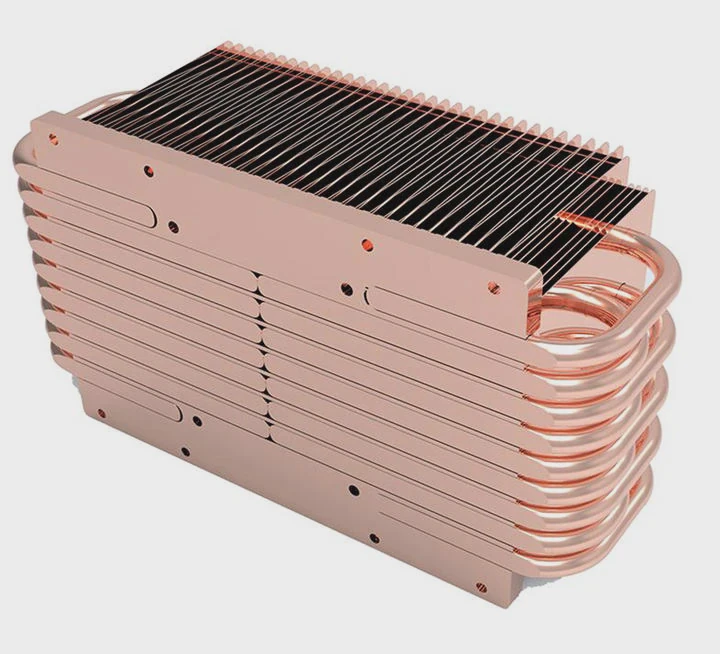
Why shields differ widely
Vendors build boards for different markets. Some focus on performance, others on design. Shield size and thickness reflect these goals.
Vendor differences
| Vendor Approach | Shield Quality |
|---|---|
| Thick metal blocks | Strong cooling |
| Thin decorative plates | Low cooling |
| Medium hybrid shields | Balanced |
A deeper look at shield diversity
Some vendors design shields with performance in mind. These shields use dense aluminum blocks and quality pads. They absorb heat well. They also use screws that apply consistent pressure.
Other vendors use shields mainly for appearance. These shields look sleek but are thin. They add little cooling ability. They warm quickly and lose efficiency.
The thickness of the thermal pad changes performance. Soft pads compress too much and reduce contact. Hard pads may not fill gaps well. A balanced pad ensures even heat transfer across all SSD components.
Mounting points also vary. Some shields use two screws. Others use multi-point brackets. These designs affect pressure. Strong mounting systems keep the shield flat and prevent wobble.
Shield size changes airflow around the M.2 slot. Large shields create barriers that shape airflow patterns. Some improve airflow direction. Others block airflow and trap heat.
Understanding vendor differences helps you predict whether a built-in shield performs well or needs an aftermarket upgrade.
Conclusion
Whether an R16 NVMe slot includes a heatsink depends on the board model and vendor. Some boards include strong thermal shields, others use decorative covers, and aftermarket sinks fit as long as space allows. Knowing your slot layout helps you pick the best cooling solution for stable SSD performance.
TAGS
Latest Articles

Volume discount levels for heat sink orders?
Buyers often ask when heat sink prices start to drop with volume. Many worry they’re overpaying for small orders. This guide explains how B2B volume pricing works for thermal components. Heat sink
21 Dec,2025
Heat sink long-term supply contract options?
Many buyers want stable pricing and reliable delivery for heat sinks. But without a clear contract, risks grow over time. This article explores how to secure better long-term supply deals. Long-term
21 Dec,2025
Tooling cost for new heat sink profiles?
Many engineers struggle to understand why tooling for custom heat sinks costs so much. They worry about budgeting and production timelines. This article breaks down the cost drivers behind tooling.
21 Dec,2025
Heat sink custom sample process steps?
Sometimes, starting a custom heat sink project feels overwhelming—too many steps, too many unknowns, and too many risks. You want a sample, but not endless delays. The process for requesting and
20 Dec,2025
Standard B2B terms for heat sink payments?
When buyers and sellers in B2B heat sink markets talk about payment, many don’t fully understand what’s standard. This can lead to delayed orders, miscommunication, and even lost business
20 Dec,2025
Heat sink pricing factors for large orders?
Heat sinks are vital for many systems. When prices rise, projects stall and budgets break. This problem can hit teams hard without warning. Large order heat sink pricing depends on many factors. You
20 Dec,2025Related Articles
- do i need heatsink for nvme ssd?
- what heatsink should i get for i7 6700?
- are m2 ssd heatsinks recommended?
- how to pain heatsinks?
- how to clip fan to heatsink?
- is it better to get ssd with heatsink?
- is it okay to clean a heatsink with canned air?
- should i change cpu heatsink when system is hot?
- what does a motherboard heatsink do?
- what does a cpu heatsink do?
- how to put heatsink on raspberry pi?
- do you need heatsink on m 2?
Author
Dr. Emily Chen
Chief AI Researcher
Leading expert in thermal dynamics and AI optimization with over 15 years of experience in data center efficiency research.
Categories
Latest Products
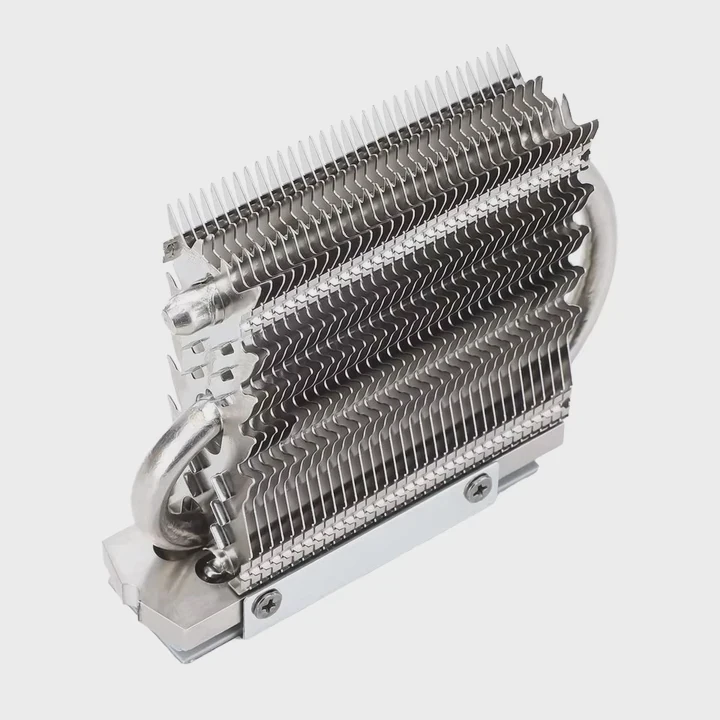
M.2 Heatpipe Heatsink With Dual Fans For Pc Case
19 Mar,2026
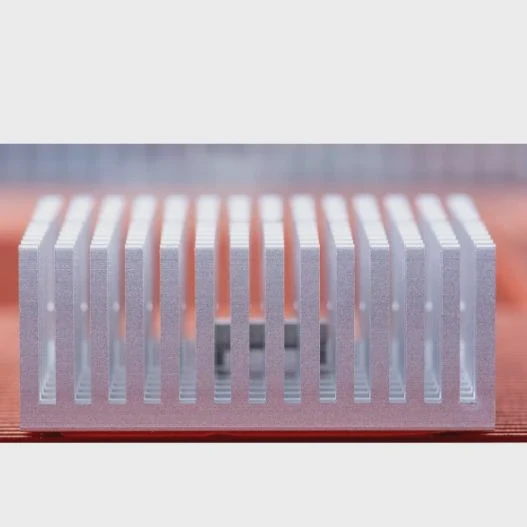
Heavy-Duty Aluminum Heat Sink Custom
19 Mar,2026
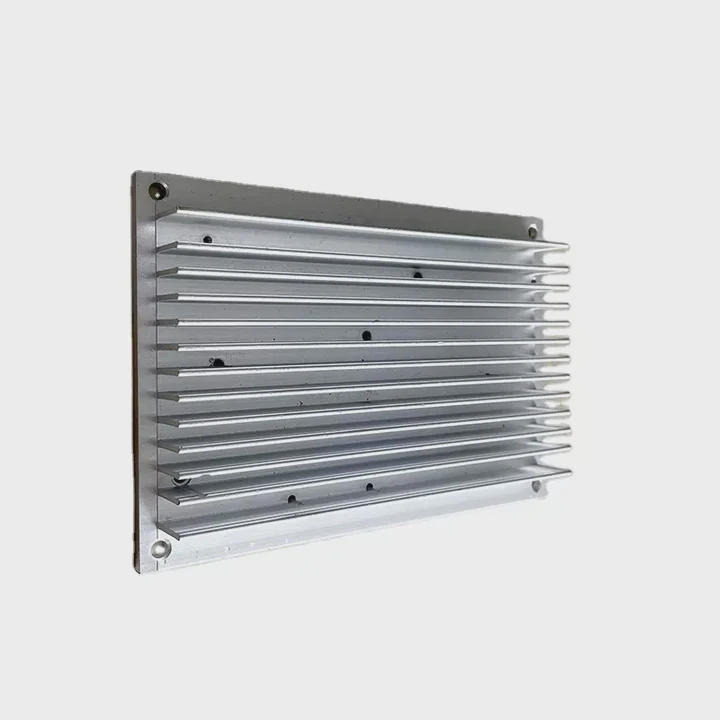
Oem Skived Fin Heatsink Aluminum Radiator For Plants
19 Mar,2026
Water Cooled Cnc Aluminum Heat Sink For Medical
19 Mar,2026
High Density 6000 Series Aluminum Heat Sink Profile
19 Mar,2026
High-Density Extruded Aluminum & Bonded-Fin Heat Sink Profile
19 Mar,2026
Recommend Categories
- Liquid cooling plate Manufacturer
- Industrial Heat Sink Manufacturer
- Standard Heat Sink Manufacturer
- Aluminum Heat Sink Manufacturer
- Copper Heat Sink Manufacturer
- Anodized Heatsink Manufacturer
- Stamping heat sink Manufacturer
- Die Casting Heatsink Manufacturer
- Soldering heat sink Manufacturer
- CNC Parts Manufacturer
Latest Products
- M.2 Heatpipe Heatsink With Dual Fans For Pc Case
- Heavy-Duty Aluminum Heat Sink Custom
- Oem Skived Fin Heatsink Aluminum Radiator For Plants
- Water Cooled Cnc Aluminum Heat Sink For Medical
- High Density 6000 Series Aluminum Heat Sink Profile
- High-Density Extruded Aluminum & Bonded-Fin Heat Sink Profile
- Dongguan Cnc Aluminum Heat Sink For Led & Brass Parts
- Wholesale Cnc Aluminum Heat Sink - Custom Extruded
- Led Cnc Round Heat Sink With Screw Holes
- Copper Pin-Fin Heat-Sink Large-Area For Photoled Cooling
- Telecom Heatsink Zipper Fin Wcopper Tubes Oem
Contact Expert
Have questions about this article? Reach out to our experts directly.