is it okay to clean a heatsink with canned air?
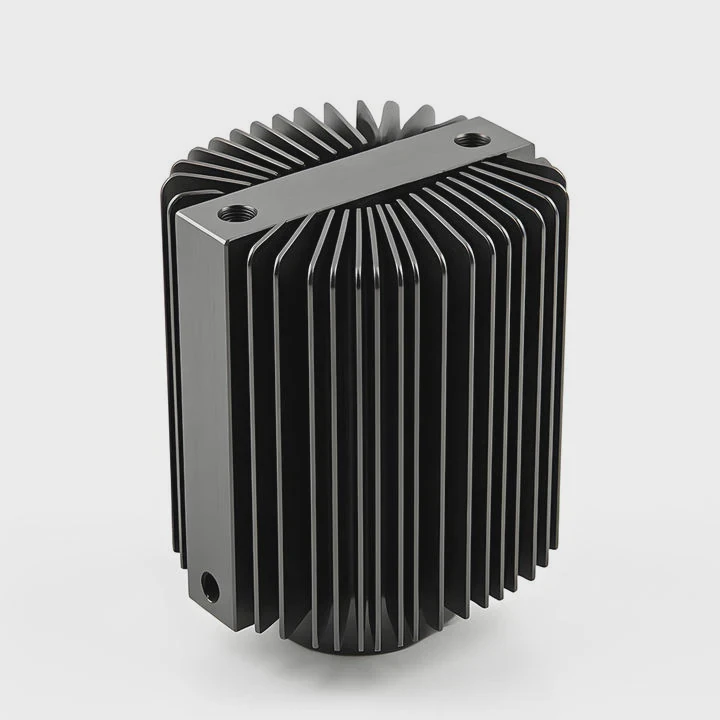
Cleaning a heatsink looks simple, but poor technique can bend fins, trap moisture, or push dust deeper into the cooler.
It is okay to clean a heatsink with canned air as long as you use short bursts, avoid liquid spray, hold the can upright, and keep the airflow angle safe. Proper use removes dust without harming the fins or fan.
I have seen heatsinks cool poorly only because dust blocked airflow. Good cleaning brings temperatures back down.
Why compressed air removes loose dust?
Dust blocks airflow inside a heatsink. Even small layers reduce cooling power. Compressed air clears these layers quickly.
Compressed air removes loose dust because the high-pressure burst lifts particles from fin surfaces. The air flows between fins and pushes out buildup that normal wiping cannot reach.
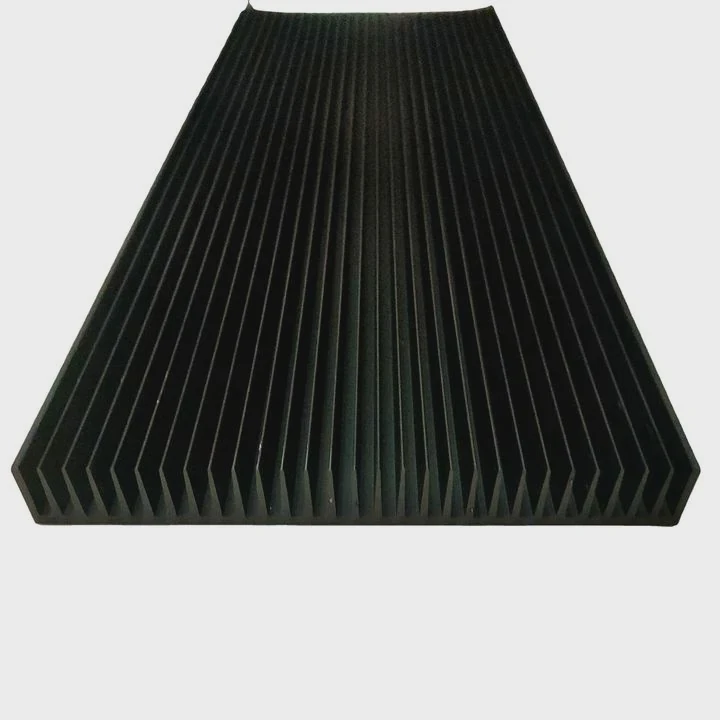
Why air pressure works well
Dust hides deep inside fins. Brushes cannot reach narrow gaps. Canned air blows through the channels, clearing them without touching the metal.
Dust removal basics
| Cleaning Method | Effectiveness |
|---|---|
| Canned air | High for loose dust |
| Brush | Medium |
| Vacuum | Low for tight fins |
A deeper look at how air removes buildup
Heatsinks use thin metal fins with very small gaps. Dust settles because airflow slows around the fins. Compressed air restores that airflow by blasting dust out of these narrow channels. The air shock dislodges dust that weak suction cannot reach.
The pressure moves dust outward instead of deeper inside. Short bursts break dust layers into small pieces and lift them away. Keeping the fan from spinning also matters. If the fan spins freely, dust spreads around the case. Holding the blades steady helps aim the air correctly.
Compressed air also reaches the base of the heatsink. This area collects sticky dust near the heatpipes. Even light layers reduce thermal performance. When air enters from different angles, it clears these pockets safely.
Using canned air prevents physical contact with the fins. Metal fins bend easily. A wrong tool or too much pressure can deform them. Air cleaning protects the structure while removing debris.
Which angles prevent fin damage?
Incorrect angles force air directly against fragile fin edges. This increases the risk of bending or tearing thin metal.
Safe cleaning angles come from the side of the heatsink rather than head-on. Blowing across the fins sideways avoids forcing pressure directly into the edges.
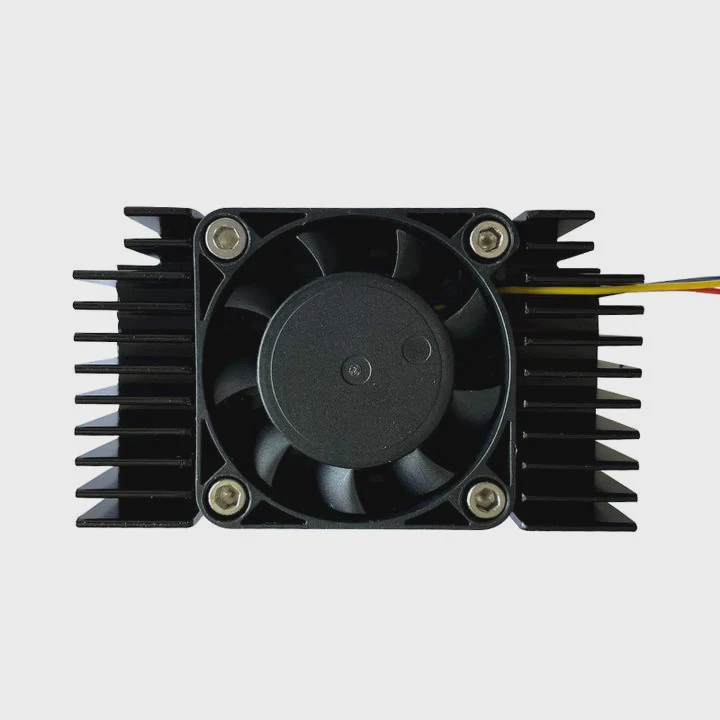
Why angle control matters
Heatsink fins are thin. Direct blasts at close range bend them. Side angles spread pressure across a larger area, making cleaning safe.
Cleaning angle guide
| Angle | Safety Level |
|---|---|
| Sideways across fins | Safe |
| Slight diagonal | Safe |
| Direct front blast | Risky |
| Close-up nozzle contact | Very risky |
A deeper look at airflow direction
Fins rely on spacing for airflow. When the compressed air hits the front edge directly, the force bends them inward. Bent fins block airflow and reduce cooling efficiency. Even small bends create turbulence inside the cooler.
By blowing from the side, the air travels along the natural airflow path. This supports quick dust removal without stressing the structure. Holding the can a few inches away reduces direct impact. It spreads the pressure evenly.
Slight diagonal bursts also work because they avoid pushing air straight into the weakest fin edges. The diagonal angle still forces dust forward but distributes pressure gently.
Fans attached to the heatsink are sensitive too. A direct blast spins them too quickly, stressing the bearings. Holding the fan still and blowing at an angle protects both the fan and the fins.
A careful angle ensures long-term reliability. Clean fins keep airflow laminar and smooth, improving cooling during heavy loads.
Can moisture form from propellant?
Canned air does not always contain only air. Many products use compressed gas. If sprayed incorrectly, the gas can turn into cold liquid.
Yes, moisture can form from propellant when the can tilts or sprays too long. This moisture can leave residue or cause condensation on the fins. Keeping the can upright prevents liquid spray.
Why canned air sometimes sprays liquid
Many propellants expand rapidly. When the can tilts, the liquid propellant comes out. It cools instantly and forms visible frost or moisture.
Propellant risks
| Issue | Cause |
|---|---|
| Frost | Excessive spraying |
| Liquid droplets | Tilted can |
| Residue | Cheap propellants |
A deeper view of moisture formation
Propellants inside canned air work like refrigerants. They stay liquid under pressure. When released, they expand and turn into cold gas. If the can stays upright, only gas exits. But tilting allows liquid to escape.
Liquid propellant chills the metal surface. This temperature drop attracts moisture from the air. Condensation forms on the fins. While small amounts usually evaporate, condensation can mix with dust and create sticky layers.
Repeated liquid spray may also leave chemical residue. This residue collects dust faster and reduces cleaning effectiveness. Moisture can also enter connectors or fan motors, increasing wear.
Short bursts help avoid freezing. Long sprays cool the can too much and increase the chance of liquid formation. Warming the can between bursts keeps pressure stable and prevents unintended cooling effects.
Proper technique protects the heatsink, fan, and surrounding components. Keeping the can upright and using controlled bursts removes dust without leaving moisture.
Should deep cleaning require disassembly?
Surface dust clears easily, but heavy buildup deep inside the fins sometimes needs stronger cleaning methods.
Deep cleaning may require disassembly when dust is packed between fins. Large clumps block airflow and cannot be removed with light air bursts alone.
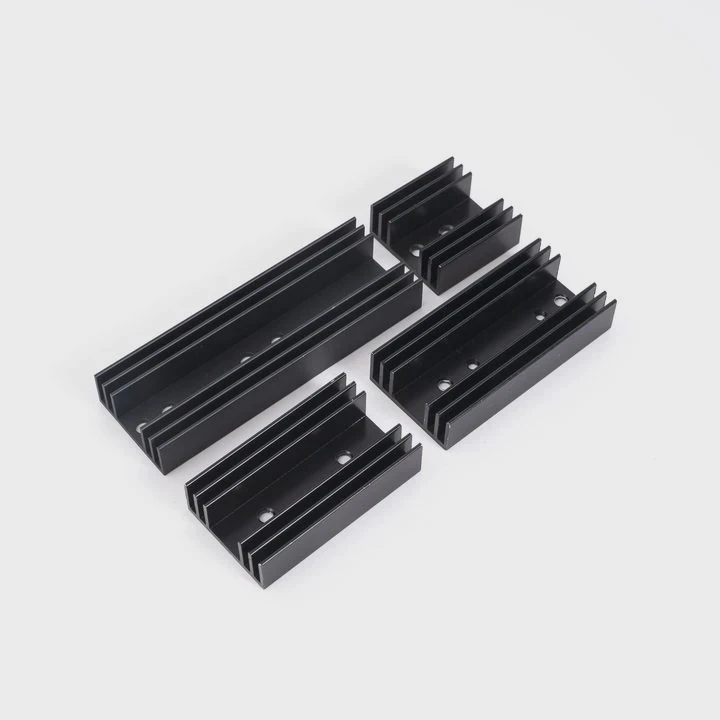
Why disassembly helps
Removing the heatsink exposes all fin areas. It allows brushing, washing, or direct access to stubborn dust that canned air cannot break apart.
Cleaning options
| Method | Best Use |
|---|---|
| Canned air | Light dust |
| Brush + air | Medium buildup |
| Full disassembly | Heavy clogging |
A deeper look at deep-clean requirements
Heatsinks gather dust slowly. After months or years, dust compacts between fins. This dust becomes sticky from humidity and heat cycles. Canned air may loosen the outer layer but not the inner clumps.
Disassembly exposes the cooler from all sides. You can remove the fan and separate the fins for thorough cleaning. Brushing and blowing together clears compacted dust effectively. Some metal heatsinks also tolerate washing after fan removal, but drying must be complete before reinstallation.
Deep cleaning also helps check for bent fins, worn pads, or loose mounting brackets. Many cooling issues stem from old thermal paste or poor mounting contact. If temperatures stay high after cleaning, reapplying thermal paste may be necessary.
For systems with strong airflow or pets in the environment, deep cleaning every few months keeps the cooler efficient. For lighter use, annual cleaning is usually enough.
Canned air handles routine cleanup. Disassembly ensures full restoration when dust buildup becomes severe.
Conclusion
It is safe to clean a heatsink with canned air when used properly. Side angles protect fins, upright spraying prevents moisture, and deep cleaning helps when dust becomes compacted. Proper cleaning restores airflow and improves long-term cooling performance.
TAGS
Latest Articles

Volume discount levels for heat sink orders?
Buyers often ask when heat sink prices start to drop with volume. Many worry they’re overpaying for small orders. This guide explains how B2B volume pricing works for thermal components. Heat sink
21 Dec,2025
Heat sink long-term supply contract options?
Many buyers want stable pricing and reliable delivery for heat sinks. But without a clear contract, risks grow over time. This article explores how to secure better long-term supply deals. Long-term
21 Dec,2025
Tooling cost for new heat sink profiles?
Many engineers struggle to understand why tooling for custom heat sinks costs so much. They worry about budgeting and production timelines. This article breaks down the cost drivers behind tooling.
21 Dec,2025
Heat sink custom sample process steps?
Sometimes, starting a custom heat sink project feels overwhelming—too many steps, too many unknowns, and too many risks. You want a sample, but not endless delays. The process for requesting and
20 Dec,2025
Standard B2B terms for heat sink payments?
When buyers and sellers in B2B heat sink markets talk about payment, many don’t fully understand what’s standard. This can lead to delayed orders, miscommunication, and even lost business
20 Dec,2025
Heat sink pricing factors for large orders?
Heat sinks are vital for many systems. When prices rise, projects stall and budgets break. This problem can hit teams hard without warning. Large order heat sink pricing depends on many factors. You
20 Dec,2025Related Articles
- does r16 nvme slot comes with heatsink?
- do i need heatsink for nvme ssd?
- what heatsink should i get for i7 6700?
- are m2 ssd heatsinks recommended?
- how to pain heatsinks?
- how to clip fan to heatsink?
- should i change cpu heatsink when system is hot?
- what does a motherboard heatsink do?
- what does a cpu heatsink do?
- how to put heatsink on raspberry pi?
- do you need heatsink on m 2?
- how to add holes for heatsinks pcb?
Author
Dr. Emily Chen
Chief AI Researcher
Leading expert in thermal dynamics and AI optimization with over 15 years of experience in data center efficiency research.
Categories
Latest Products
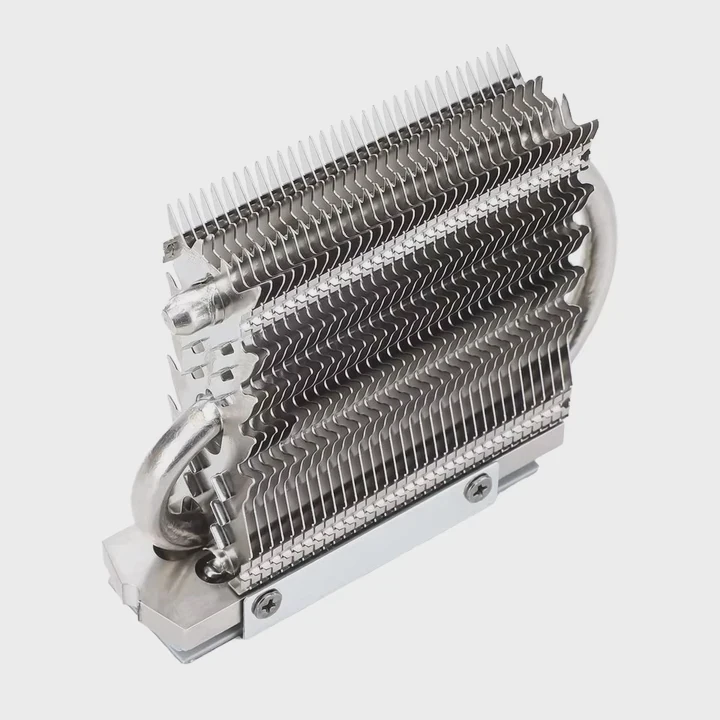
M.2 Heatpipe Heatsink With Dual Fans For Pc Case
19 Mar,2026
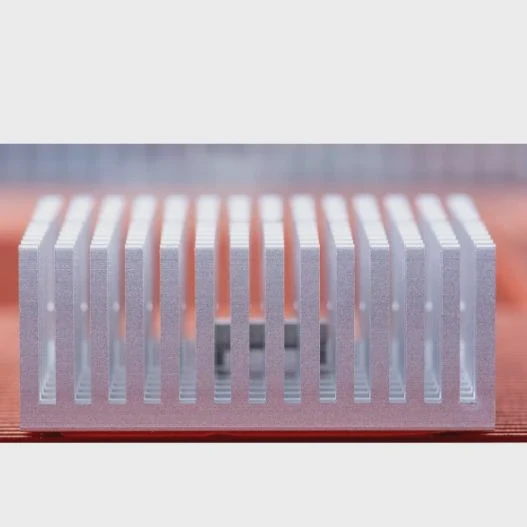
Heavy-Duty Aluminum Heat Sink Custom
19 Mar,2026
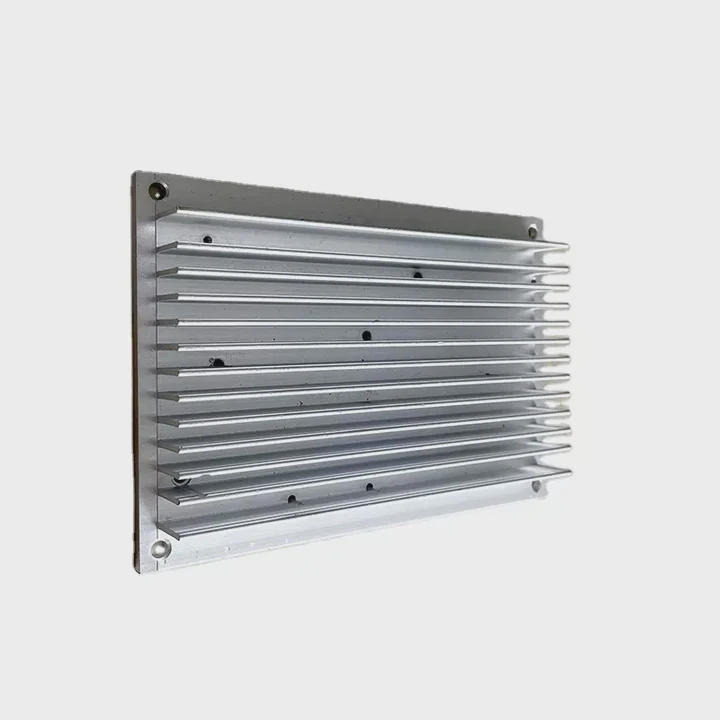
Oem Skived Fin Heatsink Aluminum Radiator For Plants
19 Mar,2026
Water Cooled Cnc Aluminum Heat Sink For Medical
19 Mar,2026
High Density 6000 Series Aluminum Heat Sink Profile
19 Mar,2026
High-Density Extruded Aluminum & Bonded-Fin Heat Sink Profile
19 Mar,2026
Recommend Categories
- Liquid cooling plate Manufacturer
- Industrial Heat Sink Manufacturer
- Standard Heat Sink Manufacturer
- Aluminum Heat Sink Manufacturer
- Copper Heat Sink Manufacturer
- Anodized Heatsink Manufacturer
- Stamping heat sink Manufacturer
- Die Casting Heatsink Manufacturer
- Soldering heat sink Manufacturer
- CNC Parts Manufacturer
Latest Products
- M.2 Heatpipe Heatsink With Dual Fans For Pc Case
- Heavy-Duty Aluminum Heat Sink Custom
- Oem Skived Fin Heatsink Aluminum Radiator For Plants
- Water Cooled Cnc Aluminum Heat Sink For Medical
- High Density 6000 Series Aluminum Heat Sink Profile
- High-Density Extruded Aluminum & Bonded-Fin Heat Sink Profile
- Dongguan Cnc Aluminum Heat Sink For Led & Brass Parts
- Wholesale Cnc Aluminum Heat Sink - Custom Extruded
- Led Cnc Round Heat Sink With Screw Holes
- Copper Pin-Fin Heat-Sink Large-Area For Photoled Cooling
- Telecom Heatsink Zipper Fin Wcopper Tubes Oem
Contact Expert
Have questions about this article? Reach out to our experts directly.