Recommended thermal paste for Vapor Chamber?
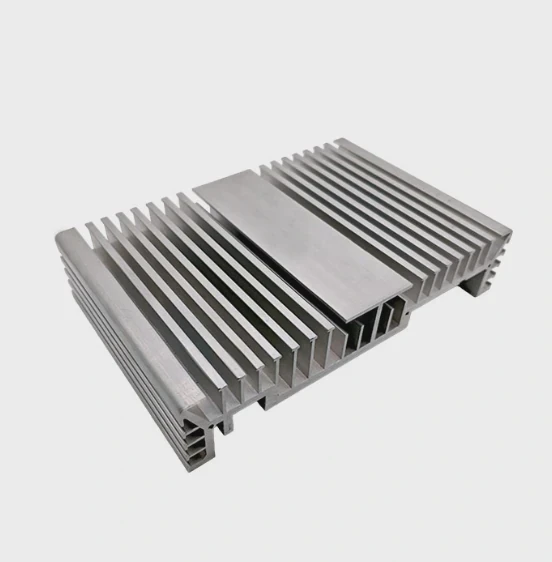
Thermal paste seems simple, but choosing the wrong one can reduce vapor chamber efficiency. This mistake leads to overheating or unstable performance.
The best thermal paste for vapor chambers is a high-conductivity, non-conductive compound that spreads evenly and resists drying or pump-out under thermal cycling.
Let’s explore which pastes work best, how thickness matters, and whether phase-change materials are ideal. We’ll also cover replacement timing.
Which thermal paste works best for Vapor Chambers?
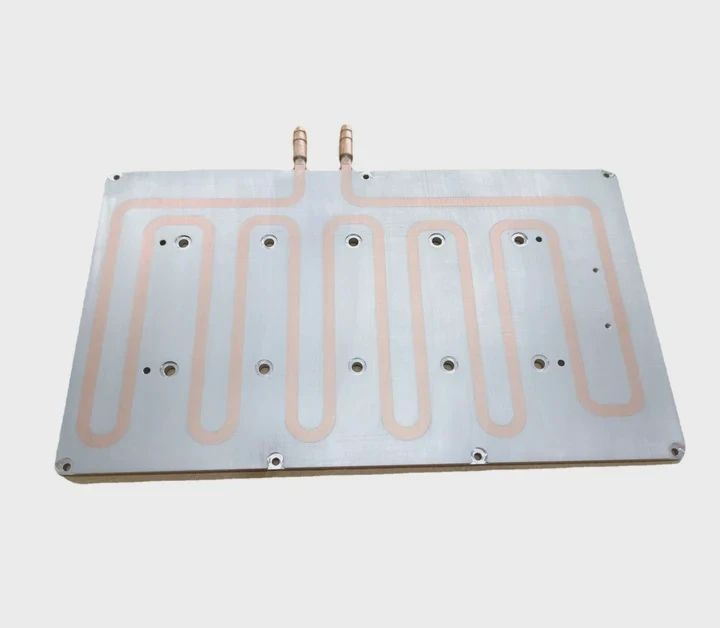
Not all thermal pastes perform equally, especially when paired with vapor chambers. A vapor chamber spreads heat well—but only if heat enters it efficiently. That’s why a reliable thermal interface material (TIM) is essential.
Great thermal paste must:
- Conduct heat effectively (low thermal resistance)
- Be stable across heat cycles (no pump-out or cracking)
- Be non-electrically conductive to prevent short circuits
- Apply easily and spread thinly without bubbles
Here’s a quick table showing top choices:
Recommended Thermal Pastes for Vapor Chambers
| Product | Thermal Conductivity (W/m·K) | Key Strengths | Notes |
|---|---|---|---|
| Thermal Grizzly Kryonaut | ~12.5 | High performance, stable | Excellent for CPUs/GPUs |
| Arctic MX-6 | ~7.5 | Long lifespan, non-conductive | Great for general use |
| Noctua NT-H1 | ~8.9 | Easy to apply, reliable | Very consistent results |
| Gelid GC-Extreme | ~8.5 | Low viscosity, high transfer | Used in overclocking |
| Cooler Master MasterGel Maker | ~11 | Durable under cycling | For pro applications |
Why they work with vapor chambers:
- Vapor chambers need tight contact at the base for optimal performance.
- These pastes fill micro gaps without needing thick layers.
- They perform well under temperature swings typical in electronics.
Does thermal paste thickness affect Vapor Chamber performance?
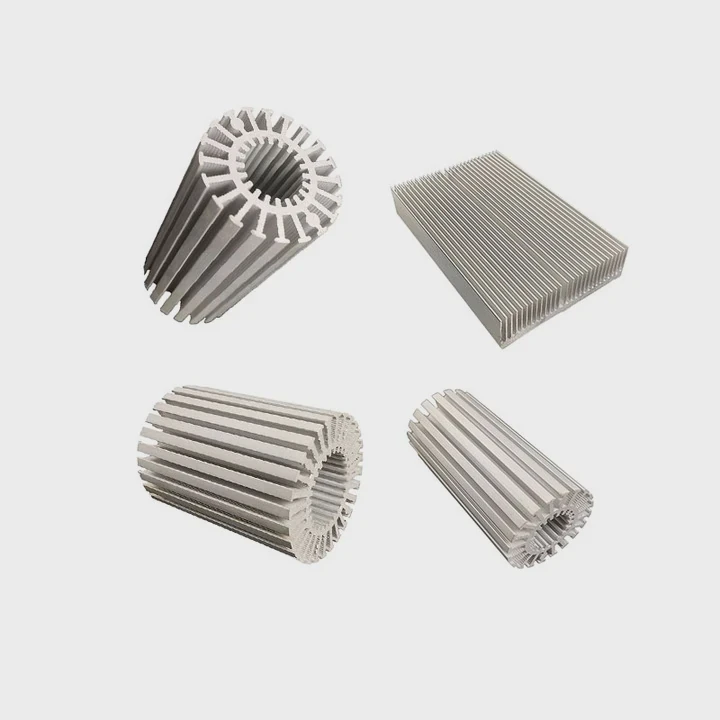
Yes. Thermal paste thickness directly impacts heat transfer to the vapor chamber. Too thick, and the paste becomes an insulator. Too thin, and it leaves air gaps—both lower efficiency.
Ideal application is a paper-thin, even layer that fills surface imperfections without excess.
What happens at different thickness levels?
| Paste Layer | Result |
|---|---|
| Too thin | Air gaps remain, causing hotspots |
| Too thick | Paste slows heat flow, acts as insulator |
| Just right | Full surface contact, minimal resistance |
To apply correctly:
- Use a pea-sized drop and spread with a spatula or let the heatsink pressure do it
- Avoid edges spilling paste
- Clean both surfaces before application
A thin, uniform layer works best with flat vapor chamber bases.
Are phase change TIMs suitable for Vapor Chambers?
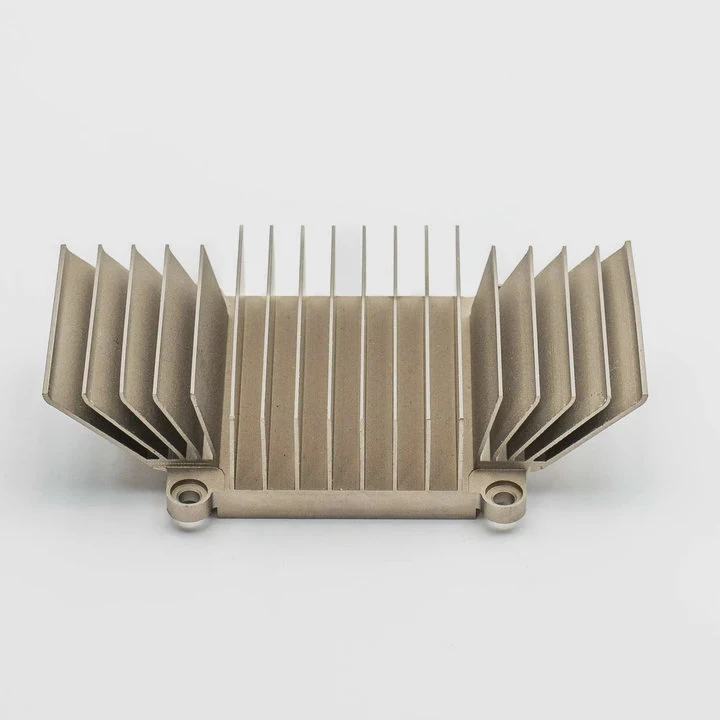
Phase Change Materials (PCMs) melt slightly at operating temperature. They soften and spread into surface gaps, improving contact.
Yes, phase-change TIMs are suitable for vapor chambers—especially in high-volume or repeatable production settings.
Benefits:
- Self-spreading at target temperature
- Consistent thickness and area coverage
- Ideal for automated assembly
Limitations:
- Higher initial cost
- Needs warm-up to form full contact
- Re-application is harder
When to use them:
- In factory-assembled devices with tight thermal specs
- In high-performance servers, telecom equipment, or embedded modules
However, traditional pastes still dominate in applications requiring flexibility, repair, or one-time installation.
How often should thermal paste be replaced in systems with Vapor Chambers?
Thermal paste doesn’t last forever—especially under high heat. Over time, it can dry out, pump out, or lose contact.
In high-heat or continuous-load systems, replace paste every 1–2 years. In consumer devices, 3–5 years may be enough.
Signs it needs replacement:
- Temperature rises over time under same load
- Uneven heat distribution on the vapor chamber
- Visible cracks or dry paste when disassembled
For mission-critical systems (e.g., servers, medical equipment), follow a preventive maintenance schedule. Use pastes with high thermal stability ratings.
Thermal paste vs phase change vs pads – which is best?
Choosing between pastes, pads, and PCMs depends on your vapor chamber’s application and mounting conditions.
TIM Types Compared
| Type | Conductivity | Reusability | Best Use Case |
|---|---|---|---|
| Thermal Paste | High (up to 12.5 W/m·K) | One-time, re-appliable | Custom setups, PCs, R&D |
| PCM | Medium-High (5–10 W/m·K) | One-time only | Mass production, flat surfaces |
| Pad | Low–Medium (1–6 W/m·K) | Easy to apply | Low-power, less sensitive systems |
In most vapor chamber setups, thermal paste gives the best balance of conductivity, flexibility, and ease of use—especially if flat mounting pressure is available.
Conclusion
Thermal paste matters even when using advanced vapor chambers. Choose a high-conductivity, stable compound like Kryonaut or MX-6. Apply a thin, even layer. Consider phase change TIMs for mass production. Replace paste every 1–2 years in heavy-use systems. A well-matched TIM ensures your vapor chamber performs at its full potential.
TAGS
Latest Articles

Volume discount levels for heat sink orders?
Buyers often ask when heat sink prices start to drop with volume. Many worry they’re overpaying for small orders. This guide explains how B2B volume pricing works for thermal components. Heat sink
21 Dec,2025
Heat sink long-term supply contract options?
Many buyers want stable pricing and reliable delivery for heat sinks. But without a clear contract, risks grow over time. This article explores how to secure better long-term supply deals. Long-term
21 Dec,2025
Tooling cost for new heat sink profiles?
Many engineers struggle to understand why tooling for custom heat sinks costs so much. They worry about budgeting and production timelines. This article breaks down the cost drivers behind tooling.
21 Dec,2025
Heat sink custom sample process steps?
Sometimes, starting a custom heat sink project feels overwhelming—too many steps, too many unknowns, and too many risks. You want a sample, but not endless delays. The process for requesting and
20 Dec,2025
Standard B2B terms for heat sink payments?
When buyers and sellers in B2B heat sink markets talk about payment, many don’t fully understand what’s standard. This can lead to delayed orders, miscommunication, and even lost business
20 Dec,2025
Heat sink pricing factors for large orders?
Heat sinks are vital for many systems. When prices rise, projects stall and budgets break. This problem can hit teams hard without warning. Large order heat sink pricing depends on many factors. You
20 Dec,2025Related Articles
- Recommended clamps for Vapor Chamber assembly?
- Vapor Chamber flatness measurement process
- Can Vapor Chamber fail under stress?
- Vapor Chamber heat spreading comparison?
- Does Vapor Chamber need periodic cleaning?
- Vapor Chamber choice for embedded systems
- How to cut Vapor Chamber to custom shapes?
- Heat transfer coefficient of Vapor Chamber?
- What is Vapor Chamber scrap rate?
- Why choose Vapor Chamber over heatsink?
- Vapor Chamber return policy examples?
- Does Vapor Chamber need corrosion protection?
Author
Dr. Emily Chen
Chief AI Researcher
Leading expert in thermal dynamics and AI optimization with over 15 years of experience in data center efficiency research.
Categories
Latest Products
Recommend Categories
- Liquid cooling plate Manufacturer
- Industrial Heat Sink Manufacturer
- Standard Heat Sink Manufacturer
- Aluminum Heat Sink Manufacturer
- Copper Heat Sink Manufacturer
- Anodized Heatsink Manufacturer
- Stamping heat sink Manufacturer
- Die Casting Heatsink Manufacturer
- Soldering heat sink Manufacturer
- CNC Parts Manufacturer
Latest Products
- Wholesale Aluminum Radiator
- Water Cooling Plate Kit
- Water Cooling Heat Sink
- Water Cooling Heat Sink Kit
- Stainless Steel Water Distributor
- Server Water Cooling Plate Kit
- Server Liquid Cooling System
- Server Aluminum Cooling Kit
- S19 Full Cover Cooling Plate
- S19 Cooling Plate Kit
- S19 Aluminum Cooling Plate
Contact Expert
Have questions about this article? Reach out to our experts directly.