How to cut Vapor Chamber to custom shapes?
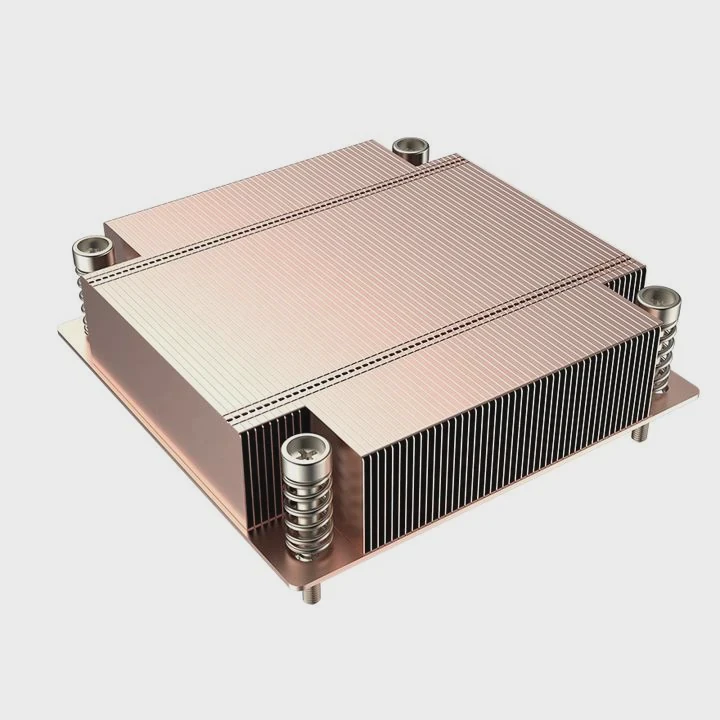
Cutting or reshaping a vapor chamber may sound simple — but because a vapor chamber is a sealed, vacuum‑filled and wick‑structured heat transfer device, shaping it needs care.
You can reshape some vapor chambers, but only with proper methods; otherwise you may break the vacuum seal, damage the internal wick or ruin thermal performance.
Below I explore what works, what doesn’t, and what to watch out for when shaping vapor chambers.
What methods allow cutting Vapor Chambers into custom shapes?
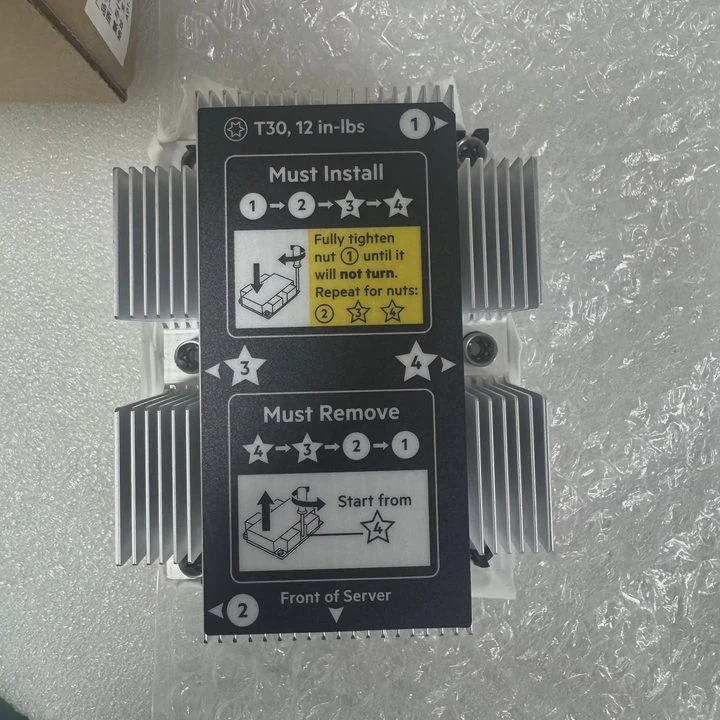
Cutting or reshaping a vapor chamber must respect its internal structure: sealed shell, wick, working fluid and vacuum. Traditional sheet‑metal or solder‑sealed parts might tolerate mechanical trimming; some specialized processes allow custom shaping before final sealing.
The main way to get a custom‑shaped vapor chamber is to design the shape before sealing during manufacturing, using stamping, plate‑forming or stamping + diffusion/brazing. Altering the shape after sealing is risky and seldom recommended.
In practice, “custom shape” VCs are usually made via:
- Stamped two‑piece construction: two metal plates are stamped or formed to the target external shape, then joined, wick inserted, filled, and vacuum‑sealed.
- Machining / CNC before sealing: for some vapor chambers described as “machined vapor chambers,” manufacturers may machine or mill the external shape — but this happens before final sealing, welding or brazing.
Because the internal wick and vacuum must remain intact, any cutting after sealing risks breaking the seal or damaging the wick; such post‑seal cutting is generally not practiced in reliable thermal‑management manufacturing.
Are CNC milling and laser cutting applicable to Vapor Chambers?
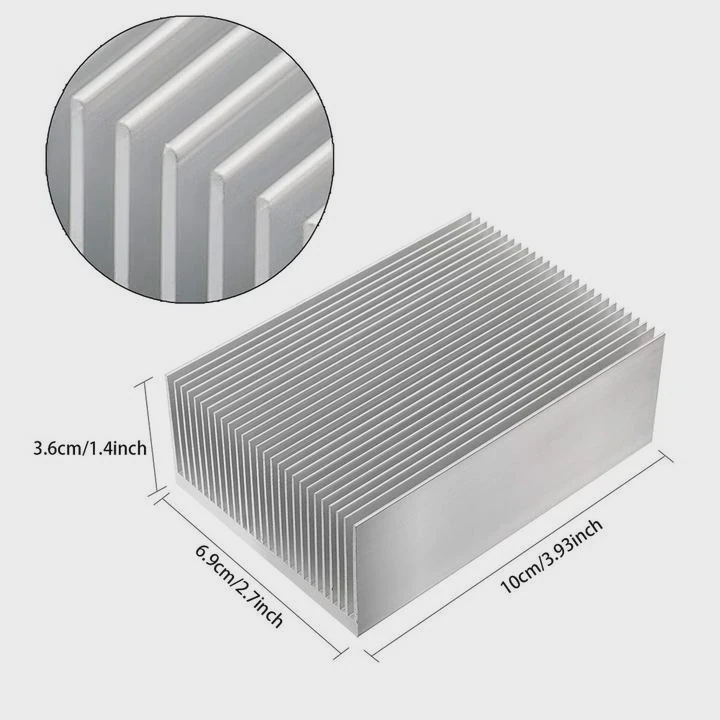
At first glance, CNC milling or laser cutting might look attractive for custom shaping. But for a sealed vapor chamber, applying those methods can be problematic.
CNC milling or laser cutting are only applicable if done before the chamber is sealed — that is, when the vapor chamber is still an open plate pair or pre‑sealed assembly. Once the chamber is sealed, using CNC or laser cutting may break the seal, disturb the wick, or cause leaks.
Some additional considerations:
- A manufacturer might mill the outer outline and even machine mounting holes before final sealing. That is acceptable because the internal volume is not yet vacuum‑filled.
- Using laser cutting on a sealed chamber is risky. Laser cutting works by melting/vaporizing material locally, which may perforate the enclosure or cause micro‑cracks.
- Even when machining before sealing, tolerances must be tight. The final weld or braze must maintain vacuum integrity and also maintain proper alignment for the wick and working fluid.
In short: CNC or laser shaping only if the vapor chamber is not yet sealed. Post‑seal cutting is not standard practice.
Does cutting affect chamber integrity or vacuum seal?
Yes — improper cutting almost always compromises a vapor chamber’s performance. Because a vapor chamber depends on a vacuum‑sealed internal volume, plus a wick structure lining the inner walls, cutting or reshaping after sealing can lead to leaks, wick damage, or failure of the capillary return loop.
Cutting a sealed vapor chamber destroys vacuum integrity, breaks capillary flow, and renders the heat transfer function unreliable or non-functional.
Why cutting fails
| Risk | Description |
|---|---|
| Vacuum loss | Without vacuum, no phase change happens inside |
| Wick damage | Wick may deform, collapse or tear |
| Internal contamination | Cutting may allow air or dust to enter the sealed space |
| Structural integrity loss | Cut edges may warp or cause local pressure collapse |
In sealed units, even slight breaches mean the liquid cannot circulate by evaporation/condensation. Performance drops to near zero.
What design limitations exist when shaping custom Vapor Chambers?
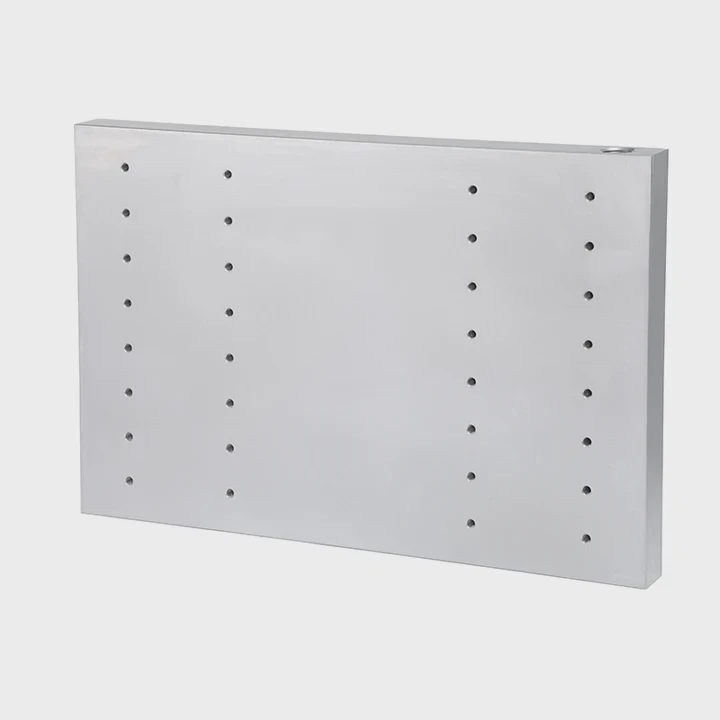
Because of manufacturing method and internal constraints, custom‑shaped vapor chambers have clear design limits. You must account for:
Custom shaping is limited by tooling methods, internal structure, fluid dynamics, and sealing technique. Shapes must be finalized before vacuum sealing.
Manufacturing constraints
- Shape types: flat rectangles, stepped profiles, and moderate curves are feasible. Sharp corners or thick‑to‑thin transitions are hard.
- No post‑sealing bends: all bending must happen before sealing, as deformation may collapse internal cavity or damage seals.
- Fixed sealing process: diffusion bonding or brazing leaves little room for post‑modification.
Design best practices
| Design Rule | Why It Matters |
|---|---|
| Plan all holes and cutouts before sealing | Avoid vacuum breach |
| Minimize sudden geometry changes | Prevent vapor lock and internal pooling |
| Maintain wall thickness uniformity | Prevent local overheating or weak zones |
| Avoid long unsupported spans | Prevent warping under pressure |
Designers should cooperate with thermal engineers early in the process to ensure the shape is both manufacturable and thermally effective.
Conclusion
Cutting or reshaping vapor chambers after sealing is almost never viable — it risks vacuum loss, wick damage, and thermal failure. The right way to achieve custom shapes is to design them before fabrication, and use stamping, machining or forming techniques before sealing. CNC and laser cutting can be used, but only during the pre-sealed stage. Understanding these constraints will help avoid costly design mistakes and ensure high-performance custom thermal solutions.
TAGS
Latest Articles

Volume discount levels for heat sink orders?
Buyers often ask when heat sink prices start to drop with volume. Many worry they’re overpaying for small orders. This guide explains how B2B volume pricing works for thermal components. Heat sink
21 Dec,2025
Heat sink long-term supply contract options?
Many buyers want stable pricing and reliable delivery for heat sinks. But without a clear contract, risks grow over time. This article explores how to secure better long-term supply deals. Long-term
21 Dec,2025
Tooling cost for new heat sink profiles?
Many engineers struggle to understand why tooling for custom heat sinks costs so much. They worry about budgeting and production timelines. This article breaks down the cost drivers behind tooling.
21 Dec,2025
Heat sink custom sample process steps?
Sometimes, starting a custom heat sink project feels overwhelming—too many steps, too many unknowns, and too many risks. You want a sample, but not endless delays. The process for requesting and
20 Dec,2025
Standard B2B terms for heat sink payments?
When buyers and sellers in B2B heat sink markets talk about payment, many don’t fully understand what’s standard. This can lead to delayed orders, miscommunication, and even lost business
20 Dec,2025
Heat sink pricing factors for large orders?
Heat sinks are vital for many systems. When prices rise, projects stall and budgets break. This problem can hit teams hard without warning. Large order heat sink pricing depends on many factors. You
20 Dec,2025Related Articles
- Recommended thermal paste for Vapor Chamber?
- Recommended clamps for Vapor Chamber assembly?
- Vapor Chamber flatness measurement process
- Can Vapor Chamber fail under stress?
- Vapor Chamber heat spreading comparison?
- Does Vapor Chamber need periodic cleaning?
- Heat transfer coefficient of Vapor Chamber?
- What is Vapor Chamber scrap rate?
- Why choose Vapor Chamber over heatsink?
- Vapor Chamber return policy examples?
- Does Vapor Chamber need corrosion protection?
- How to avoid Vapor Chamber leakage?
Author
Dr. Emily Chen
Chief AI Researcher
Leading expert in thermal dynamics and AI optimization with over 15 years of experience in data center efficiency research.
Categories
Latest Products






Recommend Categories
- Liquid cooling plate Manufacturer
- Industrial Heat Sink Manufacturer
- Standard Heat Sink Manufacturer
- Aluminum Heat Sink Manufacturer
- Copper Heat Sink Manufacturer
- Anodized Heatsink Manufacturer
- Stamping heat sink Manufacturer
- Die Casting Heatsink Manufacturer
- Soldering heat sink Manufacturer
- CNC Parts Manufacturer
Latest Products
- Wholesale Aluminum Radiator
- Water Cooling Plate Kit
- Water Cooling Heat Sink
- Water Cooling Heat Sink Kit
- Stainless Steel Water Distributor
- Server Water Cooling Plate Kit
- Server Liquid Cooling System
- Server Aluminum Cooling Kit
- S19 Full Cover Cooling Plate
- S19 Cooling Plate Kit
- S19 Aluminum Cooling Plate
Contact Expert
Have questions about this article? Reach out to our experts directly.