Recommended clamps for Vapor Chamber assembly?
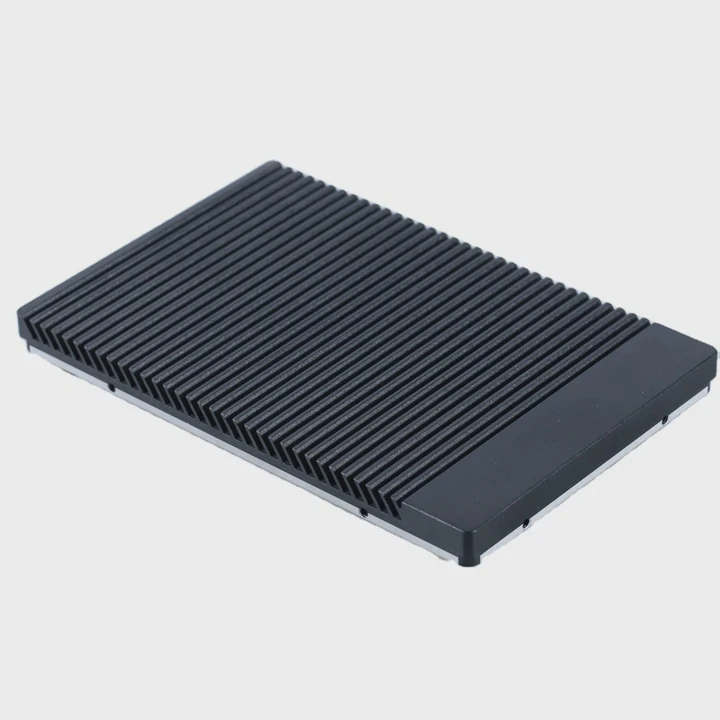
Vapor chambers require precise mounting for optimal thermal performance. Poor clamping causes uneven contact, while over-clamping risks physical damage. Selecting the right clamp type and applying consistent pressure is essential in both prototyping and production.
The best clamps for vapor chamber assembly apply even, controlled pressure without deforming the chamber surface or compromising thermal contact.
Clamping methods should match the chamber size, shape, and thermal load. This helps avoid failures caused by pressure imbalance or seal rupture.
What clamps are recommended for mounting Vapor Chambers?
Not all clamps suit vapor chambers. Some clamps apply too much pressure; others don’t maintain firm contact during thermal cycling.
Spring clips, compression bars, and screw-based clamps are commonly recommended for vapor chamber mounting.
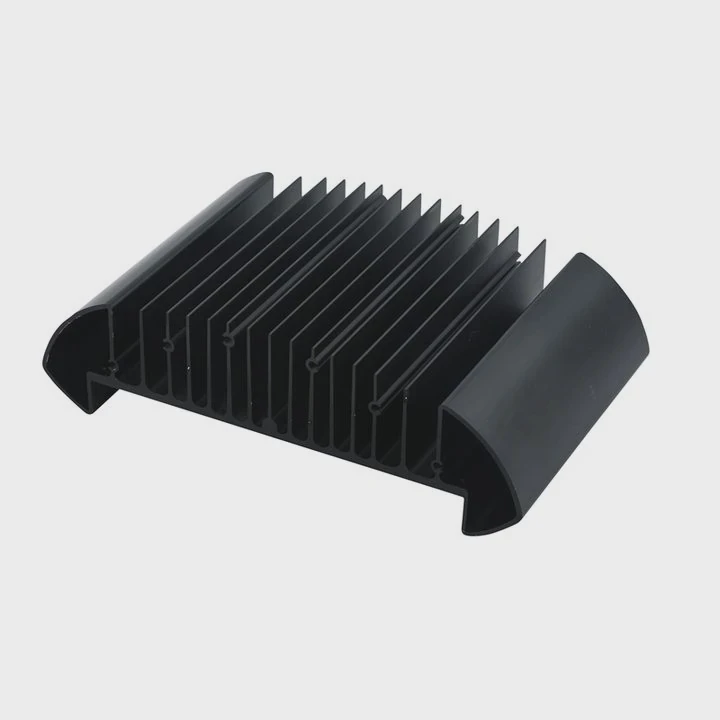
Spring-based clamps work well because they maintain constant pressure despite expansion and vibration. These include:
- Compression clamps like the Wakefield 130-C. These use a bar-and-spring system to apply balanced force across the surface.
- Spring clips such as the Same Sky HSC-10. These are compact and suitable for small or low-profile assemblies.
- SuperGrip clips from Advanced Thermal Solutions (e.g., ATS-SG210-R0) are designed for fast tool-less installation with steady pressure.
Each type has its own application range based on space, force needed, and reworkability. For small vapor chambers used in mobile devices, low-profile clips are best. In power electronics, high-torque screw clamps with compression plates are preferred.
Here’s a quick comparison of clamp types:
| Clamp Type | Pros | Cons | Common Use |
|---|---|---|---|
| Spring Clip | Easy install, good for small VCs | Lower force range | Mobile, compact devices |
| Compression Bar Clamp | Uniform pressure, reusable | Higher cost | Power devices, baseplate mount |
| Screw Clamp + Spacer | Adjustable force | Risk of overtightening | Custom brackets, lab testing |
Do clamping forces affect contact surface performance?
Yes, clamping force is critical. A loose clamp reduces heat transfer; too much force can crush the vapor chamber casing.
Correct clamping force ensures maximum surface contact and minimal thermal resistance between vapor chamber and heat sink.
Vapor chambers have flat, sealed metal shells. Their performance relies on tight contact with other components. Poor contact causes gaps, increasing interface resistance. Proper clamp pressure presses the chamber into the mating surface, reducing air gaps and improving thermal conduction.
Studies show that increased clamping force lowers thermal resistance—up to a point. Once maximum contact is achieved, added pressure gives diminishing returns. Beyond that point, shell damage becomes a risk.
Optimal Pressure Range
| Vapor Chamber Size | Typical Clamp Force Range |
|---|---|
| Small (30x30 mm) | 10–20 N |
| Medium (50x50 mm) | 20–40 N |
| Large (>80x80 mm) | 50–100 N |
Always refer to manufacturer guidelines or test for your specific application. Never exceed the mechanical stress limits of the chamber shell.
Is uniform clamp pressure necessary for Vapor Chambers?
Yes. Vapor chambers require even pressure across the contact surface for optimal performance and structural safety.
Uneven pressure causes thermal hotspots, bending, and seal stress — leading to failure.
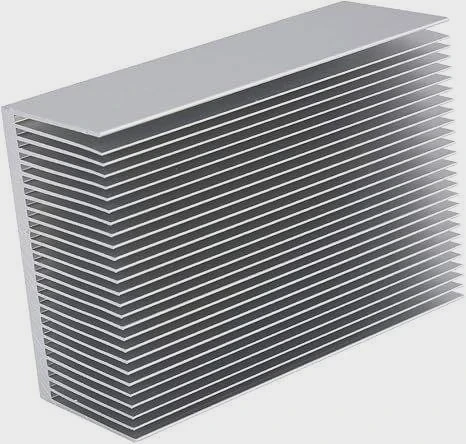
Vapor chambers use a flat metal shell enclosing a wick and working fluid. Uneven pressure can create gaps under one area and crush another. This damages internal structures like pillars or wicks and compromises heat spreading.
Good mounting uses multiple clips or compression plates with even spacing. Some engineers use torque-limited screws or load-distributing springs to balance the load.
Inconsistent pressure is a common cause of vapor chamber warping or early leakage. That’s why many designs favor spring clamps — they automatically adjust to maintain uniform force even if parts shift slightly under heat.
Can over-clamping damage a Vapor Chamber?
Yes. Vapor chambers are sealed under vacuum with thin walls. Over-clamping can crush the shell or deform internal supports.
Excessive force may lead to shell collapse, wick displacement, or even microcracks in the seal welds.
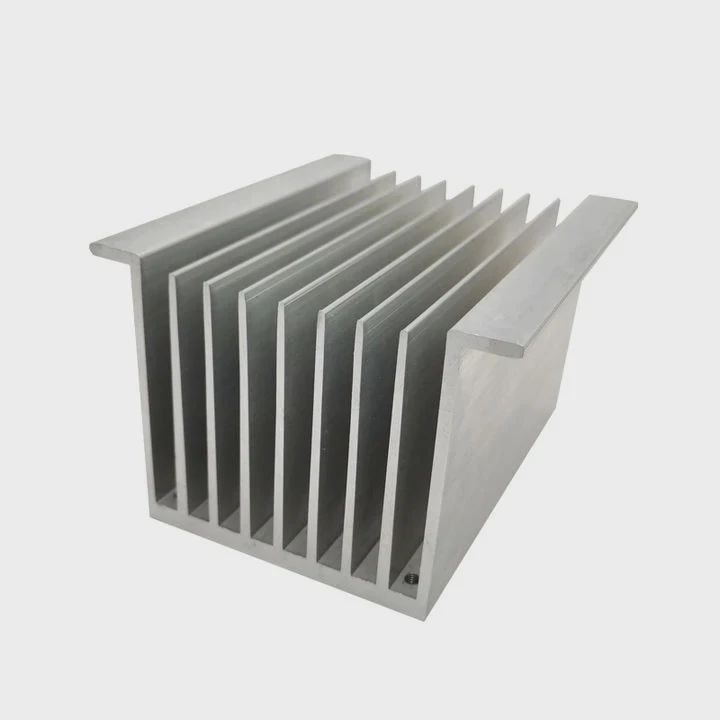
Unlike solid metal blocks, vapor chambers are not designed for high compression loads. Their walls are usually 0.3–1.0 mm thick and must stay flat for capillary action to work. Over-clamping may also cause a shift in internal structure, blocking vapor flow paths or dislodging sintered wicks.
Damage from over-clamping is often invisible at first. The chamber may pass initial tests, but fail prematurely during thermal cycling or vibration. That’s why compression clamps with controlled preload (e.g. spring bars) are safer than screw-only systems.
Torque-limiting drivers or calibrated assembly tools help avoid excessive clamp pressure. Use soft interface pads when necessary to distribute load more evenly.
Summary of clamp recommendations for vapor chambers
| Application Scenario | Recommended Clamp Solution |
|---|---|
| Tight space, small form factor | Spring clips (e.g., HSC-10, ATS-SG210) |
| High power modules | Compression bar clamps with torque control |
| Uniform surface pressure | Multi-point clip placement or compression springs |
| Assembly with limited access | Tool-less spring clip designs |
| Risk of overpressure damage | Preload-calibrated spring clamps |
Conclusion
Choosing the right clamp for vapor chamber mounting ensures proper contact, performance, and long-term reliability. Uneven or excessive force can lead to performance loss or mechanical failure. Always aim for controlled, uniform pressure using tested clamp systems.
TAGS
Latest Articles

Volume discount levels for heat sink orders?
Buyers often ask when heat sink prices start to drop with volume. Many worry they’re overpaying for small orders. This guide explains how B2B volume pricing works for thermal components. Heat sink
21 Dec,2025
Heat sink long-term supply contract options?
Many buyers want stable pricing and reliable delivery for heat sinks. But without a clear contract, risks grow over time. This article explores how to secure better long-term supply deals. Long-term
21 Dec,2025
Tooling cost for new heat sink profiles?
Many engineers struggle to understand why tooling for custom heat sinks costs so much. They worry about budgeting and production timelines. This article breaks down the cost drivers behind tooling.
21 Dec,2025
Heat sink custom sample process steps?
Sometimes, starting a custom heat sink project feels overwhelming—too many steps, too many unknowns, and too many risks. You want a sample, but not endless delays. The process for requesting and
20 Dec,2025
Standard B2B terms for heat sink payments?
When buyers and sellers in B2B heat sink markets talk about payment, many don’t fully understand what’s standard. This can lead to delayed orders, miscommunication, and even lost business
20 Dec,2025
Heat sink pricing factors for large orders?
Heat sinks are vital for many systems. When prices rise, projects stall and budgets break. This problem can hit teams hard without warning. Large order heat sink pricing depends on many factors. You
20 Dec,2025Related Articles
- Vapor Chamber flatness measurement process
- Can Vapor Chamber fail under stress?
- Vapor Chamber heat spreading comparison?
- Does Vapor Chamber need periodic cleaning?
- Vapor Chamber choice for embedded systems
- Vapor Chamber compliance with fire safety?
- Recommended thermal paste for Vapor Chamber?
- How to cut Vapor Chamber to custom shapes?
- Heat transfer coefficient of Vapor Chamber?
- What is Vapor Chamber scrap rate?
- Why choose Vapor Chamber over heatsink?
- Vapor Chamber return policy examples?
Author
Dr. Emily Chen
Chief AI Researcher
Leading expert in thermal dynamics and AI optimization with over 15 years of experience in data center efficiency research.
Categories
Latest Products






Recommend Categories
- Liquid cooling plate Manufacturer
- Industrial Heat Sink Manufacturer
- Standard Heat Sink Manufacturer
- Aluminum Heat Sink Manufacturer
- Copper Heat Sink Manufacturer
- Anodized Heatsink Manufacturer
- Stamping heat sink Manufacturer
- Die Casting Heatsink Manufacturer
- Soldering heat sink Manufacturer
- CNC Parts Manufacturer
Latest Products
- Wholesale Aluminum Radiator
- Water Cooling Plate Kit
- Water Cooling Heat Sink
- Water Cooling Heat Sink Kit
- Stainless Steel Water Distributor
- Server Water Cooling Plate Kit
- Server Liquid Cooling System
- Server Aluminum Cooling Kit
- S19 Full Cover Cooling Plate
- S19 Cooling Plate Kit
- S19 Aluminum Cooling Plate
Contact Expert
Have questions about this article? Reach out to our experts directly.