Heat sink performance in medical equipment?
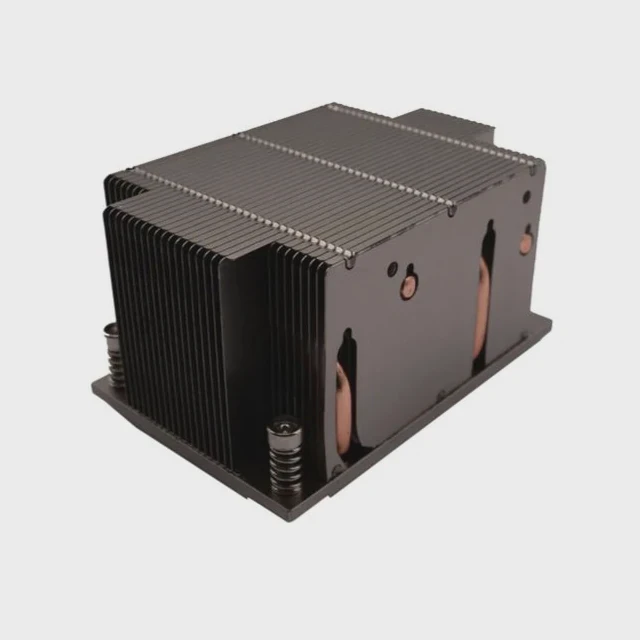
Medical instruments can overheat fast. That heat can harm sensitive parts or risk patient safety. Heat sinks are critical.
Medical heat sinks must meet strict safety and hygiene standards. They must also cool effectively while staying compact and quiet. A good sink keeps the device reliable and safe.
In what ways do standards, design, size, and coating matter for medical heat sinks? The following sections dive into how each factor plays a role.
What safety standards apply to medical heat sinks?
Overheating medical gear can cause serious errors or patient harm. Regulators demand tight thermal safety. Medical heat sinks must meet those rules before use.
Medical heat sinks typically follow standards such as IEC 60601‑1 for electrical safety and ISO 13485 for quality management. These ensure heat sinks do not impair device safety or performance.
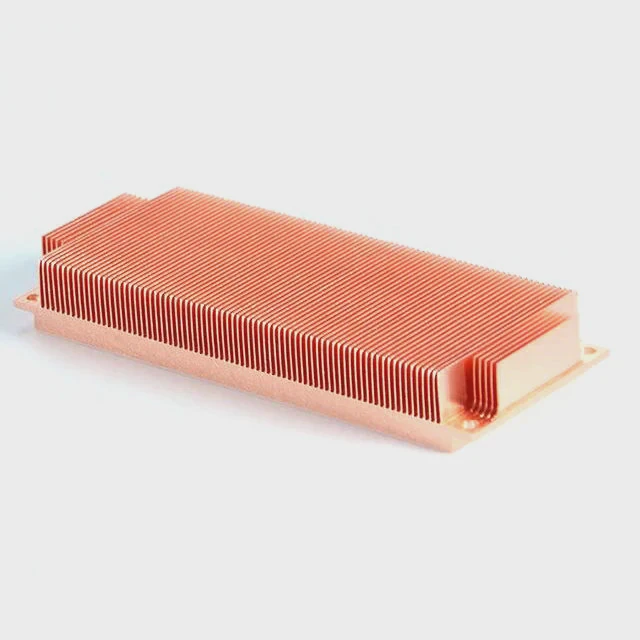
When designing or selecting heat sinks for medical devices, several standards are relevant. First, electrical safety and electromagnetic compatibility standards ensure the sink does not interfere with device signals or cause leakage. Also, medical‑device quality standards guarantee consistent manufacturing quality and traceability. These standards require documentation, controlled processes, and regular testing.
Many medical devices are subject to the following standards:
| Standard | Covers | Relevance to Heat Sink |
|---|---|---|
| IEC 60601‑1 | Electrical safety and device insulation | Heat sink materials must not cause leakage, must withstand insulation tests |
| IEC 60601‑1-2 | EMC (Electromagnetic Compatibility) | Heat sink must not create EMI or interfere with device signals |
| ISO 13485 | Quality management for medical devices | Ensures consistent manufacturing quality and traceability of heat sinks |
| RoHS / REACH (where applicable) | Hazardous material restrictions | Heat sink materials must avoid restricted substances |
| ISO 10993 (biocompatibility, if applicable) | Contact safety (if sink contacts patient) | Material and coating must be biocompatible and safe |
Manufacturers or OEMs must supply documentation showing compliance. That includes material certificates, manufacturing process records, and batch traceability. Without these, regulators may reject device certification.
Also, cleanliness and hygiene are often crucial. Even if the heat sink does not contact the patient directly, it sits inside a device that may touch biological tissues or fluids. Therefore material purity and clean manufacturing are essential. In some cases, additional tests are required to show no toxic emissions or harmful outgassing.
In my experience working with components for medical-grade systems, the compliance part takes as much time as the technical design. The safety standards shape how heat sinks are built: they demand stable materials, clean fabrication, strict documentation. Good thermal performance alone is not enough. Designers must think about safety, manufacturability, and compliance from the start.
How do silent cooling solutions benefit devices?
Loud fans or active cooling can disturb patients and clinicians. Silent cooling avoids noise and vibration. Passive or quiet sinks keep the environment calm.
Silent cooling helps medical gear stay steady and noise‑free while drawing little maintenance. That protects patients and data reliability.
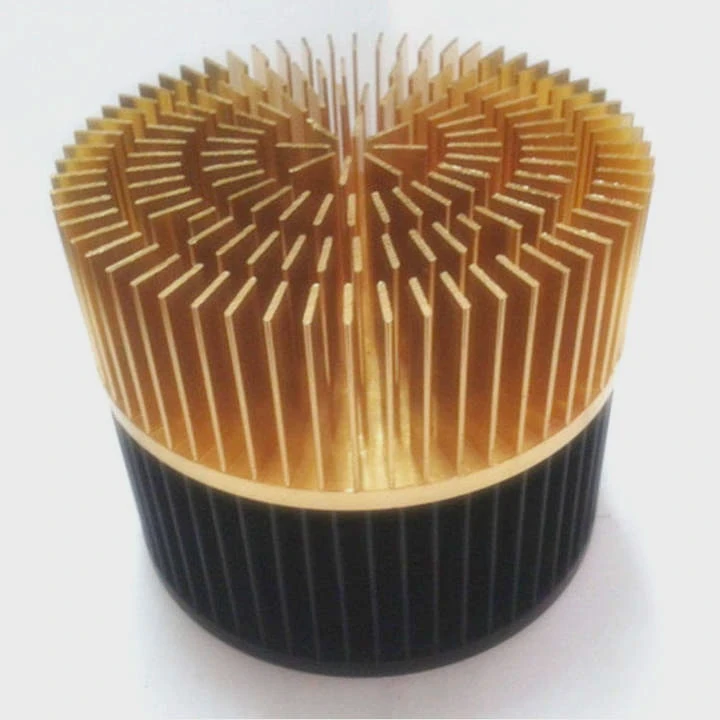
Many medical devices run in sensitive customer environments—operating rooms, patient wards, diagnostic labs. Noise and vibration from fans can distract staff or upset patients. Using silent cooling (passive heat sinks, fanless liquid cooling, or low‑noise fans) reduces disruption. It also lowers mechanical wear and maintenance needs.
Silent cooling solutions enable stable performance over time. Passive sinks have no moving parts. That means fewer failures, less dust build-up, and less maintenance. When devices run continuously for long hours, that reliability matters.
Moreover, many medical devices must meet acoustic noise limits. For example, imaging machines, monitoring devices, or diagnostic instruments often run near patients. Quiet cooling ensures comfort and compliance with acoustic standards.
Another advantage is lowering vibration risk. Fans or pumps can cause vibration that affects sensitive sensors or imaging parts. Silent passive sinks or well-damped liquid cooling avoid such vibrations. That helps maintain accuracy in measurements or imaging.
From my work evaluating thermal systems, I saw that silent cooling often improves overall device uptime and patient comfort. Devices stay cool without noise or interruptions. That adds value beyond merely cooling power.
Can small heat sinks ensure high thermal efficiency?
Users often assume bigger sinks cool better. But compact design can still perform well. Efficient materials and smart design make small sinks effective.
Small heat sinks can provide strong thermal performance if they use high‑conductivity materials and optimized geometry. Good sink design balances size and cooling.
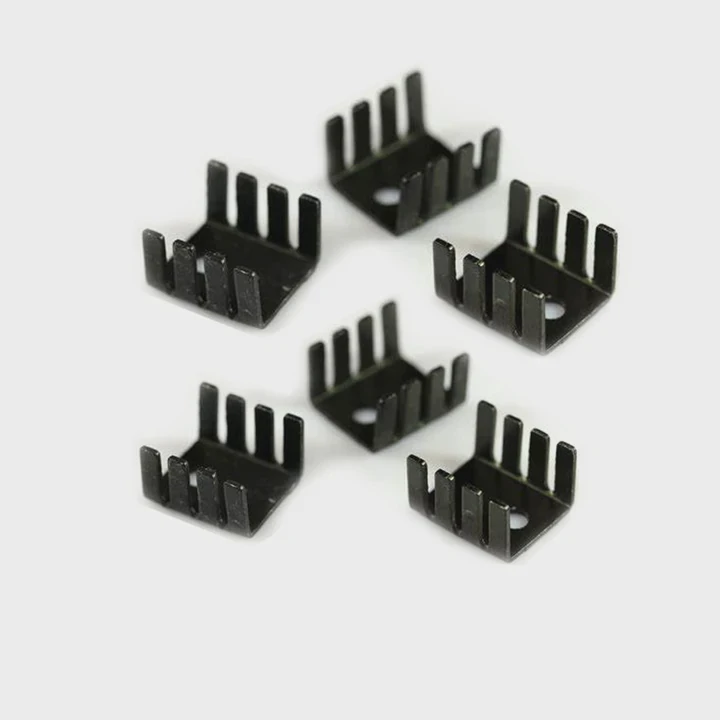
Size is not the only factor for thermal efficiency. Heat conduction happens through the material and across interfaces. If a small sink uses high‑conductivity aluminum or copper, and if it contacts heat sources well, it can dissipate comparable heat. Also, the sink’s fin geometry, plate thickness, and surface area matter a lot.
In many compact medical devices—like portable monitors, handheld diagnostic tools, or battery‑powered instruments—space is limited. Designers must fit cooling inside tight enclosures. In those cases, a small sink with smart layout may succeed better than a bulky one.
Key design factors for small but effective heat sinks:
- Use high‑conductivity materials (e.g., aluminum alloy, copper)
- Maximize surface area with fins or micro‑channels
- Ensure good contact between heat source and sink
- Optimize airflow or liquid flow path (if active or passive liquid cooling)
In some cases, a small sink with micro‑channels and phase‑change materials achieves better cooling per volume than a large passive block. These designs spread heat quickly, avoid hotspots, and keep temperature even.
From examples in medical systems, small efficient sinks help reduce device weight and size. That enables portable or wearable medical gear. Also, smaller sinks cool down faster at shutdown, which helps devices that cycle on and off regularly.
However, small sinks may struggle if the heat load is high and if airflow or liquid flow is restricted. In those cases, adding fins or improving thermal interface is critical. Designers should run thermal simulations before finalizing. If contact area or surface area is inadequate, even high‑conductivity materials will not save performance.
A balanced design often includes fine‑tube liquid cooling plates or thin fins paired with high-conductivity base. That gives both compact size and strong heat dissipation.
Which coatings improve cleanliness and hygiene?
Heat sinks inside medical devices may face dust, fluids, or microbial exposure. Coatings can help by making surfaces easy to clean or resist contamination.
Coatings like anodizing, biocompatible paint, or antimicrobial finishes improve cleanliness. They reduce microbial growth and ease cleaning in medical environments.
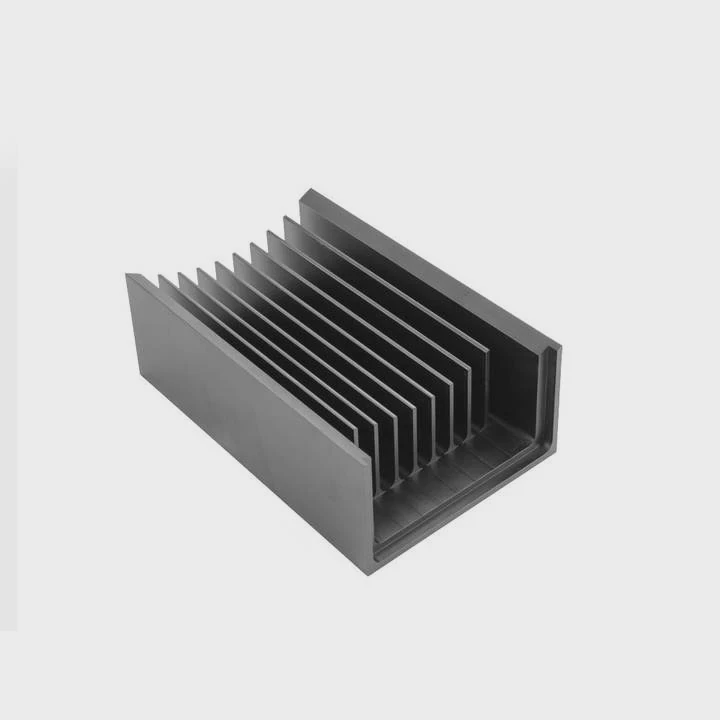
Medical-grade devices often undergo sterilization or cleaning. The internal parts must resist corrosion from cleaning agents. Some coatings protect the sink material from corrosion from alcohol, disinfectants, or moisture. Others make the surface smooth and easy to wipe.
Common coatings for heat sinks in medical gear:
| Coating Type | Benefit | Notes |
|---|---|---|
| Hard anodizing | Corrosion resistance; easy to clean; durable | Works well on aluminum sinks |
| Biocompatible powder coating | Seals surface; resists chemicals and wear | Choose certified coatings for medical environment |
| Antimicrobial coating | Reduces bacteria growth on contact | Use coatings approved for medical use |
| Clear passivation (for copper sinks) | Prevents oxidation; keeps clean surface | Must not seal thermally important interfaces |
In real cases, hard anodizing on aluminum fins helped sinks resist frequent alcohol wipes. No discoloration or corrosion happened even after thousands of cleaning cycles. Powder coatings sealed microscopic surface roughness, which minimized dust build-up. Antimicrobial layers added extra safety in devices used around patients.
When selecting coating, consider cleaning method (alcohol wipes, UV sterilization, steam), frequency, and regulatory requirements. Some coatings may interfere with thermal conductivity or create trapped dust if rough. Others may flake or degrade after repeated cleaning cycles. That reduces both hygiene and heat performance.
In my experience, coating choice makes a big difference for long-term maintenance. A good coating keeps the device clean, safe, and working well. A poor choice can lead to corrosion, reduced thermal contact, or hygiene issues.
Conclusion
In medical equipment, heat sink performance depends on standards, quiet design, proper size, and hygiene‑friendly coatings. Only when all factors align does the cooling solution truly support safe, reliable medical devices.
TAGS
Latest Articles

Volume discount levels for heat sink orders?
Buyers often ask when heat sink prices start to drop with volume. Many worry they’re overpaying for small orders. This guide explains how B2B volume pricing works for thermal components. Heat sink
21 Dec,2025
Heat sink long-term supply contract options?
Many buyers want stable pricing and reliable delivery for heat sinks. But without a clear contract, risks grow over time. This article explores how to secure better long-term supply deals. Long-term
21 Dec,2025
Tooling cost for new heat sink profiles?
Many engineers struggle to understand why tooling for custom heat sinks costs so much. They worry about budgeting and production timelines. This article breaks down the cost drivers behind tooling.
21 Dec,2025
Heat sink custom sample process steps?
Sometimes, starting a custom heat sink project feels overwhelming—too many steps, too many unknowns, and too many risks. You want a sample, but not endless delays. The process for requesting and
20 Dec,2025
Standard B2B terms for heat sink payments?
When buyers and sellers in B2B heat sink markets talk about payment, many don’t fully understand what’s standard. This can lead to delayed orders, miscommunication, and even lost business
20 Dec,2025
Heat sink pricing factors for large orders?
Heat sinks are vital for many systems. When prices rise, projects stall and budgets break. This problem can hit teams hard without warning. Large order heat sink pricing depends on many factors. You
20 Dec,2025Related Articles
- Renewable energy inverters requiring heat sink?
- Industrial automation devices needing heat sink?
- Suitable heat sink for EV battery packs?
- Heat sink solutions for telecom base stations?
- Heat sink options for automotive electronics?
- Best geometry for compact heat sink?
- Heat sink selection for aerospace electronics?
- Heat sink usage in power distribution panels?
- Heat sink usable in coastal high-humidity areas?
- How heat sink extrusion is manufactured?
- what is the best CNC plasma cutter?
- Heat sink machining standards for precision parts?
Author
Dr. Emily Chen
Chief AI Researcher
Leading expert in thermal dynamics and AI optimization with over 15 years of experience in data center efficiency research.
Categories
Latest Products






Recommend Categories
- Liquid cooling plate Manufacturer
- Industrial Heat Sink Manufacturer
- Standard Heat Sink Manufacturer
- Aluminum Heat Sink Manufacturer
- Copper Heat Sink Manufacturer
- Anodized Heatsink Manufacturer
- Stamping heat sink Manufacturer
- Die Casting Heatsink Manufacturer
- Soldering heat sink Manufacturer
- CNC Parts Manufacturer
Latest Products
- Wholesale Aluminum Radiator
- Water Cooling Plate Kit
- Water Cooling Heat Sink
- Water Cooling Heat Sink Kit
- Stainless Steel Water Distributor
- Server Water Cooling Plate Kit
- Server Liquid Cooling System
- Server Aluminum Cooling Kit
- S19 Full Cover Cooling Plate
- S19 Cooling Plate Kit
- S19 Aluminum Cooling Plate
Contact Expert
Have questions about this article? Reach out to our experts directly.