Renewable energy inverters requiring heat sink?
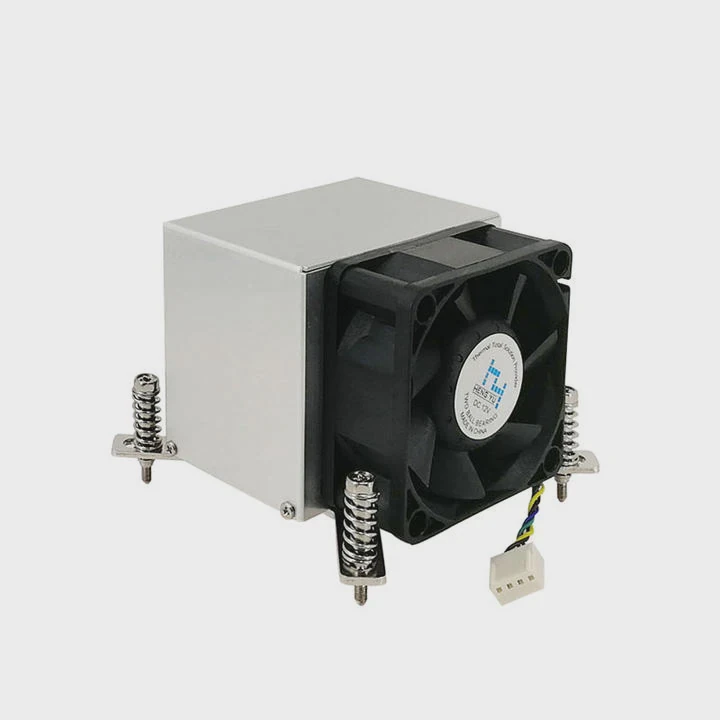
When an inverter runs hot under strong load, failure looms fast — wasted energy or full breakdown feels close. Without proper heat sink design, systems overheat.
Because inverters convert power at high currents and voltages, they generate significant heat. A well‑designed heat sink prevents overheating, ensures stable output, and extends lifespan.
That need leads to deeper questions. What conditions demand a bigger heat sink? How do changing temperatures affect cooling? Can we trust passive cooling? What design features prolong heat sink life? Let’s dig in.
What power ratings drive heat sink selection?
When an inverter handles high power, heat rises fast. That heat must go somewhere — into a heat sink, or the device overheats.
Higher inverter wattage drives more heat. Thus bigger or more efficient heat sinks are needed for high‑power units.
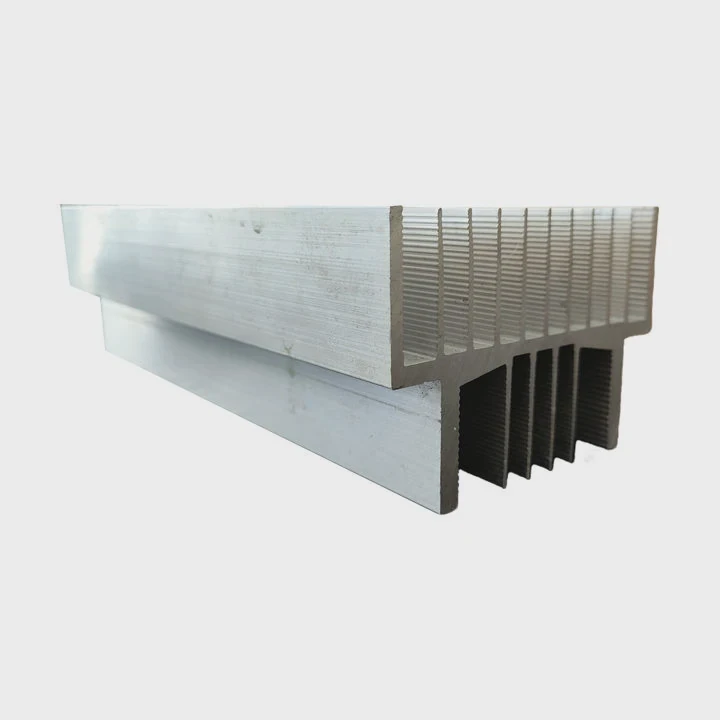
When an inverter converts DC to AC at high power, internal losses occur. These losses turn into heat. As power rating climbs, losses grow. Even a modern inverter rated 5 kW may dissipate a few hundred watts under heavy load. A 50 kW or larger industrial inverter may lose several kilowatts as heat. Without a heat sink sized for that load, temperature inside the module climbs quickly.
Thermal load grows with output power
- Heat generated depends on current, switching losses, and resistance inside semiconductors.
- As output power increases, current increases. Losses often grow with square of current.
- Thus a 10× bigger inverter may produce more than 10× heat if not optimized.
- Designers must estimate worst‑case losses (e.g. full load plus ambient temperature) to choose the right heat sink.
Here is a rough guideline table showing how inverter power rating maps to typical heat sink or cooling needs:
| Inverter power rating | Typical heat dissipation at full load | Suggested cooling approach |
|---|---|---|
| 1 kW – 5 kW | 50 – 200 W | Small passive heatsink or basic fan |
| 5 kW – 20 kW | 200 – 800 W | Medium heatsink + forced air fan |
| 20 kW – 50 kW | 800 W – 2 kW | Large heatsink + multiple fans or liquid cooling |
| > 50 kW | 2 kW+ | Large heatsink + liquid cooling / liquid cold plate |
This table is a general guide. Actual heat depends on design efficiency, switching frequency, ambient temperature, and load profile.
When selecting a heat sink, it is wise to target worst‑case loads. If inverter runs at high duty cycle, or if efficiency is modest (for example older MOSFETs or IGBTs), then heat sink must have overhead. If designers only plan for average load, sudden peak load may overheat the module.
I often check datasheets for “loss wattage” at full load. Then I match heat sink thermal resistance (°C/W) so that case temperature stays below safe limit. For example, if inverter loses 500 W and ambient is 25 °C, and max junction temp is 90 °C, then total temperature rise allowed is 65 °C. That means the heat sink should have resistance of about 0.13 °C/W (65 °C / 500 W). That leads to large extruded fins, greater surface area, or forced cooling if passive solution cannot meet it.
In short: higher power rating → more heat → need for better heat sink. Under‑estimating this link can cause early failure or derating of the inverter.
How does ambient temperature affect inverter cooling?
When environment gets hot, cooling becomes harder. A heat sink works by shedding heat into air. Hot air reduces that ability. That raises risk of overheating.
If ambient temperature climbs, heat sinks need better design or active cooling. Higher ambient demands bigger surface area or airflow to keep safe temperatures.
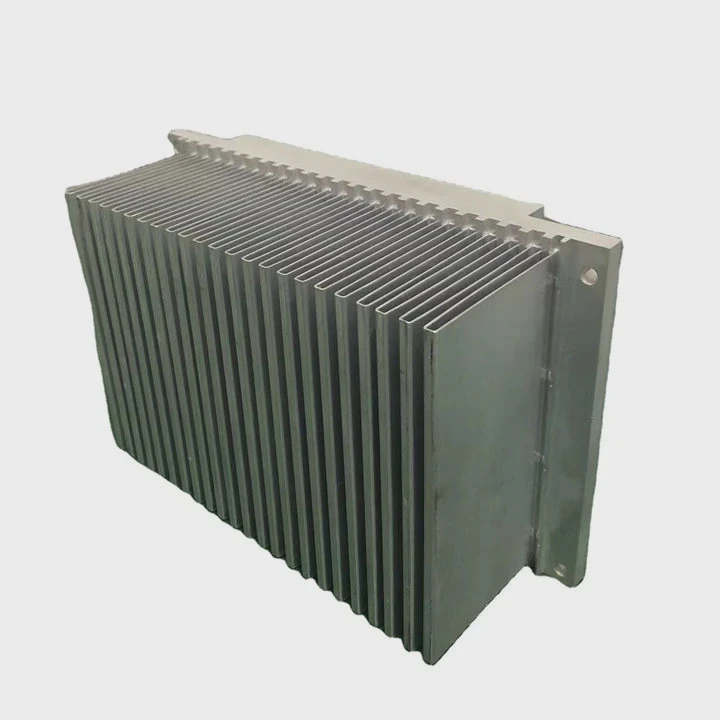
Ambient temperature has a direct effect on heat sink performance. A heat sink does not cool below ambient. It only raises heat to ambient temperature. If air is hot, temperature difference between heat sink and air shrinks. That slows cooling. For example, a heat sink designed to shed 500 W at 25 °C ambient may only manage 300 W at 45 °C ambient. That forces the inverter to sweat or reduce load.
Derating under high ambient
Many inverter makers specify performance at 25 °C ambient. But real world environments can reach 40 °C or more. Under high ambient, the unit may derate — reduce output — to avoid overheating. That reduces inverter efficiency or output power. Worse, if design ignores ambient extremes, the unit may overheat and fail.
Also, hot ambient tends to raise internal component temperature slowly. Over time this harms semiconductors, lowers reliability, shortens lifespan. For sensitive applications — solar farms in hot deserts, rooftop inverters under sun — this is critical.
Design adjustments to cope
To handle high ambient, engineers can:
- Use larger fins to increase surface area.
- Use forced air cooling (fans) to move air over fins.
- Use active cooling such as liquid cold‑plates or liquid cooling loops.
- Position inverter where airflow exists or shade to reduce ambient heating.
- Add thermal insulation or barrier between heat sink and hot surrounding surfaces.
Here is a table showing how ambient temperature affects cooling requirement loosely:
| Ambient temperature | Cooling capacity drop (vs at 25 °C) | Design change needed |
|---|---|---|
| 25 °C (baseline) | 100% | Basic heatsink + fan |
| 35 °C | ~ 80% | Larger fins / good airflow |
| 45 °C | ~ 60% | Bigger heatsink + forced air or liquid cooling |
| 55 °C+ | < 50% | Advanced cooling needed — liquid cooling or derate power |
Designers must check worst ambient conditions in deployment location before sizing the heat sink. If installer ignores ambient, inverter may fail under summer heat or high‑altitude sun. I know of solar farms where units derated 20–30% in summer because heat sinks were insufficient. That loss reduces energy yield and annoys customers.
Thus ambient temperature is not a side note — it’s a central factor. It affects cooling capacity, reliability, and long‑term performance. Good design must factor in ambient extremes, not just ideal lab conditions.
Can solar inverters use passive heat sinks only?
Passive cooling looks appealing: no fans, no noise, no maintenance. But it has limits. For small solar inverters or light loads, passive might work. For large systems or hot climates, passive may fail.
Passive heat sinks alone can work for low‑power or lightly loaded solar inverters. But most real solar inverters need forced air or liquid cooling under heavy load or high ambient.
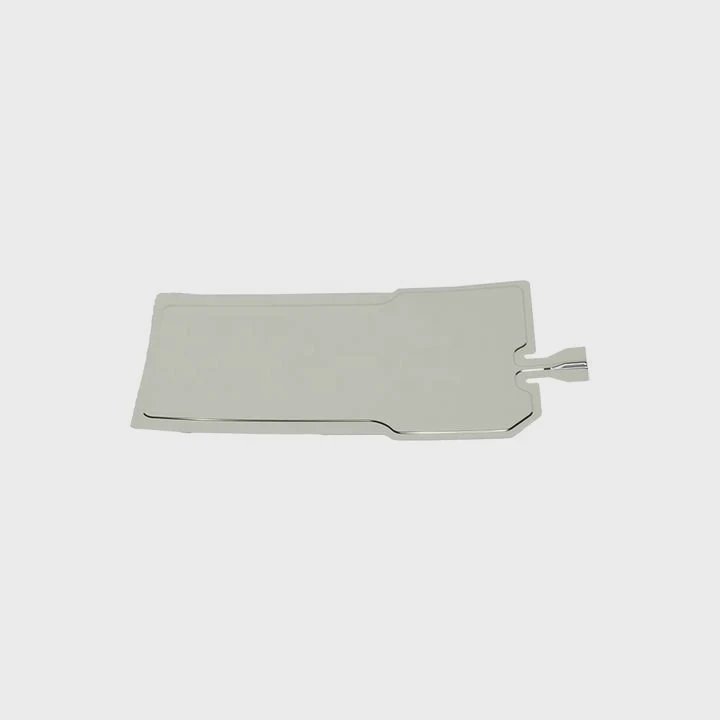
Passive heat sinks use metal fins or extrusions to radiate or convect heat into surrounding air. They rely on natural airflow. That method has advantages: simplicity, no moving parts, no noise, lower cost. But passive cooling has clear limits.
When passive cooling works
- Small inverters (e.g. 1–3 kW) under light solar irradiance.
- Installations in cool or shaded areas with steady airflow.
- Low duty cycles — inverter runs sometimes, not full day at max power.
- Environments with minimal dust or contamination (so fins stay clean).
In such scenarios, a well‑designed aluminum heatsink with many fins may keep temperatures within safe limits. Passive cooling is often enough in mild climates or for backup systems.
Limitations of passive cooling
Natural convection is slow. If heat load is large, fins alone cannot shed heat fast. In hot climates or during peak production when sunlight is strong, passive sink may overheat. In closed or tight enclosures (e.g. inside a sealed box), airflow is very limited — passive cooling becomes ineffective. Fins may get hot but air around them warms and stays there. That reduces heat transfer. Dust buildup on fins also reduces efficiency over time.
When active cooling is needed
- Medium to high‑power solar inverters (5 kW+).
- Full‑day high irradiance in sunny climates.
- Enclosed spaces or rooftops with little airflow.
- Prolonged heavy load — maximum energy output for hours.
Active cooling adds forced air fans or even liquid cooling. Fans push air over fins to remove heat faster. Liquid cooling uses cold plates and coolant loops, giving much more capacity. These methods handle higher heat loads and keep internal temperatures stable even under harsh conditions.
I have seen small rooftop inverters use passive sink only. They work fine on cloudy days or in mild weather. But once summer heat hits 40–45 °C with full sun, output drops or overheat warnings come. In contrast, same inverter with fan or liquid cooling runs stable and delivers full output.
Therefore, passive cooling can be a choice only under constrained conditions. For most real solar energy systems — especially larger ones — active cooling or hybrid cooling ensures reliability and stable output.
Which features improve inverter heat sink life?
Heat sinks face high heat, cycling temperatures, dust, moisture, and mechanical stress. Without correct design, they degrade fast. But some design features help them survive longer and perform better.
Durable coatings, good airflow paths, dust barriers and strong mechanical joints make heat sinks last longer and resist failure.
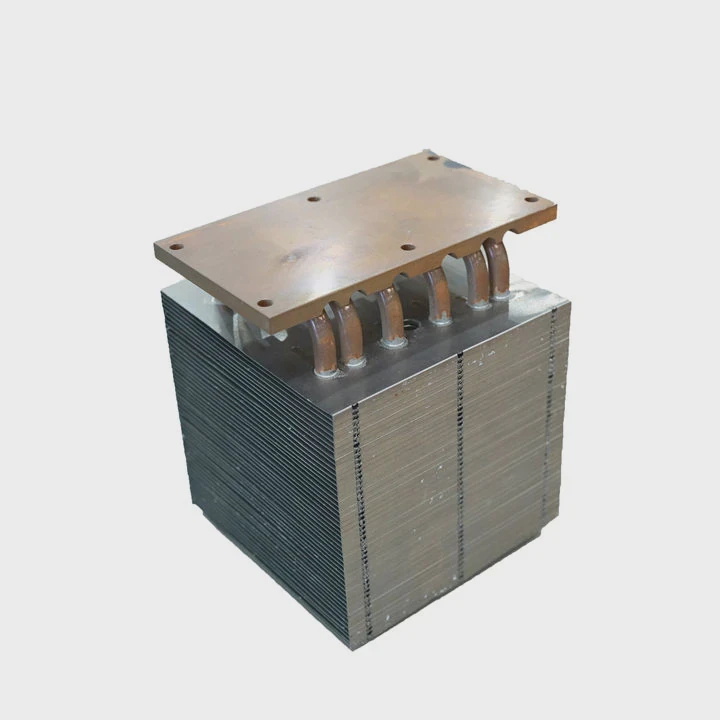
A heat sink is more than a chunk of metal. It must handle repeated cycles of heating and cooling, environmental exposure, and mechanical stresses. These conditions can degrade fins, welds, or joints over time. Smart design reduces those risks.
Key design features for long life
Corrosion‑resistant coatings
Aluminum fins resist rust, but in moist or coastal environments, oxidation or salt may occur. Anodized aluminum or powder‑coated surfaces resist corrosion. That keeps fins conducting heat well over many years. Without coating, corrosion raises thermal resistance and reduces cooling efficiency.
Proper airflow design and dust protection
Dust, dirt, and debris can block fin gaps, reducing airflow. That adds thermal resistance. Using filters, dust covers or purposeful airflow channels helps keep air moving. Fans placed to blow air across fins in a designed path prevent dead zones. Also designing to avoid dust traps (no dead corners) helps.
Thermal cycling tolerance and mechanical stability
Each time inverter cycles on/off or load varies, metal expands and contracts. Good thermal design uses materials and joints that tolerate expansion. Welds or screws must avoid stress points. If not, cracks may form, lowering heat transfer and risking failure. Using vibration-resistant mounts, flexible joints or damping helps.
Sealing and environmental protection
If inverter is outside, heat sink often sits in a chassis. That chassis must seal against moisture and dust. Seals, gaskets, or valves that allow moisture out but prevent ingress help. Without sealing, dust or water enters, corrodes fins or damages electronics. So designing enclosure for IP rating helps.
Maintenance and easy service design
A heat sink that is easy to inspect, clean and service lives longer. Removable covers, replaceable filters, accessible fans or fin surfaces allow regular maintenance. That keeps performance high. Fixed, sealed heat sink may perform well at first, but after a few years, dust or corrosion builds up and reduces cooling efficiency.
Here is a checklist style table summarizing these design features:
| Feature | Benefit |
|---|---|
| Anodized or coated fins | Resist corrosion, maintain thermal transfer |
| Defined airflow path + filters | Keep fins clean, sustain airflow |
| Vibration‑resistant mounts / flexible joints | Avoid stress fractures during thermal cycling |
| Enclosure sealing (dust/moisture) | Protect fins and electronics from environment |
| Accessible design with removable parts | Enable maintenance and prolong lifespan |
In practice, combining these features makes a difference. For example, a solar inverter deployed in coastal area with salt spray and hot sun fared well because it had anodized fins, sealed housing, dust filters and a fan with airflow path. The unit ran years without maintenance and kept good output. Another inverter without those features lost efficiency within two years because fins corroded and airflow blocked.
In design reviews, I always treat heat sink as a living part. It must stay clean, connected, and protected. Otherwise, even a large sink fails to cool. I prefer designs that give access — easy cleaning or filter change — and avoid sealing it permanently. That way, long‑term reliability is much higher.
Conclusion
Proper heat sink design is vital for inverter cooling. Power rating, ambient temperature, and cooling method determine size and type. Passive cooling works only for light duty under mild conditions. Durable coatings, airflow management, and maintenance access help heat sinks last long and perform well. Good design keeps inverters safe and stable.
”`markdown
Word count: 1620
TAGS
Latest Articles

Volume discount levels for heat sink orders?
Buyers often ask when heat sink prices start to drop with volume. Many worry they’re overpaying for small orders. This guide explains how B2B volume pricing works for thermal components. Heat sink
21 Dec,2025
Heat sink long-term supply contract options?
Many buyers want stable pricing and reliable delivery for heat sinks. But without a clear contract, risks grow over time. This article explores how to secure better long-term supply deals. Long-term
21 Dec,2025
Tooling cost for new heat sink profiles?
Many engineers struggle to understand why tooling for custom heat sinks costs so much. They worry about budgeting and production timelines. This article breaks down the cost drivers behind tooling.
21 Dec,2025
Heat sink custom sample process steps?
Sometimes, starting a custom heat sink project feels overwhelming—too many steps, too many unknowns, and too many risks. You want a sample, but not endless delays. The process for requesting and
20 Dec,2025
Standard B2B terms for heat sink payments?
When buyers and sellers in B2B heat sink markets talk about payment, many don’t fully understand what’s standard. This can lead to delayed orders, miscommunication, and even lost business
20 Dec,2025
Heat sink pricing factors for large orders?
Heat sinks are vital for many systems. When prices rise, projects stall and budgets break. This problem can hit teams hard without warning. Large order heat sink pricing depends on many factors. You
20 Dec,2025Related Articles
- Industrial automation devices needing heat sink?
- Suitable heat sink for EV battery packs?
- Heat sink solutions for telecom base stations?
- Heat sink options for automotive electronics?
- Best geometry for compact heat sink?
- Heat sink airflow needs for cooling systems?
- Heat sink performance in medical equipment?
- Heat sink selection for aerospace electronics?
- Heat sink usage in power distribution panels?
- Heat sink usable in coastal high-humidity areas?
- How heat sink extrusion is manufactured?
- what is the best CNC plasma cutter?
Author
Dr. Emily Chen
Chief AI Researcher
Leading expert in thermal dynamics and AI optimization with over 15 years of experience in data center efficiency research.
Categories
Latest Products






Recommend Categories
- Liquid cooling plate Manufacturer
- Industrial Heat Sink Manufacturer
- Standard Heat Sink Manufacturer
- Aluminum Heat Sink Manufacturer
- Copper Heat Sink Manufacturer
- Anodized Heatsink Manufacturer
- Stamping heat sink Manufacturer
- Die Casting Heatsink Manufacturer
- Soldering heat sink Manufacturer
- CNC Parts Manufacturer
Latest Products
- Wholesale Aluminum Radiator
- Water Cooling Plate Kit
- Water Cooling Heat Sink
- Water Cooling Heat Sink Kit
- Stainless Steel Water Distributor
- Server Water Cooling Plate Kit
- Server Liquid Cooling System
- Server Aluminum Cooling Kit
- S19 Full Cover Cooling Plate
- S19 Cooling Plate Kit
- S19 Aluminum Cooling Plate
Contact Expert
Have questions about this article? Reach out to our experts directly.