Industrial automation devices needing heat sink?
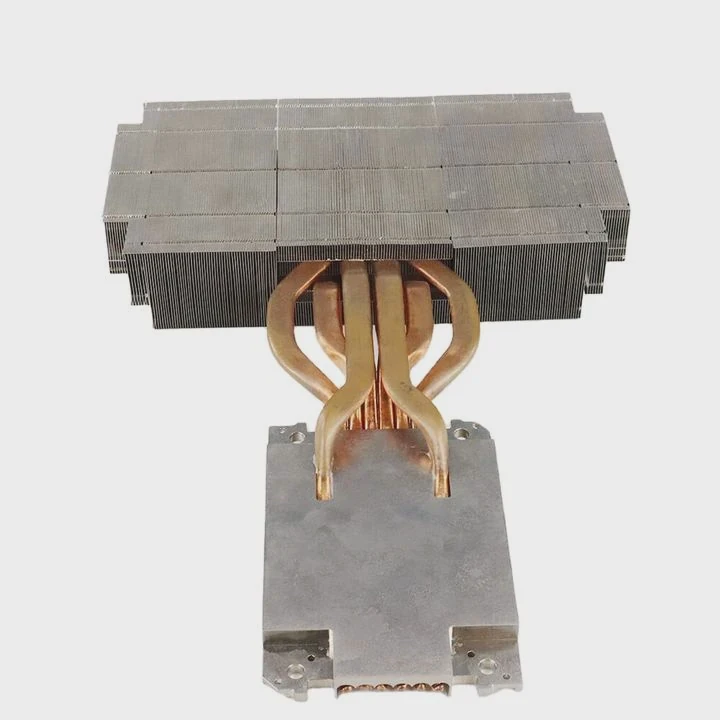
Many automation devices run hot under heavy use and risk failure if they overheat. Heat sinks fix that problem fast.
Yes. Many industrial automation devices need heat sinks to avoid overheating, ensure stable performance, and extend device life under continuous operation.
This article looks at which devices need sinks, design limits, fanless options, and industry certifications that guide sink use.
Now let’s dig deeper into each question.
What devices require consistent heat dissipation?
Modern automation systems include many power‑hungry and high‑performance parts. Motors, drives, power supplies, and controllers often run non‑stop and produce a lot of heat. Without proper heat dissipation these parts can overheat, malfunction, or suffer reduced life. So many devices in industrial automation need reliable heat sinks.
Typical devices include power modules, motor drivers, high‑current controllers, and dense electronic modules that run continuously and generate heat.
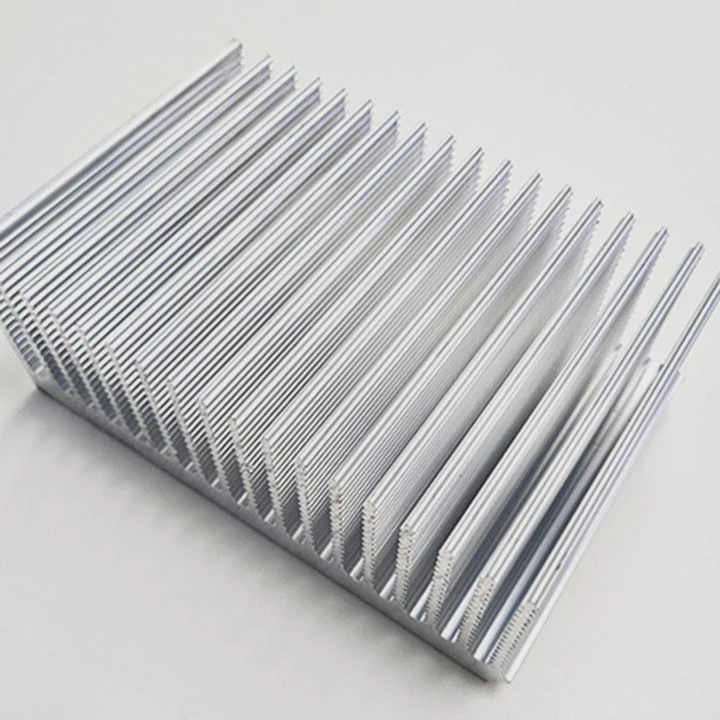
Types of devices and why they need sinks
| Device type | Why it generates heat | Risk without sink |
|---|---|---|
| Power supply units (PSU) for control cabinets | They convert AC to DC and regulate voltage under load | Overheating, voltage drop, failure |
| Motor drivers / servo drives | They switch power to motors rapidly and handle high current | Overheating causing shutdown or reduced torque |
| High‑density controller boards (PLCs, embedded controllers) | They run many logic operations and drive I/O chips | Data errors, resets, early hardware failure |
| Communication modules with power amplifiers (e.g. industrial wireless) | Amplifiers run hot under continuous transmission | Signal drop, thermal shutdown, hardware damage |
| LEDs and lighting modules for automation panels | High‑power LEDs produce heat during long runs | Reduced lifespan, light output drop |
Many of these modules run 24⁄7 in factory settings. The heat sinks move heat away from chips or power transistors to the surrounding air or to a metal housing. This stabilizes temperature and protects parts.
Why steady heat dissipation matters
When a device heats up slowly over hours, thermal stress builds inside. Chips expand, solder joints weaken, and components age faster. Constant heat without proper sink can cut device lifetime significantly. With a good heat sink the temperature remains stable. This keeps device within safe thermal range for its full rated life.
It also helps avoid unpredictable shutdowns. In automated production, a sudden stop may cost time and money. Heat sinks add reliability. That makes sinks essential for devices that run heavy workloads, draw high current, or operate long hours.
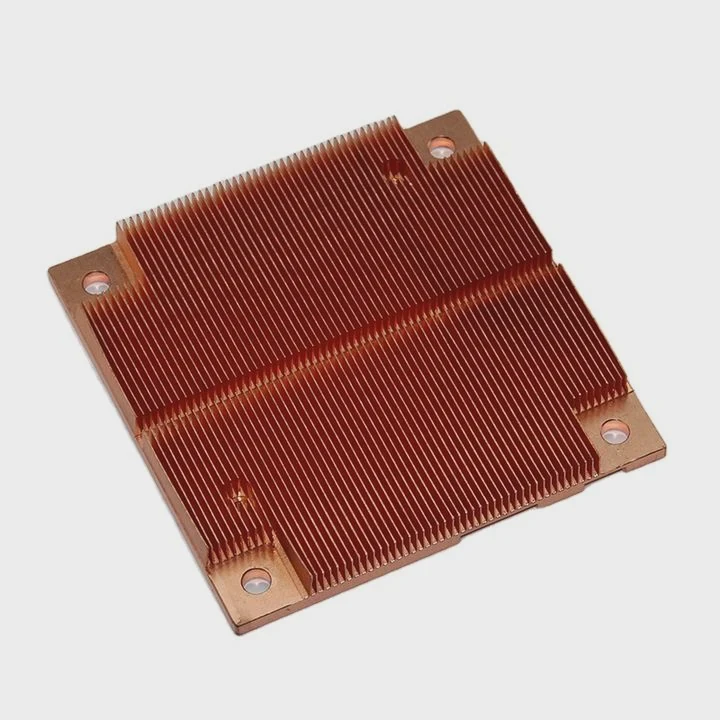
How do compact designs impact sink performance?
Compact device design often seems beneficial. Smaller size saves space on control racks and reduces weight. But compact design also reduces space for heat sinks and reduces air flow. That can limit how well a sink works.
When designers shrink automation devices, the smaller space often reduces sink surface or air flow, so heat dissipation becomes harder and sink performance drops.
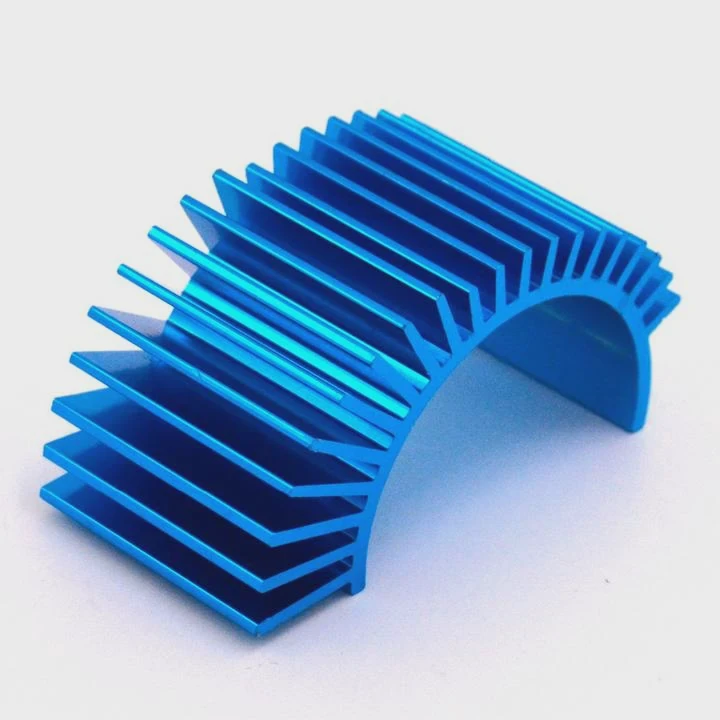
The trade‑off: size vs cooling
Small devices often mean a small enclosure. A small enclosure means less room for fins or a big block of metal. Also airflow becomes limited. Many compact devices rely on passive cooling. If the sink is small, the heat must escape through smaller fin area or slow conduction. That means hotter internal temperature.
Even if the sink uses high‑conductivity material, a small sink has limited surface. The heat needs surface area to exchange with air. If the area is small, the temperature difference between sink and air must rise to move same heat. That leads to higher operating temperature. High temperature speeds up wear of chips, solder, and components. It also increases chance of thermal throttling or shutdown.
Design choices under compact constraints
Engineers use several techniques when space is tight:
- Use high‑conductivity materials such as copper or advanced aluminum alloys
- Use thin fins to maximize surface area inside small space
- Orient fins or plates along available airflow or natural convection paths
- Use internal heat spreaders to distribute heat evenly before fins
Still these techniques can only help so much. In dense electronics boards, adding many chips close together makes hot spots. A sink with small base and thin fins may cool some parts, but not all equally. Uneven cooling can degrade the life of some components faster than others.
Impact on thermal performance and reliability
A compact design can push device temperature 10–30 °C higher than a well‑cooled larger design under same load. That temperature rise can cause:
- Shorter component life
- Increased failure rate under long duty cycles
- Reduced performance (chips throttle or slow down)
- Higher noise or instability
In harsh industrial settings, even small reliability drop matters. Unplanned downtime may cost much. That is why for high‑power or long‑running automation devices, compactness must be balanced with cooling needs.
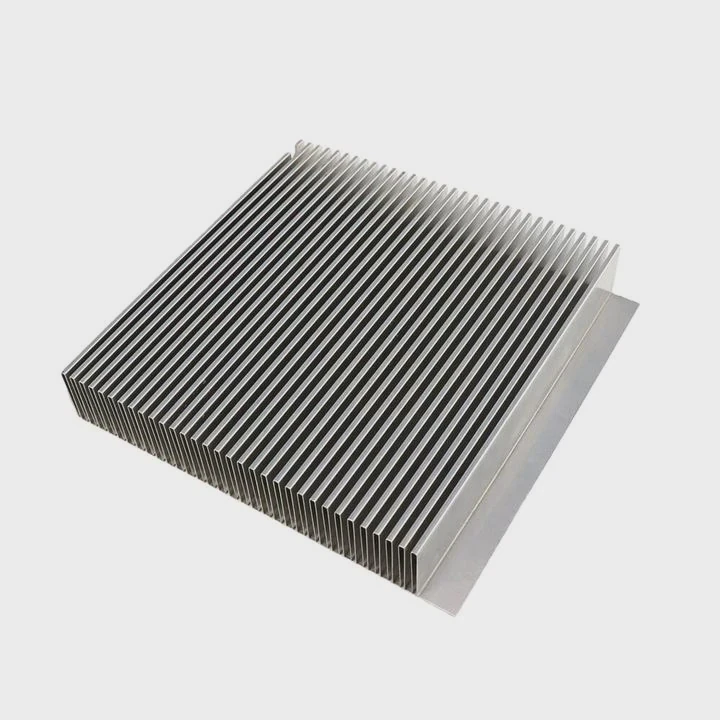
Can fanless heat sinks work in automation setups?
Many automation systems run in dusty or noisy environments. Fans can fail or draw dust. Fanless systems avoid that. But can fanless sinks still handle heavy loads in automation setups? The answer is yes — but only under certain conditions and with careful design.
Fanless heat sinks can work for automation devices if the load is moderate, the environment allows natural convection, and thermal design is efficient.
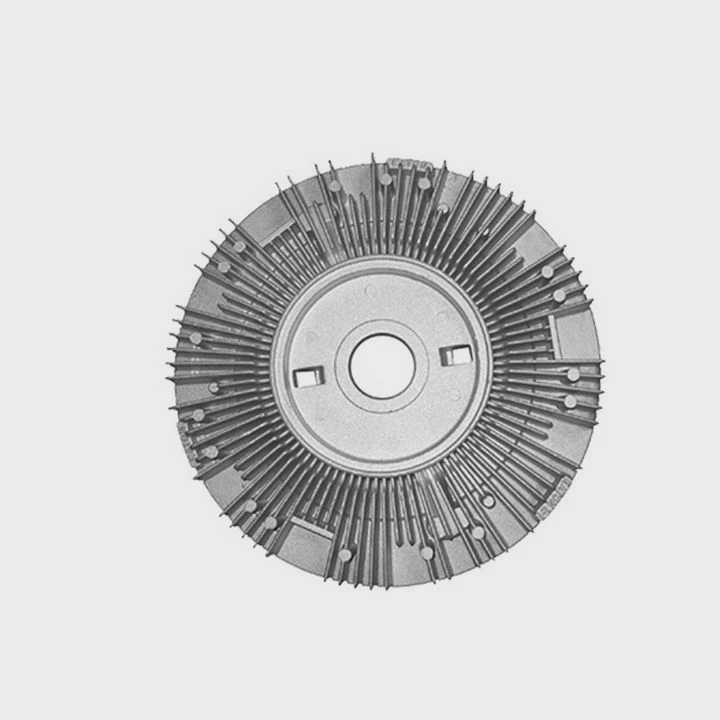
When fanless works
Fanless sinks work best when:
- Device electric load is moderate and heat generation is modest.
- Duty cycle is not 100% or load varies.
- Natural airflow around device allows heat to disperse.
- Ambient temperature is not too high.
- Sink material and geometry are optimized.
If power supply runs 50–100 W and controller board does normal logic (not heavy CPU load), a well‑designed passive aluminum sink may suffice. The sink base should connect closely to hot chips or transistors. Fins should be tall and spaced for natural airflow. The enclosure design should let air move around the sink.
Limits of fanless in heavy use
If the device drives motors, high current, or runs dense logic boards with many chips, fanless may fail. Passive sinks may heat up over time and reach high steady‑state temperatures. Without airflow, fins cannot transfer enough heat. That leads to overheating or shortened life.
Dust and dirt also limit fanless effectiveness. A passive sink might rely on open vents. In dusty plant, vents can clog. That reduces airflow and cooling further. Also ambient temperature in factories can exceed 40 °C. That reduces temperature gradient between sink and air, and cooling becomes weak.
What to check when using fanless sinks
Design or choose fanless sink with care. Check:
- Thermal resistance (°C/W) — low number is better
- Maximum power dissipation under ambient and worst‑case duty cycle
- Ambient temperature and enclosure airflow
- Dust or contamination risk
- Material conductivity and sink geometry
If these factors are good, fanless sink offers benefits:
- No moving parts — less maintenance
- Quiet and reliable
- Lower cost over life (no fan replacement)
If load is heavy or environment harsh, consider hybrid cooling: passive sink plus optional fan module or even liquid cooling.
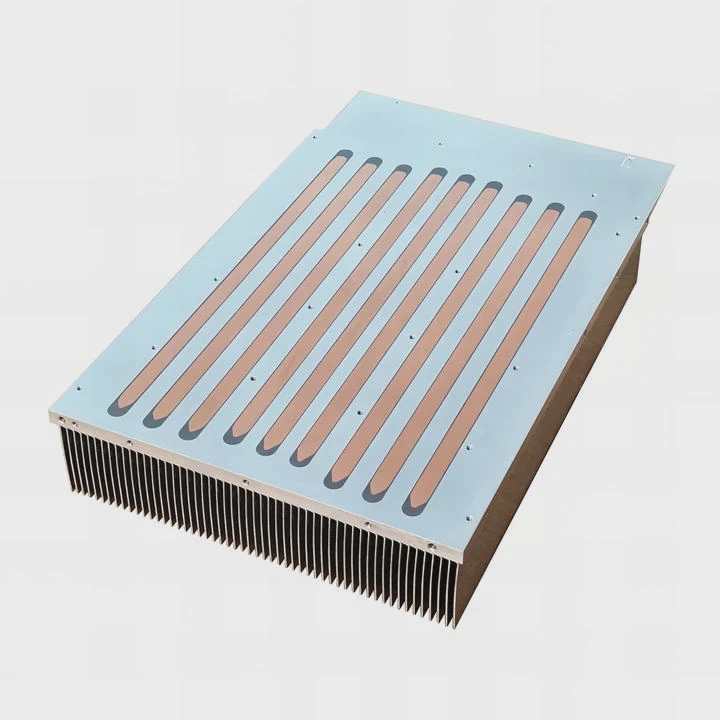
What heat sink certifications apply to industry?
In industrial automation world, heat sinks themselves rarely carry a “heat sink certification.” Instead the entire device may follow safety and thermal standards. But some norms and certifications guide design, material, and performance. Recognizing these helps pick safe, reliable equipment.
Industry devices usually follow certifications like UL, CE, RoHS, and sometimes thermal testing standards that ensure safe heat dissipation under rated load.
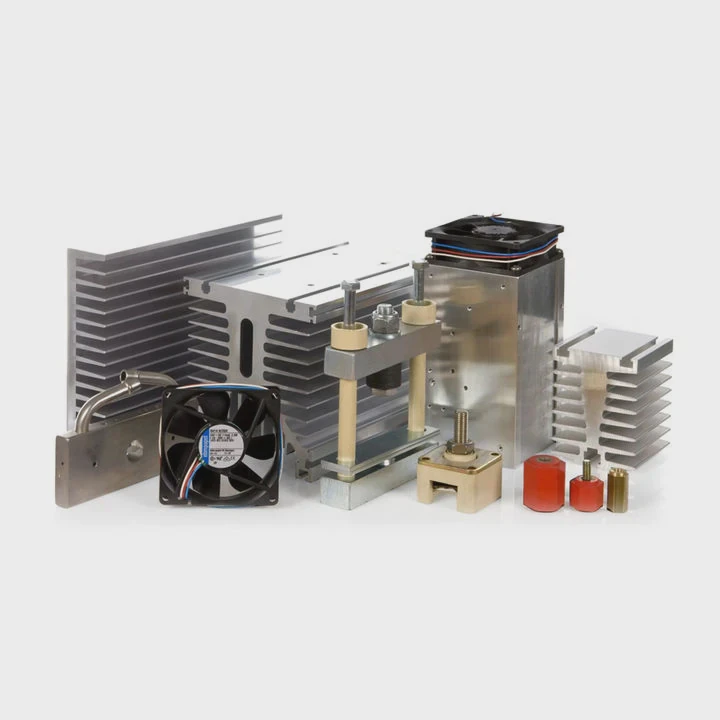
Common certifications and what they cover
| Certification / Standard | What it covers | Relevance to heat sinks / devices |
|---|---|---|
| UL (Underwriters Laboratories) | Safety of electrical and thermal design | Verifies device does not overheat or cause fire under normal use |
| CE (European Conformity) | Meets EU safety, health, and environmental rules | Shows device passes thermal and electrical safety for EU markets |
| RoHS (Restriction of Hazardous Substances) | Limits toxic materials in electronics | Ensures heat sink and device materials safe and compliant |
| Thermal cycling / stress testing (e.g. IEC or proprietary test) | Verifies device under temperature cycles and high load | Confirms sink design works under long use and heat stress |
| IP / enclosure standards (e.g. IP54, IP65) | Protection against dust and water | Ensures that dust does not block sink fins or vents |
Why standards matter for heat dissipation
Thermal safety is not just about function. If a device gets too hot, it might deform, catch fire, or fail in dangerous ways. Certifications like UL or CE require that devices pass high‑temperature tests, safety tests, and that insulation and materials are safe under heat. That means the design must include reliable heat sinks, proper spacing, safe materials, and adequate airflow or cooling paths.
What to ask when sourcing devices
When buying or specifying automation modules, ask vendor:
- Does device have safety certification like UL or CE?
- Has it passed thermal stress or cycling tests?
- What is the maximum operating temperature under load?
- How is heat sink designed — passive or active cooling?
- What materials used in sink or housing — are they RoHS compliant?
- What is the IP rating — will dust, water, or debris block cooling?
Role of certifications and testing in long‑term reliability
Using certified devices gives confidence. Factories often run devices non‑stop. A sink that performs well in lab may fail later. Thermal cycling, stress test, and dust test simulate long years of use. Certification assures that device and sink can handle those years.
Conclusion
Heat sinks matter a lot in industrial automation. Many devices like power units, drives, and controllers need them. Compact designs can make cooling harder. Fanless solutions may work if load and environment allow. Certifications and thermal tests guide safe, reliable sink design. Picking the right design keeps automation running steady and long.
TAGS
Latest Articles

Volume discount levels for heat sink orders?
Buyers often ask when heat sink prices start to drop with volume. Many worry they’re overpaying for small orders. This guide explains how B2B volume pricing works for thermal components. Heat sink
21 Dec,2025
Heat sink long-term supply contract options?
Many buyers want stable pricing and reliable delivery for heat sinks. But without a clear contract, risks grow over time. This article explores how to secure better long-term supply deals. Long-term
21 Dec,2025
Tooling cost for new heat sink profiles?
Many engineers struggle to understand why tooling for custom heat sinks costs so much. They worry about budgeting and production timelines. This article breaks down the cost drivers behind tooling.
21 Dec,2025
Heat sink custom sample process steps?
Sometimes, starting a custom heat sink project feels overwhelming—too many steps, too many unknowns, and too many risks. You want a sample, but not endless delays. The process for requesting and
20 Dec,2025
Standard B2B terms for heat sink payments?
When buyers and sellers in B2B heat sink markets talk about payment, many don’t fully understand what’s standard. This can lead to delayed orders, miscommunication, and even lost business
20 Dec,2025
Heat sink pricing factors for large orders?
Heat sinks are vital for many systems. When prices rise, projects stall and budgets break. This problem can hit teams hard without warning. Large order heat sink pricing depends on many factors. You
20 Dec,2025Related Articles
- Suitable heat sink for EV battery packs?
- Heat sink solutions for telecom base stations?
- Heat sink options for automotive electronics?
- Best geometry for compact heat sink?
- Heat sink airflow needs for cooling systems?
- Strongest material option for heat sink design?
- Renewable energy inverters requiring heat sink?
- Heat sink performance in medical equipment?
- Heat sink selection for aerospace electronics?
- Heat sink usage in power distribution panels?
- Heat sink usable in coastal high-humidity areas?
- How heat sink extrusion is manufactured?
Author
Dr. Emily Chen
Chief AI Researcher
Leading expert in thermal dynamics and AI optimization with over 15 years of experience in data center efficiency research.
Categories
Latest Products






Recommend Categories
- Liquid cooling plate Manufacturer
- Industrial Heat Sink Manufacturer
- Standard Heat Sink Manufacturer
- Aluminum Heat Sink Manufacturer
- Copper Heat Sink Manufacturer
- Anodized Heatsink Manufacturer
- Stamping heat sink Manufacturer
- Die Casting Heatsink Manufacturer
- Soldering heat sink Manufacturer
- CNC Parts Manufacturer
Latest Products
- Wholesale Aluminum Radiator
- Water Cooling Plate Kit
- Water Cooling Heat Sink
- Water Cooling Heat Sink Kit
- Stainless Steel Water Distributor
- Server Water Cooling Plate Kit
- Server Liquid Cooling System
- Server Aluminum Cooling Kit
- S19 Full Cover Cooling Plate
- S19 Cooling Plate Kit
- S19 Aluminum Cooling Plate
Contact Expert
Have questions about this article? Reach out to our experts directly.