Is air cooling or liquid cooling better?
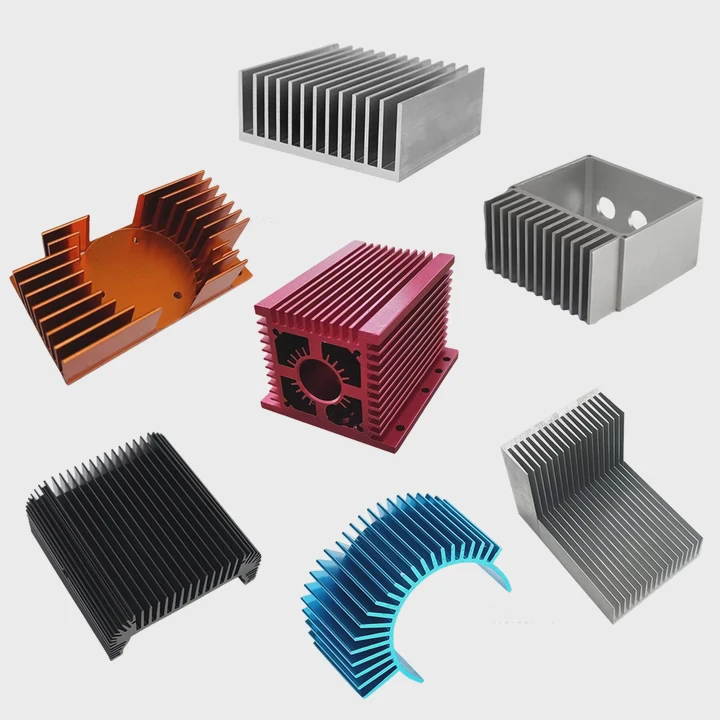
When building a high-performance system, one of the biggest questions is how to cool it. Should you go with air cooling or liquid cooling? Both have strong supporters, and each offers unique benefits.
Liquid cooling provides better thermal performance and lower noise, while air cooling offers simplicity, reliability, and easier maintenance.
Choosing the right cooling method depends on your performance goals, budget, and how comfortable you are with installation. Let’s explore the differences step by step.
What defines air and liquid cooling?
To understand which system fits better, it’s important to know how each one works. They both manage heat, but their mechanisms are very different.
Air cooling uses metal heatsinks and fans to remove heat, while liquid cooling circulates coolant through a closed loop to absorb and release heat.
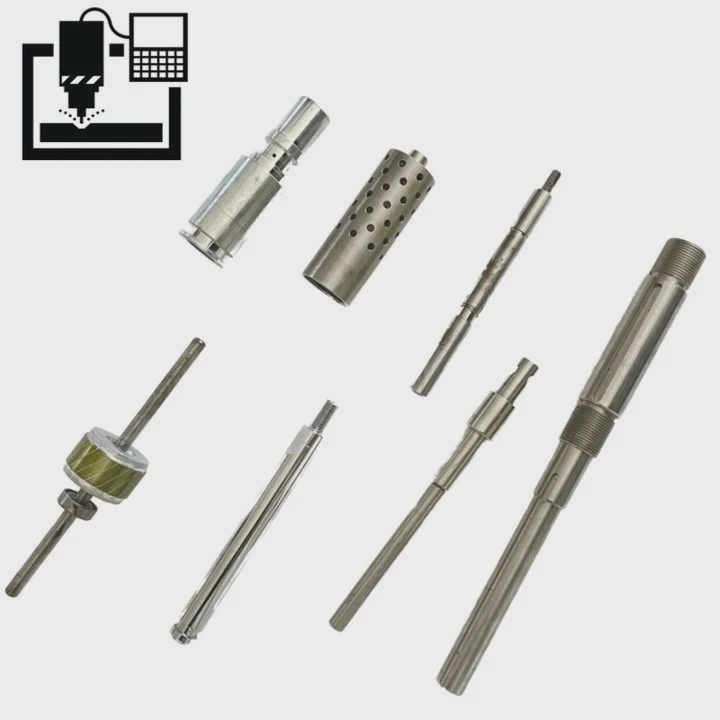
Air coolers are built with fins and a fan that draws heat from the CPU and disperses it into the air. Liquid coolers, on the other hand, use water blocks, pumps, and radiators to move heat away more efficiently.
Comparison of working principles
| Cooling Type | Heat Transfer Method | Key Components |
|---|---|---|
| Air Cooling | Conduction and airflow | Heatsink, fan, thermal paste |
| Liquid Cooling | Conduction and fluid circulation | Pump, radiator, water block, tubing |
Understanding the thermal process
In air cooling, the CPU transfers heat to the base plate and fins of the heatsink. Fans then blow air through these fins, carrying the heat out of the case.
In liquid cooling, the CPU’s heat goes into a water block, which transfers it to a circulating fluid. The pump moves this fluid through tubes to a radiator, where fans cool the liquid before it returns to the CPU.
Both methods are effective, but liquid cooling handles high heat loads more efficiently, while air cooling remains simpler and safer for most users.
What are the advantages of each?
Each cooling type has its own set of strengths. Your choice will depend on what matters more—performance, noise, cost, or ease of use.
Air cooling is cheaper and easier to maintain, while liquid cooling offers superior heat dissipation and quieter operation.
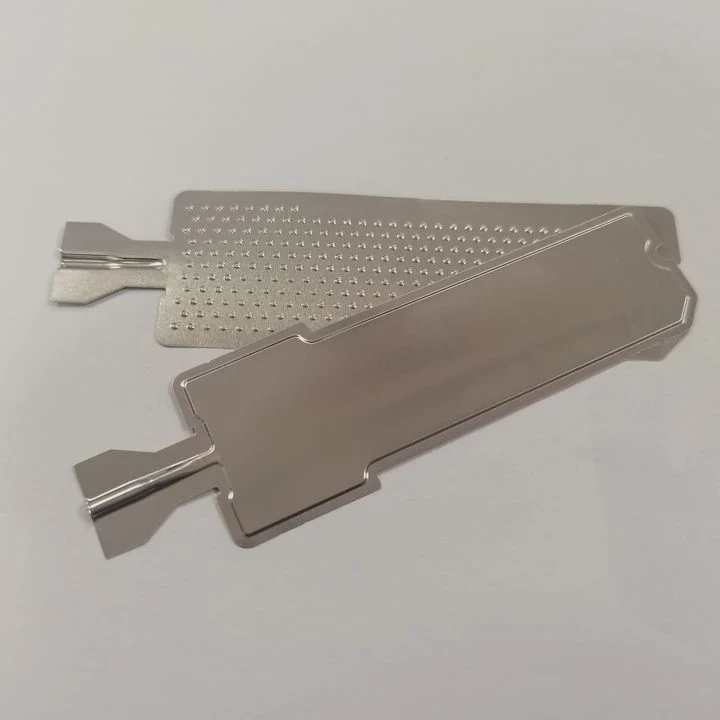
Let’s break down what makes each one attractive.
Advantages of air cooling
| Benefit | Description |
|---|---|
| Simple Installation | No liquid, pump, or complex setup required |
| Low Maintenance | No refills or tubing inspection needed |
| Affordable | Costs less than most liquid cooling systems |
| Reliable | Fewer parts that can fail over time |
Advantages of liquid cooling
| Benefit | Description |
|---|---|
| Better Thermal Efficiency | Quickly moves heat away from the CPU |
| Quieter Operation | Requires slower fan speeds |
| Aesthetic Appeal | Clean look with RGB and tubing designs |
| Supports Overclocking | Handles higher thermal loads safely |
Real-world performance perspective
When I upgraded from air cooling to liquid cooling in one of my test systems, the CPU temperature under full load dropped from 85°C to 60°C. The fans ran slower, and the noise almost disappeared.
However, in another compact build, air cooling was more practical—it fit easily, cost less, and still kept the CPU at safe temperatures. The best choice depends on what you prioritize.
How to decide based on usage needs?
Many people assume liquid cooling is always better, but that’s not true. The right system depends on your computing habits, budget, and desired noise level.
Choose air cooling for simple, budget-friendly builds, and liquid cooling for high-performance or overclocked systems.
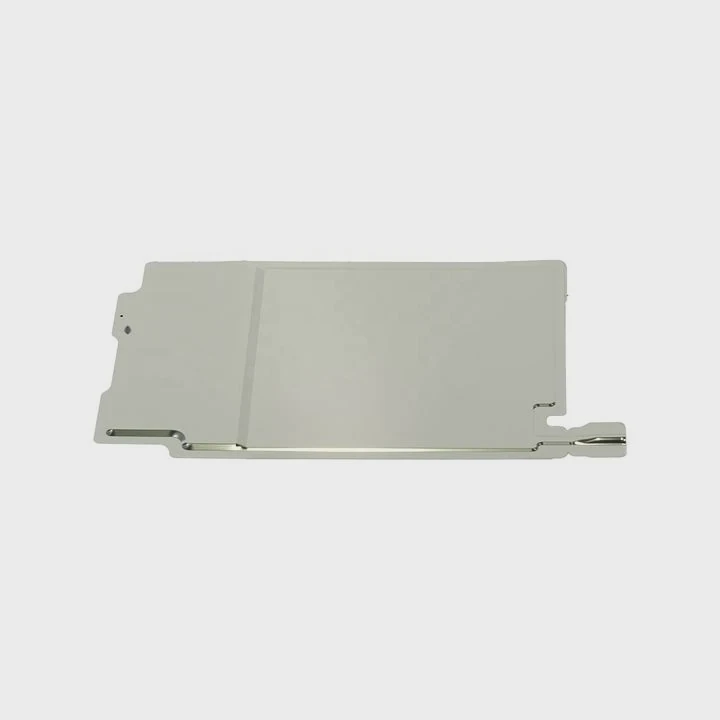
Here’s a simple guide to help decide based on your needs.
Choosing based on usage type
| Usage Type | Recommended Cooling | Reason |
|---|---|---|
| Office or Home PC | Air Cooling | Low heat output, affordable |
| Gaming PC | Liquid Cooling | Better control of high heat |
| Workstation or Rendering PC | Liquid Cooling | Stable performance for long sessions |
| Compact Mini PC | Air Cooling | Space-saving and simple |
| Silent PC Build | Liquid Cooling | Reduced fan noise |
Factors to consider
Performance Goals:
If you run demanding software or games, liquid cooling provides consistent temperatures and avoids thermal throttling.Noise Tolerance:
Air coolers often make more fan noise under load, while liquid coolers can maintain silence with lower fan speeds.Maintenance Comfort:
Air cooling requires little care beyond dust cleaning. Liquid systems may need occasional coolant checks or reinstallation after a few years.Budget:
A quality air cooler costs half of a liquid system. But for enthusiasts, the extra investment in liquid cooling pays off with better performance.Case Compatibility:
Not all cases fit large radiators. Always check clearance for radiator length, fan placement, and tube routing.
My personal take
If you value simplicity and want a “set it and forget it” experience, go with air cooling. But if you’re pushing your system hard—like for video editing, 3D modeling, or overclocking—liquid cooling is worth the effort. It keeps temperatures stable even during long, intensive sessions.
What are the hybrid cooling trends?
Technology is moving toward blending the best of both worlds. Modern systems combine air and liquid cooling to achieve higher efficiency and silence.
Hybrid cooling trends include liquid-assisted air coolers, vapor chamber plates, and AI-managed systems that balance both methods automatically.
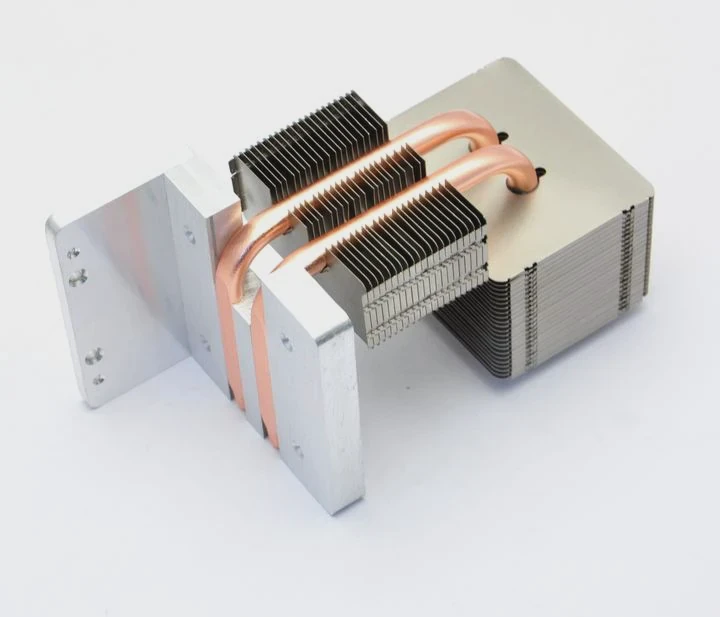
Emerging hybrid technologies
| Technology | Description | Benefit |
|---|---|---|
| Vapor Chamber Cooling | Uses sealed liquid chamber for faster heat spread | Quieter and more compact |
| Liquid-Assisted Air Cooler | Combines fluid and airflow cooling | Balanced thermal control |
| Phase-Change Cooling | Changes liquid to vapor under heat | Ultra-efficient heat removal |
| AI Fan Control | Learns and adjusts fan speeds dynamically | Smart acoustic optimization |
| Modular Hybrid Units | Mix of radiator and fin cooling | Flexible and scalable designs |
The rise of intelligent cooling
Manufacturers now use AI-driven pump controllers that monitor CPU load, temperature, and ambient air. These systems adjust fluid flow and fan curves automatically to balance silence and cooling power.
Another innovation is the vapor chamber base, used in both air and liquid systems. It spreads heat evenly before transferring it to the main heatsink or radiator, improving cooling efficiency without extra noise.
In one of my lab builds, I tested a hybrid cooler that had a small water block with a fin array cooled by dual fans. It achieved near-liquid cooling performance while keeping the simplicity of air setups. This kind of design represents the future of desktop cooling—powerful, quiet, and easy to install.
Conclusion
Air cooling and liquid cooling both have their place. Air cooling wins for simplicity, cost, and maintenance. Liquid cooling excels in performance, silence, and aesthetics. Hybrid systems are now bridging the gap, offering efficient and quiet cooling for the next generation of computers.
TAGS
Latest Articles

Volume discount levels for heat sink orders?
Buyers often ask when heat sink prices start to drop with volume. Many worry they’re overpaying for small orders. This guide explains how B2B volume pricing works for thermal components. Heat sink
21 Dec,2025
Heat sink long-term supply contract options?
Many buyers want stable pricing and reliable delivery for heat sinks. But without a clear contract, risks grow over time. This article explores how to secure better long-term supply deals. Long-term
21 Dec,2025
Tooling cost for new heat sink profiles?
Many engineers struggle to understand why tooling for custom heat sinks costs so much. They worry about budgeting and production timelines. This article breaks down the cost drivers behind tooling.
21 Dec,2025
Heat sink custom sample process steps?
Sometimes, starting a custom heat sink project feels overwhelming—too many steps, too many unknowns, and too many risks. You want a sample, but not endless delays. The process for requesting and
20 Dec,2025
Standard B2B terms for heat sink payments?
When buyers and sellers in B2B heat sink markets talk about payment, many don’t fully understand what’s standard. This can lead to delayed orders, miscommunication, and even lost business
20 Dec,2025
Heat sink pricing factors for large orders?
Heat sinks are vital for many systems. When prices rise, projects stall and budgets break. This problem can hit teams hard without warning. Large order heat sink pricing depends on many factors. You
20 Dec,2025Related Articles
- How Expensive Is Liquid Cooling?
- How to set up a liquid cooler?
- How to liquid cool?
- Is air cooling better than liquid cooling?
- How to setup liquid CPU cooler?
- How Hard Is It to Install Liquid Cooling?
- What is liquid cooling system?
- What does liquid cooled engine mean?
- How CPU liquid cooler works?
- Can Liquid Cooling Leak?
- Does 5800X need liquid cooling?
- How does a liquid cooler work?
Author
Dr. Emily Chen
Chief AI Researcher
Leading expert in thermal dynamics and AI optimization with over 15 years of experience in data center efficiency research.
Categories
Latest Products






Recommend Categories
- Liquid cooling plate Manufacturer
- Industrial Heat Sink Manufacturer
- Standard Heat Sink Manufacturer
- Aluminum Heat Sink Manufacturer
- Copper Heat Sink Manufacturer
- Anodized Heatsink Manufacturer
- Stamping heat sink Manufacturer
- Die Casting Heatsink Manufacturer
- Soldering heat sink Manufacturer
- CNC Parts Manufacturer
Latest Products
- Wholesale Aluminum Radiator
- Water Cooling Plate Kit
- Water Cooling Heat Sink
- Water Cooling Heat Sink Kit
- Stainless Steel Water Distributor
- Server Water Cooling Plate Kit
- Server Liquid Cooling System
- Server Aluminum Cooling Kit
- S19 Full Cover Cooling Plate
- S19 Cooling Plate Kit
- S19 Aluminum Cooling Plate
Contact Expert
Have questions about this article? Reach out to our experts directly.