How does liquid cooling work?
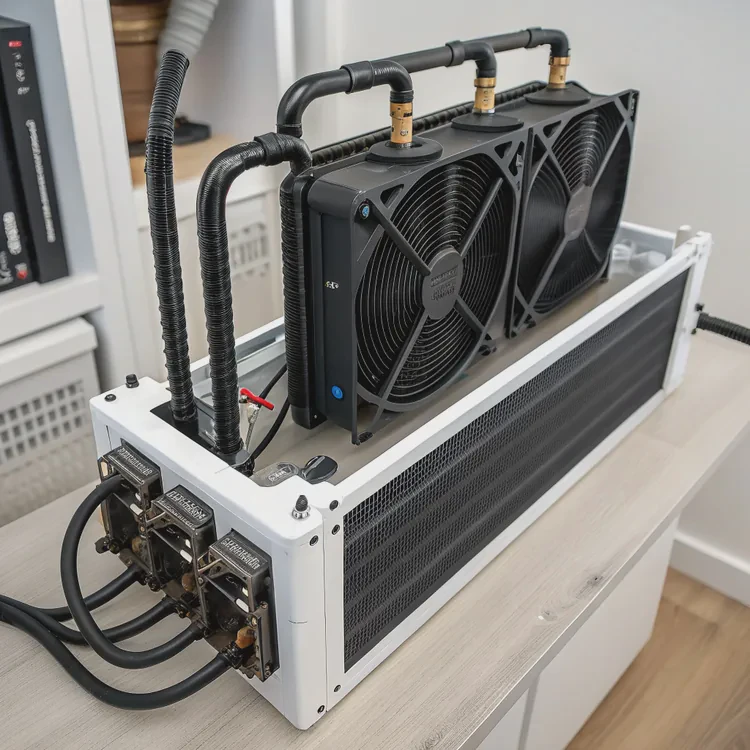
When devices heat up, performance drops. This happens everywhere — from high-performance computers to electric vehicles. The good news is, liquid cooling is changing that.
Liquid cooling works by circulating a special fluid through heat sources, absorbing heat, and releasing it through a radiator or heat exchanger. It’s more efficient than air cooling, especially in compact or high-power systems.
It may sound complex, but the principle is simple. Let’s look at how it works, why it matters, and where it’s heading next.
What is liquid cooling?
Devices today are faster and smaller, but they also get hotter. Traditional fans can’t always keep up. This is where liquid cooling comes in.
Liquid cooling is a thermal management method that uses a circulating liquid to remove heat from components more efficiently than air. It uses pumps, cold plates, tubes, and radiators to maintain stable operating temperatures.
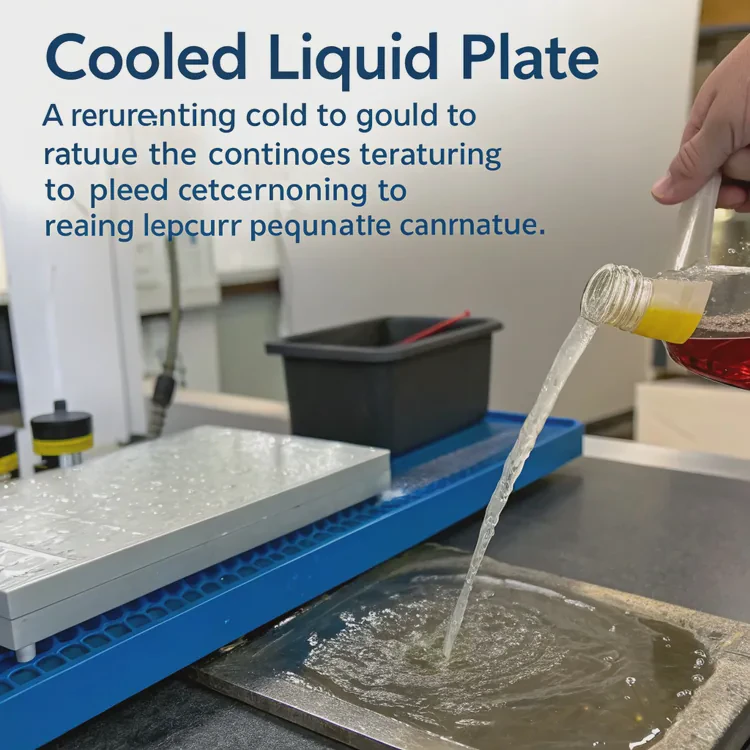
Liquid cooling systems have a few main parts: a cold plate attached to the heat source, a pump that moves the liquid, pipes or channels that transport heat, and a radiator that releases it to the air. The liquid—often water or a special coolant—flows in a closed loop, pulling heat away as it passes through.
Key Components of a Liquid Cooling System
| Component | Function |
|---|---|
| Cold Plate | Transfers heat from the component to the coolant |
| Pump | Moves coolant through the system |
| Tubing | Connects all parts and directs liquid flow |
| Radiator | Releases heat into the air |
| Coolant | Fluid that carries heat away from components |
How the System Works Step-by-Step
- Heat is generated by the device or component.
- The cold plate absorbs this heat.
- The coolant inside the cold plate heats up and moves away.
- The pump pushes the hot coolant toward the radiator.
- The radiator transfers heat from the coolant to the air.
- The cooled liquid returns to the cold plate to repeat the cycle.
This continuous loop maintains optimal temperature levels. Because liquid has a higher heat capacity than air, it can carry away more energy faster.
In modern systems, materials like aluminum and copper are used for cold plates and radiators. Some industries also adopt micro-channel designs for higher efficiency. Compared to air cooling, the temperature difference is smaller, which means better performance and reliability over time.
What are the benefits of liquid cooling?
Overheating can cause performance loss or even failure. This is why many engineers now choose liquid cooling.
The main benefits of liquid cooling include higher thermal efficiency, quieter operation, compact design options, and better long-term reliability in demanding environments.
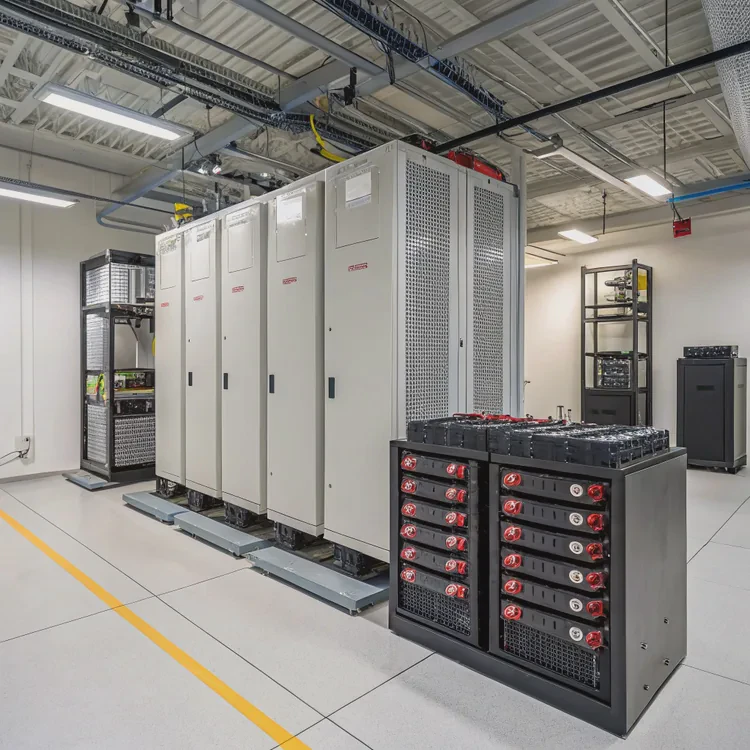
Liquid cooling doesn’t just keep systems cool — it transforms how they perform. The improved efficiency allows designers to push the limits of power density and miniaturization.
Major Benefits Comparison
| Feature | Air Cooling | Liquid Cooling |
|---|---|---|
| Heat Transfer Efficiency | Moderate | High |
| Noise Level | High | Low |
| System Size | Bulky | Compact |
| Maintenance | Simple | Periodic |
| Reliability under Load | Average | Excellent |
1. Better Thermal Performance
Liquid can absorb and transport heat much faster than air. That means components such as CPUs, power converters, or batteries stay at safe temperatures even under heavy load. Stable thermal conditions also reduce material stress and extend component lifespan.
2. Noise Reduction
Since the system uses pumps and radiators instead of multiple high-speed fans, it runs much quieter. This makes it ideal for labs, offices, or vehicles where noise reduction matters.
3. Space Saving and Flexibility
Liquid systems can be designed in compact or custom forms. The tubes can bend around other parts, allowing more freedom in equipment layout. For compact systems like EV battery packs or rack-mounted servers, this is a big advantage.
4. Energy Efficiency and Sustainability
Liquid cooling reduces fan power consumption and can be integrated with energy recovery systems. For instance, the heat removed from data centers can be reused for building heating, improving sustainability.
5. Reliability and Long-Term Stability
Because components run cooler, they operate more consistently. Less thermal cycling means less fatigue on solder joints and materials. In industries like aerospace or telecommunications, reliability is crucial — and liquid cooling supports that goal.
In short, liquid cooling offers better performance and quieter operation while keeping systems compact and reliable.
How to use liquid cooling effectively?
Liquid cooling performs well only if it’s designed and used correctly.
To use liquid cooling effectively, choose the right coolant, maintain proper flow rates, ensure leak-free assembly, and design efficient heat exchangers and cold plates for the target load.
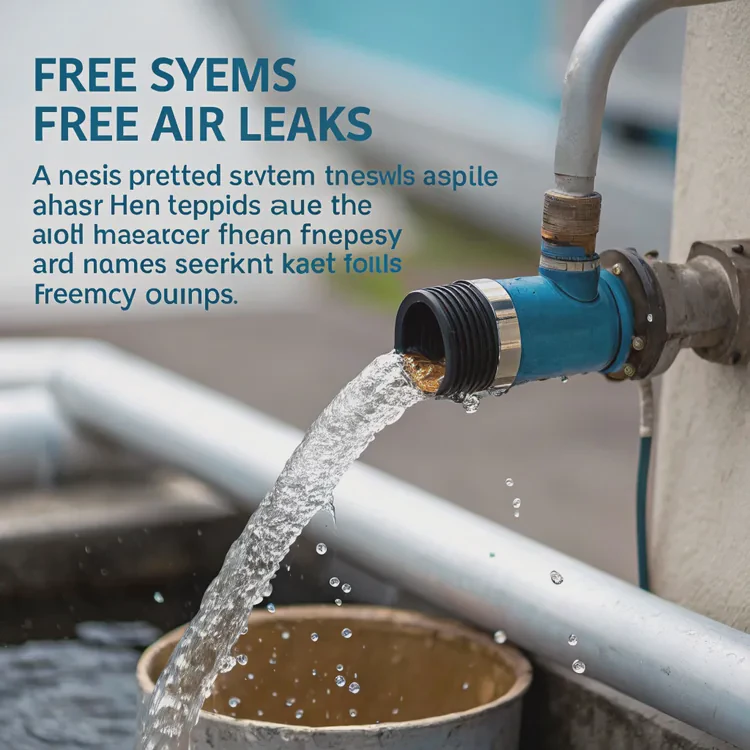
If you are planning to implement liquid cooling, start with understanding your thermal load. Every design is different, so you need to tailor the system to your needs.
Step 1: Select the Right Coolant
The coolant determines how well the system transfers heat. Most systems use deionized water, glycol-water mixtures, or engineered fluids with anti-corrosion properties.
| Coolant Type | Pros | Cons |
|---|---|---|
| Deionized Water | High heat capacity | May cause corrosion without additives |
| Glycol Mixture | Freeze protection, stability | Slightly lower thermal performance |
| Dielectric Fluid | Safe for electronics | More expensive |
Step 2: Optimize Flow and Pressure
Coolant flow rate affects performance directly. Too slow, and heat won’t move fast enough. Too fast, and pressure losses increase. Typically, engineers balance pump power and flow resistance using simulation or experimental testing.
Step 3: Avoid Air Bubbles and Leaks
Any trapped air reduces efficiency and can damage pumps. Proper filling, sealing, and testing are essential. Use high-quality connectors and pressure-resistant hoses.
Step 4: Keep the System Clean
Coolant degrades over time. Regular maintenance ensures that no debris or corrosion builds up. A simple maintenance routine includes:
- Checking coolant level monthly
- Replacing fluid every 12–18 months
- Inspecting seals and connections for wear
Step 5: Integrate Smart Sensors
Modern systems use temperature and flow sensors for real-time monitoring. Smart controls adjust pump speed based on load, reducing energy waste and improving lifespan.
Design Tip: Balance Performance and Cost
It’s easy to over-engineer a cooling system. Always match cooling capacity with real heat load. This approach saves money and improves reliability.
By following these principles, you can achieve consistent and efficient cooling performance even in extreme applications.
What are the trends in liquid cooling systems?
Technology keeps evolving, and so do cooling methods.
The main trends in liquid cooling systems include microchannel cold plates, two-phase cooling, modular systems, smart controls, and eco-friendly fluids.
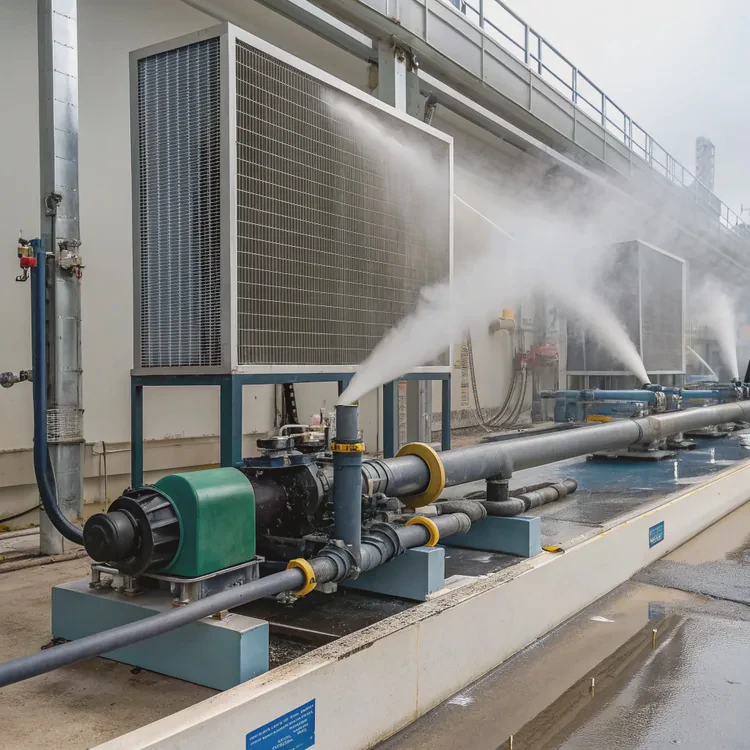
Liquid cooling is no longer limited to high-end computers. It’s expanding into data centers, electric vehicles, and industrial automation. The following trends are shaping the future of this technology.
1. Microchannel and 3D Cold Plates
Engineers now design cold plates with microscopic channels that increase heat transfer area. These microchannel cold plates improve efficiency by up to 50% compared to traditional designs. In some cases, additive manufacturing (3D printing) is used to create complex internal geometries that were impossible before.
2. Two-Phase Cooling
Instead of using a single-phase liquid, two-phase systems use a boiling and condensation cycle. The coolant absorbs heat and vaporizes, then releases heat when it condenses. This method delivers superior performance for high-heat-density electronics, such as GPUs and power modules.
3. Modular and Scalable Systems
To simplify maintenance and production, many companies now adopt modular cooling blocks. Each module handles a specific function and can be replaced or scaled up easily. This makes systems more flexible for different product lines.
4. Integration with Smart Controls
IoT sensors and AI-based control units are making systems more intelligent. These devices track temperature, flow rate, and power consumption. The data helps operators adjust parameters in real-time, improving energy efficiency and preventing failures.
5. Eco-Friendly Fluids
As sustainability becomes a global concern, new non-toxic and biodegradable coolants are emerging. These fluids reduce environmental risk and meet stricter regulations in Europe and North America.
6. Cross-Industry Applications
Liquid cooling is spreading beyond computing. It now plays key roles in:
- Electric vehicle batteries and power electronics
- 5G communication base stations
- Medical imaging and laser systems
- Aerospace avionics and radar systems
- Renewable energy converters
These applications demand stable, high-performance thermal control. The growth of electric and digital industries means the market for advanced cooling will continue to rise.
Looking Ahead
The next generation of systems may combine liquid cooling with phase-change materials (PCMs) and heat pipes, creating hybrid solutions with even higher efficiency. Such innovations will define the next decade of thermal management.
Conclusion
Liquid cooling works by moving heat through a circulating fluid instead of air. It delivers higher efficiency, less noise, and better reliability. With new trends like microchannel plates and smart controls, liquid cooling is shaping the future of high-performance and sustainable systems.
TAGS
Latest Articles

Volume discount levels for heat sink orders?
Buyers often ask when heat sink prices start to drop with volume. Many worry they’re overpaying for small orders. This guide explains how B2B volume pricing works for thermal components. Heat sink
21 Dec,2025
Heat sink long-term supply contract options?
Many buyers want stable pricing and reliable delivery for heat sinks. But without a clear contract, risks grow over time. This article explores how to secure better long-term supply deals. Long-term
21 Dec,2025
Tooling cost for new heat sink profiles?
Many engineers struggle to understand why tooling for custom heat sinks costs so much. They worry about budgeting and production timelines. This article breaks down the cost drivers behind tooling.
21 Dec,2025
Heat sink custom sample process steps?
Sometimes, starting a custom heat sink project feels overwhelming—too many steps, too many unknowns, and too many risks. You want a sample, but not endless delays. The process for requesting and
20 Dec,2025
Standard B2B terms for heat sink payments?
When buyers and sellers in B2B heat sink markets talk about payment, many don’t fully understand what’s standard. This can lead to delayed orders, miscommunication, and even lost business
20 Dec,2025
Heat sink pricing factors for large orders?
Heat sinks are vital for many systems. When prices rise, projects stall and budgets break. This problem can hit teams hard without warning. Large order heat sink pricing depends on many factors. You
20 Dec,2025Related Articles
- How much more is liquid cooling?
- What is in liquid cooling?
- What does a liquid cooler do?
- What liquid is used in liquid cooling?
- Does liquid cooling need maintenance?
- Which is better, air cooled or liquid cooled?
- Is liquid cooling better than air cooling?
- Is liquid cooling better?
- How to install a single liquid cooler CPU?
- How to install liquid CPU cooler?
- How to install liquid cooling?
- How does a liquid CPU cooler work?
Author
Dr. Emily Chen
Chief AI Researcher
Leading expert in thermal dynamics and AI optimization with over 15 years of experience in data center efficiency research.
Categories
Latest Products






Recommend Categories
- Liquid cooling plate Manufacturer
- Industrial Heat Sink Manufacturer
- Standard Heat Sink Manufacturer
- Aluminum Heat Sink Manufacturer
- Copper Heat Sink Manufacturer
- Anodized Heatsink Manufacturer
- Stamping heat sink Manufacturer
- Die Casting Heatsink Manufacturer
- Soldering heat sink Manufacturer
- CNC Parts Manufacturer
Latest Products
- Wholesale Aluminum Radiator
- Water Cooling Plate Kit
- Water Cooling Heat Sink
- Water Cooling Heat Sink Kit
- Stainless Steel Water Distributor
- Server Water Cooling Plate Kit
- Server Liquid Cooling System
- Server Aluminum Cooling Kit
- S19 Full Cover Cooling Plate
- S19 Cooling Plate Kit
- S19 Aluminum Cooling Plate
Contact Expert
Have questions about this article? Reach out to our experts directly.