What liquid is used in liquid cooling?
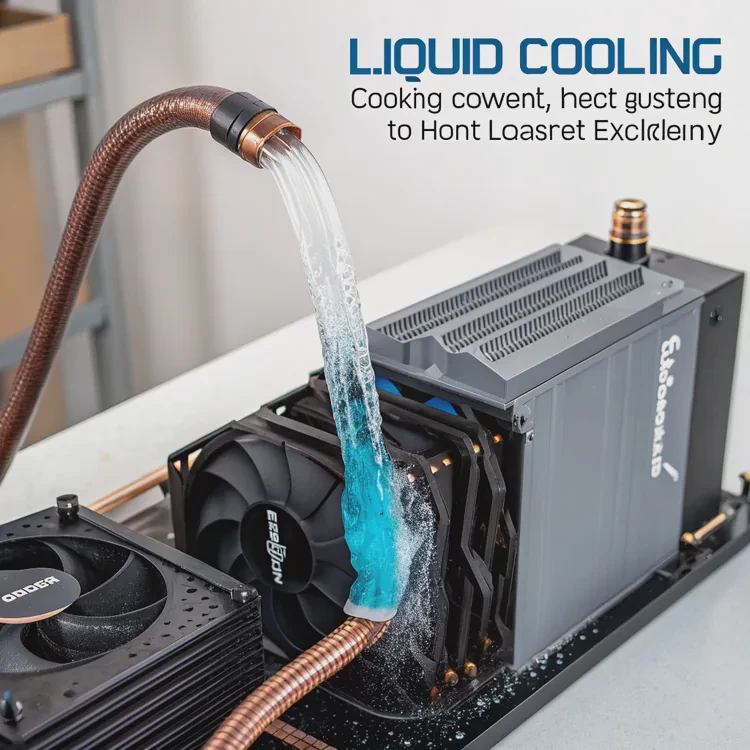
When devices heat up, liquid cooling steps in as the quiet hero. The problem is simple: air alone cannot carry away enough heat in high-performance systems.
The main liquid used in liquid cooling is typically a mixture of water and glycol, often enhanced with additives to improve heat transfer, prevent corrosion, and reduce biological growth.
Liquid cooling fluids have become more specialized over time. This shift keeps systems safe, efficient, and clean.
Why are specific coolants preferred?
Overheating shortens the life of electronics. Many people assume any water can do the job, but that is not true.
Specific coolants are preferred because they offer stable thermal performance, low electrical conductivity, and long-term protection against corrosion and scaling.
Modern coolants are chosen for precision and reliability. Their thermal properties directly affect the system’s performance. For example, distilled water has great heat capacity but can cause corrosion without protection. Ethylene glycol and propylene glycol mixes resist freezing and improve stability.
Common Coolants and Their Properties
| Coolant Type | Key Properties | Common Use |
|---|---|---|
| Distilled Water | High heat capacity, low cost | Basic cooling loops |
| Ethylene Glycol Mix | Freeze protection, corrosion inhibitor | Automotive and industrial cooling |
| Propylene Glycol Mix | Non-toxic, bio-friendly | Data centers and consumer PCs |
| Dielectric Coolant | Non-conductive, safe for electronics | Immersion cooling |
Each option has trade-offs. Glycol blends can handle extreme temperatures but lower heat transfer slightly. Dielectric fluids are safe but expensive. Choosing depends on your cooling design, risk tolerance, and budget.
What additives prevent corrosion or algae?
Even with the best coolant base, trouble starts if corrosion or biological growth sets in.
Additives such as anti-corrosion agents, biocides, and pH stabilizers prevent metal damage and algae formation inside liquid cooling systems.
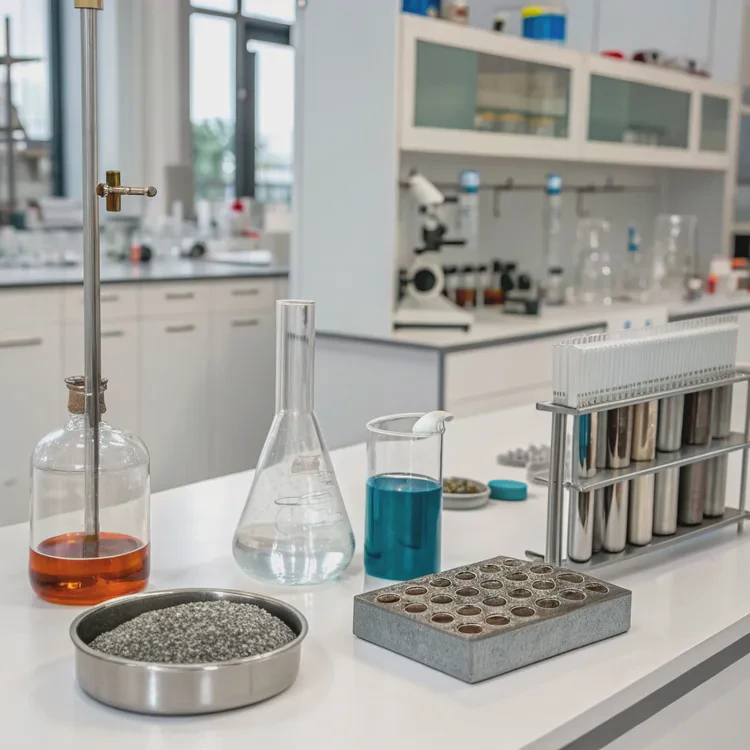
Additives play a silent but vital role. They keep systems stable for years by forming protective layers on metal surfaces and blocking bacterial growth. Corrosion inhibitors like sodium molybdate or silicates stop metals from reacting with oxygen. Biocides such as benzalkonium chloride kill microorganisms that thrive in warm environments.
Common Additives and Their Functions
| Additive Type | Function | Example Compounds |
|---|---|---|
| Corrosion Inhibitor | Protects metals like copper and aluminum | Sodium molybdate, silicate |
| Biocide | Prevents algae and bacterial growth | Benzalkonium chloride, isothiazolinone |
| pH Stabilizer | Keeps pH balanced to reduce oxidation | Borate, phosphate buffer |
Maintaining the right balance is crucial. Too much additive can reduce heat transfer. Too little can lead to leaks, rust, or clogged tubes. Regular checks every six months help ensure performance and safety.
How to refill with the correct liquid type?
A small mistake during refilling can ruin a good cooling system. Mixing the wrong fluids can cause chemical reactions, leaks, or poor heat transfer.
To refill correctly, always use the same coolant type as before, flush the old fluid completely, and fill with filtered or manufacturer-recommended liquid.
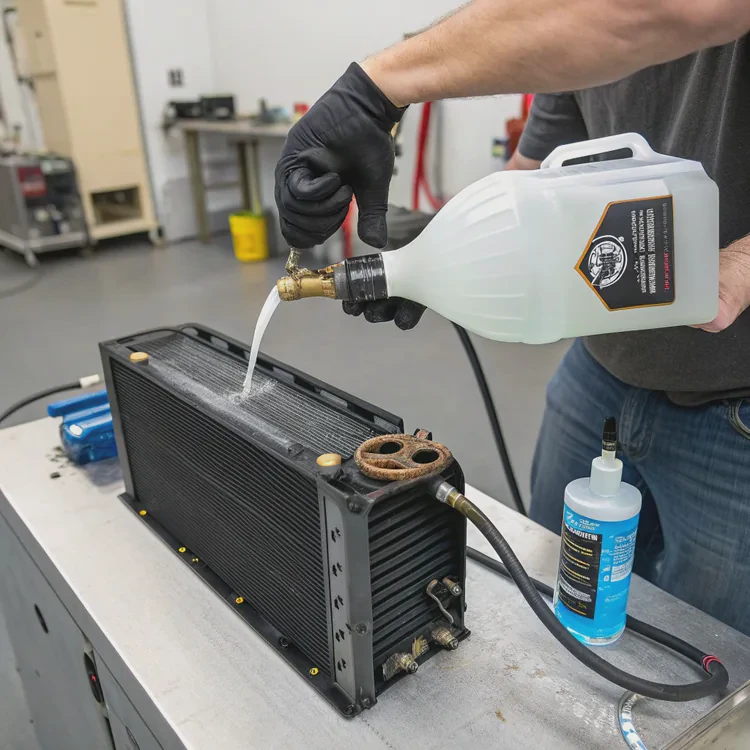
Refilling is more than pouring in new liquid. The system must be clean, air-free, and sealed properly. Here’s a simple step-by-step guide I often follow in my workshop:
Steps to Refill a Liquid Cooling System
- Power off all equipment and disconnect power safely.
- Drain the old coolant completely through a drain valve or pump.
- Flush the loop using distilled water until it runs clear.
- Check fittings and seals for cracks or leaks.
- Fill slowly with the new coolant while running the pump to remove air.
- Inspect for bubbles and top off to the correct level.
- Test temperature and flow to confirm normal operation.
One lesson I learned early: never mix coolants with different bases, like glycol and dielectric fluids. The mixture can separate or form sludge, blocking channels. Always label your coolant container and record refill dates.
What eco-friendly coolants are emerging?
Today, sustainability is not just a trend—it is a requirement. Traditional coolants can be toxic and difficult to dispose of safely.
Eco-friendly coolants now use biodegradable, non-toxic bases like propylene glycol, deionized water, or plant-derived fluids that reduce environmental harm.
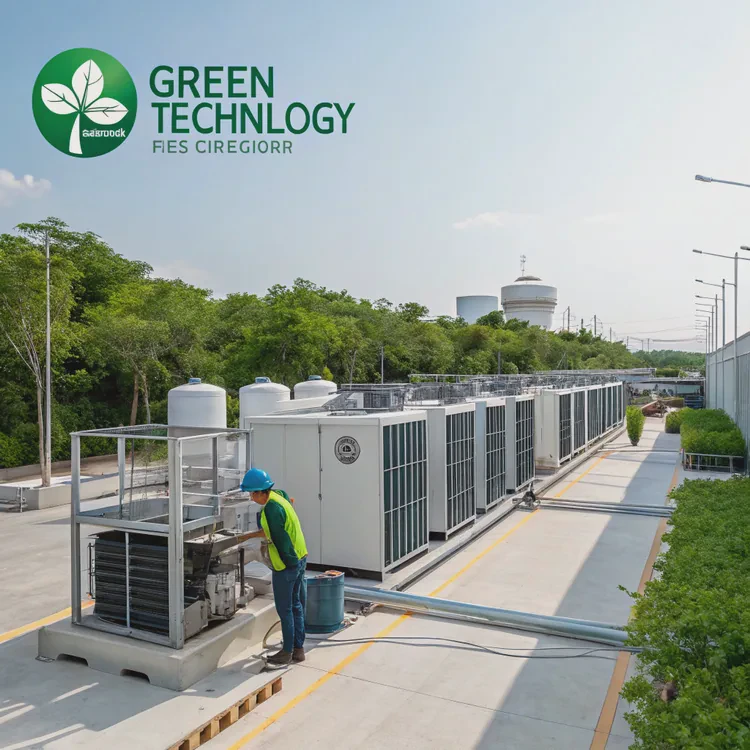
In recent years, I have seen a strong move toward environmentally friendly solutions. These new coolants still deliver high performance while reducing waste and toxicity. Some data centers now use propylene glycol blends that are food-grade and biodegradable. Others use water-based nanofluids enhanced with tiny metal oxides for higher thermal conductivity.
Trends in Green Coolant Development
- Bio-based glycols: Derived from renewable sources such as corn or sugarcane.
- Low-toxicity formulations: Safe for both humans and the environment.
- Long-life fluids: Reduce the need for frequent replacement.
- Closed-loop systems: Minimize coolant loss and contamination.
Manufacturers are also recycling coolants by filtering and reusing them. The shift shows how technology and environmental responsibility can work together. For anyone designing new systems, choosing green coolants can cut operating costs and build a more sustainable reputation.
Conclusion
Modern liquid cooling relies on advanced fluids that balance heat performance, corrosion protection, and safety. From traditional glycol mixes to eco-friendly nanofluids, the choice of coolant defines both the system’s efficiency and environmental footprint.
TAGS
Latest Articles

Volume discount levels for heat sink orders?
Buyers often ask when heat sink prices start to drop with volume. Many worry they’re overpaying for small orders. This guide explains how B2B volume pricing works for thermal components. Heat sink
21 Dec,2025
Heat sink long-term supply contract options?
Many buyers want stable pricing and reliable delivery for heat sinks. But without a clear contract, risks grow over time. This article explores how to secure better long-term supply deals. Long-term
21 Dec,2025
Tooling cost for new heat sink profiles?
Many engineers struggle to understand why tooling for custom heat sinks costs so much. They worry about budgeting and production timelines. This article breaks down the cost drivers behind tooling.
21 Dec,2025
Heat sink custom sample process steps?
Sometimes, starting a custom heat sink project feels overwhelming—too many steps, too many unknowns, and too many risks. You want a sample, but not endless delays. The process for requesting and
20 Dec,2025
Standard B2B terms for heat sink payments?
When buyers and sellers in B2B heat sink markets talk about payment, many don’t fully understand what’s standard. This can lead to delayed orders, miscommunication, and even lost business
20 Dec,2025
Heat sink pricing factors for large orders?
Heat sinks are vital for many systems. When prices rise, projects stall and budgets break. This problem can hit teams hard without warning. Large order heat sink pricing depends on many factors. You
20 Dec,2025Related Articles
- Does liquid cooling need maintenance?
- Which is better, air cooled or liquid cooled?
- What is the best liquid CPU cooler?
- How to mount a liquid CPU cooler?
- How often to change liquid cooling?
- What is liquid cooling made of?
- What does a liquid cooler do?
- What is in liquid cooling?
- How much more is liquid cooling?
- How does liquid cooling work?
- Is liquid cooling better than air cooling?
- Is liquid cooling better?
Author
Dr. Emily Chen
Chief AI Researcher
Leading expert in thermal dynamics and AI optimization with over 15 years of experience in data center efficiency research.
Categories
Latest Products






Recommend Categories
- Liquid cooling plate Manufacturer
- Industrial Heat Sink Manufacturer
- Standard Heat Sink Manufacturer
- Aluminum Heat Sink Manufacturer
- Copper Heat Sink Manufacturer
- Anodized Heatsink Manufacturer
- Stamping heat sink Manufacturer
- Die Casting Heatsink Manufacturer
- Soldering heat sink Manufacturer
- CNC Parts Manufacturer
Latest Products
- Wholesale Aluminum Radiator
- Water Cooling Plate Kit
- Water Cooling Heat Sink
- Water Cooling Heat Sink Kit
- Stainless Steel Water Distributor
- Server Water Cooling Plate Kit
- Server Liquid Cooling System
- Server Aluminum Cooling Kit
- S19 Full Cover Cooling Plate
- S19 Cooling Plate Kit
- S19 Aluminum Cooling Plate
Contact Expert
Have questions about this article? Reach out to our experts directly.