Is liquid cooling better?
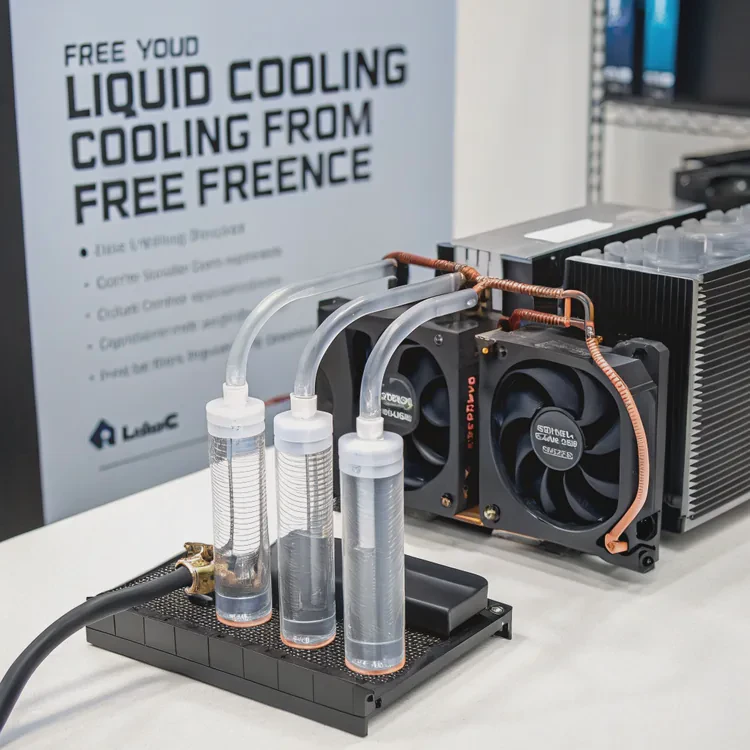
Electronics are getting faster, smaller, and hotter. When heat builds up, performance drops, and components wear out faster. The question is — is liquid cooling the better choice?
Liquid cooling is generally better for high-performance or compact systems because it removes heat more efficiently than air, maintains stable temperatures, and operates quietly.
Let’s explore how it works, why it’s effective, and how to decide if it’s right for your setup.
What is liquid cooling?
Every device that consumes power generates heat. Managing that heat is key to keeping systems stable and long-lasting.
Liquid cooling is a thermal management technique that uses a circulating liquid to absorb and remove heat from components through a closed loop of pipes, pumps, and radiators.
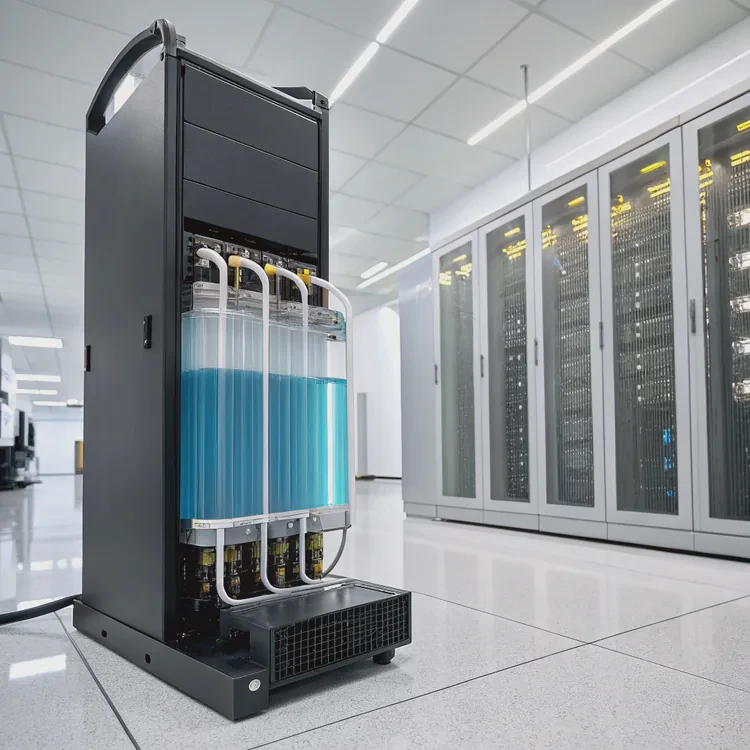
The process starts at the heat source — for example, a CPU, GPU, or power module. A cold plate sits on top of it, filled with coolant channels. As the liquid passes through, it absorbs heat. The pump then pushes the warm liquid toward a radiator, where the heat is released to the air. Finally, the cooled liquid returns to the cold plate, and the cycle repeats.
Key Components in a Liquid Cooling System
| Component | Function |
|---|---|
| Cold Plate | Transfers heat from the component to the coolant |
| Pump | Circulates the coolant through the system |
| Tubes | Connect the components and route the fluid |
| Radiator | Releases heat from the coolant into the air |
| Coolant | Fluid that absorbs and carries away the heat |
How It Works
- Heat builds up in the electronic component.
- The cold plate absorbs the heat.
- The coolant carries the heat through the loop.
- The radiator releases heat into the air.
- The cooled liquid returns to repeat the cycle.
Because liquids have higher thermal conductivity and heat capacity than air, they move energy away faster. This efficiency is why liquid cooling has become popular not just in gaming PCs but also in EV batteries, servers, and telecom systems.
Why is liquid cooling considered better?
Air cooling works fine for moderate tasks. But for demanding performance, liquid cooling offers clear advantages.
Liquid cooling is considered better because it provides higher heat transfer efficiency, lower noise, better temperature consistency, and longer component lifespan under heavy load.
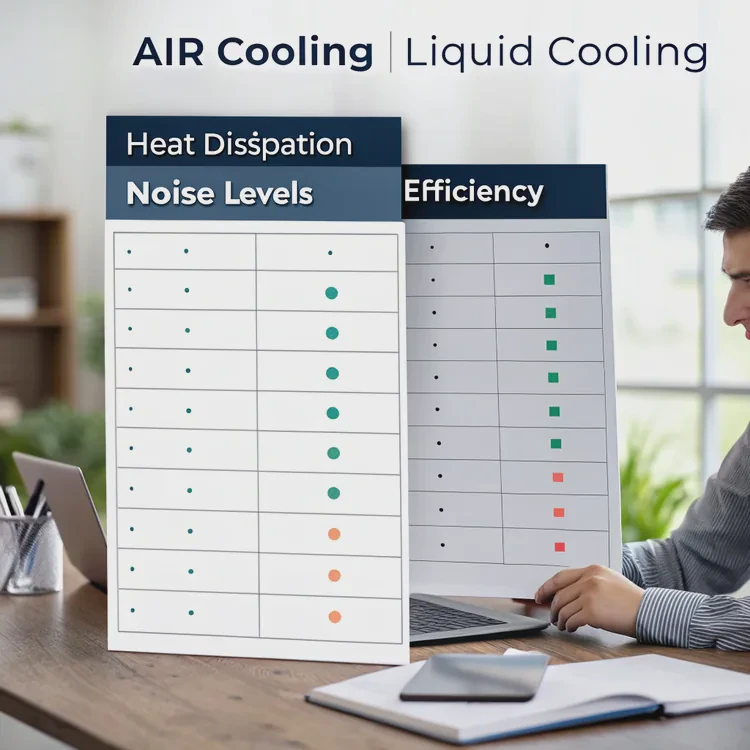
Let’s look at why this technology stands out.
1. Superior Heat Dissipation
Water or specialized coolant can hold more heat per volume than air. That means it can absorb more energy before its temperature rises significantly. This property makes liquid cooling ideal for powerful CPUs, GPUs, or industrial modules.
In real use, a liquid-cooled system can keep components 15–20°C cooler than air cooling under similar conditions. Lower temperatures mean higher stability and better performance.
2. Quieter Operation
Fans in air-cooled systems often spin at high speeds to move heat away, creating noticeable noise. In contrast, liquid cooling relies mainly on fluid movement and radiator fans that run slower. The result is a much quieter operation — perfect for offices, studios, or living spaces.
3. Consistent Thermal Performance
Air cooling performance depends on airflow direction and room temperature. Liquid cooling systems maintain stable operation even when ambient conditions vary. The fluid loop keeps heat distribution even, avoiding thermal spikes that cause throttling.
4. Design Flexibility
Liquid cooling offers freedom in product design. Flexible tubes can be routed around tight spaces, while air coolers require bulky heatsinks. This advantage is crucial for compact systems like electric vehicles or slim desktops.
5. Longevity and Efficiency
Stable temperatures mean less thermal stress on components. Over time, this reduces fatigue and extends life. It also improves energy efficiency because fans and components don’t have to work as hard.
Comparison Table: Air vs Liquid Cooling
| Criteria | Air Cooling | Liquid Cooling |
|---|---|---|
| Heat Transfer Rate | Moderate | High |
| Noise Level | Higher | Lower |
| Space Efficiency | Bulky | Compact |
| Maintenance | Minimal | Moderate |
| Cost | Low | Higher |
| Thermal Stability | Average | Excellent |
Liquid cooling is not always necessary, but for systems that run hot, it delivers clear performance and noise advantages.
How to evaluate if liquid cooling suits your setup?
Not every system needs liquid cooling. The right choice depends on your hardware, budget, and priorities.
You should consider liquid cooling if your system runs high power loads, requires quiet operation, or needs stable performance under continuous use.
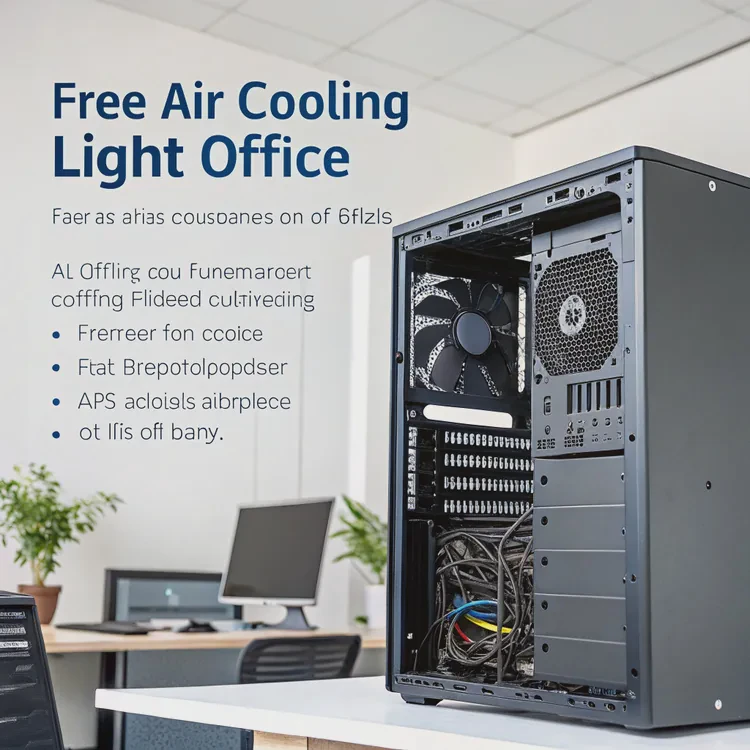
Here are a few key factors to evaluate before deciding.
1. Heat Load
Start by estimating how much heat your components generate. CPUs and GPUs have specified TDP (Thermal Design Power). If your total TDP exceeds 200W, air cooling may struggle to keep temperatures low. In such cases, liquid cooling will handle the load more effectively.
2. Noise Level Preference
If you work in a quiet space, liquid cooling is a great choice. Even though pumps and fans still produce sound, it’s typically softer and less noticeable than multiple small air fans.
3. System Space and Layout
Air cooling needs room for large heatsinks and direct airflow. If your setup has limited space or multiple heat sources close together, liquid loops provide more flexibility for routing heat away efficiently.
4. Maintenance and Reliability
Liquid systems require occasional maintenance: checking for leaks, replacing coolant, or cleaning radiators. If you prefer zero maintenance, air cooling might be easier. However, modern closed-loop or “AIO” systems minimize upkeep.
5. Budget and Use Case
Liquid cooling systems are more expensive due to extra components. But for high-end workstations or gaming rigs, the cost is justified by improved performance and stability. For light office use, air cooling is still practical.
Evaluation Checklist
| Question | Yes | No |
|---|---|---|
| Is your system high-performance (CPU/GPU over 200W)? | ☐ | ☐ |
| Do you need quiet operation? | ☐ | ☐ |
| Is space inside your case limited? | ☐ | ☐ |
| Can you handle periodic maintenance? | ☐ | ☐ |
| Is your budget flexible? | ☐ | ☐ |
If you answered “Yes” to three or more questions, liquid cooling is likely the right solution for your setup.
Real Example
When I built my workstation, I noticed that air cooling kept the CPU at 88°C during rendering. After switching to liquid cooling, the temperature dropped to 65°C, and fan noise reduced by half. That difference changed how smoothly I could work under full load.
So, if your system often overheats or throttles, liquid cooling might be a worthwhile upgrade.
What improvements are expected in cooling efficiency?
Cooling technologies are evolving fast. The focus now is on smarter control, smaller systems, and higher sustainability.
Future improvements in liquid cooling will come from microchannel cold plates, phase-change cooling, AI control, and eco-friendly fluids that enhance efficiency while reducing energy use.
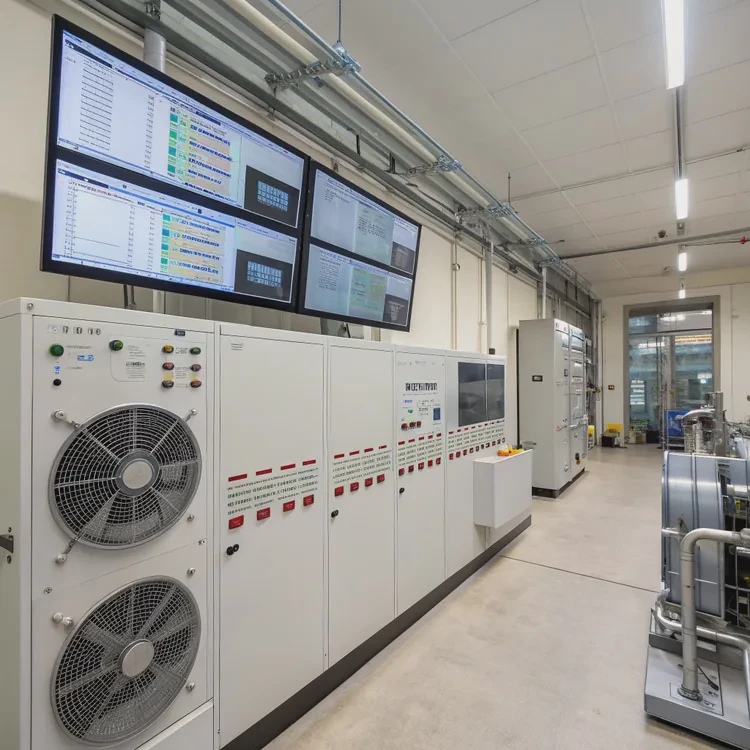
Here’s what’s changing in modern cooling systems.
1. Microchannel and Nano-Structured Surfaces
Engineers are designing cold plates with microscopic channels that increase surface contact between coolant and metal. This allows faster heat transfer and more uniform temperature distribution. Some designs use 3D printing or laser etching to achieve micro-level precision.
2. Two-Phase Cooling
Two-phase systems use both liquid and vapor states to move heat. The coolant boils at the heat source and condenses back at the radiator. This process uses latent heat transfer, which is far more efficient than simple liquid convection.
3. Smart Control Systems
Next-generation coolers use sensors and AI algorithms to monitor temperature, flow, and load in real time. Pumps and fans adjust automatically for optimal balance between performance and energy efficiency. This reduces waste and extends component life.
4. Hybrid Cooling Integration
We will see more hybrid systems combining liquid, vapor chamber, and air cooling. These setups achieve fine-tuned thermal balance and can adapt dynamically based on workload. This approach is ideal for compact electronics and laptops.
5. Eco-Friendly Coolants and Materials
New coolants are being developed that are non-toxic, biodegradable, and dielectric (non-conductive). They make systems safer and environmentally friendly. Manufacturers are also shifting to recyclable aluminum and copper for radiators.
6. Thermal Energy Recycling
In industrial settings, heat removed by cooling systems can be reused. For instance, data centers now use waste heat for building heating. This trend improves total energy efficiency and supports sustainability goals.
Example of Future Technology Focus
| Innovation | Benefit |
|---|---|
| Microchannel Cold Plate | Higher heat transfer surface area |
| Two-Phase Cooling | Extreme efficiency for dense systems |
| AI Thermal Control | Smart, adaptive temperature regulation |
| Eco-Friendly Fluids | Safe and sustainable operation |
| Heat Recovery Systems | Reuse of waste heat for energy savings |
Looking Forward
In the near future, cooling will be both intelligent and sustainable. Systems will learn usage patterns and adjust automatically. Compact, modular cooling solutions will appear in laptops, EVs, and even wearable devices. The boundary between liquid and air cooling will blur as hybrid methods dominate.
Conclusion
Liquid cooling is better for systems that demand high performance, quiet operation, and consistent thermal control. It’s efficient, elegant, and adaptable. While it costs more and requires care, new trends like AI optimization and eco-friendly fluids are making it smarter and simpler. The future of cooling is liquid, intelligent, and sustainable.
TAGS
Latest Articles

Volume discount levels for heat sink orders?
Buyers often ask when heat sink prices start to drop with volume. Many worry they’re overpaying for small orders. This guide explains how B2B volume pricing works for thermal components. Heat sink
21 Dec,2025
Heat sink long-term supply contract options?
Many buyers want stable pricing and reliable delivery for heat sinks. But without a clear contract, risks grow over time. This article explores how to secure better long-term supply deals. Long-term
21 Dec,2025
Tooling cost for new heat sink profiles?
Many engineers struggle to understand why tooling for custom heat sinks costs so much. They worry about budgeting and production timelines. This article breaks down the cost drivers behind tooling.
21 Dec,2025
Heat sink custom sample process steps?
Sometimes, starting a custom heat sink project feels overwhelming—too many steps, too many unknowns, and too many risks. You want a sample, but not endless delays. The process for requesting and
20 Dec,2025
Standard B2B terms for heat sink payments?
When buyers and sellers in B2B heat sink markets talk about payment, many don’t fully understand what’s standard. This can lead to delayed orders, miscommunication, and even lost business
20 Dec,2025
Heat sink pricing factors for large orders?
Heat sinks are vital for many systems. When prices rise, projects stall and budgets break. This problem can hit teams hard without warning. Large order heat sink pricing depends on many factors. You
20 Dec,2025Related Articles
- Is liquid cooling better than air cooling?
- How does liquid cooling work?
- How much more is liquid cooling?
- What is in liquid cooling?
- What does a liquid cooler do?
- What liquid is used in liquid cooling?
- How to install a single liquid cooler CPU?
- How to install liquid CPU cooler?
- How to install liquid cooling?
- How does a liquid CPU cooler work?
- How to install a liquid cooler?
- How to install liquid cooling on CPU?
Author
Dr. Emily Chen
Chief AI Researcher
Leading expert in thermal dynamics and AI optimization with over 15 years of experience in data center efficiency research.
Categories
Latest Products
Recommend Categories
- Liquid cooling plate Manufacturer
- Industrial Heat Sink Manufacturer
- Standard Heat Sink Manufacturer
- Aluminum Heat Sink Manufacturer
- Copper Heat Sink Manufacturer
- Anodized Heatsink Manufacturer
- Stamping heat sink Manufacturer
- Die Casting Heatsink Manufacturer
- Soldering heat sink Manufacturer
- CNC Parts Manufacturer
Latest Products
- Wholesale Aluminum Radiator
- Water Cooling Plate Kit
- Water Cooling Heat Sink
- Water Cooling Heat Sink Kit
- Stainless Steel Water Distributor
- Server Water Cooling Plate Kit
- Server Liquid Cooling System
- Server Aluminum Cooling Kit
- S19 Full Cover Cooling Plate
- S19 Cooling Plate Kit
- S19 Aluminum Cooling Plate
Contact Expert
Have questions about this article? Reach out to our experts directly.