How much more is liquid cooling?
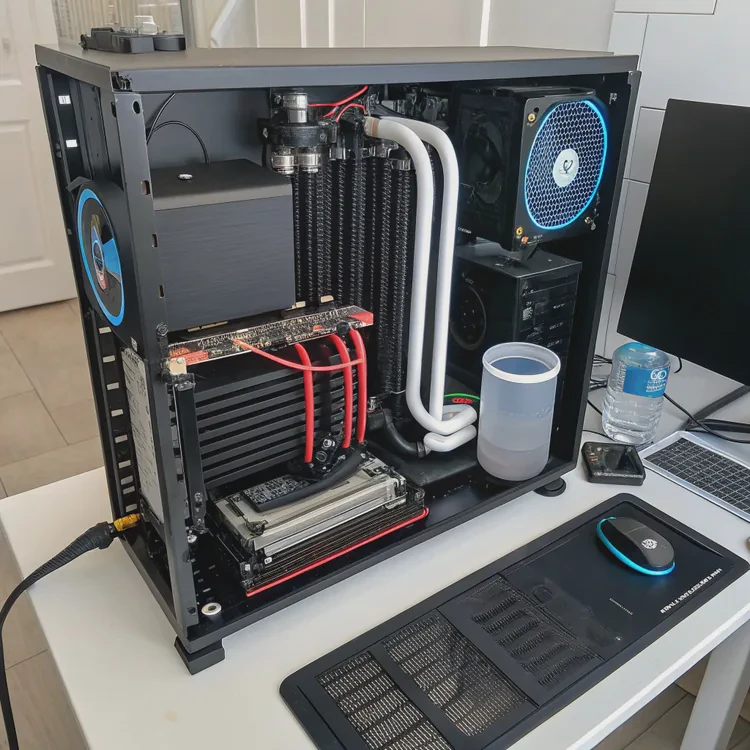
Every builder reaches a point where they must decide between air and liquid cooling. The question usually comes down to one thing — cost. Many assume liquid cooling is always much more expensive, but the truth is more nuanced.
Liquid cooling usually costs between 1.5 to 5 times more than air cooling, depending on system size, materials, and customization level.
Liquid systems use more parts and precision components. They require pumps, radiators, tubing, and coolant, while air systems rely only on heatsinks and fans. This additional complexity increases both material and assembly costs.
What is the cost difference vs air cooling?
The cost gap between air and liquid cooling is clear when you break it down by type and application. Entry-level air coolers are simple and cheap, while custom liquid systems involve more components and labor.
On average, air cooling setups range from \(30–\)120, while liquid cooling systems range from \(100–\)500 or more for custom builds.
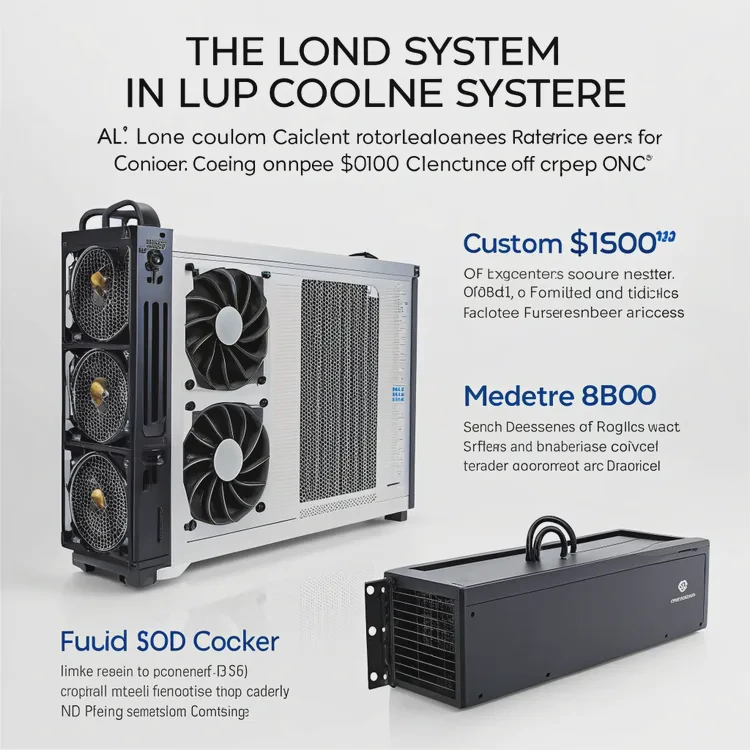
Here’s a basic comparison of pricing by category:
| Cooling Type | Typical Price Range (USD) | Performance Level | Maintenance |
|---|---|---|---|
| Basic Air Cooler | \(30–\)60 | Moderate | Very low |
| High-End Air Cooler | \(80–\)120 | High | Low |
| AIO (All-in-One) Liquid Cooler | \(100–\)250 | High | Moderate |
| Custom Liquid Loop | \(300–\)800+ | Extreme | High |
| Industrial/Server Cooling | \(800–\)2000+ | Specialized | Moderate |
Air coolers are affordable and simple to install, making them great for most home users. However, as systems demand more power, liquid cooling becomes more cost-effective for its performance per watt and noise reduction.
In high-end computing, the price difference narrows when you consider reduced downtime and longer component lifespan. Over several years, a liquid system may pay for itself through efficiency and lower failure rates.
Why is liquid cooling often pricier?
When people first see the price tag for liquid cooling, they often wonder where the extra money goes. The answer lies in engineering precision and reliability.
Liquid cooling costs more because it uses more parts, higher-quality materials, and complex manufacturing processes to ensure leak-proof, efficient, and quiet performance.
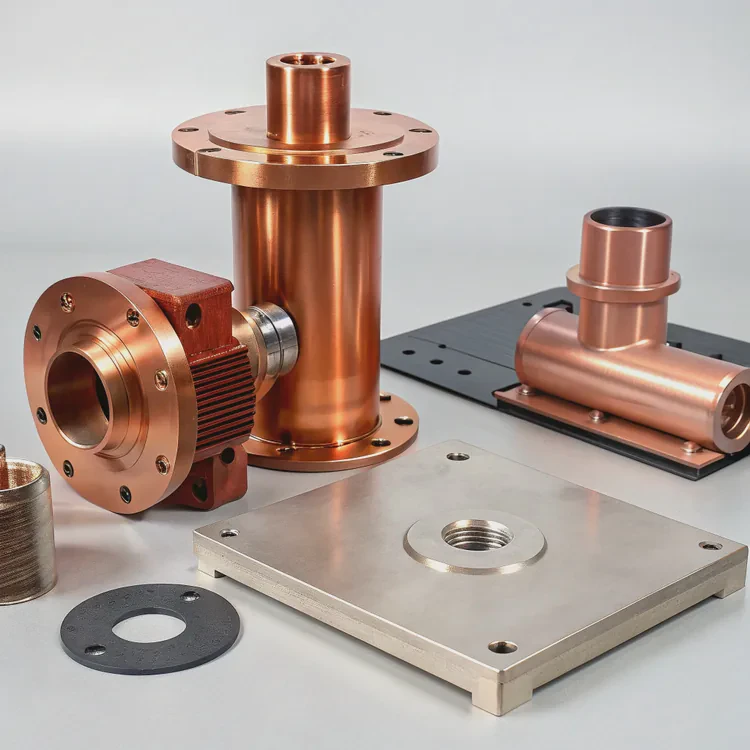
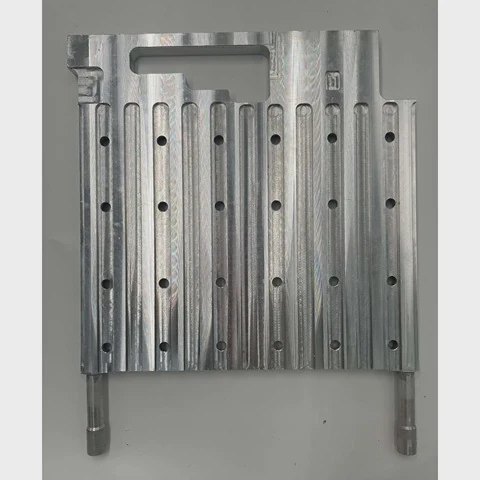
Each part of a liquid cooling loop has to meet tight tolerances. The cold plates must have microchannels that conduct heat efficiently. The pump needs to maintain consistent pressure without creating noise. Tubing and fittings require perfect sealing to avoid leaks. All these small details add up.
Factors That Increase Cost
| Factor | Description | Cost Impact |
|---|---|---|
| Materials | Copper, aluminum, and premium polymers | High |
| Engineering | Precision machining of cold plates | Medium |
| Components | Pump, radiator, reservoir, coolant | High |
| Testing | Leak-proof validation and endurance testing | Medium |
| Installation | More steps and tools required | Medium |
In addition, custom loops often involve manual assembly and testing. Manufacturers must ensure every joint is tight and every seal holds pressure. Even the coolant itself is a specialized mix designed to resist corrosion, scaling, and bacterial growth.
I remember building my first custom loop with copper fittings and a dual-pump setup — the cost quickly rose beyond my original budget, but the cooling efficiency and noise reduction were unmatched. For mission-critical or high-performance applications, that trade-off is worth it.
How to budget for a liquid-cooled build?
Budgeting for liquid cooling can be simple if you plan ahead. You just need to understand what your priorities are — performance, aesthetics, or silence.
To budget effectively, allocate 15–25% of your total system cost to cooling, include spare fittings and coolant, and plan for maintenance over time.
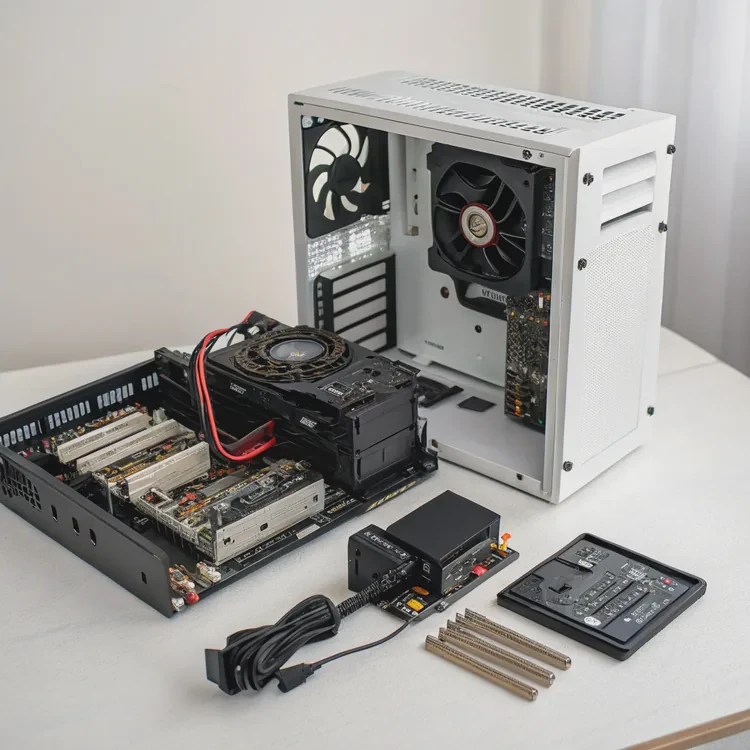
Liquid cooling involves both upfront and ongoing costs. While parts are more expensive initially, proper budgeting prevents unexpected expenses later. Below is a general guide based on build type:
| System Type | Cooling Budget Range | Typical Components Included |
|---|---|---|
| Entry-Level Gaming PC | \(100–\)180 | AIO cooler, pre-filled unit |
| High-End Workstation | \(250–\)500 | Custom loop, dual radiator |
| Industrial/Server Build | \(600–\)1500 | Multi-loop, redundancy pumps |
| Data Center System | $2000+ | Rack-level liquid cooling modules |
Key Budget Tips
- Start small: A pre-built AIO is cheaper than a full custom loop.
- Avoid over-spec: Bigger radiators or pumps are not always necessary.
- Plan for maintenance: Replace coolant every 12–18 months.
- Buy modular components: Makes upgrades cheaper later.
- Include spare parts: Fittings, O-rings, and extra tubing save time in repairs.
A balanced system focuses on reliability, not just aesthetics. Spending more on quality fittings and coolant usually prevents leaks or corrosion, which can cost much more to fix later.
How are prices changing with new tech?
As technology evolves, cooling systems are becoming both smarter and more affordable. Manufacturing improvements and mass adoption are narrowing the price gap between air and liquid cooling.
Newer liquid cooling technologies, like modular AIOs and AI-controlled pumps, are reducing costs by 10–30% while improving performance and reliability.
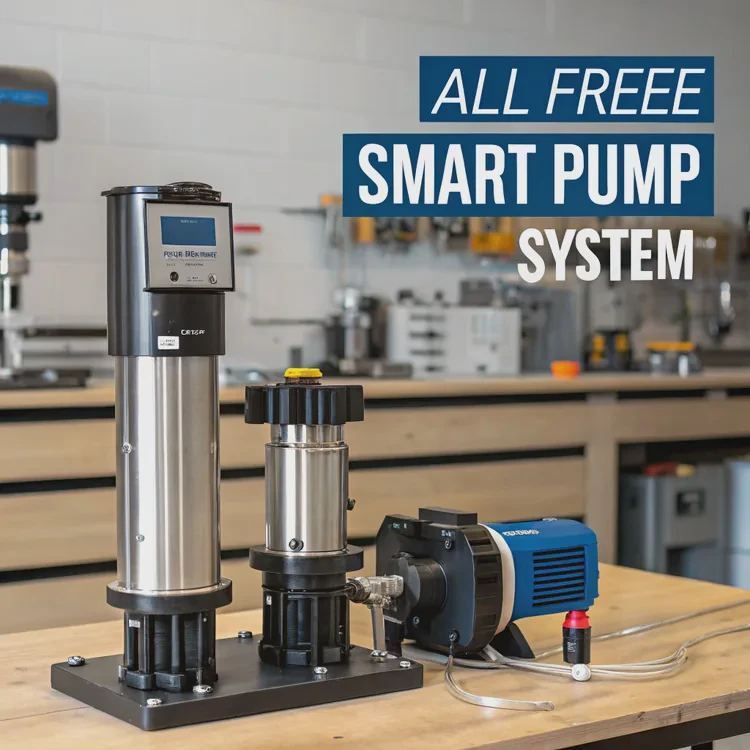
In the past, custom loops were hand-assembled and costly. Now, automated production and standardized components lower prices. Smart pumps and adaptive fans also improve efficiency, reducing long-term maintenance.
Recent Pricing Trends
| Technology | Impact on Cost | Market Effect |
|---|---|---|
| Modular AIO Systems | Easier manufacturing and repair | Lower prices for consumers |
| Smart Sensors | Predictive control reduces energy waste | Longer component life |
| New Coolants | Extended lifespan and eco-safe | Reduced replacement costs |
| Hybrid Cooling | Combines air and liquid systems | Cost balance between performance and price |
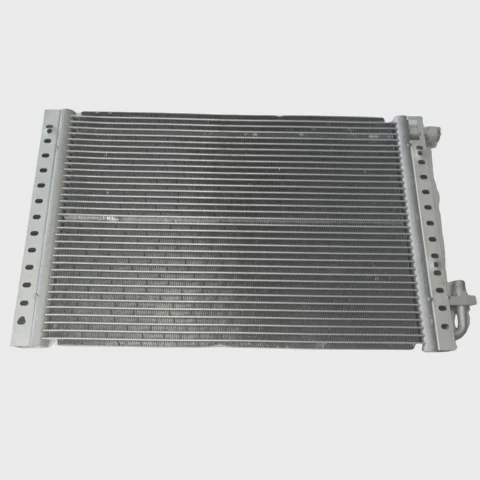
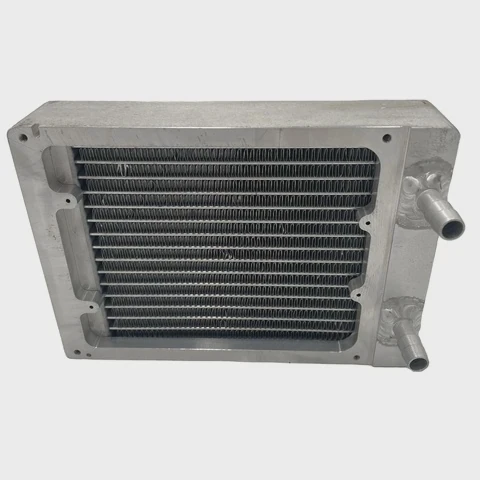
I’ve noticed that even industrial cooling modules are dropping in price thanks to automation and better material science. For example, aluminum microchannel radiators now replace heavy copper ones at a fraction of the cost, with only minor heat transfer loss.
Over time, liquid cooling is shifting from a “luxury” option to a practical necessity for systems running high workloads. Prices are stabilizing as more manufacturers enter the market, and smarter designs continue to make them accessible.
Conclusion
Liquid cooling costs more upfront, but its performance, silence, and lifespan often justify the price. As materials improve and technology advances, liquid cooling is becoming more affordable, efficient, and essential for next-generation systems.
TAGS
Latest Articles

Volume discount levels for heat sink orders?
Buyers often ask when heat sink prices start to drop with volume. Many worry they’re overpaying for small orders. This guide explains how B2B volume pricing works for thermal components. Heat sink
21 Dec,2025
Heat sink long-term supply contract options?
Many buyers want stable pricing and reliable delivery for heat sinks. But without a clear contract, risks grow over time. This article explores how to secure better long-term supply deals. Long-term
21 Dec,2025
Tooling cost for new heat sink profiles?
Many engineers struggle to understand why tooling for custom heat sinks costs so much. They worry about budgeting and production timelines. This article breaks down the cost drivers behind tooling.
21 Dec,2025
Heat sink custom sample process steps?
Sometimes, starting a custom heat sink project feels overwhelming—too many steps, too many unknowns, and too many risks. You want a sample, but not endless delays. The process for requesting and
20 Dec,2025
Standard B2B terms for heat sink payments?
When buyers and sellers in B2B heat sink markets talk about payment, many don’t fully understand what’s standard. This can lead to delayed orders, miscommunication, and even lost business
20 Dec,2025
Heat sink pricing factors for large orders?
Heat sinks are vital for many systems. When prices rise, projects stall and budgets break. This problem can hit teams hard without warning. Large order heat sink pricing depends on many factors. You
20 Dec,2025Related Articles
- What is in liquid cooling?
- What does a liquid cooler do?
- What liquid is used in liquid cooling?
- Does liquid cooling need maintenance?
- Which is better, air cooled or liquid cooled?
- What is the best liquid CPU cooler?
- How does liquid cooling work?
- Is liquid cooling better than air cooling?
- Is liquid cooling better?
- How to install a single liquid cooler CPU?
- How to install liquid CPU cooler?
- How to install liquid cooling?
Author
Dr. Emily Chen
Chief AI Researcher
Leading expert in thermal dynamics and AI optimization with over 15 years of experience in data center efficiency research.
Categories
Latest Products
Recommend Categories
- Liquid cooling plate Manufacturer
- Industrial Heat Sink Manufacturer
- Standard Heat Sink Manufacturer
- Aluminum Heat Sink Manufacturer
- Copper Heat Sink Manufacturer
- Anodized Heatsink Manufacturer
- Stamping heat sink Manufacturer
- Die Casting Heatsink Manufacturer
- Soldering heat sink Manufacturer
- CNC Parts Manufacturer
Latest Products
- Wholesale Aluminum Radiator
- Water Cooling Plate Kit
- Water Cooling Heat Sink
- Water Cooling Heat Sink Kit
- Stainless Steel Water Distributor
- Server Water Cooling Plate Kit
- Server Liquid Cooling System
- Server Aluminum Cooling Kit
- S19 Full Cover Cooling Plate
- S19 Cooling Plate Kit
- S19 Aluminum Cooling Plate
Contact Expert
Have questions about this article? Reach out to our experts directly.