how to install heatsink to transistor?
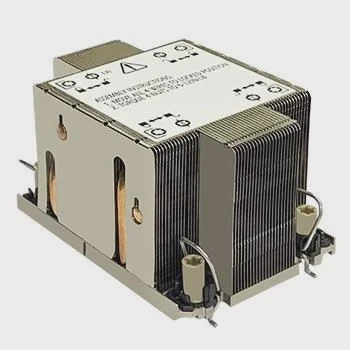
I often see beginners worry when they try to mount a heatsink onto a hot-running transistor, because the whole setup feels fragile and easy to break.
You install a heatsink on a transistor by choosing a proper-sized sink, adding insulation when needed, and tightening the mount with steady pressure so the part stays cool and safe.
I learned these steps through many small repairs, where I saw how a simple mounting mistake caused heat buildup and early failure.
Why match heatsink size to transistor load?
I notice many failures when people install a tiny sink on a transistor that moves more current than they expect.
You must match heatsink size to the transistor load because larger loads create more heat, and only a sink with enough surface area can pull this heat away fast enough.
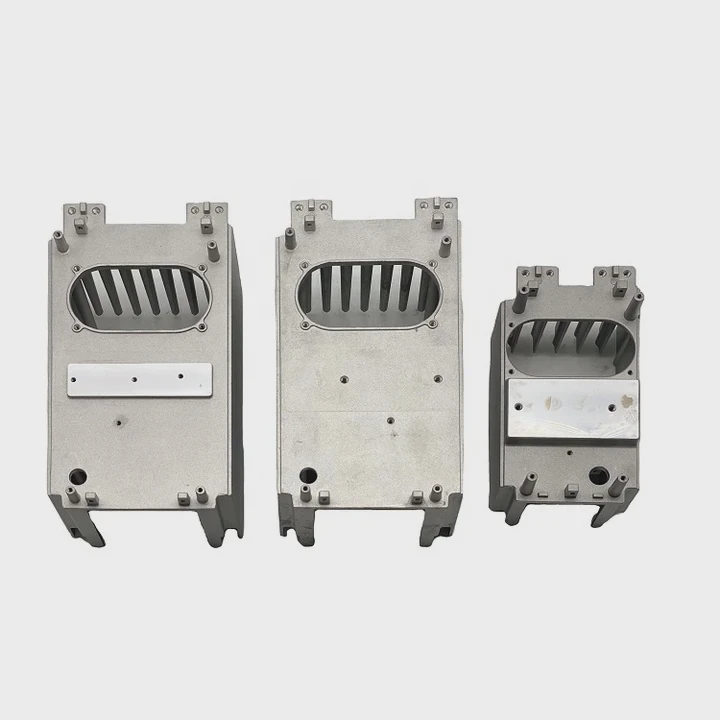
I remember fixing an old audio amplifier that a friend bought from a flea market. The output transistors ran very hot. Someone had replaced the original sinks with small ones that looked neat but were far too small. After a few minutes of playing music at normal volume, the amp shut down. When I touched the metal, it was almost burning. This is when I learned that heatsink size is not about looks but about heat load.
How load affects heat
The more current the transistor handles, the more heat it releases. This heat must travel through the case of the transistor into the sink. If the sink has too little surface area, the heat stays trapped.
What power rating means
A transistor has a power rating. When it handles power close to this limit, it must run cool. A heatsink helps keep the junction temperature low. When the junction gets too hot, the transistor breaks.
Basic sizing guide
Here is a simple table that explains the match:
| Transistor Load Level | Example Use Case | Suggested Heatsink Size |
|---|---|---|
| Low load | Small signal circuits | Tiny clip-on sink |
| Medium load | Motor drivers, regulators | Medium finned sink |
| High load | Audio amps, power stages | Large finned sink with airflow |
| Very high load | Industrial drivers | Big sink plus fan |
Why fin count matters
A sink with more fins has more area. More area means more cooling. I often show beginners two sinks of the same size. One has simple thick fins, the other has many thin fins. The thin-fin sink cools better because it moves more air around the surfaces.
Why thickness matters
A thick base spreads heat better. A thin base heats unevenly. This is why I choose sinks with solid bases when dealing with high-power transistors. It gives the transistor a stable temperature.
A short story from my workshop
Once, I built a small power supply for a hobby project. I chose the wrong sink. The regulator transistor overheated and shut down. After I replaced the sink with a larger one, everything ran cool. This taught me that choosing size is not guesswork. It must match the load.
Which insulators prevent shorting?
When you mount a transistor on a heatsink, the metal tab often connects to the transistor’s internal parts. This can cause shorting if the sink touches other metal parts.
You prevent shorting by using insulators like mica sheets, silicone pads, or ceramic washers that separate the transistor tab from the sink while still letting heat pass through.
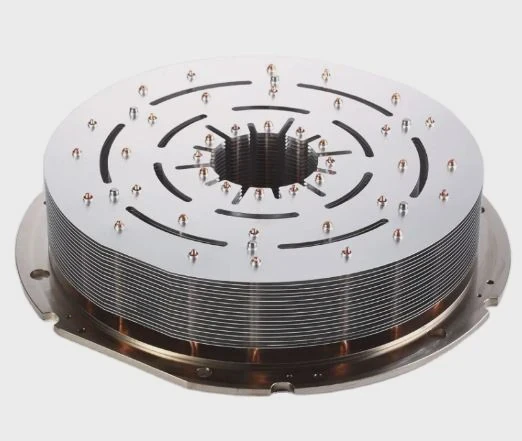
I once repaired a motor driver where someone mounted the transistor directly on the sink. The tab shorted to the sink. The sink then touched the metal case. The whole device fried. That event made me respect insulation materials.
Common insulator types
1. Mica sheets
These thin sheets conduct heat well. They are classic and work in many power systems. I use them when I want a stable mount.
2. Silicone thermal pads
These pads are soft and easy to work with. They add insulation and decent heat flow. They are great for beginners.
3. Ceramic pads
These offer high insulation and strong heat flow. They are fragile but very effective. I use them in high-voltage projects.
4. Plastic shoulder washers
These washers fit around the mounting screw. They stop the screw from conducting electricity from the transistor tab to the heatsink.
Why insulation matters
Many transistor packages, like TO-220, have a metal back plate tied to a specific pin. If this pin touches the sink, the sink becomes part of the electrical path. This causes dangerous shorts.
Sample insulation setup
Here is a simple table:
| Insulator Type | Heat Flow | Ease of Use | Best For |
|---|---|---|---|
| Mica sheet | High | Medium | Power loads |
| Silicone pad | Medium | Easy | General use |
| Ceramic pad | Very high | Hard | High voltage |
| Shoulder washer | N/A | Medium | Screw insulation |
Why thermal paste still matters
Even with insulators, you need thermal paste. The paste fills air gaps. Air traps heat. A thin layer of paste improves heat flow.
Real lesson from a repair
I helped a friend build a small amplifier. We forgot shoulder washers. When we powered it on, the sink shocked us. The transistor tab tied to the collector pin had energised the whole sink. That day, we added washers to every build.
How do screws impact thermal contact?
When people mount sinks, they often think the type of screw does not matter. But it does.
Screws impact thermal contact because the pressure they create helps the transistor sit tightly against the heatsink, allowing heat to pass without gaps that trap hot air.
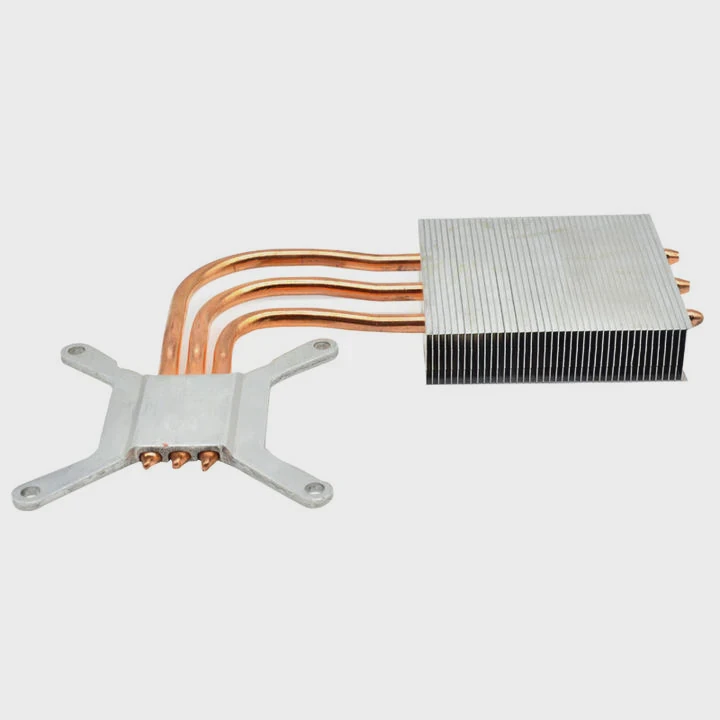
I often see beginners apply too little pressure. The sink then tilts slightly. Heat moves poorly through gaps, even tiny ones. This is a common cause of hot spots.
Why pressure must be even
The transistor case must sit flat. If the screw is too tight on one side, the case lifts on the other side. This reduces contact. I always tighten screws slowly and check for wobbling.
Effects of different screw choices
Metal screws
These are strong. But they must be used with shoulder washers when insulation is needed.
Nylon screws
These provide electrical insulation but are weaker. I use them only in low-load systems.
Spring screws
These maintain pressure even when temperature changes cause expansion. They help keep contact even.
How to tighten correctly
I follow this simple process:
- Place the transistor on the sink with paste.
- Insert the screw through the washer.
- Tighten slowly until contact feels firm.
- Stop when you feel resistance.
- Do not overtighten. It can crack the transistor.
Why screw torque matters
Too little torque gives weak contact. Too much torque damages threads or cracks the plastic case. I once broke a transistor by overtightening. The crack was small but fatal.
Screw-related issues
Here is a table that shows common problems:
| Problem | Cause | Effect on Cooling |
|---|---|---|
| Loose screw | Weak torque | Poor heat flow |
| Tilted transistor | Uneven pressure | Hot spots |
| Missing washer | Screw shorting | Electrical failure |
| Over-tightened screw | Cracked case | Instant failure |
Why good threading matters
I always clean the screw hole. Dust inside can prevent full tightening. This small detail improves safety and cooling.
Can clamps replace bolt mounting?
Many people do not want to drill holes or use screws, so they ask if clamps work.
Clamps can replace bolt mounting when they apply steady pressure across the transistor, but they must hold the part firmly and keep pressure even across the surface.
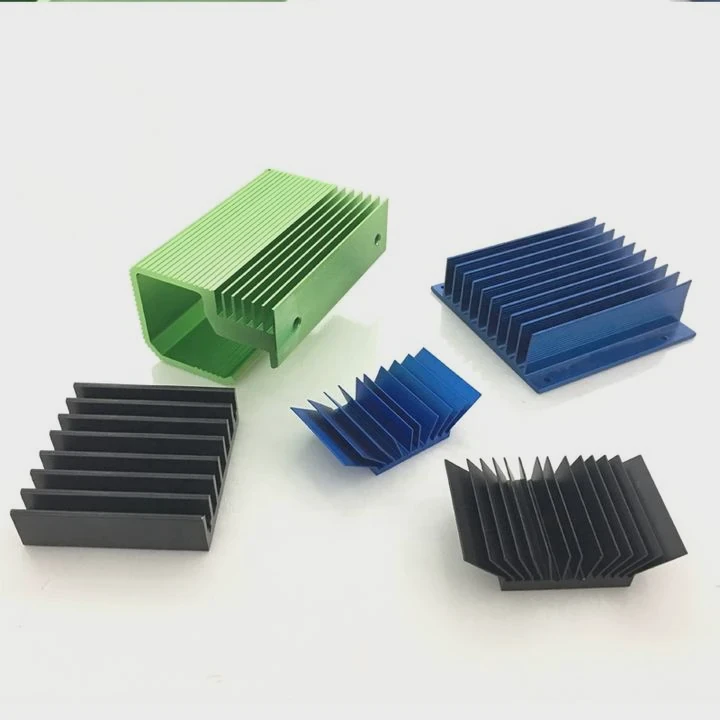
I like clamps for quick repairs. They let me test circuits without full mounting. But they must be used correctly.
Types of clamps
Spring clamps
These apply gentle force. They are easy to attach. They work best in light-duty setups.
Bar clamps
These apply more force. They hold firmly. They are great for experiments.
Metal clip clamps
These come with some heatsinks. They snap onto the transistor and hold it down.
When clamps work well
Clamps work when:
- The load is low.
- The transistor does not vibrate.
- The setup is temporary.
- You use the right pressure level.
When clamps fail
Clamps fail when:
- The pressure is uneven.
- The transistor moves during operation.
- The clamp slips due to heat cycles.
- The load is too high.
Clamp vs Screw Comparison
Here is a simple table:
| Mount Type | Pressure Stability | Best Use Case |
|---|---|---|
| Screw mount | Very stable | Long-term, high load |
| Clamp | Moderate | Short-term or low load |
| Clip-on | Medium | Small packages, fast setup |
Real story from a test bench
I used clamps during a power test on a new design. The clamp slipped when the transistor heated up. The part stopped cooling and burned fast. That event taught me that clamps are good for quick tests but not for heavy loads.
Why screw mounts win long term
Screws keep the transistor fixed even when temperature changes. Clamps move more than screws. Fixed pressure is key for safe cooling.
Conclusion
Installing a heatsink onto a transistor is simple when you choose a sink sized for the load, use proper insulators, apply even screw pressure, and use clamps only when the job allows. These steps keep the transistor cool and extend its life.
TAGS
Latest Articles

Volume discount levels for heat sink orders?
Buyers often ask when heat sink prices start to drop with volume. Many worry they’re overpaying for small orders. This guide explains how B2B volume pricing works for thermal components. Heat sink
21 Dec,2025
Heat sink long-term supply contract options?
Many buyers want stable pricing and reliable delivery for heat sinks. But without a clear contract, risks grow over time. This article explores how to secure better long-term supply deals. Long-term
21 Dec,2025
Tooling cost for new heat sink profiles?
Many engineers struggle to understand why tooling for custom heat sinks costs so much. They worry about budgeting and production timelines. This article breaks down the cost drivers behind tooling.
21 Dec,2025
Heat sink custom sample process steps?
Sometimes, starting a custom heat sink project feels overwhelming—too many steps, too many unknowns, and too many risks. You want a sample, but not endless delays. The process for requesting and
20 Dec,2025
Standard B2B terms for heat sink payments?
When buyers and sellers in B2B heat sink markets talk about payment, many don’t fully understand what’s standard. This can lead to delayed orders, miscommunication, and even lost business
20 Dec,2025
Heat sink pricing factors for large orders?
Heat sinks are vital for many systems. When prices rise, projects stall and budgets break. This problem can hit teams hard without warning. Large order heat sink pricing depends on many factors. You
20 Dec,2025Related Articles
- do heatsinks work on m.2 drive?
- what is the main obsticle when using heatsinks?
- How to connect a heatsink to 7805 regulator?
- where to find double heatsinks battletech?
- does your ssd need a heatsink?
- What direction does the blow Intel heatsink E97381?
- does dead cpu fan imply dead or damaged heatsink?
- How to remove CPU from heatsink?
- can you clean the stock.microsoft heatsink under water?
- Can you remove heatsink from motherboard?
- what to do without a cpu heatsink?
- is replacing laptop heatsink worth it?
Author
Dr. Emily Chen
Chief AI Researcher
Leading expert in thermal dynamics and AI optimization with over 15 years of experience in data center efficiency research.
Categories
Latest Products






Recommend Categories
- Liquid cooling plate Manufacturer
- Industrial Heat Sink Manufacturer
- Standard Heat Sink Manufacturer
- Aluminum Heat Sink Manufacturer
- Copper Heat Sink Manufacturer
- Anodized Heatsink Manufacturer
- Stamping heat sink Manufacturer
- Die Casting Heatsink Manufacturer
- Soldering heat sink Manufacturer
- CNC Parts Manufacturer
Latest Products
- Wholesale Aluminum Radiator
- Water Cooling Plate Kit
- Water Cooling Heat Sink
- Water Cooling Heat Sink Kit
- Stainless Steel Water Distributor
- Server Water Cooling Plate Kit
- Server Liquid Cooling System
- Server Aluminum Cooling Kit
- S19 Full Cover Cooling Plate
- S19 Cooling Plate Kit
- S19 Aluminum Cooling Plate
Contact Expert
Have questions about this article? Reach out to our experts directly.