can you clean the stock.microsoft heatsink under water?
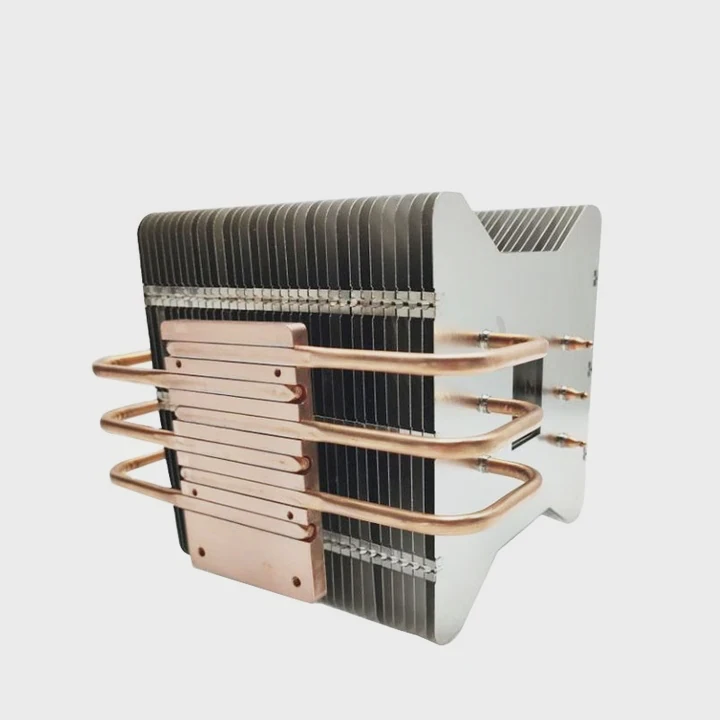
I once cleaned a stock Microsoft heatsink in a hurry and almost ruined it because I washed it the wrong way. Many people think tap water works for fast cleaning, but it carries hidden risks.
You can rinse a stock Microsoft heatsink with water only if it has no electronics attached, but full submersion is unsafe because water traps inside metal layers and causes long-term corrosion. Controlled surface cleaning is safer.
I want to explain the simple rules that help me clean these units without damaging the metal surfaces or affecting later cooling performance.
Why avoid submerging metal assemblies?
When I was new to hardware repair, I believed that metal parts could survive anything. I once soaked a heatsink for an hour and later found rust spots on the base. That moment made me rethink many things.
You should avoid submerging metal assemblies because trapped water causes oxidation, corrosion, and residue buildup inside tiny gaps. These issues weaken cooling performance and shorten lifespan.
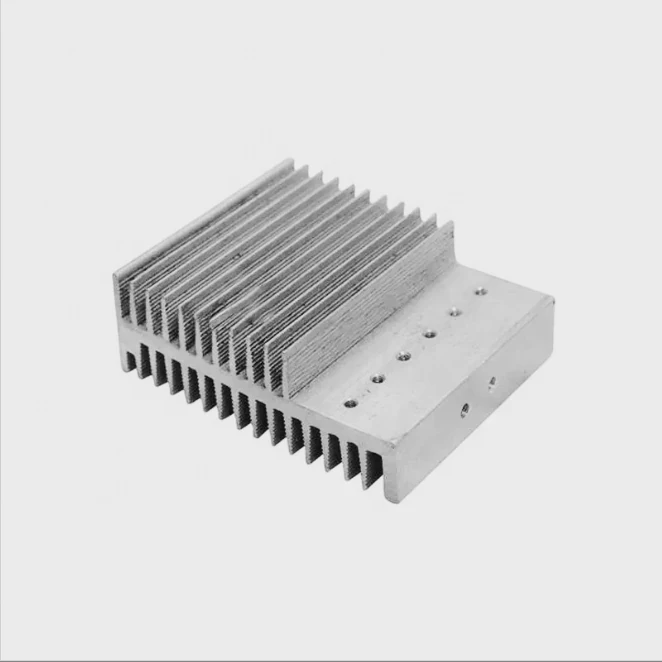
A heatsink looks like a solid block, but it contains thin fins, narrow folds, and tight gaps. These gaps hold water for a long time. Even if the surface dries, the hidden pockets stay wet.
Why water stays inside
Water enters micro-gaps between fins. It flows into seams near the base. Some Microsoft stock heatsinks use heat pipes. Heat pipes do not like moisture. Moisture can travel into surface cracks and form corrosion spots.
Why corrosion forms
Tap water has minerals. These minerals stay behind when the water evaporates. Minerals attract moisture again later. This cycle speeds up rust. Even small rust patches slow heat transfer. I once cleaned a heatsink for a friend and found brown dots after a few days. The dots came from tap water deposits.
Table: problems caused by submersion
| Issue | How it forms | Long-term effect |
|---|---|---|
| Water pockets | Gaps trap moisture | Slow corrosion |
| Mineral residues | Tap water dries | Reduced cooling |
| Oxidation | Metal reacts with water | Surface dulling |
| Heat pipe risk | Moisture near seals | Early failure |
Why submersion is risky for heat pipes
Heat pipes use sealed chambers with working fluid. They are not meant to interact with water. Even if water never enters the pipe, corrosion around the seal can weaken the joints over time. This makes the pipe less stable under heat load.
My safe method
When I clean a heatsink, I rinse only the fins under a slow stream. I avoid soaking the base for long. I use a brush for stubborn dust. This keeps moisture exposure low. It also shortens drying time.
How should you dry cleaned fins?
The first time I cleaned a heatsink with water, I let it dry on a towel for two hours. I thought it was enough. It wasn’t. When I installed it back, the fan pushed droplets out from between the fins. That was a scary moment for me.
You should dry cleaned fins with strong airflow, warm ventilation, and enough time for trapped moisture to escape. Air drying alone is not enough because water hides between tight metal layers.
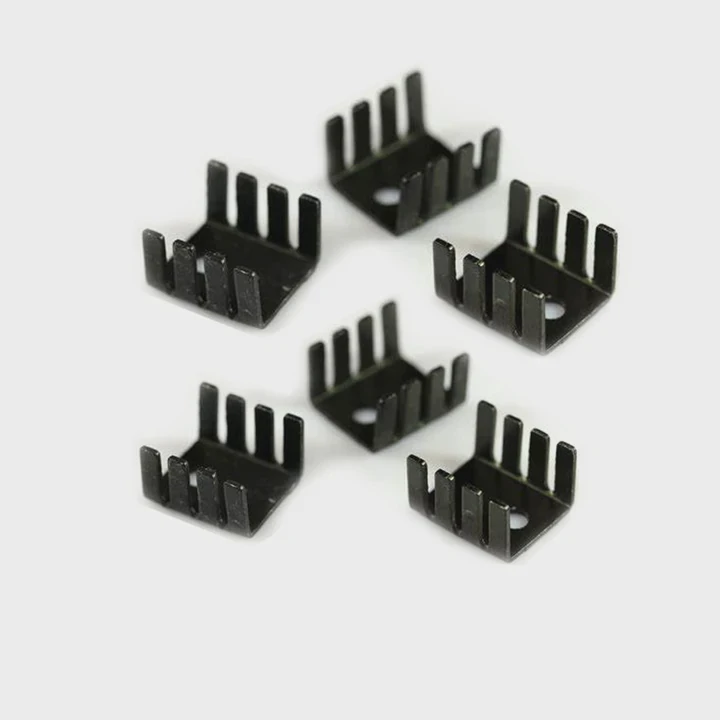
Drying sounds simple, but the shape of a heatsink makes it hard. The fins are thin. They sit close together. This means normal evaporation takes a long time.
How water hides in the fins
Water moves down by capillary action. It runs to the base and stays there. If air cannot reach that spot, the water stays. If the fins bend slightly, they trap more moisture. This is why I never trust a towel-only dry.
What drying method works well
I use a fan that blows air sideways across the fins. This creates cross-flow. Cross-flow pushes water out of the narrow channels. I never use a hair dryer on high heat. High heat can warp the base or soften heat pipe glue.
Here is a simple table with safe and unsafe drying methods:
| Method | Safe? | Notes |
|---|---|---|
| Room air only | No | Very slow, water stays trapped |
| Fan airflow | Yes | Works well for tight fins |
| Warm ventilation | Yes | Gentle heat helps evaporation |
| Hair dryer on high | No | Can overheat the base |
| Heating plate | No | Damages heat pipes |
How long to dry
I give the heatsink at least 24 hours with airflow. If the room is dry and warm, 12 hours might work. But I never risk installing it early. Water hidden near the base takes longer to leave.
Extra H3 note on hidden moisture
How to check for trapped water
I tilt the heatsink slowly. If I see a thin line of water move, it means it is not fully dry. I also blow air in with my mouth. If I feel cool vapor, water remains. Only when everything feels dry and warm do I trust it.
Why full dryness is important
Even one drop near the CPU lid can form steam when the processor heats up. Steam expands fast and may push paste unevenly. This reduces cooling performance and can cause hotspots. Drying fully is always worth the wait.
Which residues harm cooling surfaces?
I once opened an old system where someone had washed the heatsink with tap water and detergent. The fins looked clean, but the base had a cloudy film. That film made the CPU run warmer until I polished it off.
Residues from tap water, soap, kitchen cleaners, and fingerprint oils harm cooling surfaces because they block direct metal contact and reduce heat transfer efficiency.
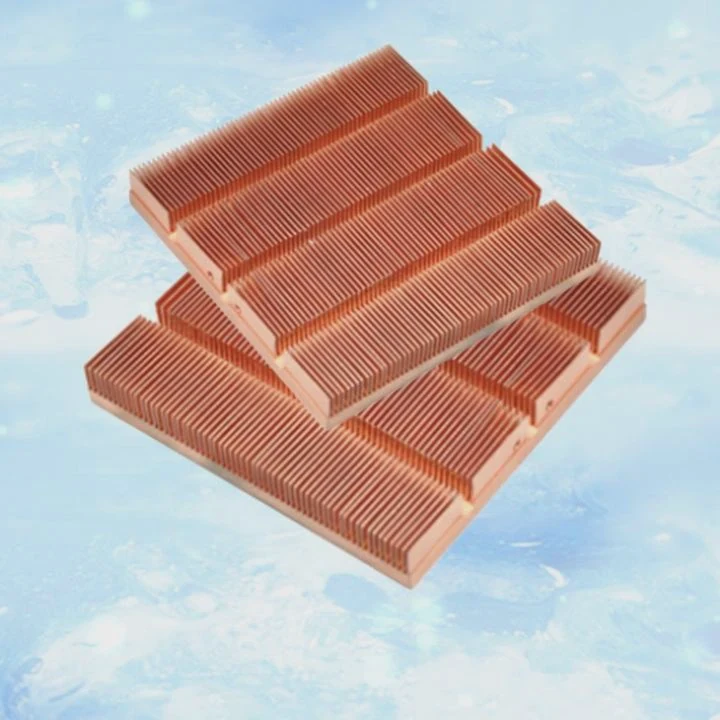
Residues form slowly. They build up layer by layer. Even a thin film lowers heat transfer. Thermal paste can cover some flaws, but heavy residue still weakens performance.
Why residues form
Tap water contains minerals like calcium and magnesium. When water dries, these minerals stay on the surface. Soap leaves a thin film of surfactants and perfume compounds. These films do not conduct heat well.
Table: harmful residues and their effects
| Residue Type | Source | Cooling Effect |
|---|---|---|
| Mineral scale | Tap water | Creates rough spots |
| Soap film | Detergent | Blocks paste spread |
| Oil film | Hands | Makes uneven contact |
| Oxidation layer | Old metal | Slows heat flow |
How residues reduce cooling
A heatsink transfers heat when the metal touches the CPU lid with minimal gaps. Residue makes the surface uneven. Uneven surfaces trap air pockets. Air is a poor thermal conductor. This makes temperatures rise more than expected.
How I remove residues
I use isopropyl alcohol. I wipe the base with a lint-free cloth. I do this until the metal shines. If mineral scale stays, I rub gently with a microfiber cloth. I never use sandpaper because it may remove too much material.
Extra H3 on inspection
How to inspect the base for residue
I use a bright light and tilt the base. If I see cloudy patches, water marks, or dull spots, residue is present. A clean base looks even and reflective. It does not show streaks.
Why fingerprints matter
Even fingerprints weaken thermal contact. Natural skin oils leave a thin film. This film reacts with old paste. When I prepare a heatsink, I never touch the contact surface with bare hands.
Can alcohol replace water cleaning?
I switched to alcohol cleaning years ago after seeing water cause slow rust on a friend’s heatsink. Alcohol made the process faster and safer for me.
Yes. Alcohol can replace water for cleaning because it dissolves dust, evaporates fast, and leaves almost no residue. It also avoids corrosion that water might cause if trapped.
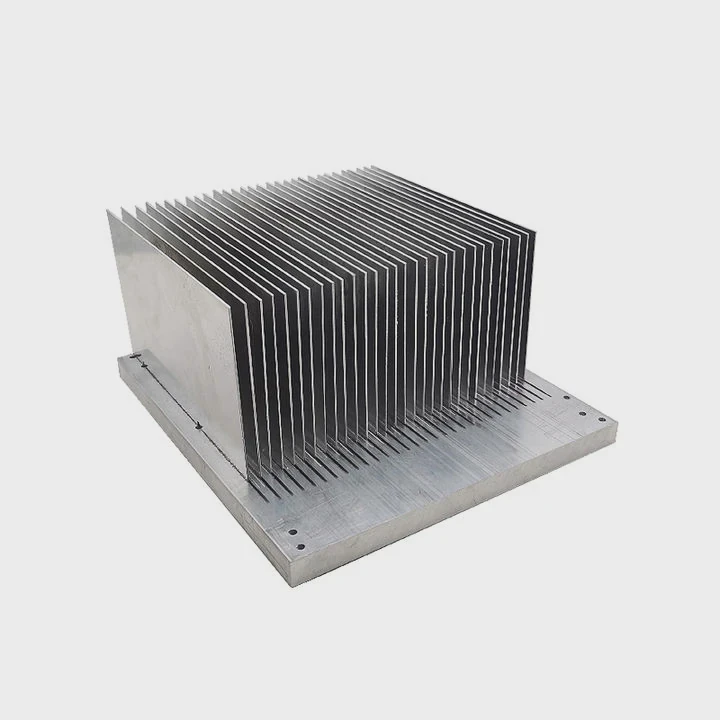
Alcohol cleaning works well for most metal heatsinks. It does not remove heavy dirt as fast as water, but it avoids moisture problems. I use it when the heatsink has heat pipes or when I want to avoid long drying times.
Why alcohol works well
Alcohol breaks down oils and lifts dust. It evaporates in seconds. It does not leave minerals. When it dries, the surface becomes clean enough for fresh paste.
When alcohol works best
It works when the heatsink has fine fins. It works when the heatsink base has old paste that needs removal. It works when the user wants a fast turnaround without 24-hour drying.
Table: alcohol vs water cleaning
| Factor | Alcohol | Water |
|---|---|---|
| Drying time | Very fast | Slow |
| Residue | Very low | High |
| Corrosion risk | Low | Medium |
| Heavy dirt removal | Medium | High |
| Heat pipe safety | Safe | Risky |
When alcohol is not perfect
Alcohol does not remove thick mud or sticky dust easily. Water works better for heavy buildup. When the heatsink comes from a dusty workshop, I may use a fast rinse first. But I still avoid full submersion. After rinsing, I switch back to alcohol.
Extra H3 section on safe alcohol use
How to use alcohol safely
I pour a small amount on a cloth. I wipe the fins gently. I avoid dripping alcohol inside the heat pipe joints. Alcohol is safe for metal, but I still work with care. I let the heatsink dry for a few minutes. It becomes ready for paste very quickly.
Why alcohol is better for old units
Old heatsinks have more corrosion risk. Alcohol reduces this risk. It cleans without feeding oxidation. This makes it ideal for stock Microsoft units that already show signs of age.
Conclusion
A stock Microsoft heatsink can be cleaned safely when you avoid soaking, dry it fully, remove harmful residue, and use alcohol when possible. These simple steps protect cooling performance and keep the metal in good shape.
TAGS
Latest Articles

Volume discount levels for heat sink orders?
Buyers often ask when heat sink prices start to drop with volume. Many worry they’re overpaying for small orders. This guide explains how B2B volume pricing works for thermal components. Heat sink
21 Dec,2025
Heat sink long-term supply contract options?
Many buyers want stable pricing and reliable delivery for heat sinks. But without a clear contract, risks grow over time. This article explores how to secure better long-term supply deals. Long-term
21 Dec,2025
Tooling cost for new heat sink profiles?
Many engineers struggle to understand why tooling for custom heat sinks costs so much. They worry about budgeting and production timelines. This article breaks down the cost drivers behind tooling.
21 Dec,2025
Heat sink custom sample process steps?
Sometimes, starting a custom heat sink project feels overwhelming—too many steps, too many unknowns, and too many risks. You want a sample, but not endless delays. The process for requesting and
20 Dec,2025
Standard B2B terms for heat sink payments?
When buyers and sellers in B2B heat sink markets talk about payment, many don’t fully understand what’s standard. This can lead to delayed orders, miscommunication, and even lost business
20 Dec,2025
Heat sink pricing factors for large orders?
Heat sinks are vital for many systems. When prices rise, projects stall and budgets break. This problem can hit teams hard without warning. Large order heat sink pricing depends on many factors. You
20 Dec,2025Related Articles
- How to remove CPU from heatsink?
- does dead cpu fan imply dead or damaged heatsink?
- how to install heatsink to transistor?
- do heatsinks work on m.2 drive?
- what is the main obsticle when using heatsinks?
- How to connect a heatsink to 7805 regulator?
- Can you remove heatsink from motherboard?
- what to do without a cpu heatsink?
- is replacing laptop heatsink worth it?
- Do transistors need to have a heatsink?
- how to clean heatsink?
- do noctua chromax heatsink covers impact?
Author
Dr. Emily Chen
Chief AI Researcher
Leading expert in thermal dynamics and AI optimization with over 15 years of experience in data center efficiency research.
Categories
Latest Products






Recommend Categories
- Liquid cooling plate Manufacturer
- Industrial Heat Sink Manufacturer
- Standard Heat Sink Manufacturer
- Aluminum Heat Sink Manufacturer
- Copper Heat Sink Manufacturer
- Anodized Heatsink Manufacturer
- Stamping heat sink Manufacturer
- Die Casting Heatsink Manufacturer
- Soldering heat sink Manufacturer
- CNC Parts Manufacturer
Latest Products
- Wholesale Aluminum Radiator
- Water Cooling Plate Kit
- Water Cooling Heat Sink
- Water Cooling Heat Sink Kit
- Stainless Steel Water Distributor
- Server Water Cooling Plate Kit
- Server Liquid Cooling System
- Server Aluminum Cooling Kit
- S19 Full Cover Cooling Plate
- S19 Cooling Plate Kit
- S19 Aluminum Cooling Plate
Contact Expert
Have questions about this article? Reach out to our experts directly.