Is liquid cooling high maintenance?
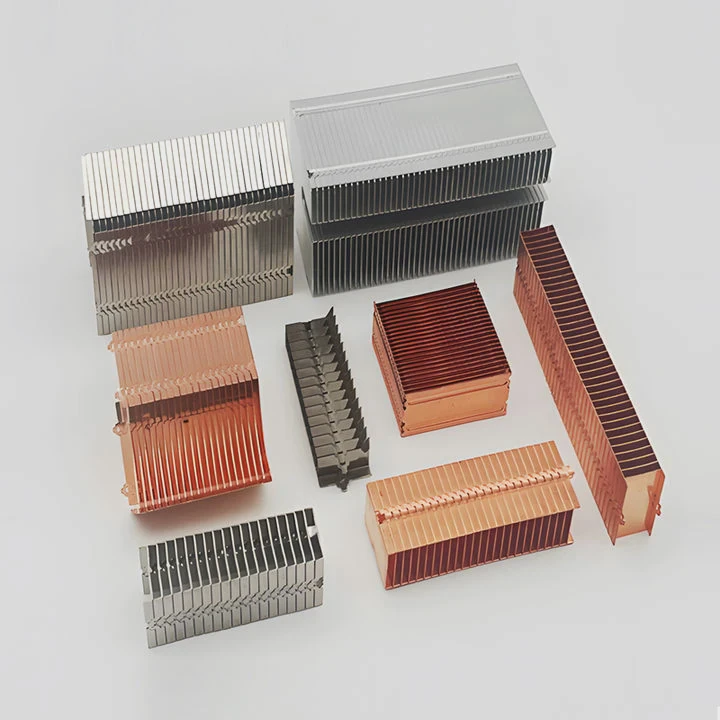
Sometimes, people avoid liquid cooling because they think it needs constant attention. That fear often stops them from using one of the most efficient cooling methods available.
Liquid cooling is not as high maintenance as many believe. With proper design, quality materials, and basic upkeep, it can operate reliably for years without major effort.
Many still wonder what exactly must be done to keep such a system healthy. Let’s explore what kind of maintenance is needed, why it matters, and how modern technology is changing everything.
What maintenance does it require?
It is easy to assume that liquid cooling systems are complex machines that always need checking. But in reality, most tasks are simple and infrequent.
The main maintenance tasks include checking coolant levels, inspecting for leaks, cleaning filters, and ensuring pump operation. These are quick checks done only a few times a year.
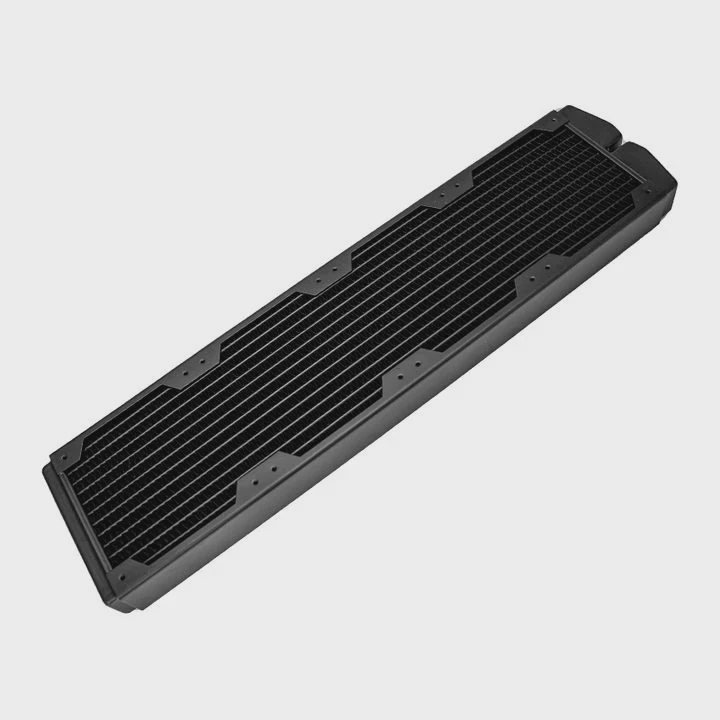
When I first used liquid cooling, I was surprised by how little work it required. Once the system is sealed properly, there is almost no evaporation, and leaks are rare. Regular inspections keep things under control.
Common maintenance tasks
| Task | Frequency | Purpose |
|---|---|---|
| Coolant check | Every 6–12 months | Ensure fluid level and color are stable |
| Leak inspection | Monthly visual check | Detect early signs of seal wear |
| Pump test | Every 6 months | Confirm normal flow and noise levels |
| Filter cleaning | As needed | Prevent blockages in microchannels |
In industrial applications like electric vehicles or high-performance computing, maintenance intervals are longer because systems are sealed and pressurized. That means the coolant stays clean, and air cannot enter the loop.
Coolant lifespan
Good coolants can last up to five years. Some use additives to prevent corrosion and bacterial growth. That means the coolant does not need to be replaced often. When I replace it, I usually flush the system, refill, and bleed out any air. It is simple and quick.
Regular checks are more about peace of mind than urgent tasks. Most modern systems have sensors that alert users before anything goes wrong.
Why is upkeep important?
Neglecting maintenance can turn small issues into costly problems. Even the best system fails if ignored.
Upkeep keeps performance consistent, prevents leaks, and extends component life. It ensures safe operation and avoids thermal damage.
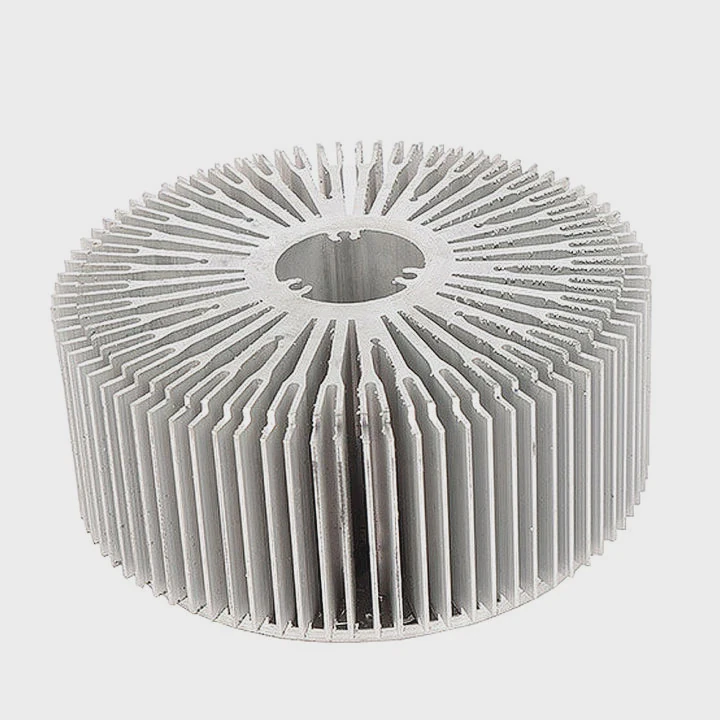
A leak might start as a small drip, but if unnoticed, it could damage electronics. Over time, air bubbles can reduce cooling efficiency and raise temperatures. This can shorten the life of the pump, tubing, and even the processor or battery pack being cooled.
The role of routine checks
Routine upkeep prevents these risks. Here is how each action supports system stability:
| Maintenance Area | Key Risk Prevented | Result |
|---|---|---|
| Leak inspection | Fluid damage to electronics | Safety and reliability |
| Coolant monitoring | Corrosion and clogging | Stable heat transfer |
| Pump testing | Flow failure | Consistent temperature control |
In my experience, one hour of maintenance every few months saves days of repair later. That trade-off is worth it for anyone using precision machinery, EV battery packs, or high-power computing servers.
The cost of neglect
Neglect does not only cause technical failure—it also increases operating costs. Overheated components consume more energy and fail sooner. Replacing them is far more expensive than routine checks. So upkeep is really about protecting investment and ensuring uptime.
How to simplify maintenance tasks?
The best maintenance strategy is to make it easy. Simplicity encourages regular care and reduces the chance of error.
You can simplify maintenance by using sealed systems, quick-connect fittings, modular designs, and smart monitoring sensors. These make checks faster and safer.
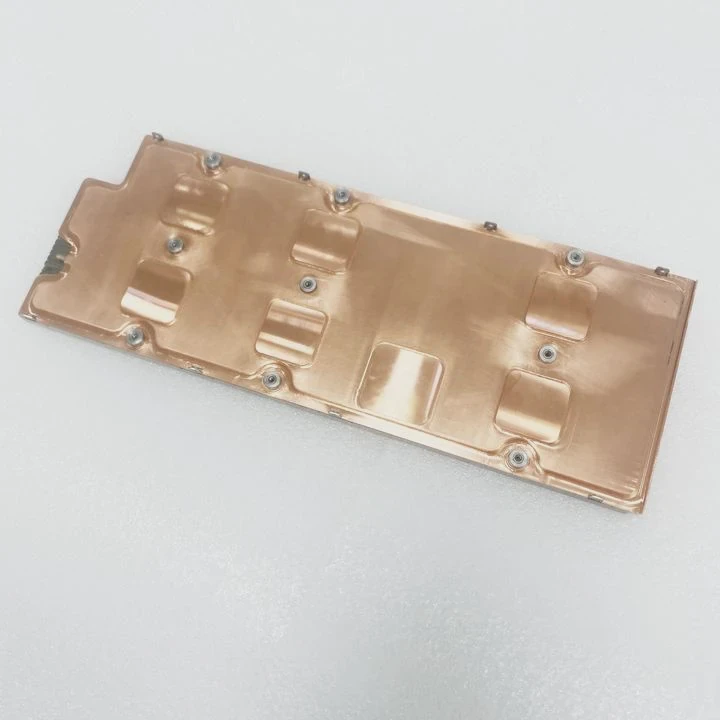
When I build a liquid cooling system, I always choose accessible layouts. Components that are easy to reach and disconnect make work faster. For example, quick-connect fittings let you detach sections without spilling coolant.
Smart design features
- Sealed loops: These are pre-filled and leak-tested. They need no topping up.
- Quick-connects: Allow tool-free detachment for service or replacement.
- Transparent reservoirs: Let you see coolant condition instantly.
- Inline filters: Capture particles before they cause clogs.
- Monitoring sensors: Track temperature, flow, and pressure in real time.
Using monitoring systems
Today’s systems often include IoT sensors that connect to a dashboard. They can send alerts if coolant temperature rises or if flow drops. This automation makes maintenance predictive instead of reactive.
Practical tips
- Schedule maintenance with reminders.
- Keep a simple logbook for temperature and coolant color.
- Replace parts like O-rings or tubing every few years even if they look fine.
These habits save hours later and make the system last much longer.
What are the advances in maintenance-free systems?
Technology is moving fast. Engineers are designing cooling systems that almost never need manual care.
Modern sealed, self-regulating systems with advanced materials and smart controls are close to being maintenance-free.
When I visited a research lab last year, I saw a prototype that ran for three years without a single service call. It used a special coolant that does not evaporate and a self-lubricating magnetic pump with no moving seals.
Innovations reducing maintenance
- Self-healing seals: Materials that expand when micro-leaks appear, sealing automatically.
- Non-evaporative coolants: Fluids that stay stable under high temperature and pressure.
- Corrosion-proof materials: Use of aluminum alloys, stainless steel, or ceramics.
- Smart diagnostics: Sensors predict component fatigue and schedule maintenance automatically.
- Modular cooling plates: Easy swap-out designs for quick field replacement.
Comparison: Old vs. New Systems
| Feature | Traditional Liquid Cooling | Maintenance-Free System |
|---|---|---|
| Coolant type | Water or glycol | Non-evaporative engineered fluid |
| Seal type | Rubber O-ring | Self-healing polymer seal |
| Pump type | Mechanical | Magnetic or piezoelectric |
| Service interval | 6–12 months | Up to 5 years |
| Monitoring | Manual | Smart sensor feedback |
These technologies are not just for aerospace or supercomputers anymore. They are coming to EVs, renewable energy systems, and even industrial automation. That means reliable cooling with little to no downtime.
The future outlook
As someone working in thermal systems, I see maintenance-free design as the next revolution. It combines efficiency with peace of mind. Instead of maintaining, users will simply monitor. Systems will adapt themselves, extending lifetime and reducing waste.
Conclusion
Liquid cooling is not truly high maintenance when designed and managed correctly. With smart layouts, quality materials, and new technology, maintenance becomes rare and simple. The next generation of cooling systems will make upkeep nearly obsolete.
TAGS
Latest Articles

Volume discount levels for heat sink orders?
Buyers often ask when heat sink prices start to drop with volume. Many worry they’re overpaying for small orders. This guide explains how B2B volume pricing works for thermal components. Heat sink
21 Dec,2025
Heat sink long-term supply contract options?
Many buyers want stable pricing and reliable delivery for heat sinks. But without a clear contract, risks grow over time. This article explores how to secure better long-term supply deals. Long-term
21 Dec,2025
Tooling cost for new heat sink profiles?
Many engineers struggle to understand why tooling for custom heat sinks costs so much. They worry about budgeting and production timelines. This article breaks down the cost drivers behind tooling.
21 Dec,2025
Heat sink custom sample process steps?
Sometimes, starting a custom heat sink project feels overwhelming—too many steps, too many unknowns, and too many risks. You want a sample, but not endless delays. The process for requesting and
20 Dec,2025
Standard B2B terms for heat sink payments?
When buyers and sellers in B2B heat sink markets talk about payment, many don’t fully understand what’s standard. This can lead to delayed orders, miscommunication, and even lost business
20 Dec,2025
Heat sink pricing factors for large orders?
Heat sinks are vital for many systems. When prices rise, projects stall and budgets break. This problem can hit teams hard without warning. Large order heat sink pricing depends on many factors. You
20 Dec,2025Related Articles
- How to use liquid cooling?
- How to change liquid cooling?
- Is liquid cooling better for CPU?
- Is liquid or air cooling better?
- Which is better, air cooling or liquid cooling?
- Is PC Liquid Cooling Worth It?
- How to know if liquid cooling is working?
- What happens to a liquid when it cools?
- How Does a Liquid-Cooled Computer Work?
- Is 120mm Liquid Cooling Enough?
- What is the difference between air cooling and liquid cooling?
- Is liquid cooling good?
Author
Dr. Emily Chen
Chief AI Researcher
Leading expert in thermal dynamics and AI optimization with over 15 years of experience in data center efficiency research.
Categories
Latest Products






Recommend Categories
- Liquid cooling plate Manufacturer
- Industrial Heat Sink Manufacturer
- Standard Heat Sink Manufacturer
- Aluminum Heat Sink Manufacturer
- Copper Heat Sink Manufacturer
- Anodized Heatsink Manufacturer
- Stamping heat sink Manufacturer
- Die Casting Heatsink Manufacturer
- Soldering heat sink Manufacturer
- CNC Parts Manufacturer
Latest Products
- Wholesale Aluminum Radiator
- Water Cooling Plate Kit
- Water Cooling Heat Sink
- Water Cooling Heat Sink Kit
- Stainless Steel Water Distributor
- Server Water Cooling Plate Kit
- Server Liquid Cooling System
- Server Aluminum Cooling Kit
- S19 Full Cover Cooling Plate
- S19 Cooling Plate Kit
- S19 Aluminum Cooling Plate
Contact Expert
Have questions about this article? Reach out to our experts directly.