Is Custom Liquid Cooling Worth It?
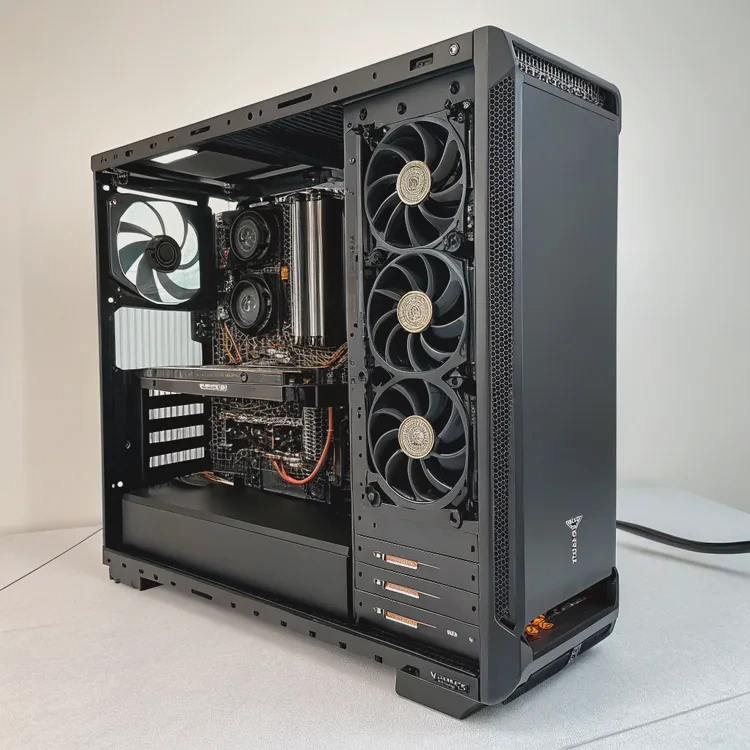
When you push your PC hard and the fans scream like jet engines, it’s a sign that heat is holding you back. Many enthusiasts turn to custom liquid cooling to fix this. But is it really worth the cost and effort?
Custom liquid cooling is worth it for users seeking maximum thermal efficiency, low noise, and visual customization, but it requires significant planning, maintenance, and cost.
Choosing to build a custom loop is not just a technical decision—it’s a lifestyle one. It changes how you think about your PC, from a machine into a craft project.
What Does Custom Liquid Cooling Involve?
To understand whether it’s worth it, you need to know what goes into it. Building a custom cooling loop is a hands-on process that involves choosing, connecting, and maintaining several components in harmony.
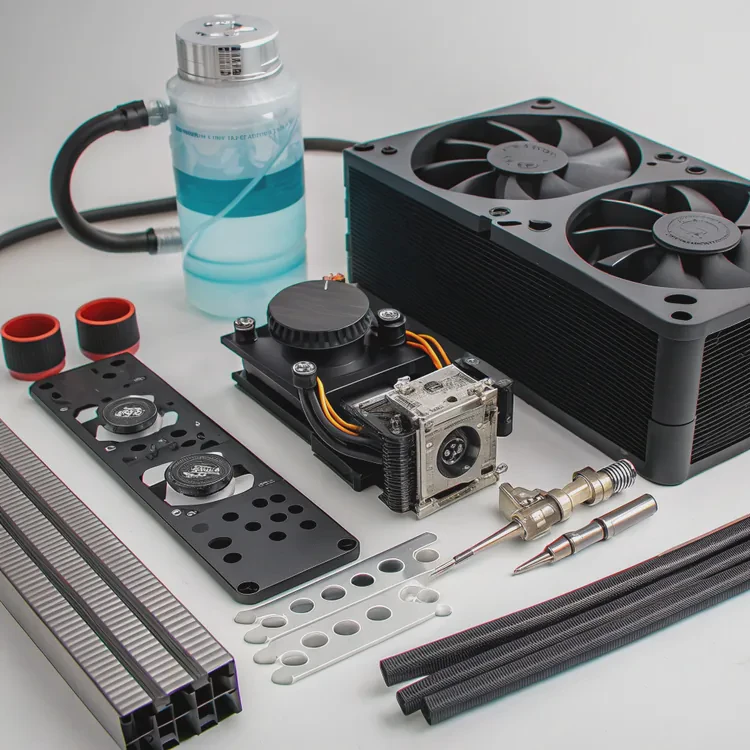
Custom liquid cooling involves assembling a complete water-cooling system from individual components like pumps, radiators, reservoirs, water blocks, tubing, and fittings.
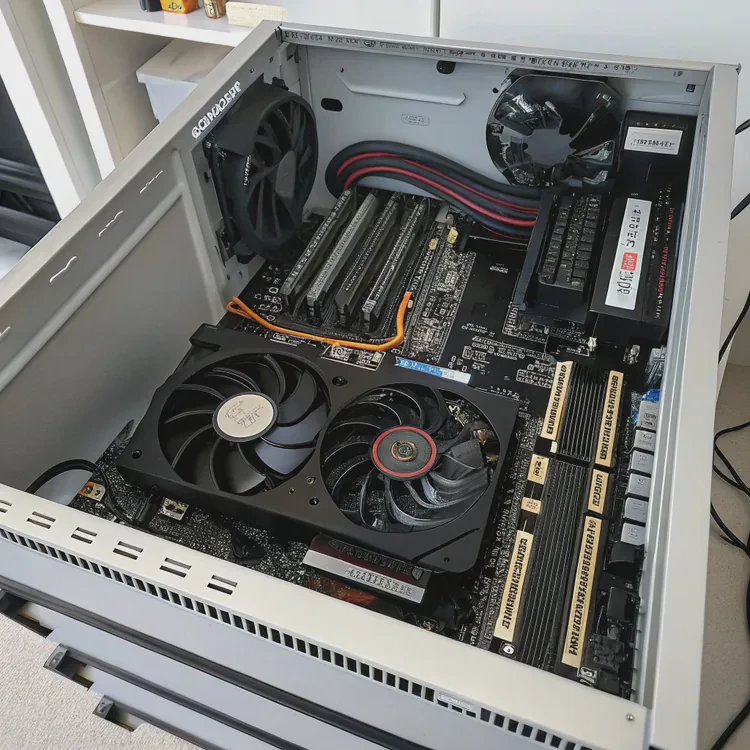
The Essential Components
Each part of the system has a specific role:
| Component | Function |
|---|---|
| Pump | Moves coolant through the loop |
| Reservoir | Stores coolant and removes air bubbles |
| Water Block | Transfers heat from CPU/GPU to coolant |
| Radiator | Releases heat from coolant into air |
| Fans | Push air across the radiator |
| Tubing & Fittings | Connects and seals all parts |
These elements must fit together like a puzzle. One weak link—like a low-quality fitting—can cause leaks or poor performance.
How It Works
The pump pushes coolant through water blocks attached to heat-generating parts, such as the CPU or GPU. As the coolant absorbs heat, it moves to the radiator, where fans blow air across metal fins to cool it down. The cooled liquid then flows back to the reservoir and repeats the cycle.
This continuous loop keeps hardware temperatures stable even under heavy workloads. With correct tuning, the system can stay nearly silent.
The Process of Building
When you build a custom loop, you start by sketching the flow direction and choosing the right fittings for your case. You’ll cut tubing, install the blocks, and connect everything carefully. After that, you fill the loop, bleed the air, and test for leaks. This process can take hours or even days.
While that may sound complicated, the result feels rewarding. You’ll gain technical skill and end up with a cooling system uniquely tailored to your build.
What Are the Pros and Cons of Custom Liquid Cooling?
Every advanced system comes with trade-offs. Custom loops can be impressive, but they are not ideal for everyone.
The main advantages of custom liquid cooling are superior heat control, quiet operation, and striking design. The main disadvantages are high cost, maintenance needs, and installation complexity.
Pros of Custom Liquid Cooling
1. Better Thermal Performance
Water has a much higher thermal capacity than air. That means it can absorb and move more heat away from components. In overclocked systems, this difference is huge. Lower temperatures mean better performance and longer component life.
2. Quieter Operation
With efficient heat transfer, you can use fewer fans or run them at lower speeds. Many users enjoy near-silent operation even during intense gaming or 3D rendering.
3. Visual Appeal
A custom loop can transform a standard PC into a display piece. RGB coolant, clear tubes, and metal fittings create an aesthetic you simply can’t get with air cooling.
4. Flexibility and Expansion
You can cool multiple parts—CPU, GPU, VRM, and even RAM—with the same loop. Adding new components later is possible without replacing the whole system.
Cons of Custom Liquid Cooling
1. High Cost
Custom parts are expensive. Between blocks, fittings, coolant, and tools, a loop can easily cost several hundred dollars more than an air or AIO system.
2. Maintenance Requirements
Coolant must be replaced regularly to avoid buildup. Radiators and blocks need cleaning every year. This means more ongoing effort than a standard cooling system.
3. Risk of Leaks
Even with care, leaks can happen. A single loose fitting or crack can cause damage if unnoticed. Testing and monitoring are critical.
4. Complex Setup
It’s not plug-and-play. Building a loop requires measuring, cutting, and planning. For beginners, it can be intimidating or time-consuming.
Summary Table
| Factor | Pros | Cons |
|---|---|---|
| Cooling Performance | Very high | Requires careful design |
| Noise | Low | Pump vibration if poorly mounted |
| Aesthetics | Excellent | Needs planning |
| Cost | Customizable | Expensive upfront |
| Maintenance | Learnable | Regular cleaning required |
How to Decide If Custom Water Cooling Suits Your PC?
If you’re not sure whether custom liquid cooling is right for you, think about your goals and usage patterns.
Custom water cooling suits PCs that need top performance, run hot workloads, or are part of a high-end showcase build. It’s less suitable for budget or low-maintenance systems.
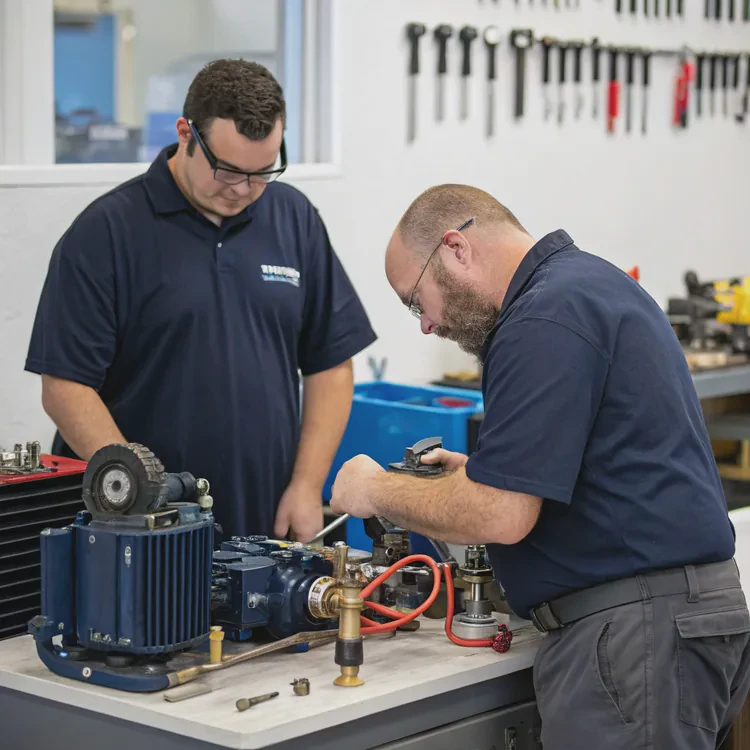
Step 1: Evaluate Your Performance Needs
If you’re gaming casually or just browsing, a good air cooler or AIO will be enough. But if you’re overclocking, 3D rendering, or running multiple GPUs, liquid cooling makes a real difference. It can lower temperatures by 10–20°C compared to air.
Step 2: Check Your Budget
Building a custom loop costs more than buying a prebuilt cooler. You’ll need to budget not only for components but also for tools and coolant refills. However, the investment pays off if you plan to keep your system long term.
Step 3: Assess Your Skill and Patience
Custom cooling requires patience, steady hands, and attention to detail. You’ll need to learn about fittings, pump pressure, and fluid dynamics. If you enjoy learning and building things yourself, you’ll find it fun. If not, it might feel like a burden.
Step 4: Consider Your Space
Not all PC cases support custom loops. You’ll need enough room for radiators, tubes, and a reservoir. Compact cases may require creative routing or smaller radiators.
Step 5: Think About Maintenance
Ask yourself how often you’re willing to clean and refill the loop. If you like hands-on upkeep, it’s no problem. But if you prefer a “set it and forget it” system, a high-end air cooler or AIO might be more practical.
My Experience
When I first built my custom loop, I was nervous. The first test leak worried me, but once I fixed it, the reward was immense. My system ran cooler, quieter, and smoother. More than that, it taught me patience and precision—skills that apply far beyond PCs.
What Future Improvements May Enhance Custom Cooling Systems?
Technology never stands still. Custom liquid cooling is already advanced, but new innovations are coming that could make it smarter, safer, and more efficient.
Future custom cooling systems may feature AI optimization, modular components, advanced coolants, and eco-friendly materials that simplify maintenance and improve performance.
1. AI-Powered Thermal Control
Artificial intelligence is entering PC cooling. Future controllers will monitor heat patterns and automatically adjust flow rates and fan speeds in real time. This reduces noise and energy waste without user input.
2. Modular and Tool-Free Designs
Manufacturers are developing quick-connect fittings that allow you to expand or swap parts without draining the loop. This modularity could make custom cooling as easy as assembling LEGO blocks.
3. Smart Coolants and Sensors
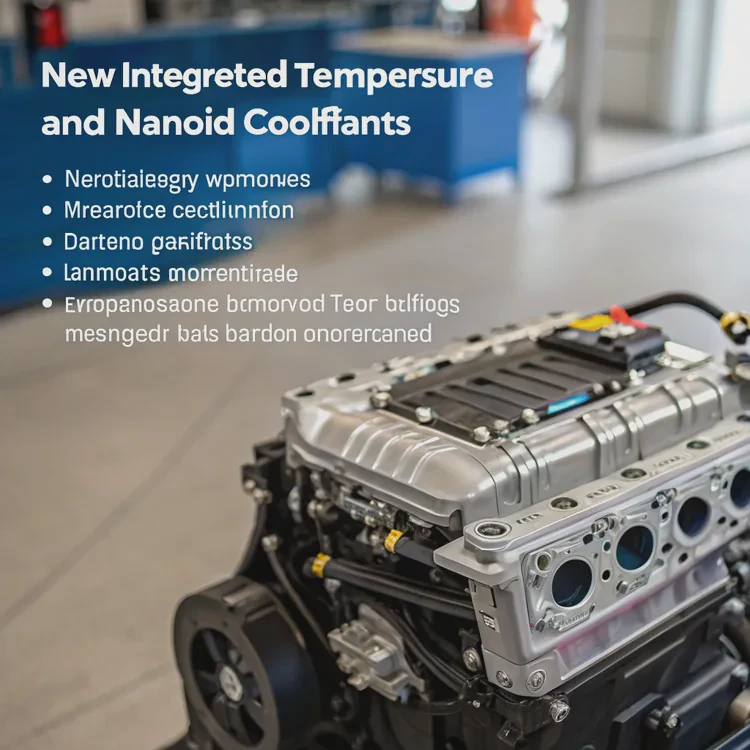
New nanofluid coolants with micro-particles improve thermal transfer by up to 30%. Integrated temperature and flow sensors inside blocks will provide live feedback through motherboard software or mobile apps.
4. Hybrid Cooling Systems
Next-generation systems may combine liquid and thermoelectric cooling to achieve temperatures below ambient. These “active coolers” could make extreme overclocking safer and more accessible.
5. Environmental Sustainability
The industry is shifting toward biodegradable and non-toxic coolants. Recyclable aluminum fittings and low-waste packaging will soon become standard. Cooling can be both powerful and eco-friendly.
6. Integration with Smart Ecosystems
Smart homes meet smart PCs. Custom loops could soon sync with voice assistants, automatically adjusting RGB and pump speed based on ambient temperature. Some prototypes already connect to Wi-Fi dashboards for full control from your phone.
7. 3D-Printed Customization
3D printing is allowing users to design personalized reservoirs, blocks, or pump mounts. These parts fit specific cases and add visual creativity while reducing production waste.
8. Predictive Maintenance Alerts
Using sensors and data logging, future systems may warn users before problems occur. They could detect reduced flow rate or high pressure early, helping avoid leaks or pump failures.
The Road Ahead
The future of custom liquid cooling will merge intelligence with simplicity. Systems will become easier to build yet smarter to manage. What once required deep technical skill might soon become accessible to anyone who loves performance and design.
Conclusion
Custom liquid cooling is not for everyone, but for enthusiasts who want the best thermal performance, silence, and style, it’s absolutely worth it. It takes time and care, but the reward is a system that reflects both power and personality. As technology evolves, the world of custom cooling will only get more exciting.
TAGS
Latest Articles

Volume discount levels for heat sink orders?
Buyers often ask when heat sink prices start to drop with volume. Many worry they’re overpaying for small orders. This guide explains how B2B volume pricing works for thermal components. Heat sink
21 Dec,2025
Heat sink long-term supply contract options?
Many buyers want stable pricing and reliable delivery for heat sinks. But without a clear contract, risks grow over time. This article explores how to secure better long-term supply deals. Long-term
21 Dec,2025
Tooling cost for new heat sink profiles?
Many engineers struggle to understand why tooling for custom heat sinks costs so much. They worry about budgeting and production timelines. This article breaks down the cost drivers behind tooling.
21 Dec,2025
Heat sink custom sample process steps?
Sometimes, starting a custom heat sink project feels overwhelming—too many steps, too many unknowns, and too many risks. You want a sample, but not endless delays. The process for requesting and
20 Dec,2025
Standard B2B terms for heat sink payments?
When buyers and sellers in B2B heat sink markets talk about payment, many don’t fully understand what’s standard. This can lead to delayed orders, miscommunication, and even lost business
20 Dec,2025
Heat sink pricing factors for large orders?
Heat sinks are vital for many systems. When prices rise, projects stall and budgets break. This problem can hit teams hard without warning. Large order heat sink pricing depends on many factors. You
20 Dec,2025Related Articles
- How to make a custom loop liquid cooler?
- How to make a custom liquid cooling system?
- How to do custom liquid cooling?
- How much does custom liquid cooling cost?
- What does a heat sink do for an SSD?
- Do I need a heat sink for my SSD?
- Is liquid cooling more efficient?
- Does the i7-13700K need liquid cooling?
- Is Interceptor 650 liquid cooled?
- Does liquid cooling improve performance?
- Which is better, liquid cooled or air cooled?
- How to change liquid in an AIO cooler?
Author
Dr. Emily Chen
Chief AI Researcher
Leading expert in thermal dynamics and AI optimization with over 15 years of experience in data center efficiency research.
Categories
Latest Products






Recommend Categories
- Liquid cooling plate Manufacturer
- Industrial Heat Sink Manufacturer
- Standard Heat Sink Manufacturer
- Aluminum Heat Sink Manufacturer
- Copper Heat Sink Manufacturer
- Anodized Heatsink Manufacturer
- Stamping heat sink Manufacturer
- Die Casting Heatsink Manufacturer
- Soldering heat sink Manufacturer
- CNC Parts Manufacturer
Latest Products
- Wholesale Aluminum Radiator
- Water Cooling Plate Kit
- Water Cooling Heat Sink
- Water Cooling Heat Sink Kit
- Stainless Steel Water Distributor
- Server Water Cooling Plate Kit
- Server Liquid Cooling System
- Server Aluminum Cooling Kit
- S19 Full Cover Cooling Plate
- S19 Cooling Plate Kit
- S19 Aluminum Cooling Plate
Contact Expert
Have questions about this article? Reach out to our experts directly.