Is Interceptor 650 liquid cooled?
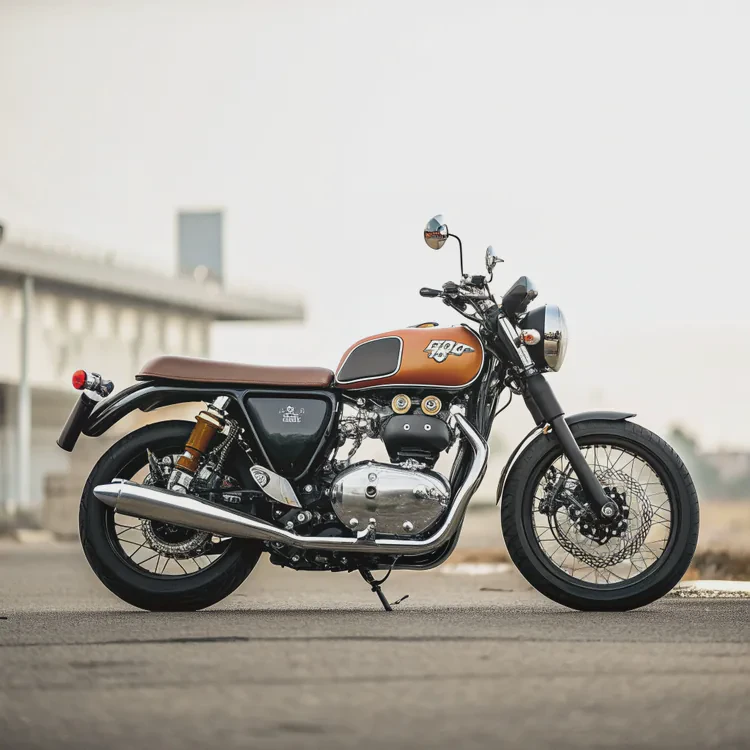
The Royal Enfield Interceptor 650 is one of the most loved modern classics. But many riders still ask, is it liquid cooled?
No, the Interceptor 650 is not liquid cooled. It uses an air and oil cooling system that relies on natural airflow and an oil circuit to control engine heat.
While some riders expect modern motorcycles to have full liquid cooling, the Interceptor 650 takes a more traditional yet efficient approach. Let’s explore why that matters, how it works, and what it means for performance and maintenance.
What type of cooling system does the Interceptor 650 use?
The Interceptor 650 may look vintage, but its cooling system is surprisingly modern in design. Riders often wonder how it balances classic style with reliable performance.
The Interceptor 650 uses an air-and-oil cooling system. Airflow cools the fins on the engine, while an oil cooler helps stabilize temperature during long rides.
Understanding Air-and-Oil Cooling
Unlike liquid cooling, which uses a radiator and coolant, the Interceptor 650’s setup is simpler. The aluminum fins on the cylinders dissipate heat directly into the air. At the same time, engine oil circulates through a small external oil cooler in front of the engine. This oil not only lubricates moving parts but also removes excess heat from the engine’s internals.
Here’s a simple comparison:
| Cooling Type | System Components | Maintenance Need | Efficiency | Typical Use Case |
|---|---|---|---|---|
| Air & Oil Cooling | Fins, Oil Pump, Oil Cooler | Low | Moderate | Retro/Classic bikes |
| Liquid Cooling | Radiator, Coolant, Pump, Thermostat | Medium to High | High | Sports/Performance bikes |
This hybrid system gives the Interceptor 650 its unique character — less complex than full liquid cooling, yet more stable than simple air cooling alone. It fits perfectly with its relaxed riding style and reliable long-distance performance.
Why does cooling type matter for motorcycle performance?
Riders often overlook cooling systems when buying a bike, but cooling plays a huge role in power, comfort, and engine life.
Cooling affects how stable an engine runs, how much power it delivers, and how long it lasts before needing service.
How Cooling Affects Performance
Every engine generates heat from combustion. If the heat is not removed efficiently, metal parts can expand, friction increases, and performance drops. Cooling systems manage this balance. A well-cooled engine performs smoothly, keeps consistent power, and avoids overheating during traffic or long rides.
Here’s how cooling impacts key performance areas:
| Factor | Air & Oil Cooling | Liquid Cooling |
|---|---|---|
| Engine Temperature Stability | Moderate | Excellent |
| Performance Consistency | Good | Very High |
| Weight | Lighter | Heavier |
| Complexity | Simple | Complex |
| Cost | Lower | Higher |
For a mid-powered bike like the Interceptor 650, air-and-oil cooling strikes the right balance. It’s simple, effective, and easy to maintain. Liquid cooling is great for high-rev sports bikes, but for classic roadsters, the simplicity and sound of air cooling are part of the charm.
How to maintain the cooling system of Interceptor 650?
Many riders forget that even an air-and-oil cooled bike needs care. Proper maintenance ensures your Interceptor 650 runs efficiently in all weather conditions.
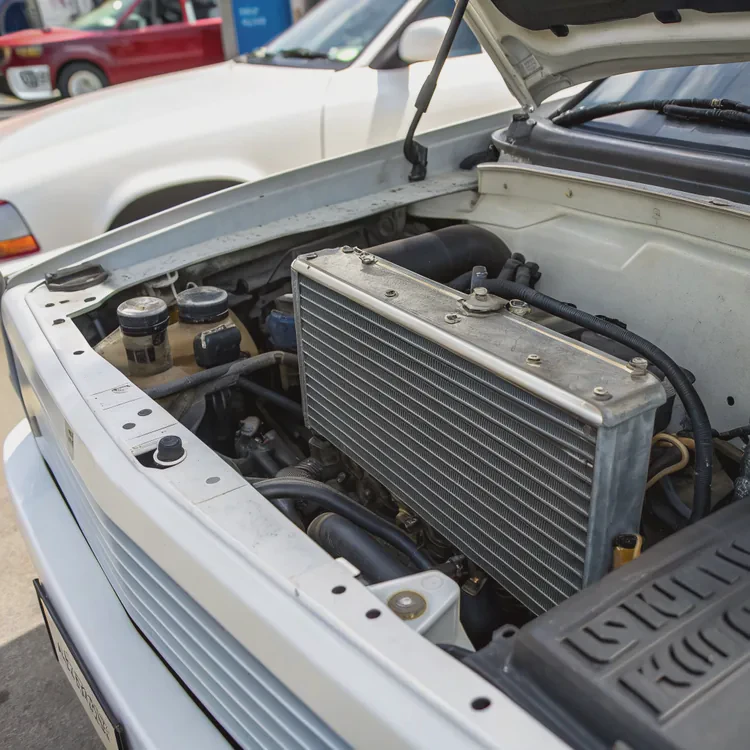
To maintain the Interceptor 650’s cooling system, keep the oil level correct, clean the oil cooler, and inspect for leaks or blocked airflow.
Practical Maintenance Steps
Check engine oil regularly.
The oil not only lubricates but also removes heat. Keep it at the correct level and change it as per the service schedule.Clean the oil cooler fins.
Dust, insects, and mud can block airflow. Gently wash the cooler and fins to keep airflow free.Inspect oil lines and fittings.
Ensure there are no leaks or cracks in the oil lines leading to the cooler.Avoid long idling in hot weather.
Air cooling depends on movement. If stuck in heavy traffic, shut off the engine when safe to avoid unnecessary heat buildup.Use recommended engine oil.
Follow the viscosity grade mentioned in the owner’s manual, as oil quality directly affects cooling performance.
These small habits help keep the cooling system healthy and extend the life of your engine. It’s not just about keeping it clean; it’s about keeping it efficient.
What new cooling technologies are coming to motorcycles?
As engines become more powerful and emission standards stricter, cooling technology is evolving quickly. The next generation of bikes will feature smarter systems.
New motorcycles are adopting hybrid cooling, liquid-electric pumps, and smart temperature sensors for better performance and efficiency.
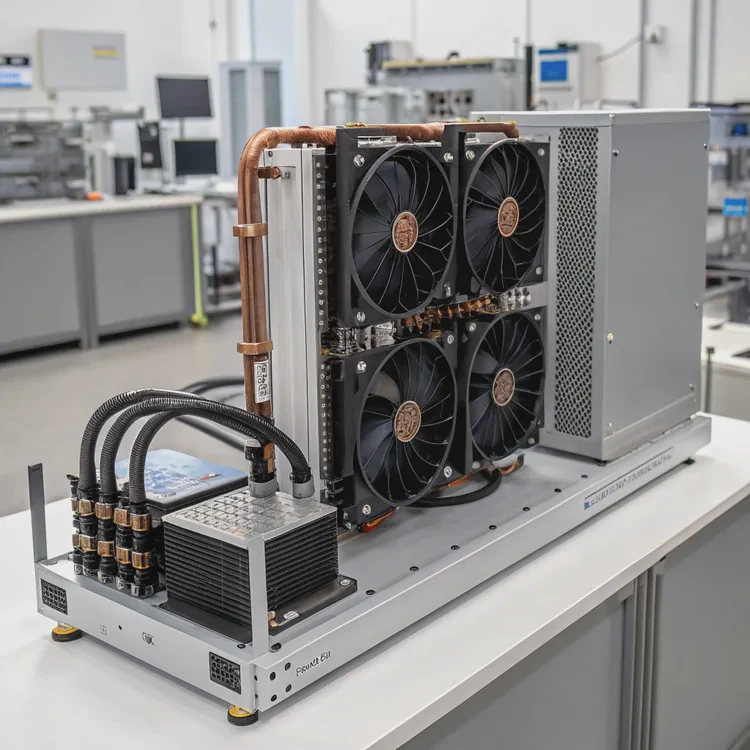
Future Cooling Trends
Here are some exciting developments that are shaping the future of motorcycle cooling:
Hybrid Cooling Systems:
Some manufacturers now combine liquid cooling with oil circuits and active fans, achieving precise temperature control across conditions.Electric Water Pumps:
Instead of belt-driven pumps, electric versions use sensors to control coolant flow based on temperature and load, saving energy.Smart Thermal Management:
Advanced bikes already use ECUs that adjust fuel and ignition timing based on temperature data, improving performance and emissions.Integrated Frame Cooling:
Engineers are experimenting with using the motorcycle frame as a heat sink, allowing compact design and improved cooling area.Phase-Change Materials (PCM):
A few prototypes use materials that absorb heat during heavy use and release it slowly when the engine cools, similar to how thermal batteries work.
These innovations show how the motorcycle industry is moving toward intelligent, lightweight, and more efficient designs. Even classic-style bikes like the Interceptor 650 may one day adopt a discreet hybrid system to meet new standards without losing their iconic charm.
Conclusion
The Royal Enfield Interceptor 650 is not liquid cooled; it uses an air-and-oil cooling system that balances simplicity and reliability. Proper care of this system ensures smooth, long-lasting performance and keeps the spirit of classic motorcycling alive.
TAGS
Latest Articles

Volume discount levels for heat sink orders?
Buyers often ask when heat sink prices start to drop with volume. Many worry they’re overpaying for small orders. This guide explains how B2B volume pricing works for thermal components. Heat sink
21 Dec,2025
Heat sink long-term supply contract options?
Many buyers want stable pricing and reliable delivery for heat sinks. But without a clear contract, risks grow over time. This article explores how to secure better long-term supply deals. Long-term
21 Dec,2025
Tooling cost for new heat sink profiles?
Many engineers struggle to understand why tooling for custom heat sinks costs so much. They worry about budgeting and production timelines. This article breaks down the cost drivers behind tooling.
21 Dec,2025
Heat sink custom sample process steps?
Sometimes, starting a custom heat sink project feels overwhelming—too many steps, too many unknowns, and too many risks. You want a sample, but not endless delays. The process for requesting and
20 Dec,2025
Standard B2B terms for heat sink payments?
When buyers and sellers in B2B heat sink markets talk about payment, many don’t fully understand what’s standard. This can lead to delayed orders, miscommunication, and even lost business
20 Dec,2025
Heat sink pricing factors for large orders?
Heat sinks are vital for many systems. When prices rise, projects stall and budgets break. This problem can hit teams hard without warning. Large order heat sink pricing depends on many factors. You
20 Dec,2025Related Articles
- Does the i7-13700K need liquid cooling?
- Is liquid cooling more efficient?
- Is Custom Liquid Cooling Worth It?
- How to make a custom loop liquid cooler?
- How to make a custom liquid cooling system?
- How to do custom liquid cooling?
- Does liquid cooling improve performance?
- Which is better, liquid cooled or air cooled?
- How to change liquid in an AIO cooler?
- Does the i9-9900K need liquid cooling?
- Why does evaporation cool a liquid?
- Does the Ryzen 5 5600X need liquid cooling?
Author
Dr. Emily Chen
Chief AI Researcher
Leading expert in thermal dynamics and AI optimization with over 15 years of experience in data center efficiency research.
Categories
Latest Products






Recommend Categories
- Liquid cooling plate Manufacturer
- Industrial Heat Sink Manufacturer
- Standard Heat Sink Manufacturer
- Aluminum Heat Sink Manufacturer
- Copper Heat Sink Manufacturer
- Anodized Heatsink Manufacturer
- Stamping heat sink Manufacturer
- Die Casting Heatsink Manufacturer
- Soldering heat sink Manufacturer
- CNC Parts Manufacturer
Latest Products
- Wholesale Aluminum Radiator
- Water Cooling Plate Kit
- Water Cooling Heat Sink
- Water Cooling Heat Sink Kit
- Stainless Steel Water Distributor
- Server Water Cooling Plate Kit
- Server Liquid Cooling System
- Server Aluminum Cooling Kit
- S19 Full Cover Cooling Plate
- S19 Cooling Plate Kit
- S19 Aluminum Cooling Plate
Contact Expert
Have questions about this article? Reach out to our experts directly.