Vapor Chamber support for AI chips?
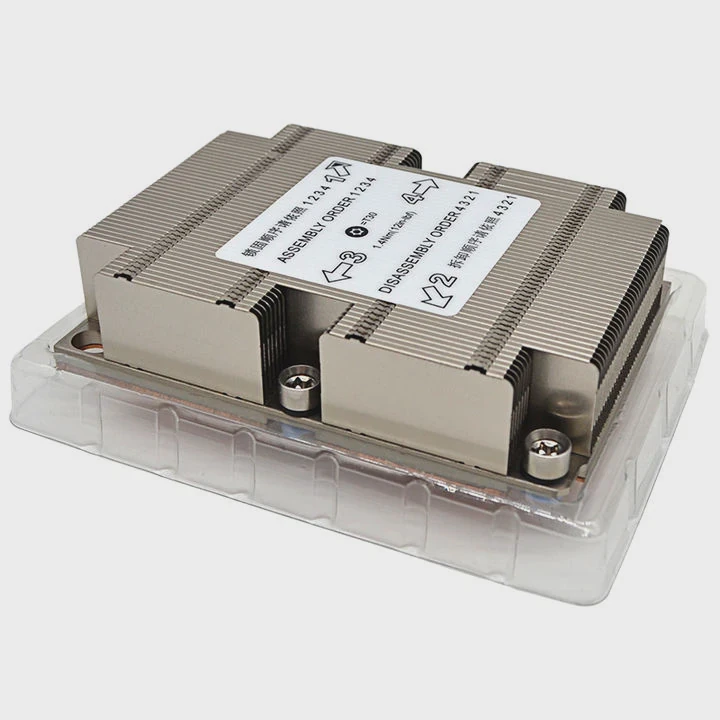
AI chips push thermal limits as they run large models and process huge data sets. Their heat output is intense and focused. Vapor chambers offer a way to handle that heat without complex setups.
Yes — Vapor chambers help AI chips stay cooler, spread heat better, and maintain stable performance during heavy AI tasks.
AI systems need reliable, quiet, and dense thermal solutions. Vapor chambers fit well into these needs. Below we explore how they interact with AI chips, accelerators, and system designs.
Do AI chips benefit from Vapor Chamber cooling?
AI chips generate a high amount of heat in a small area. They run for hours on end with little break. That puts stress on thermal systems. Vapor chambers help ease that stress.
AI chips benefit because vapor chambers manage heat hot spots better, reduce thermal throttling, and support stable TFLOPs during long workloads.
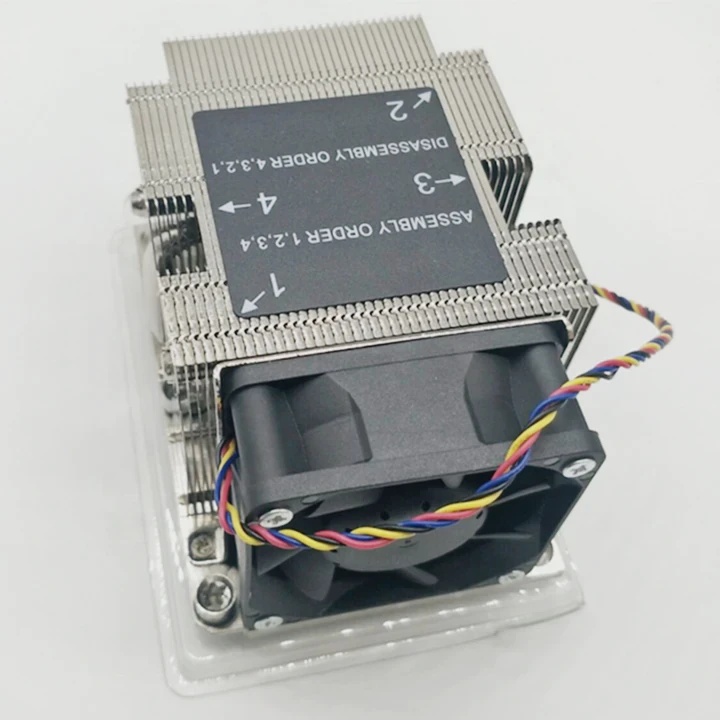
AI processors — like GPUs, TPUs, or dedicated NPUs — are designed for non-stop parallel computation. They often operate at power levels over 300W or even 500W in data center environments. This produces highly localized heat zones that standard copper spreaders can’t manage efficiently.
Vapor chambers solve this by moving heat faster than solid metals. They convert liquid to vapor at hot spots, push that vapor to cooler areas, and then return the condensed liquid via internal wick structures. This phase-change method has a thermal conductivity that’s effectively much higher than copper or aluminum.
This rapid heat movement stops hot spots from forming. It also flattens the surface temperature across the entire chip package. That means any heatsink or liquid cold plate on top works more efficiently.
Without a vapor chamber, one part of the chip may hit thermal limits and throttle performance, while others stay cooler. With a vapor chamber, the heat is balanced, keeping the chip working at peak TFLOPs longer.
AI inference and training workloads often run for hours or days. Consistent thermal performance means consistent speed and fewer thermal crashes. Over time, this improves system uptime, reduces errors, and helps meet compute goals.
AI chips also benefit from quieter cooling when vapor chambers are used. Because heat is more evenly spread, fans or pumps can run at lower speeds. This reduces acoustic load and lowers power draw.
In mobile AI systems or edge deployments — where power and space are limited — vapor chambers offer a passive method to keep chips cool. That reduces the need for bulky fans or complex liquid loops.
In summary, vapor chamber cooling improves AI chip performance, reduces risks, and enables more compact, stable hardware builds.
Are AI accelerators using custom chamber designs?
As AI accelerators evolve, they come in varied shapes, die layouts, and thermal needs. Standard vapor chambers don’t always fit. Custom solutions are now more common.
Yes — many AI accelerator modules use custom-shaped vapor chambers that match their die layout and thermal zones.
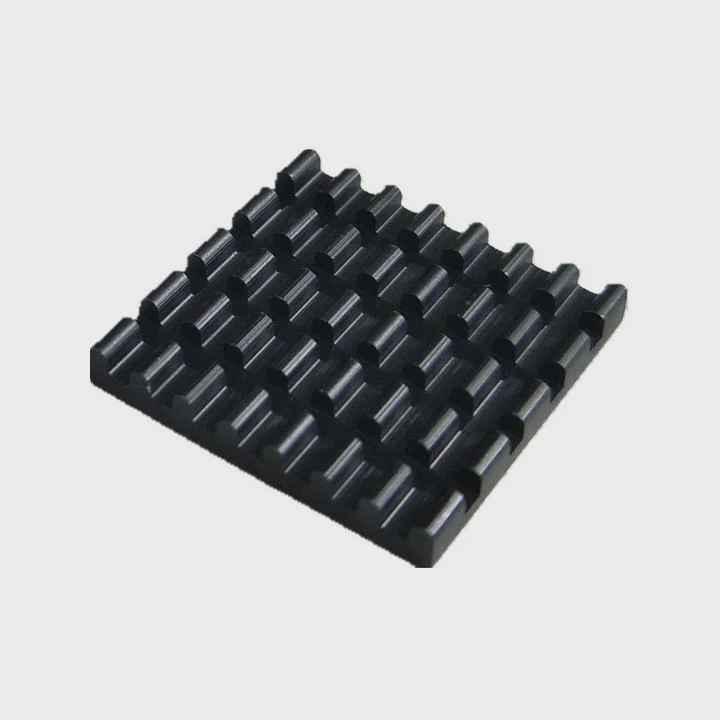
Modern AI accelerators are not like traditional CPUs. Many use chiplets, stacked dies, or multi-package designs. That means the heat sources are not all in one spot. A flat metal spreader or generic vapor chamber may not match the real thermal needs.
To solve this, engineers work with vapor chamber suppliers to design chambers with special shapes, zones, or even internal partitions. These custom designs target the hottest parts of the die while also spreading heat across the full package.
Here’s how these custom designs often differ:
Design Features of Custom AI Vapor Chambers
| Feature | Purpose |
|---|---|
| Multi-zone heat cores | Match multiple die locations |
| Variable wick density | Improve heat flow in hot zones |
| Complex outer shapes | Fit unique module or board layouts |
| Tilted gravity-friendly paths | Help fluid return in vertical racks |
| High flatness standards | Ensure perfect contact with die or cold plate |
In high-performance AI cards like NVIDIA H100 or AMD MI300, the package has several dielets spread over a large base. The vapor chamber must match that layout or else some chips will overheat.
Custom vapor chambers also allow better integration with heatsinks, fans, or liquid cooling blocks. The chamber can have mounting features, guide pins, or even thermal isolation zones to prevent cross-heating between dies.
In large rack-mounted AI accelerators, thermal engineers often simulate the entire heat flow from die to data center airflow. Vapor chamber design is part of that. A standard product can’t always deliver the precision they need.
For edge AI modules or AI cameras, space is tight. A flat, thin, custom-shaped vapor chamber can wrap around other components or double as a structural element.
AI workloads are also time-sensitive. Inference speed and training throughput matter. Custom chambers reduce the time chips spend throttling or warming up. This adds real value.
Overall, AI accelerators demand vapor chambers that are made to fit — not off-the-shelf pieces. That trend is growing with every new generation of AI hardware.
Can passive chambers support high TFLOP loads?
AI compute chips are pushing TFLOPs higher with every generation. That also means more heat. Can passive chambers keep up?
Yes — passive vapor chambers can support high TFLOP loads when paired with good airflow or liquid cooling. They handle over 500W heat loads in some cases.
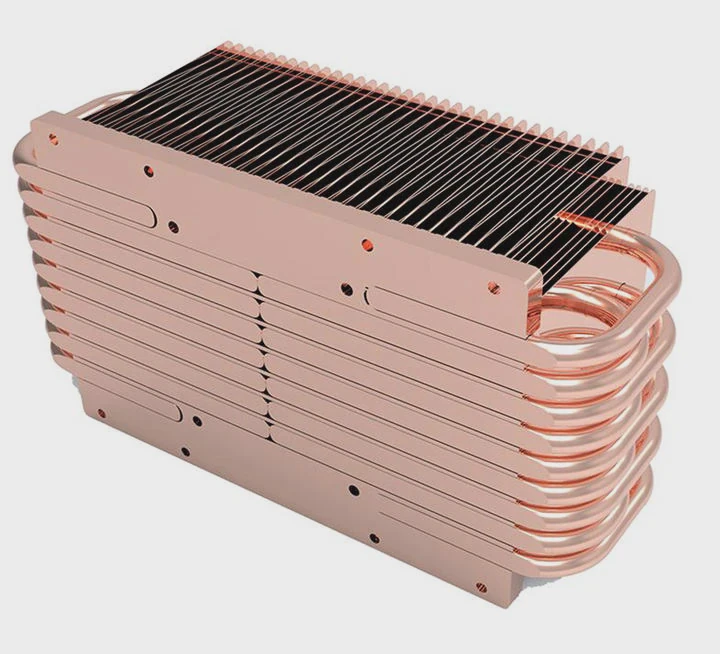
A key feature of vapor chambers is that they work without power. Their heat movement depends on phase change and capillary action. No pump or motor needed. This passive function makes them ideal for dense AI compute platforms.
But how much heat can they actually carry?
It depends on size, wick design, chamber thickness, and orientation. A well-designed chamber of 80 x 80 mm can handle over 300W when paired with good airflow. Larger chambers or those bonded to cold plates can manage 500W or more.
Here’s a general guide:
Heat Load Capacity by Chamber Size
| Chamber Size (mm) | Max Heat Load (W) | Application Example |
|---|---|---|
| 40 x 40 | 100–150 | Edge AI SoCs |
| 60 x 60 | 200–300 | Mid-power AI accelerators |
| 80 x 80 | 300–450 | Server-grade AI cards |
| 100 x 100 | 500+ | HPC, multi-die AI modules |
The chamber alone doesn’t dump heat. It spreads it. For passive cooling to work, the heat must still exit through fins, radiators, or cold plates. That means airflow or coolant flow is still required.
In high TFLOP environments — like data center AI clusters — vapor chambers are usually part of hybrid cooling. The chamber spreads the heat, and a liquid plate or airflow fin removes it.
In fanless systems, vapor chambers can still support brief bursts of AI load or inference. Over time, the heat builds up, so duty cycle or thermal mass must be considered.
Passive chambers reduce the need for many fans or aggressive pumping. That saves power, noise, and vibration. It also means fewer parts that can fail.
The trick is good integration. The layout of the chamber, the direction of airflow, and the mounting method all matter. With careful design, passive chambers can cool systems running over 20 or even 30 TFLOPs.
They’re not just for light loads. With the right setup, they power through heavy compute just fine.
Is AI hardware optimized for Vapor Chamber layout?
Thermal hardware and AI silicon design are starting to work closer together. Layout matters. Vapor chambers work best when the chip layout allows efficient heat transfer.
Some AI hardware is now being co-designed with vapor chamber integration in mind, especially in high-density and mobile systems.
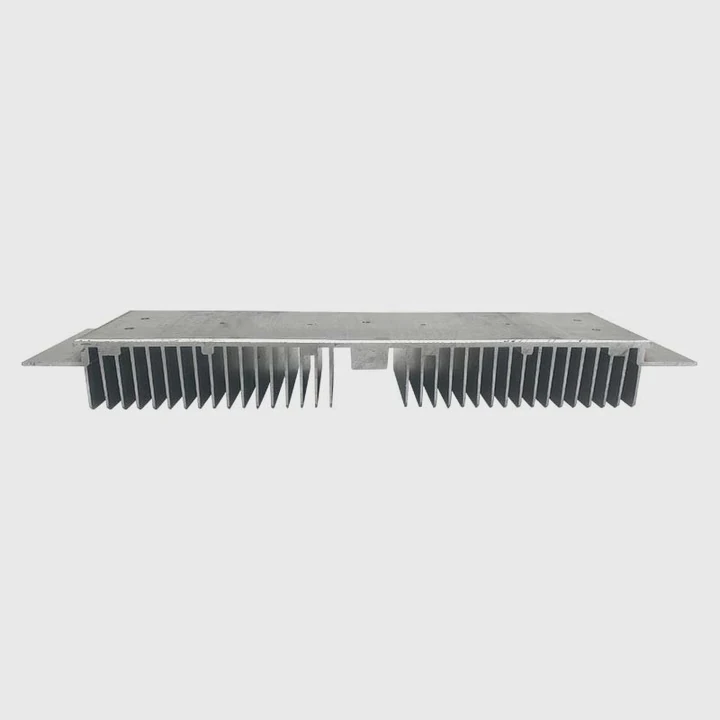
In the past, chips and thermal solutions were designed separately. Today, for AI hardware, that’s changing. Thermal engineers now get involved early. Why? Because die location, package size, and even board layout affect how heat spreads.
Let’s look at how AI hardware changes to match vapor chamber needs:
How AI Hardware Adapts to Vapor Chambers
| Feature | Why It Helps |
|---|---|
| Centralized hot zones | Focus heat transfer in one area |
| Flat chip packaging | Improve surface contact |
| Lower component height | Allow wider chamber contact |
| Top-mounted power delivery | Clear space for chamber under PCB |
| Standardized module sizes | Enable uniform cooling base design |
For instance, many AI chips now use flat packages with high flatness specs. That helps vapor chambers bond tightly, improving efficiency.
Some accelerators place all hot chiplets in one cluster. That creates a core hot zone that a vapor chamber can easily match.
In mobile AI hardware — like robot brains or edge inference boards — the chamber may double as a structural part. That demands both layout planning and mechanical design support.
In data center boards, the module layout often reserves a large, flat mounting base for a chamber plus cold plate. The board around it is cleared of tall components.
AI OEMs now request chamber-ready packages from chip vendors. They specify surface flatness, pressure zones, and thermal load maps early. That allows smoother integration.
Future hardware may even include direct vapor paths in the silicon substrate. That’s experimental for now, but it shows how closely hardware and thermal tech are linked.
As AI grows more powerful, hardware and cooling must move in sync. Vapor chambers are part of that joint evolution.
Conclusion
Vapor chambers support AI chips by keeping them cool, stable, and fast. Custom designs match chip layouts. Passive operation handles huge loads quietly. More AI hardware now fits chamber cooling by design. It’s a solid match for modern AI demands.
TAGS
Latest Articles

Volume discount levels for heat sink orders?
Buyers often ask when heat sink prices start to drop with volume. Many worry they’re overpaying for small orders. This guide explains how B2B volume pricing works for thermal components. Heat sink
21 Dec,2025
Heat sink long-term supply contract options?
Many buyers want stable pricing and reliable delivery for heat sinks. But without a clear contract, risks grow over time. This article explores how to secure better long-term supply deals. Long-term
21 Dec,2025
Tooling cost for new heat sink profiles?
Many engineers struggle to understand why tooling for custom heat sinks costs so much. They worry about budgeting and production timelines. This article breaks down the cost drivers behind tooling.
21 Dec,2025
Heat sink custom sample process steps?
Sometimes, starting a custom heat sink project feels overwhelming—too many steps, too many unknowns, and too many risks. You want a sample, but not endless delays. The process for requesting and
20 Dec,2025
Standard B2B terms for heat sink payments?
When buyers and sellers in B2B heat sink markets talk about payment, many don’t fully understand what’s standard. This can lead to delayed orders, miscommunication, and even lost business
20 Dec,2025
Heat sink pricing factors for large orders?
Heat sinks are vital for many systems. When prices rise, projects stall and budgets break. This problem can hit teams hard without warning. Large order heat sink pricing depends on many factors. You
20 Dec,2025Related Articles
- How thin can Vapor Chamber be?
- How to assemble Vapor Chamber prototypes?
- Vapor Chamber heat spreading efficiency?
- Vapor Chamber ducting requirements?
- New techniques for Vapor Chamber processing?
- Vapor Chamber used in military-grade devices?
- Vapor Chamber impact on GPU performance?
- Best joining method for Vapor Chamber?
- Vapor Chamber lifecycle assessment data?
- Environmental impact of Vapor Chamber disposal?
- Vapor Chamber use in hydrogen energy systems?
- How to choose Vapor Chamber thickness?
Author
Dr. Emily Chen
Chief AI Researcher
Leading expert in thermal dynamics and AI optimization with over 15 years of experience in data center efficiency research.
Categories
Latest Products






Recommend Categories
- Liquid cooling plate Manufacturer
- Industrial Heat Sink Manufacturer
- Standard Heat Sink Manufacturer
- Aluminum Heat Sink Manufacturer
- Copper Heat Sink Manufacturer
- Anodized Heatsink Manufacturer
- Stamping heat sink Manufacturer
- Die Casting Heatsink Manufacturer
- Soldering heat sink Manufacturer
- CNC Parts Manufacturer
Latest Products
- Wholesale Aluminum Radiator
- Water Cooling Plate Kit
- Water Cooling Heat Sink
- Water Cooling Heat Sink Kit
- Stainless Steel Water Distributor
- Server Water Cooling Plate Kit
- Server Liquid Cooling System
- Server Aluminum Cooling Kit
- S19 Full Cover Cooling Plate
- S19 Cooling Plate Kit
- S19 Aluminum Cooling Plate
Contact Expert
Have questions about this article? Reach out to our experts directly.