Vapor Chamber impact on GPU performance?
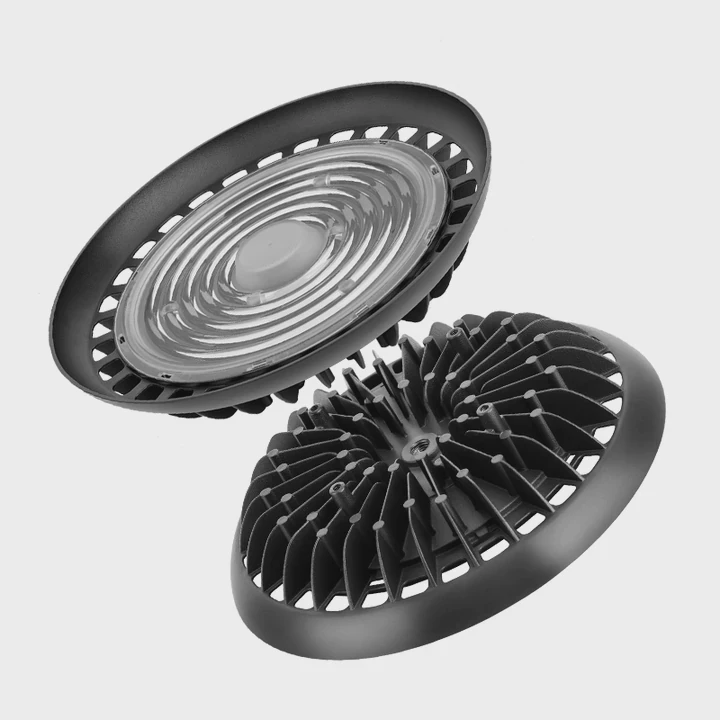
GPUs heat up fast. When cooling fails, performance drops. Overheating kills frame rates and stability. Vapor chambers claim better thermal control — but do they really improve GPU speed?
Yes. Vapor chamber cooling can improve GPU performance by keeping temperatures low, reducing thermal throttling, and maintaining stable power delivery during intense tasks.
Learn how this technology affects real-world GPU results and why it matters in gaming and workstation cards.
Does Vapor Chamber cooling enhance GPU performance?
High GPU temps can crush performance. Even top chips drop speeds to protect themselves. Better cooling avoids this.
Vapor chamber cooling improves GPU performance by spreading heat evenly, keeping hotspots cool, and enabling consistent boost speeds.
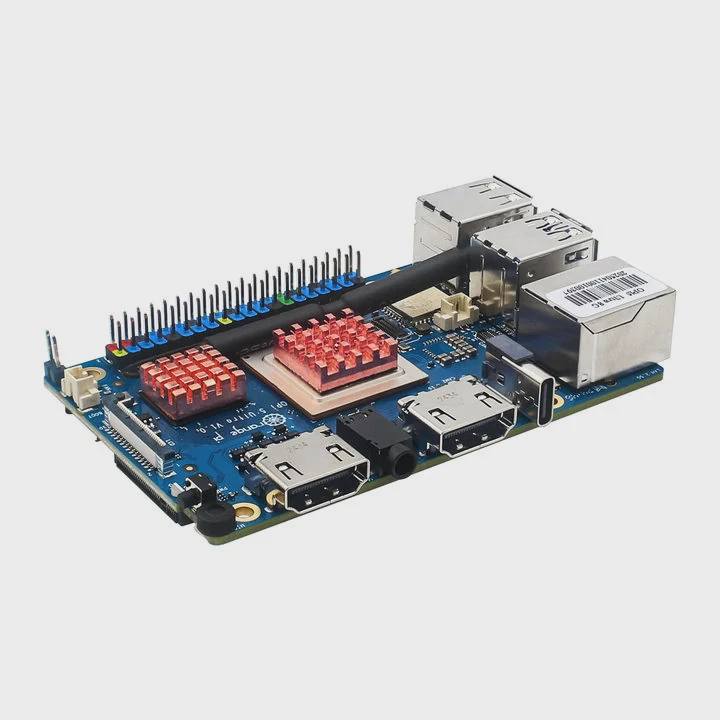
A vapor chamber works like a heat pipe but in a flat plate. It contains a small amount of liquid and a wick structure. When the GPU heats up, the liquid evaporates and spreads heat across the chamber. The vapor then condenses back into liquid in cooler areas, and the cycle repeats. This rapid movement moves heat away from the GPU core fast and evenly.
On a GPU, temperature is not only about average heat. Hotspots can trigger throttling even when average temps look fine. Traditional cooling might let some areas overheat while others stay cool. Vapor chambers reduce this problem. They level out the heat map, which keeps sensors under critical thresholds longer. That gives the GPU headroom to boost clocks higher and for longer.
Many GPU vendors report that vapor chambers lower temperatures by 5°C to 10°C compared to standard heat pipe or plate designs. Even small temperature drops matter. Modern GPUs like NVIDIA RTX or AMD RX models dynamically adjust clock speeds based on thermal headroom. Cooler temps mean longer time at higher performance levels.
What performance gains are seen in real tests?
Benchmarks matter. Real gains, not marketing. What happens when vapor chambers go head to head with other cooling?
Tests show vapor chamber-cooled GPUs can sustain higher clock speeds, with 2–5% better performance in heavy loads compared to similar cards with heat pipes.
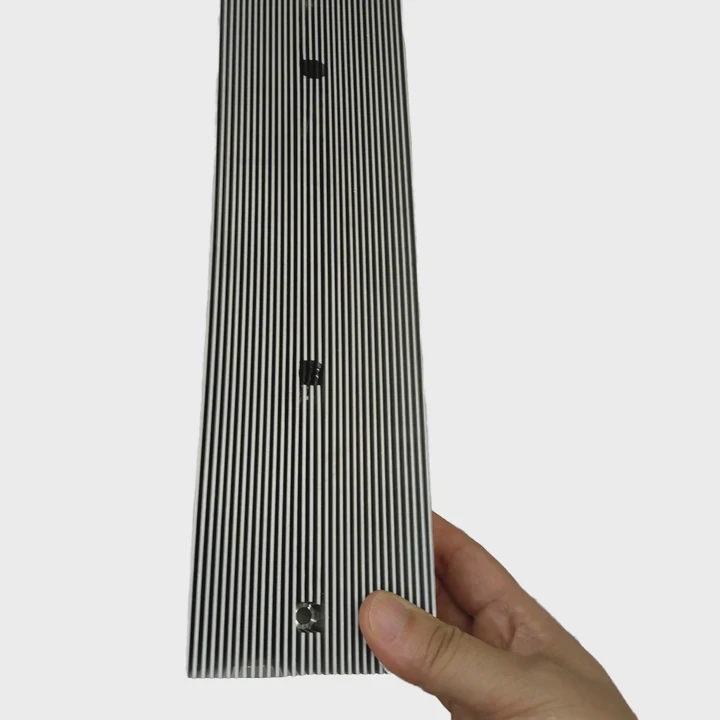
Several third-party reviews and manufacturer tests confirm the benefit of vapor chamber cooling in real-world GPU use.
In tests done by tech review sites, identical GPUs with two cooling variants — one with heat pipes and one with a vapor chamber — show noticeable performance differences in sustained tasks.
Sample Benchmark Data:
| Test Scenario | Heat Pipe Cooler | Vapor Chamber Cooler |
|---|---|---|
| 3DMark Time Spy Score | 14,800 | 15,300 |
| Max GPU Temp (°C) | 84 | 76 |
| Average Clock Speed | 1,830 MHz | 1,910 MHz |
| Power Limit (%) | 100% | 100% |
| Fan Noise (dBA) | 42 | 40 |
In synthetic loads like 3DMark or FurMark, the GPU with vapor chamber cooling maintains higher average clock speeds because the core remains cooler. This results in better scores and smoother power curves.
In gaming tests, the improvement is also clear — though slightly smaller due to variable frame pacing:
Gaming Performance Comparison:
| Game (4K Ultra Settings) | Heat Pipe (fps) | Vapor Chamber (fps) |
|---|---|---|
| Cyberpunk 2077 | 47 | 49 |
| Red Dead Redemption 2 | 54 | 56 |
| Forza Horizon 5 | 91 | 94 |
While a 2–5% gain may not sound large, it translates into fewer dips, better frame pacing, and more thermal stability. Over time, that means better performance consistency — especially in long sessions or high-ambient environments.
The advantage grows in small form factor builds, where cooling space is limited. Vapor chambers shine in tight GPU layouts where spreading heat fast makes a big difference.
Is thermal throttling reduced with Vapor Chambers?
Throttling kills peak performance. If your GPU slows to protect itself, frames suffer. Vapor chambers aim to fix that.
Yes. Vapor chambers reduce thermal throttling by maintaining lower and more stable temperatures under sustained loads.
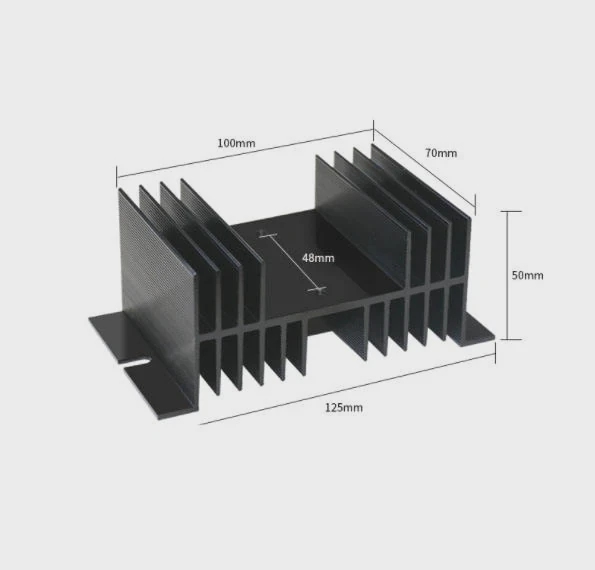
Thermal throttling happens when a GPU reaches its thermal limit — usually around 83–85°C for many modern chips. Once that limit hits, the GPU begins to downclock, reducing performance to avoid overheating. This protection is automatic and non‑negotiable.
With vapor chamber cooling, the entire GPU die stays cooler for longer. By spreading heat quickly from the hotspot (usually the core or VRMs), vapor chambers prevent sudden thermal spikes. This smooths out the heat load and delays or avoids hitting throttle points.
In stress tests, vapor chamber-equipped GPUs can maintain their maximum boost clocks for longer durations. This helps especially in:
- Gaming at 4K or ray tracing: Long, consistent loads benefit from stable cooling.
- GPU rendering: Blender, Octane, and other render engines stress the GPU for minutes or hours.
- AI workloads: High compute loads generate constant heat; avoiding throttle helps speed up results.
Even in gaming, where load varies, users report smoother frame rates and fewer performance dips. Without thermal throttling, FPS remains consistent even after 30–60 minutes of use.
For laptops or compact systems, where heat builds fast, vapor chambers are especially useful. They provide a flat, spread‑out heat sink surface under the entire GPU/CPU area, improving cooling without adding bulk.
Thermal headroom means more time at top clocks. It means a GPU performs as advertised, not just in short bursts but across full workloads.
Do gaming GPUs commonly use this cooling method?
Some features stay in elite products. But vapor chambers are becoming mainstream. Are they now common in gaming GPUs?
Yes. Vapor chamber cooling is now common in mid to high-end gaming GPUs, especially from NVIDIA, AMD, and custom brands like ASUS, MSI, and Gigabyte.
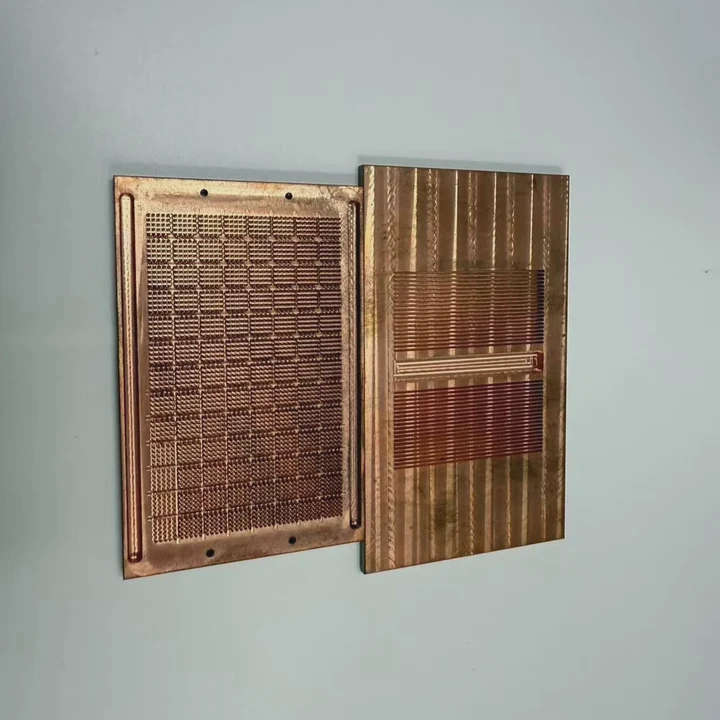
Vapor chamber adoption has grown rapidly over the last 5 years. Once limited to workstation or server GPUs, it’s now widely used in gaming cards — particularly in models above $400.
Common Use Cases:
| GPU Model Series | Vapor Chamber Present? |
|---|---|
| NVIDIA RTX 4090 / 4080 | Yes (most AIB models) |
| AMD RX 7900 XTX / XT | Yes (reference & custom) |
| RTX 4070 Ti / 4060 Ti | Some models (higher end) |
| RTX 3060 / RX 6600 | Rare |
| Laptops (Gaming) | Yes (flagship models) |
NVIDIA’s Founders Edition GPUs (3080, 3090, 4080, 4090) feature vapor chambers combined with fin stacks and axial fans. AMD’s reference RX 7000 series also use vapor chambers for their high‑end cards.
Aftermarket brands — ASUS Strix, Gigabyte AORUS, MSI Gaming X Trio — integrate vapor chambers in their upper-tier models. These designs typically also include large heatsinks and multi-fan arrays.
Reasons for wide adoption:
- Better thermal efficiency with similar or smaller footprint
- Lower noise due to less aggressive fan speeds
- Greater reliability for high‑power GPUs (300W–450W range)
- Marketing appeal: vapor chamber = high-end branding
In laptops, vapor chambers are almost necessary for slim gaming models. They offer thin, broad cooling coverage with minimal bulk — ideal for tight thermal envelopes. Many high-end gaming laptops now advertise vapor chamber cooling as a core selling point.
For budget GPUs, standard heat pipes remain common due to cost and size constraints. But for anyone investing in serious gaming or content creation, vapor chamber cooling has become a standard feature — not just a luxury.
Conclusion
Vapor chambers give GPUs a thermal edge. They spread heat fast, reduce throttling, and unlock higher, stable performance. From top-tier desktops to slim laptops, vapor chamber cooling is now a proven method to push graphics power without burning out.
TAGS
Latest Articles

Volume discount levels for heat sink orders?
Buyers often ask when heat sink prices start to drop with volume. Many worry they’re overpaying for small orders. This guide explains how B2B volume pricing works for thermal components. Heat sink
21 Dec,2025
Heat sink long-term supply contract options?
Many buyers want stable pricing and reliable delivery for heat sinks. But without a clear contract, risks grow over time. This article explores how to secure better long-term supply deals. Long-term
21 Dec,2025
Tooling cost for new heat sink profiles?
Many engineers struggle to understand why tooling for custom heat sinks costs so much. They worry about budgeting and production timelines. This article breaks down the cost drivers behind tooling.
21 Dec,2025
Heat sink custom sample process steps?
Sometimes, starting a custom heat sink project feels overwhelming—too many steps, too many unknowns, and too many risks. You want a sample, but not endless delays. The process for requesting and
20 Dec,2025
Standard B2B terms for heat sink payments?
When buyers and sellers in B2B heat sink markets talk about payment, many don’t fully understand what’s standard. This can lead to delayed orders, miscommunication, and even lost business
20 Dec,2025
Heat sink pricing factors for large orders?
Heat sinks are vital for many systems. When prices rise, projects stall and budgets break. This problem can hit teams hard without warning. Large order heat sink pricing depends on many factors. You
20 Dec,2025Related Articles
- Vapor Chamber support for AI chips?
- How thin can Vapor Chamber be?
- How to assemble Vapor Chamber prototypes?
- Vapor Chamber heat spreading efficiency?
- Vapor Chamber ducting requirements?
- New techniques for Vapor Chamber processing?
- Best joining method for Vapor Chamber?
- Vapor Chamber lifecycle assessment data?
- Environmental impact of Vapor Chamber disposal?
- Vapor Chamber use in hydrogen energy systems?
- How to choose Vapor Chamber thickness?
- Does Vapor Chamber increase performance stability?
Author
Dr. Emily Chen
Chief AI Researcher
Leading expert in thermal dynamics and AI optimization with over 15 years of experience in data center efficiency research.
Categories
Latest Products






Recommend Categories
- Liquid cooling plate Manufacturer
- Industrial Heat Sink Manufacturer
- Standard Heat Sink Manufacturer
- Aluminum Heat Sink Manufacturer
- Copper Heat Sink Manufacturer
- Anodized Heatsink Manufacturer
- Stamping heat sink Manufacturer
- Die Casting Heatsink Manufacturer
- Soldering heat sink Manufacturer
- CNC Parts Manufacturer
Latest Products
- Wholesale Aluminum Radiator
- Water Cooling Plate Kit
- Water Cooling Heat Sink
- Water Cooling Heat Sink Kit
- Stainless Steel Water Distributor
- Server Water Cooling Plate Kit
- Server Liquid Cooling System
- Server Aluminum Cooling Kit
- S19 Full Cover Cooling Plate
- S19 Cooling Plate Kit
- S19 Aluminum Cooling Plate
Contact Expert
Have questions about this article? Reach out to our experts directly.