Vapor Chamber bonding adhesive requirements?
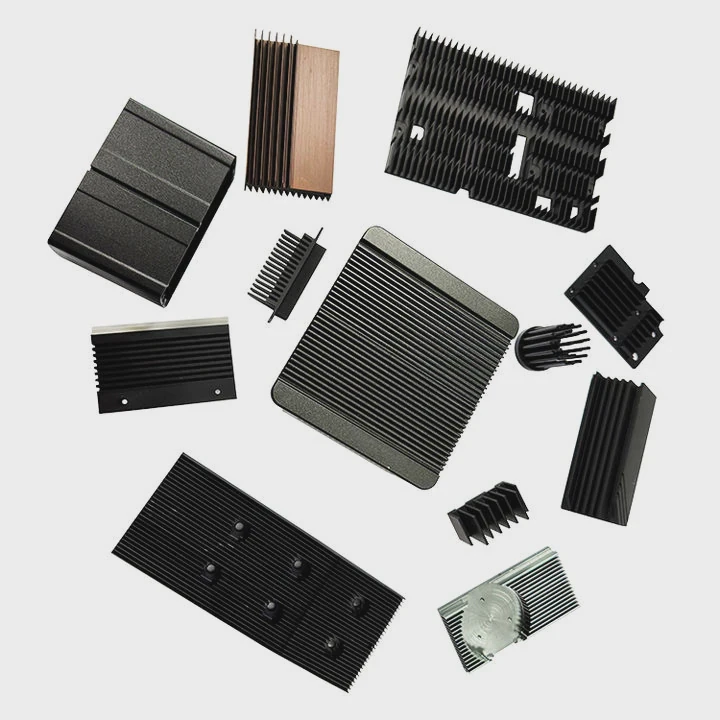
Vapor chambers can’t perform alone — they need to be tightly bonded to heatsinks, cold plates, or structural frames. If the adhesive layer fails or blocks heat, even the best vapor chamber will underperform.
Thermally conductive adhesives — including filled epoxies, tapes, or solder — are essential for bonding vapor chambers without compromising heat transfer or mechanical strength.
Bonding vapor chambers is not just about sticking surfaces together. It’s about keeping thermal resistance low while ensuring long-term durability. Let’s dive into what makes a good adhesive for vapor chambers.
What adhesives are suitable for bonding Vapor Chambers?
Adhesives used in vapor chamber bonding must meet both mechanical and thermal needs. Not every glue works. The bond must resist heat, stay stable under cycling, and conduct heat well.
Suitable adhesives include thermally conductive epoxies, adhesive films, and solder bonding. These materials ensure strong contact and efficient heat transfer between vapor chambers and heatsinks.
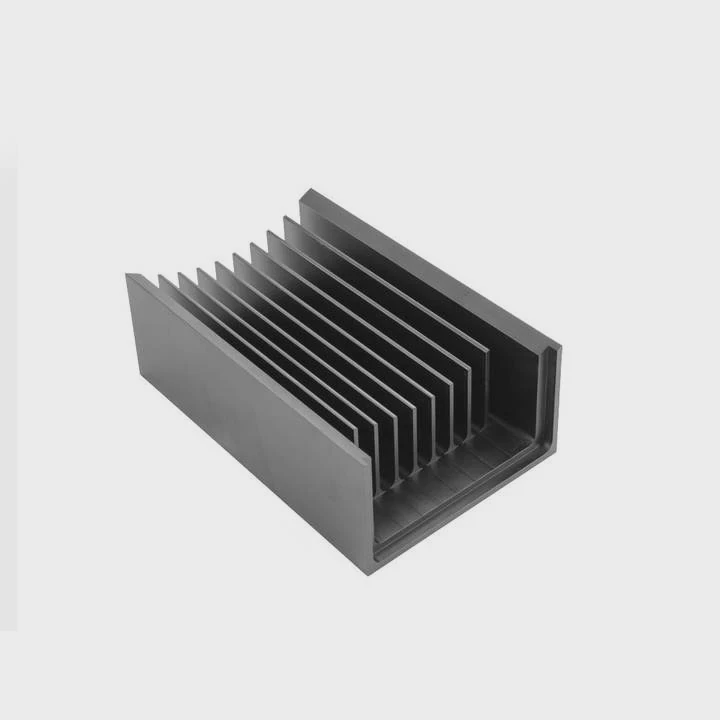
Most engineers choose adhesives that combine thermal conductivity and mechanical bonding. Here’s a breakdown of the most common options:
Thermally Conductive Epoxy
This is the most widely used solution. It comes in single or two-part forms. These epoxies are filled with particles like aluminum oxide, boron nitride, or silver.
- Pros: Strong bond, good thermal conductivity (1.5–4 W/m·K), resists vibration.
- Cons: Rigid after cure, can crack under thermal cycling.
Adhesive Films or Pads
Pre-cut thermal adhesive pads are convenient and clean. These are used in high-volume production where consistency is key.
- Pros: Controlled thickness, easy to apply, uniform bonding.
- Cons: Lower strength, limited heat range, lower thermal conductivity than epoxies.
Solder Bonding
For premium applications, soldering gives the best thermal performance. Low-temperature alloys (like indium-based) are preferred to avoid damage to components.
- Pros: Very high thermal conductivity (40–90 W/m·K), strong metal bond.
- Cons: Complex process, surface compatibility needed, thermal expansion mismatch risk.
Thermal Tapes
Used more in low-power devices. These tapes combine pressure-sensitive adhesive with thermal fillers.
- Pros: Fast application, no curing.
- Cons: Poor performance under load, not suitable for high-heat environments.
| Adhesive Type | Thermal Conductivity (W/m·K) | Strength | Use Case |
|---|---|---|---|
| Thermal Epoxy | 1.5–4.0 | High | Server-grade chambers, edge AI |
| Adhesive Film / Pad | 0.5–2.5 | Medium | Consumer electronics, low power |
| Solder (Indium, SnPb) | 40–90 | Very High | HPC, critical thermal interface |
| Thermal Tape | 0.4–1.0 | Low | Prototyping, temporary bonding |
The choice depends on performance goals, process conditions, and whether the bond is permanent or serviceable.
Do bonding materials affect heat transfer?
Bonding materials are part of the thermal pathway. Their thermal resistance directly influences how well the vapor chamber spreads and removes heat.
Yes — bonding materials with low thermal conductivity or poor surface contact significantly reduce vapor chamber effectiveness by increasing interface resistance.
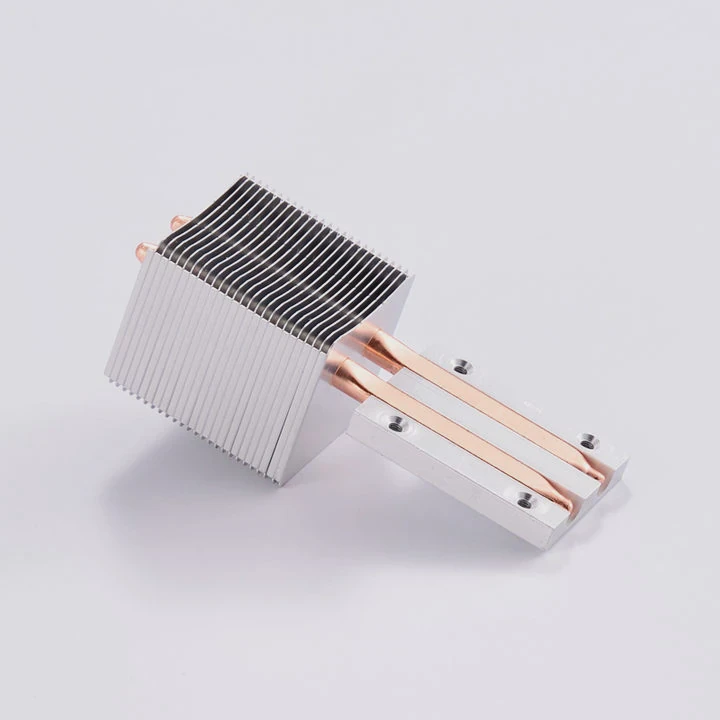
Thermal resistance ® at the bond interface depends on:
- Material thermal conductivity (k)
- Bond line thickness (t)
- Surface flatness/contact quality
The formula is simple: R = t / k
Even a high-k material performs poorly if applied too thick. For instance, a 1.5 W/m·K epoxy at 200 µm thickness gives higher resistance than a 3 W/m·K pad at 100 µm.
Let’s compare:
| Adhesive | Thickness (µm) | Thermal Conductivity (W/m·K) | Thermal Resistance (K·cm²/W) |
|---|---|---|---|
| Silver-filled Epoxy | 100 | 3.0 | 0.033 |
| Ceramic-filled Epoxy | 150 | 1.8 | 0.083 |
| Indium Solder Layer | 50 | 85.0 | 0.0059 |
| Thermal Adhesive Tape | 200 | 0.8 | 0.25 |
As seen above, the choice of material and how it is applied affect performance dramatically.
Also, bonding method influences long-term stability. Some adhesives absorb moisture or soften over time, leading to pump-out or bond shift, increasing the resistance.
Inconsistent application also causes air gaps. These are thermally insulating and must be avoided. Voids or bubbles between chamber and base kill the thermal advantage of a vapor chamber.
For best results, adhesive application must be uniform, thin, and matched to the chamber and substrate materials.
Are high-temp adhesives required for secure bonding?
Vapor chambers may operate near or above 100°C depending on the workload. High temperatures and thermal cycling put stress on the bond. Low-grade adhesives won’t survive.
Yes — adhesives with high thermal stability, wide operating range, and low creep are required to ensure strong bonding in vapor chamber assemblies.
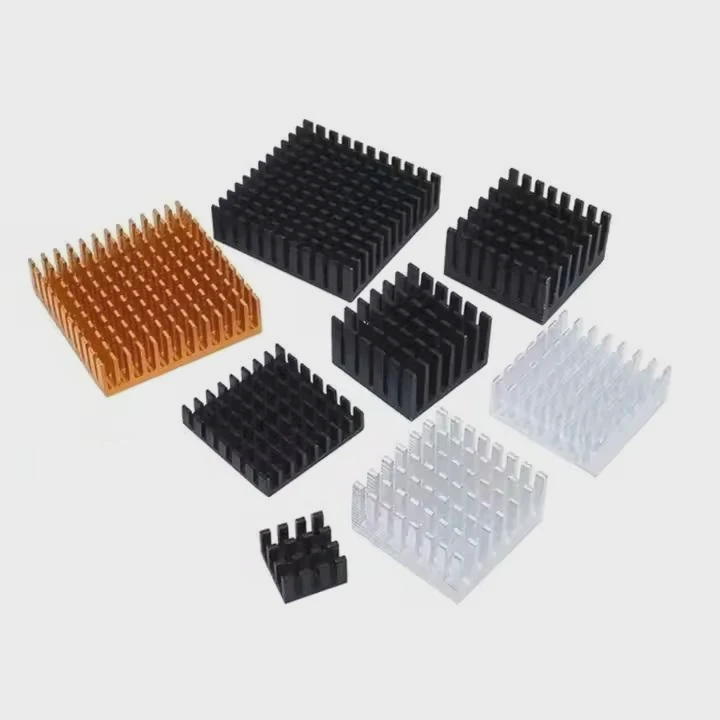
When vapor chambers are used in AI, telecom, or HPC servers, thermal conditions are harsh:
- Continuous exposure to 85–125°C
- Rapid temperature cycling (e.g., −40°C to 125°C)
- Vibration and mechanical load from fans or transport
Under these, standard adhesives can:
- Soften (lose bond strength)
- Crack (thermal expansion mismatch)
- Delaminate (moisture ingress or pump-out)
To avoid this, adhesives must meet:
- High Glass Transition Temperature (Tg): Ideally above 120°C
- Low CTE (Coefficient of Thermal Expansion): Closer to metal components
- Thermal shock resistance: Must pass JEDEC or MIL thermal cycling standards
- Long-term thermal aging: Minimal degradation after 1000+ hours
Epoxies specifically rated for high-temp use or aerospace-grade adhesives are commonly used. For mission-critical applications, engineers often prefer metallic bonding — solder or sintered silver.
Another factor is cure method. Some high-temp adhesives cure only under heat, which could damage sensitive parts. UV or low-temp curing variants may be needed.
Overall, using high-temp rated adhesives avoids failure in performance-critical vapor chamber assemblies.
Can adhesives degrade Vapor Chamber performance?
Using the wrong adhesive can turn a high-performance vapor chamber into a thermal bottleneck. The bond layer can become the weakest link.
Yes — poor adhesive selection or bad application can reduce heat transfer, cause delamination, and even void the benefits of vapor chamber cooling.
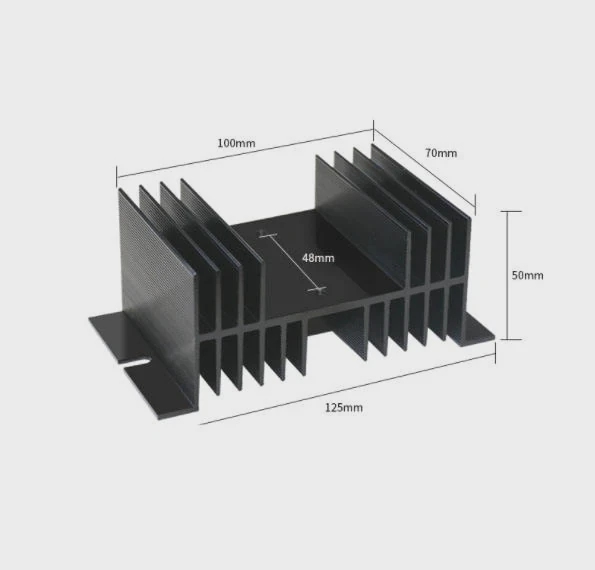
Problems caused by unsuitable adhesives include:
- Thermal barrier formation: Low-conductivity glue or thick bond layers block heat.
- Mechanical failure: Brittle epoxy cracks over time, reducing contact.
- Outgassing or contamination: Some adhesives emit gases that affect chamber internals.
- Pump-out under load: Soft adhesives may move under pressure, creating gaps.
Even when a good adhesive is used, improper surface prep can lead to poor bonding. Oxidation on metal surfaces or contamination can weaken adhesion.
Failure isn’t always visible. Micro-gaps or thermal creep may slowly reduce performance over time, resulting in increased junction temperatures and eventual component failure.
In the worst cases, users may see:
- Higher system temperatures
- CPU/GPU throttling under load
- Uneven temperature readings across surfaces
To avoid this, engineers must:
- Validate adhesive under full operating conditions
- Use controlled application methods
- Test for flatness, thickness, and void content
Advanced thermal labs use infrared imaging, thermocouples, and cross-sectioning to verify bonds. A vapor chamber’s performance is only as good as its contact with the next layer.
Conclusion
Adhesives in vapor chamber bonding are more than glue — they’re part of the heat path. Choosing high-conductivity, high-temp adhesives and applying them correctly is key to vapor chamber performance. The right bond ensures efficient cooling and long-term system stability.
TAGS
Latest Articles

Volume discount levels for heat sink orders?
Buyers often ask when heat sink prices start to drop with volume. Many worry they’re overpaying for small orders. This guide explains how B2B volume pricing works for thermal components. Heat sink
21 Dec,2025
Heat sink long-term supply contract options?
Many buyers want stable pricing and reliable delivery for heat sinks. But without a clear contract, risks grow over time. This article explores how to secure better long-term supply deals. Long-term
21 Dec,2025
Tooling cost for new heat sink profiles?
Many engineers struggle to understand why tooling for custom heat sinks costs so much. They worry about budgeting and production timelines. This article breaks down the cost drivers behind tooling.
21 Dec,2025
Heat sink custom sample process steps?
Sometimes, starting a custom heat sink project feels overwhelming—too many steps, too many unknowns, and too many risks. You want a sample, but not endless delays. The process for requesting and
20 Dec,2025
Standard B2B terms for heat sink payments?
When buyers and sellers in B2B heat sink markets talk about payment, many don’t fully understand what’s standard. This can lead to delayed orders, miscommunication, and even lost business
20 Dec,2025
Heat sink pricing factors for large orders?
Heat sinks are vital for many systems. When prices rise, projects stall and budgets break. This problem can hit teams hard without warning. Large order heat sink pricing depends on many factors. You
20 Dec,2025Related Articles
- Can Vapor Chamber reduce overheating issues?
- Vapor Chamber for handheld electronics?
- Does Vapor Chamber increase performance stability?
- How to choose Vapor Chamber thickness?
- Vapor Chamber use in hydrogen energy systems?
- Environmental impact of Vapor Chamber disposal?
- Typical porosity limits for Vapor Chamber material?
- Vapor Chamber for flexible electronics?
- Can Vapor Chamber improve battery safety?
- Vapor Chamber for industrial automation systems?
- Does Vapor Chamber pass aging tests?
- Vapor Chamber suggested testing frequency?
Author
Dr. Emily Chen
Chief AI Researcher
Leading expert in thermal dynamics and AI optimization with over 15 years of experience in data center efficiency research.
Categories
Latest Products






Recommend Categories
- Liquid cooling plate Manufacturer
- Industrial Heat Sink Manufacturer
- Standard Heat Sink Manufacturer
- Aluminum Heat Sink Manufacturer
- Copper Heat Sink Manufacturer
- Anodized Heatsink Manufacturer
- Stamping heat sink Manufacturer
- Die Casting Heatsink Manufacturer
- Soldering heat sink Manufacturer
- CNC Parts Manufacturer
Latest Products
- Wholesale Aluminum Radiator
- Water Cooling Plate Kit
- Water Cooling Heat Sink
- Water Cooling Heat Sink Kit
- Stainless Steel Water Distributor
- Server Water Cooling Plate Kit
- Server Liquid Cooling System
- Server Aluminum Cooling Kit
- S19 Full Cover Cooling Plate
- S19 Cooling Plate Kit
- S19 Aluminum Cooling Plate
Contact Expert
Have questions about this article? Reach out to our experts directly.