What are heat sinks made of?
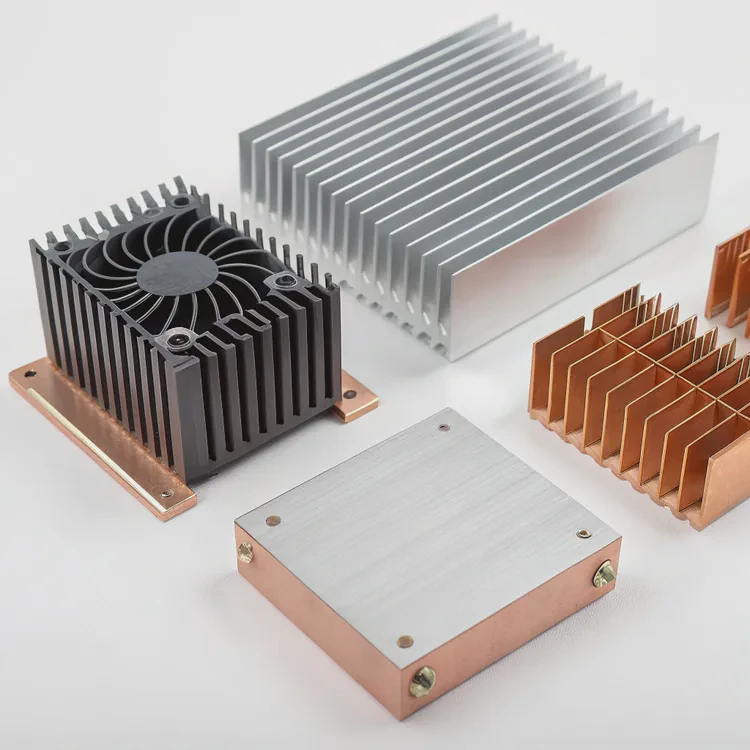
Every heat sink starts with one goal—move heat away fast. The materials used decide how well that happens.
Most heat sinks are made of aluminum or copper because these metals have high thermal conductivity and are easy to manufacture.
Aluminum is light, affordable, and efficient, while copper conducts heat better but is heavier and more costly. The choice between them depends on the performance level required and the thermal conditions of the device.
How do materials affect cooling performance?
When heat cannot escape efficiently, electronics overheat, slow down, or fail. That’s why material choice matters more than design details.
Heat sink materials affect cooling performance through their thermal conductivity, density, weight, and surface characteristics.
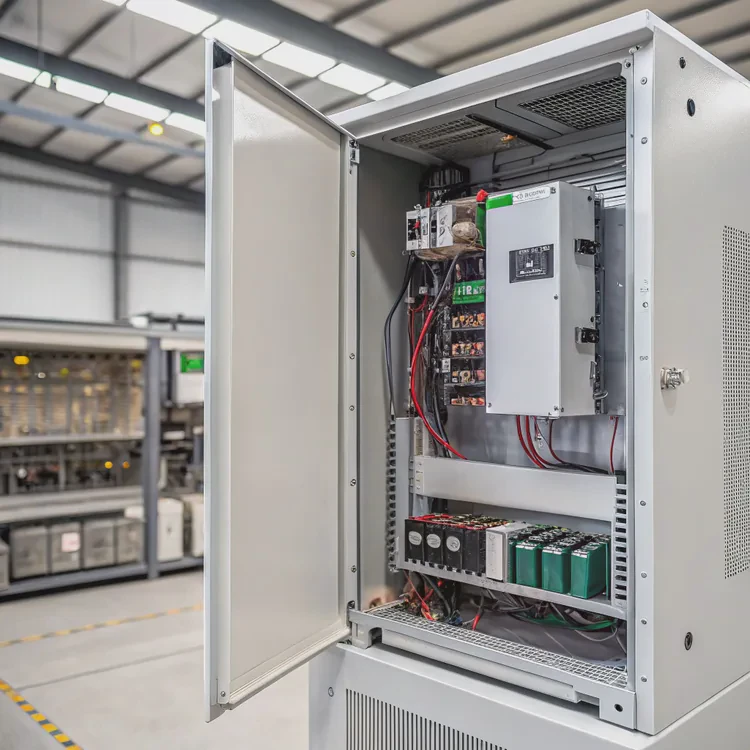
Each material has a specific thermal conductivity (k value) measured in watts per meter-kelvin (W/m·K). The higher this number, the faster heat moves through it. But conductivity alone isn’t enough. Weight, corrosion resistance, and machinability also affect real-world performance.
Thermal properties comparison
| Material | Thermal Conductivity (W/m·K) | Density (g/cm³) | Key Advantage | Limitation |
|---|---|---|---|---|
| Copper | 385–400 | 8.9 | Excellent heat transfer | Heavy and expensive |
| Aluminum | 200–235 | 2.7 | Light, easy to form | Lower conductivity |
| Graphite | 150–300 (anisotropic) | 2.2 | Lightweight, flexible | Brittle, complex processing |
| Magnesium Alloy | 150 | 1.8 | Super lightweight | Lower strength |
| Ceramic | 25–35 | 3.8 | Electrically insulating | Poor conductor |
| Composite Alloys | 200–600 | Variable | Tunable properties | Costly, emerging tech |
When I worked on a high-frequency inverter project, we tested identical designs made of copper and aluminum. The copper version ran 8°C cooler but added 40% more weight. For portable systems, that trade-off wasn’t worth it. In stationary setups, though, the copper sink was unbeatable.
Factors influencing performance
- Thermal conductivity: Determines how quickly heat spreads.
- Specific heat capacity: Affects how much heat the material can store temporarily.
- Surface finish: Impacts radiation and convection efficiency.
- Weight-to-performance ratio: Crucial in aerospace and automotive systems.
The right choice depends on where and how the heat sink is used, not just its conductivity value.
Why choose copper or aluminum for heat sinks?
Every engineer knows the copper vs. aluminum debate—it’s classic but still relevant.
Copper and aluminum are preferred for heat sinks because they balance thermal efficiency, weight, cost, and manufacturability.
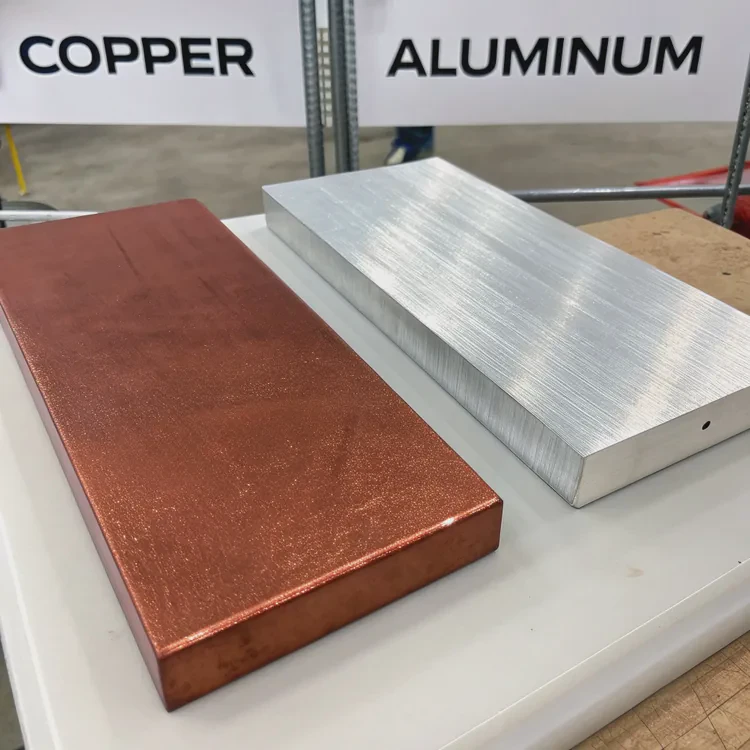
Copper: The premium performer
Copper has almost double the thermal conductivity of aluminum. It spreads heat evenly and reacts quickly to temperature changes. This makes it ideal for CPUs, GPUs, and other high-density heat sources.
However, copper is heavier and harder to machine. It also oxidizes easily, which requires protective coatings.
Aluminum: The versatile choice
Aluminum, especially the 6063 and 6061 alloys, is lightweight, corrosion-resistant, and easy to extrude into complex shapes. It’s the default for most heat sink applications, from power electronics to LED lighting.
Comparative overview
| Feature | Copper | Aluminum |
|---|---|---|
| Thermal Conductivity | ~400 W/m·K | ~230 W/m·K |
| Density | 8.9 g/cm³ | 2.7 g/cm³ |
| Cost | Higher | Lower |
| Weight | Heavy | Light |
| Corrosion Resistance | Moderate | Excellent |
| Manufacturing | Difficult to machine | Easy to extrude |
When to choose which
- Copper: Best for compact, high-heat areas like processors or laser diodes.
- Aluminum: Ideal for larger, air-cooled systems where weight and cost matter more.
- Hybrid design: Many modern sinks use a copper base for spreading and aluminum fins for dissipation—a smart compromise.
I’ve personally used copper-aluminum hybrids in high-power LED systems. The copper base handled the hotspot efficiently, while the aluminum fins kept weight manageable. That combination gave us the best of both worlds.
How to test heat sink materials?
Designing a heat sink isn’t guesswork—it’s experimental science. Material testing ensures the chosen metal meets thermal and structural demands.
You can test heat sink materials by measuring thermal conductivity, heat dissipation efficiency, and surface temperature under load.
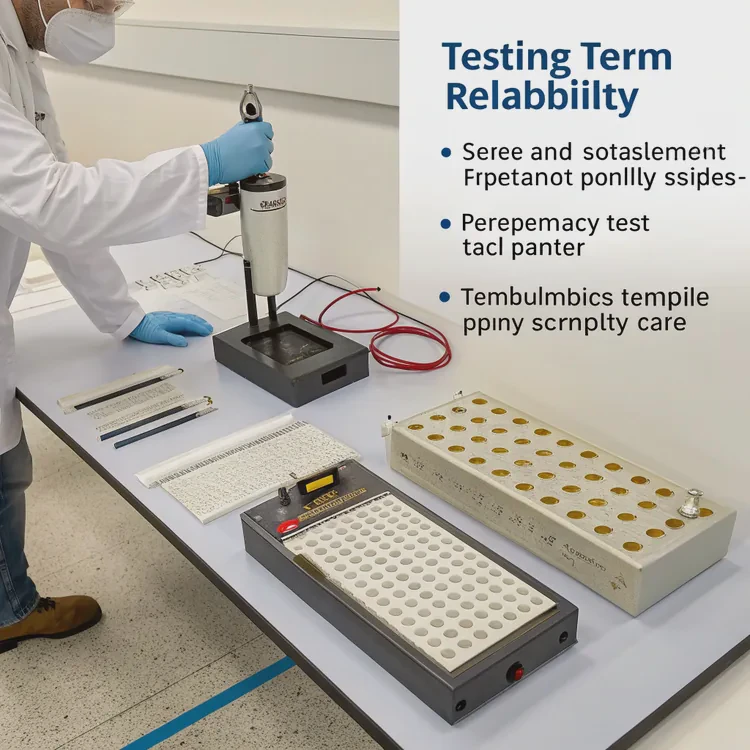
Common testing methods
| Test Type | Purpose | Tools Used |
|---|---|---|
| Thermal Conductivity Test | Measures heat flow rate through material | Laser Flash Analyzer, Heat Flow Meter |
| Thermal Resistance Test | Evaluates overall heat transfer performance | Power device + temperature sensors |
| Infrared (IR) Thermography | Maps temperature distribution | Infrared camera |
| Accelerated Aging Test | Tests durability under repeated heating cycles | Environmental chamber |
| Structural & Corrosion Test | Ensures long-term reliability | Salt spray, tensile tester |
Step-by-step process
- Prepare test samples with identical dimensions.
- Apply consistent heat load using a controlled power source.
- Record temperature gradient across the sample using thermocouples.
- Analyze heat dissipation curve to calculate effective conductivity.
- Compare results under identical airflow and mounting conditions.
In one of my tests, a new aluminum-graphene composite showed 25% better heat transfer than standard aluminum, despite being lighter. But it was costly and difficult to bond, proving that lab performance isn’t always practical for production.
Testing helps find that balance between performance, cost, and manufacturability before scaling to mass production.
What are new materials in heat sink production?
The world of heat sinks is evolving fast. Traditional metals are now sharing the stage with advanced composites and nanomaterials.
New heat sink materials include graphite composites, carbon nanotubes, graphene coatings, and metal-ceramic hybrids.
1. Graphite and pyrolytic graphite
These materials offer excellent in-plane conductivity (up to 1500 W/m·K) but lower through-plane performance. They are thin, flexible, and perfect for space-limited electronics like smartphones or tablets.
2. Graphene coatings
Graphene spreads heat efficiently across surfaces. A single layer can drastically improve contact resistance. Some manufacturers now coat aluminum heat sinks with graphene to boost performance without adding weight.
3. Metal-matrix composites (MMCs)
MMCs combine metals with ceramics or carbon fibers. Examples include Al-SiC or Cu-Diamond. These achieve conductivity above 500 W/m·K while maintaining low expansion rates—ideal for aerospace and high-frequency electronics.
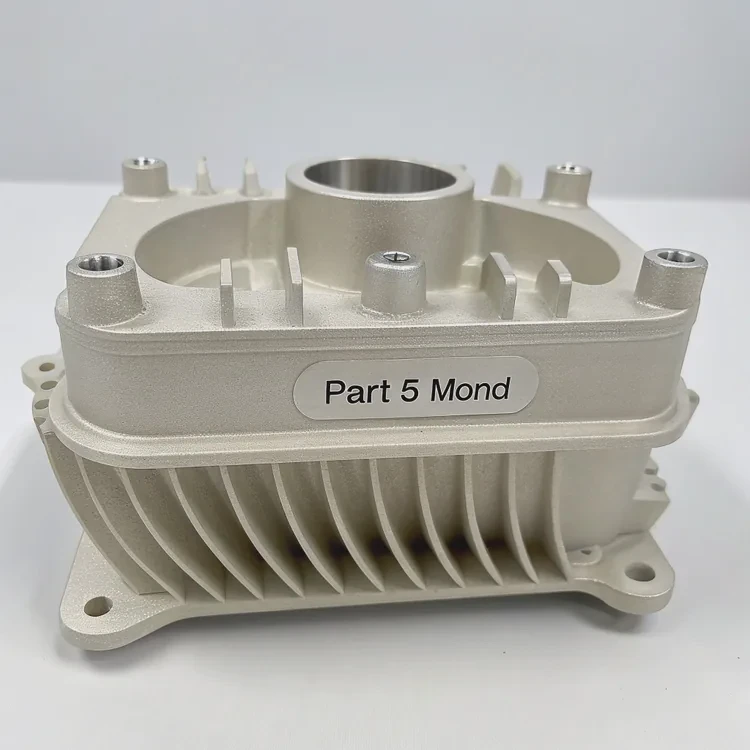
4. 3D printed lattice structures
Additive manufacturing enables internal cooling channels and lightweight lattice geometries impossible with traditional methods. These designs reduce weight by 30–50% while maintaining thermal capacity.
5. Phase-change and liquid-metal interfaces
These advanced materials enhance the bond between the device and heat sink, cutting thermal resistance drastically. Gallium-based alloys, for example, outperform thermal grease by a wide margin.
Future outlook
| Material | Conductivity Range (W/m·K) | Key Benefit | Application |
|---|---|---|---|
| Graphene composite | 400–1000 | Ultra-thin, flexible | Mobile devices |
| Cu-Diamond MMC | 500–700 | Extreme heat spreading | Aerospace |
| Al-SiC MMC | 250–400 | High stiffness, low expansion | Power modules |
| 3D printed metals | 200–350 | Lightweight design freedom | EVs, robotics |
| Liquid metal interface | 15–40 | Superior contact transfer | CPUs, GPUs |
From my experience, hybrid materials will define the future. The goal is not just higher conductivity but smarter thermal control—lightweight, adaptive, and eco-friendly designs. As devices grow faster and smaller, heat sinks will evolve into integrated thermal systems rather than passive blocks of metal.
Conclusion
The best heat sink material depends on the balance between conductivity, weight, cost, and application. From aluminum and copper to graphene and composites, each material offers unique strengths. The future of heat sinks lies in advanced materials that combine high performance with sustainable, efficient design.
TAGS
Latest Articles

Volume discount levels for heat sink orders?
Buyers often ask when heat sink prices start to drop with volume. Many worry they’re overpaying for small orders. This guide explains how B2B volume pricing works for thermal components. Heat sink
21 Dec,2025
Heat sink long-term supply contract options?
Many buyers want stable pricing and reliable delivery for heat sinks. But without a clear contract, risks grow over time. This article explores how to secure better long-term supply deals. Long-term
21 Dec,2025
Tooling cost for new heat sink profiles?
Many engineers struggle to understand why tooling for custom heat sinks costs so much. They worry about budgeting and production timelines. This article breaks down the cost drivers behind tooling.
21 Dec,2025
Heat sink custom sample process steps?
Sometimes, starting a custom heat sink project feels overwhelming—too many steps, too many unknowns, and too many risks. You want a sample, but not endless delays. The process for requesting and
20 Dec,2025
Standard B2B terms for heat sink payments?
When buyers and sellers in B2B heat sink markets talk about payment, many don’t fully understand what’s standard. This can lead to delayed orders, miscommunication, and even lost business
20 Dec,2025
Heat sink pricing factors for large orders?
Heat sinks are vital for many systems. When prices rise, projects stall and budgets break. This problem can hit teams hard without warning. Large order heat sink pricing depends on many factors. You
20 Dec,2025Related Articles
- Do you need a heat sink for an SSD?
- What is the function of a heat sink?
- What does a heat sink do?
- What is a heat sink on an SSD?
- What is a CPU heat sink?
- Does heat rise or sink?
- Do you need a heat sink for SSD?
- Do I need a heat sink for my SSD?
- What does a heat sink do for an SSD?
- How much does custom liquid cooling cost?
- How to do custom liquid cooling?
- How to make a custom liquid cooling system?
Author
Dr. Emily Chen
Chief AI Researcher
Leading expert in thermal dynamics and AI optimization with over 15 years of experience in data center efficiency research.
Categories
Latest Products






Recommend Categories
- Liquid cooling plate Manufacturer
- Industrial Heat Sink Manufacturer
- Standard Heat Sink Manufacturer
- Aluminum Heat Sink Manufacturer
- Copper Heat Sink Manufacturer
- Anodized Heatsink Manufacturer
- Stamping heat sink Manufacturer
- Die Casting Heatsink Manufacturer
- Soldering heat sink Manufacturer
- CNC Parts Manufacturer
Latest Products
- Wholesale Aluminum Radiator
- Water Cooling Plate Kit
- Water Cooling Heat Sink
- Water Cooling Heat Sink Kit
- Stainless Steel Water Distributor
- Server Water Cooling Plate Kit
- Server Liquid Cooling System
- Server Aluminum Cooling Kit
- S19 Full Cover Cooling Plate
- S19 Cooling Plate Kit
- S19 Aluminum Cooling Plate
Contact Expert
Have questions about this article? Reach out to our experts directly.