What does a heat sink do?
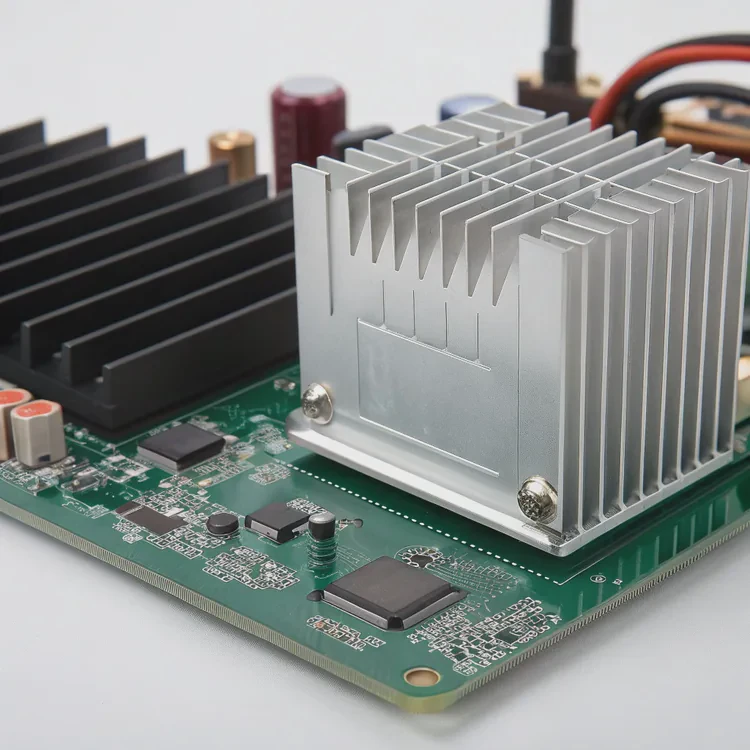
Every electronic device generates heat when it operates. From computers to power converters, heat is a constant byproduct of energy use. If not controlled, this heat can cause performance issues or even permanent damage.
A heat sink removes heat from electronic components by absorbing and spreading it into the surrounding air, keeping systems cool and stable.
In simple terms, it acts as a thermal bridge between the heat source (like a CPU, GPU, or power chip) and the air around it. Without a heat sink, most modern devices would overheat in minutes.
How does a heat sink dissipate heat?
A heat sink uses basic principles of thermal physics — conduction, convection, and sometimes radiation — to manage temperature. It takes heat from the component and releases it into the environment.
A heat sink dissipates heat by transferring it from a hot component into a large metal surface, where it spreads out and is carried away by airflow.
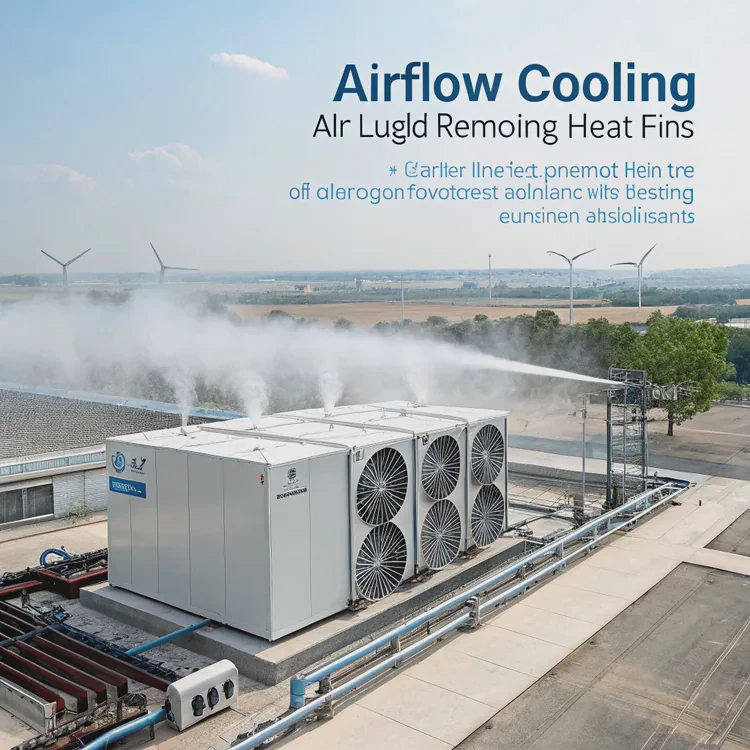
The Heat Dissipation Process
| Step | Mechanism | Description |
|---|---|---|
| 1. Conduction | Solid-to-solid transfer | Heat moves from the component into the heat sink base. |
| 2. Spreading | Internal distribution | The metal base and fins spread heat over a larger area. |
| 3. Convection | Airflow cooling | Air or liquid removes heat from the fins into the atmosphere. |
| 4. Radiation | Infrared emission | A small amount of heat radiates away from the surface. |
Design Elements That Improve Dissipation
- Material: Copper conducts heat better than aluminum, but aluminum is lighter and cheaper.
- Surface Area: Fins increase area for faster cooling.
- Airflow: Fans or natural air movement enhance convection.
- Fin Geometry: The shape and spacing of fins affect how efficiently air moves through them.
When all these elements work together, the heat sink can maintain a steady, low temperature even under heavy loads. I often compare it to a “thermal highway” — heat leaves the component quickly, travels across the heat sink, and escapes into the air.
What benefits does a heat sink provide?
Without a heat sink, components can easily overheat. But beyond protection, a well-designed heat sink improves performance, reliability, and even energy efficiency.
A heat sink provides benefits like stable performance, longer component life, lower system noise, and reduced energy waste.

Main Benefits of Using a Heat Sink
| Benefit | Description |
|---|---|
| Prevents Overheating | Keeps components within safe operating limits. |
| Improves Performance | Prevents throttling or slowdowns caused by heat. |
| Extends Lifespan | Reduces wear and tear from thermal stress. |
| Enables Silent Cooling | Larger heat sinks allow slower, quieter fans. |
| Saves Energy | Efficient cooling means fans and systems use less power. |
Real-World Example
When I tested two identical CPUs — one with a stock cooler and one with a large tower heat sink — the difference was clear. The upgraded system ran 15°C cooler, used 10% less fan power, and maintained higher boost clocks. That small change resulted in smoother performance and longer stability during stress tests.
Good cooling is not just about keeping things cold. It’s about keeping them consistent.
How to install a heat sink properly?
Even the best heat sink won’t perform well if installed incorrectly. Proper installation ensures good contact, even pressure, and efficient heat transfer.
To install a heat sink properly, apply thermal paste, align it with the component, secure it evenly, and ensure clear airflow around it.
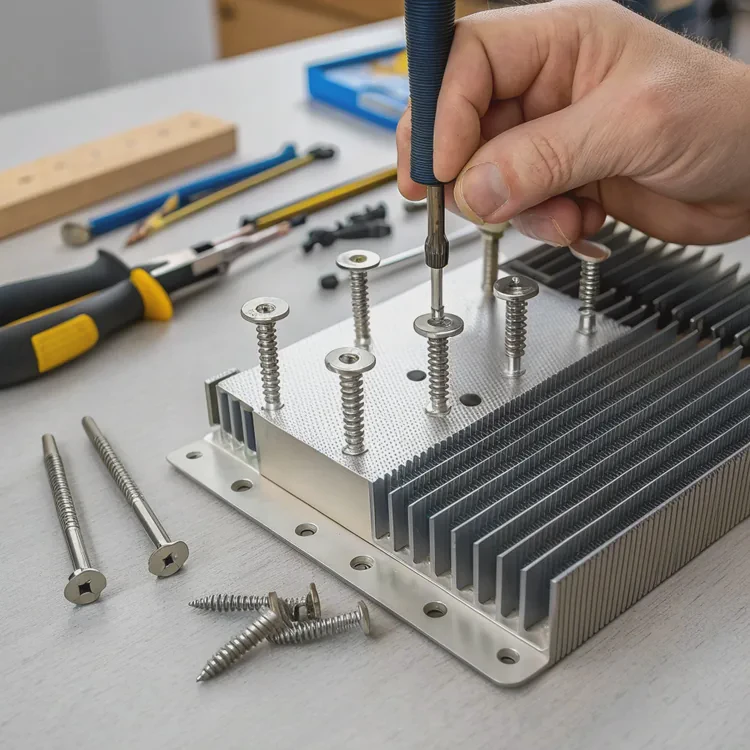
Step-by-Step Installation Guide
| Step | Action | Tip |
|---|---|---|
| 1 | Clean the CPU or chip surface | Remove old paste with alcohol. |
| 2 | Apply thermal paste | Use a pea-sized drop in the center. |
| 3 | Align the heat sink | Make sure mounting holes match the socket or frame. |
| 4 | Secure evenly | Tighten screws in a cross pattern to avoid tilt. |
| 5 | Check airflow | Make sure fans are facing the right direction. |
Common Mistakes to Avoid
- Using too much or too little thermal paste.
- Forgetting to remove protective film from the heat sink base.
- Blocking airflow with cables or nearby components.
- Over-tightening screws, which can warp the base.
When I build or upgrade systems, I always run a temperature test after installation. A properly installed heat sink can lower temperatures by 10–20°C compared to a poor setup.
What are new advancements in heat sink technology?
Heat sink technology continues to evolve as electronic devices become smaller and more powerful. Engineers now combine new materials, designs, and smart systems to push cooling efficiency higher than ever.
Recent heat sink advancements include vapor chambers, graphene coatings, microchannel structures, and AI-controlled cooling systems.
Emerging Heat Sink Technologies
| Innovation | Description | Key Benefit |
|---|---|---|
| Vapor Chambers | Use liquid phase change to spread heat evenly. | Faster, silent heat transfer. |
| Microchannel Heat Sinks | Tiny fluid channels etched into metal. | High efficiency for compact devices. |
| Graphene Layers | Ultra-thin coating with high conductivity. | Lightweight and efficient. |
| 3D Printed Fins | Custom geometries for airflow optimization. | Tailored cooling for each product. |
| Smart Cooling Systems | Sensors and AI control fan speeds. | Adaptive and energy-saving cooling. |
The Future of Heat Sinks
Next-generation cooling systems are combining liquid cooling and solid-state materials into hybrid units. These designs use both convection and phase change to handle massive heat loads efficiently.
We’ll also see more integrated cooling — where chips, boards, and heat sinks are built as a single structure. This shortens the thermal path and improves reliability.
Manufacturers are also exploring eco-friendly materials like recycled aluminum and water-based coatings, balancing performance with sustainability.
In the coming years, heat sinks will become smaller, smarter, and far more efficient — working invisibly but powerfully behind every advanced electronic system.
Conclusion
A heat sink may look simple, but it’s one of the most vital components in modern electronics. It keeps devices cool, stable, and efficient by guiding heat safely away. Whether in computers, cars, or satellites, effective heat sinks are the foundation of performance and reliability.
TAGS
Latest Articles

Volume discount levels for heat sink orders?
Buyers often ask when heat sink prices start to drop with volume. Many worry they’re overpaying for small orders. This guide explains how B2B volume pricing works for thermal components. Heat sink
21 Dec,2025
Heat sink long-term supply contract options?
Many buyers want stable pricing and reliable delivery for heat sinks. But without a clear contract, risks grow over time. This article explores how to secure better long-term supply deals. Long-term
21 Dec,2025
Tooling cost for new heat sink profiles?
Many engineers struggle to understand why tooling for custom heat sinks costs so much. They worry about budgeting and production timelines. This article breaks down the cost drivers behind tooling.
21 Dec,2025
Heat sink custom sample process steps?
Sometimes, starting a custom heat sink project feels overwhelming—too many steps, too many unknowns, and too many risks. You want a sample, but not endless delays. The process for requesting and
20 Dec,2025
Standard B2B terms for heat sink payments?
When buyers and sellers in B2B heat sink markets talk about payment, many don’t fully understand what’s standard. This can lead to delayed orders, miscommunication, and even lost business
20 Dec,2025
Heat sink pricing factors for large orders?
Heat sinks are vital for many systems. When prices rise, projects stall and budgets break. This problem can hit teams hard without warning. Large order heat sink pricing depends on many factors. You
20 Dec,2025Related Articles
- What is a heat sink on an SSD?
- What is a CPU heat sink?
- Does heat rise or sink?
- What is a heat sink on a computer?
- What Is a Heat Sink in Computer?
- What Do Heat Sinks Do?
- What is the function of a heat sink?
- Do you need a heat sink for an SSD?
- What are heat sinks made of?
- Do you need a heat sink for SSD?
- Do I need a heat sink for my SSD?
- What does a heat sink do for an SSD?
Author
Dr. Emily Chen
Chief AI Researcher
Leading expert in thermal dynamics and AI optimization with over 15 years of experience in data center efficiency research.
Categories
Latest Products






Recommend Categories
- Liquid cooling plate Manufacturer
- Industrial Heat Sink Manufacturer
- Standard Heat Sink Manufacturer
- Aluminum Heat Sink Manufacturer
- Copper Heat Sink Manufacturer
- Anodized Heatsink Manufacturer
- Stamping heat sink Manufacturer
- Die Casting Heatsink Manufacturer
- Soldering heat sink Manufacturer
- CNC Parts Manufacturer
Latest Products
- Wholesale Aluminum Radiator
- Water Cooling Plate Kit
- Water Cooling Heat Sink
- Water Cooling Heat Sink Kit
- Stainless Steel Water Distributor
- Server Water Cooling Plate Kit
- Server Liquid Cooling System
- Server Aluminum Cooling Kit
- S19 Full Cover Cooling Plate
- S19 Cooling Plate Kit
- S19 Aluminum Cooling Plate
Contact Expert
Have questions about this article? Reach out to our experts directly.