Does heat rise or sink?
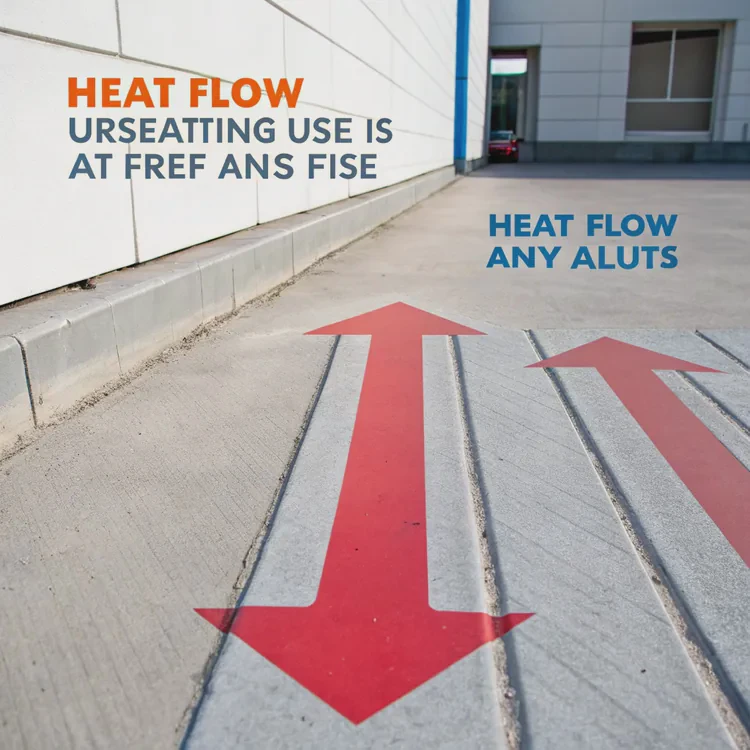
Many people say “heat rises,” but that’s not exactly true. Heat doesn’t rise or sink by itself — it simply moves from hot to cold. It spreads in every direction until temperatures even out.
Heat flows from hot to cold. Warm air rises only because it is lighter than cooler air, not because heat prefers going up.
I apply this rule whenever I design a cooling system. I always start by asking, “Where is the hottest spot?” and then I guide heat along the easiest path out of the system.
How does heat movement affect cooling systems?
Overheating causes parts to slow down, fans to get loud, and systems to fail early. When I understand how heat moves, I can design cooling systems that work quietly and efficiently.
Cooling systems perform best when heat moves through conduction, spreads across a surface, and escapes through airflow or liquid cooling.
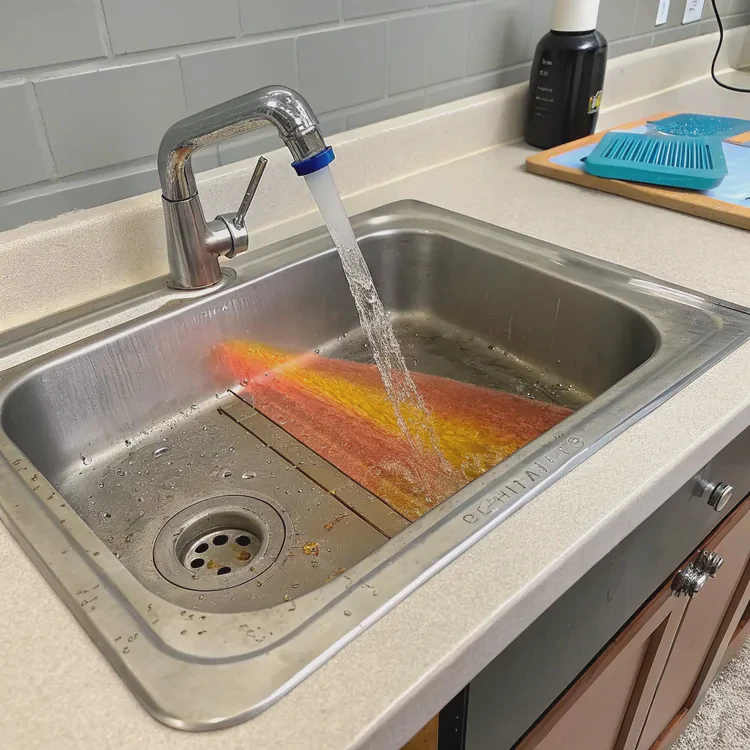
The three-step path of heat flow
| Step | What Happens | Why It Matters |
|---|---|---|
| Conduction | Heat travels from the chip into the heat sink. | Pulls heat away fast and evenly. |
| Spreading | Heat spreads across a wide metal base. | Reduces hotspots and improves stability. |
| Convection | Air or liquid removes heat from the surface. | Prevents heat from returning to the chip. |
When I build or test a cooling system, I focus on these three layers. First, heat leaves the source through a thermal interface. Then it spreads across the sink’s metal body. Finally, airflow carries it away. If any part of this chain fails, heat builds up.
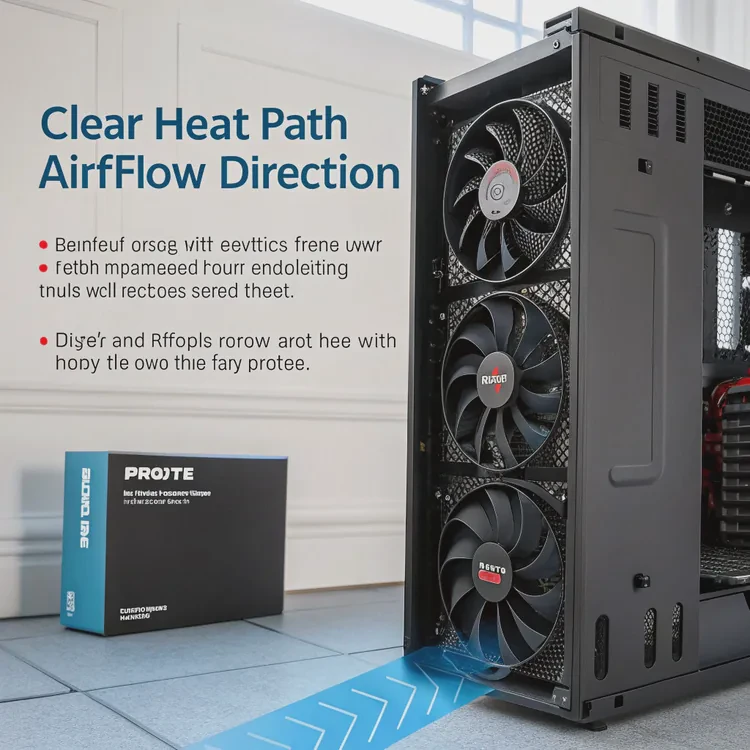
In server racks or PCs, the same logic applies. Front-to-back airflow gives hot air a clear exit path. If airflow loops back inside, even strong fans won’t help. Fixing the flow often works better than adding more fans.
What are the benefits of understanding heat flow?
When I understand how heat travels, I make better design choices. I waste less energy and avoid performance loss.
Knowing heat flow improves cooling efficiency, reduces noise, extends hardware life, and saves energy.
Practical Benefits
Fewer hotspots
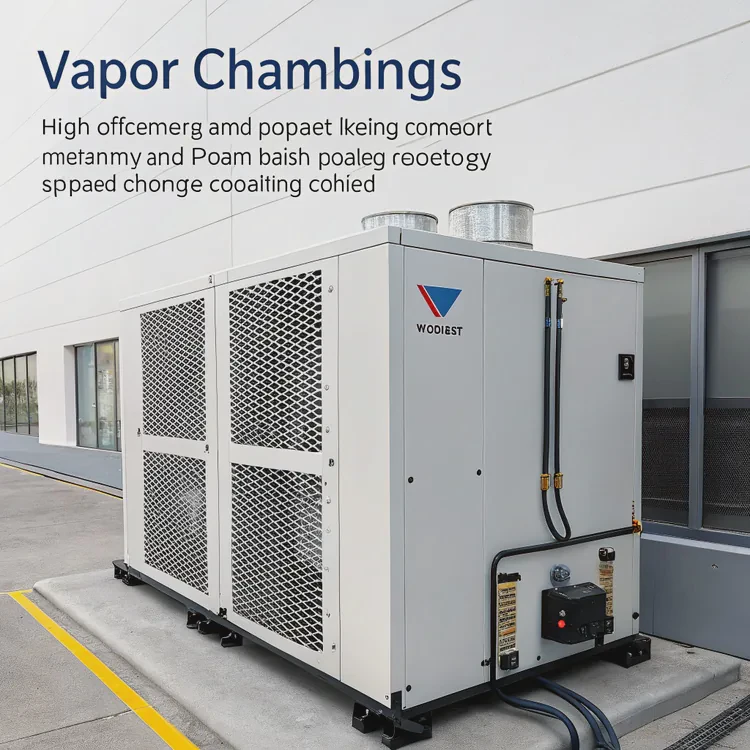
Hotspots damage hardware over time. By improving heat spreading with vapor chambers or thicker bases, I can even out temperatures across components. That keeps fans steady and performance consistent.
Lower noise
A smooth airflow path allows fans to run slower. Less turbulence means less noise. I often redesign intake and exhaust patterns just to get quieter cooling without losing performance.
Longer lifespan
Cooler components last longer. Stable temperatures reduce stress on parts like CPUs and GPUs. Fans also use less power when they don’t need to spin constantly, saving both energy and money.
Once I applied this in a project by realigning airflow and sealing small gaps, CPU temperature dropped by 10°C and noise was cut almost in half. It proved that a clear heat path beats brute-force cooling.
How to use airflow for better cooling?
More fans don’t always mean better cooling. It’s about direction and pressure — moving cool air in and hot air out efficiently.
Use front-to-back airflow, avoid obstructions, maintain slight positive pressure, and sync fan curves to heat sources.

Airflow Setup Guide
| Area | What to Do | Check |
|---|---|---|
| Intake | Pull cool air from the front or bottom. | Feel a smooth airflow inward. |
| Exhaust | Push hot air out the back or top. | Warm air should exit freely. |
| Pressure | Keep more intake than exhaust. | Less dust builds up inside. |
| Path | Keep cables clear and air straight. | Avoid dead zones or recirculation. |
My Step-by-Step Approach
- Plan the flow. I sketch arrows showing cool air entering from the front and hot air leaving from the back.
- Balance pressure. Slight positive pressure keeps dust on filters, not inside.
- Align coolers. Tower coolers should face the exhaust fan, not sideways.
- Reduce turbulence. Avoid fans blowing against each other.
- Use smart fan curves. Tie fan speed to temperature sensors near heat sources.
When airflow is well-planned, even small systems stay cool and quiet. The key is to let air travel smoothly from intake to exhaust.
Why does warm air rise?
Warm air seems to “rise” because of a simple physical reason — it becomes lighter when heated.
Warm air rises because it expands, becomes less dense, and floats above cooler air, while heat itself still flows in all directions.
The Science Behind It
When air warms up, its molecules move faster and spread apart. That makes it less dense. Gravity then pulls denser, cooler air down while lighter, warmer air moves up. This is called natural convection.
This is why your hand feels more heat above a candle flame than beside it. The heat doesn’t “choose” to go up — the air carrying it becomes buoyant.
The same rule applies in buildings, computers, or even mountains. In a PC case, warm air tends to gather near the top. Placing exhaust fans there helps natural convection do its work.
Once I understood this, my cooling setups became simpler and more efficient. I stopped fighting physics and started working with it.
What are the latest studies on thermal dynamics?
Modern research in thermal dynamics is pushing cooling beyond simple metal fins and fans. Engineers are now using micro-scale and smart technologies to manage heat.
The latest studies focus on microchannel cooling, vapor chambers, phase-change systems, and AI-controlled thermal management.
Key Innovations in Thermal Design
| Technology | Core Idea | Benefit |
|---|---|---|
| Microchannel Cooling | Tiny liquid channels on chips remove heat directly. | High efficiency and compact design. |
| Vapor Chambers | Use phase change to spread heat evenly. | Rapid heat transport with no noise. |
| Radiative Cooling | Surfaces that emit infrared heat to the sky. | Passive cooling without fans. |
| Smart Control Systems | AI adjusts cooling based on temperature and workload. | Less noise, better efficiency. |
The Future of Cooling
Researchers are developing two-phase microfluidic cooling, where liquid evaporates inside microchannels right on the processor surface. This technique can remove several times more heat than traditional air coolers.
Another area is graphene-based thermal materials, which offer incredible conductivity while being ultra-thin and lightweight. These may soon replace traditional copper in high-performance devices.
AI is also entering the scene. New cooling systems can predict heat buildup and adjust fan speed or coolant flow before temperatures rise. This approach will soon become standard in laptops and data centers alike.
As processors become denser and more powerful, traditional cooling will not be enough. Future systems will likely integrate cooling directly into chip packaging and use hybrid approaches that mix air, liquid, and even radiation cooling.
Conclusion
Heat doesn’t rise or sink — it simply flows from hot to cold. Once we understand that, we can guide airflow and design better cooling systems. Whether for a PC or a large data center, mastering heat flow means quieter, longer-lasting, and more efficient machines.
TAGS
Latest Articles

Volume discount levels for heat sink orders?
Buyers often ask when heat sink prices start to drop with volume. Many worry they’re overpaying for small orders. This guide explains how B2B volume pricing works for thermal components. Heat sink
21 Dec,2025
Heat sink long-term supply contract options?
Many buyers want stable pricing and reliable delivery for heat sinks. But without a clear contract, risks grow over time. This article explores how to secure better long-term supply deals. Long-term
21 Dec,2025
Tooling cost for new heat sink profiles?
Many engineers struggle to understand why tooling for custom heat sinks costs so much. They worry about budgeting and production timelines. This article breaks down the cost drivers behind tooling.
21 Dec,2025
Heat sink custom sample process steps?
Sometimes, starting a custom heat sink project feels overwhelming—too many steps, too many unknowns, and too many risks. You want a sample, but not endless delays. The process for requesting and
20 Dec,2025
Standard B2B terms for heat sink payments?
When buyers and sellers in B2B heat sink markets talk about payment, many don’t fully understand what’s standard. This can lead to delayed orders, miscommunication, and even lost business
20 Dec,2025
Heat sink pricing factors for large orders?
Heat sinks are vital for many systems. When prices rise, projects stall and budgets break. This problem can hit teams hard without warning. Large order heat sink pricing depends on many factors. You
20 Dec,2025Related Articles
- What is a heat sink on a computer?
- What Is a Heat Sink in Computer?
- What Do Heat Sinks Do?
- What Is a Heat Sink in a Computer?
- What Is a Heat Sink Computer?
- How to fix heat sink on 3D printer nozzle?
- What is a CPU heat sink?
- What is a heat sink on an SSD?
- What does a heat sink do?
- What is the function of a heat sink?
- Do you need a heat sink for an SSD?
- What are heat sinks made of?
Author
Dr. Emily Chen
Chief AI Researcher
Leading expert in thermal dynamics and AI optimization with over 15 years of experience in data center efficiency research.
Categories
Latest Products






Recommend Categories
- Liquid cooling plate Manufacturer
- Industrial Heat Sink Manufacturer
- Standard Heat Sink Manufacturer
- Aluminum Heat Sink Manufacturer
- Copper Heat Sink Manufacturer
- Anodized Heatsink Manufacturer
- Stamping heat sink Manufacturer
- Die Casting Heatsink Manufacturer
- Soldering heat sink Manufacturer
- CNC Parts Manufacturer
Latest Products
- Wholesale Aluminum Radiator
- Water Cooling Plate Kit
- Water Cooling Heat Sink
- Water Cooling Heat Sink Kit
- Stainless Steel Water Distributor
- Server Water Cooling Plate Kit
- Server Liquid Cooling System
- Server Aluminum Cooling Kit
- S19 Full Cover Cooling Plate
- S19 Cooling Plate Kit
- S19 Aluminum Cooling Plate
Contact Expert
Have questions about this article? Reach out to our experts directly.