what is a heatsink and fan?
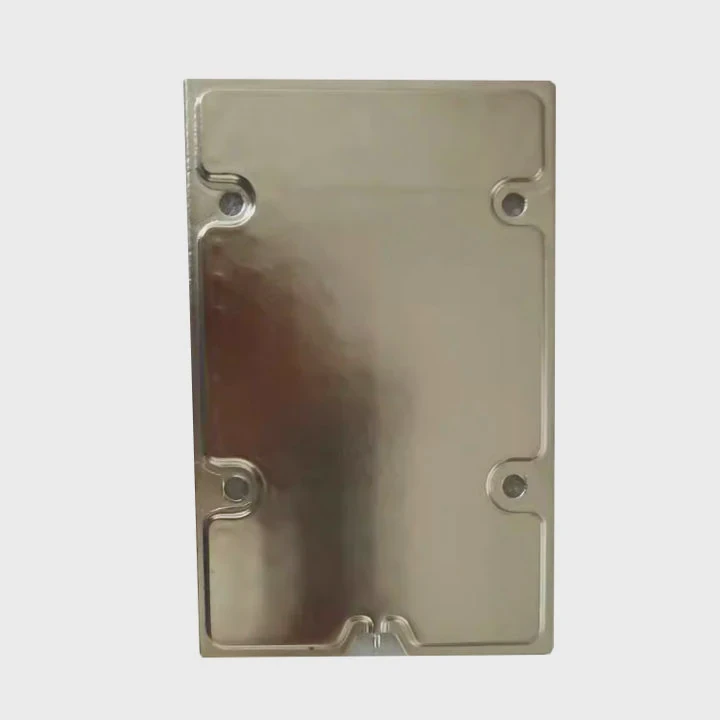
I work with many systems that need stable cooling. I often explain to clients what a heatsink and fan do, because many think these parts only lower temperature but do not know how they work together.
A heatsink and fan form a cooling unit that pulls heat from a chip and pushes it into moving air, keeping the device stable during long and heavy use.
I treat the heatsink and fan as a team. One part spreads heat, and the other part moves air. When both work well, the system stays safe.
Why pair passive and active cooling?
I see many systems overheat when they use only passive fins or only airflow. These systems lack balance. When I pair a passive heatsink with an active fan, heat moves faster and spreads evenly.
Passive fins hold and spread heat, while an active fan pushes air through the fins. This pairing boosts cooling strength and keeps the chip safe during high load.
How passive cooling works
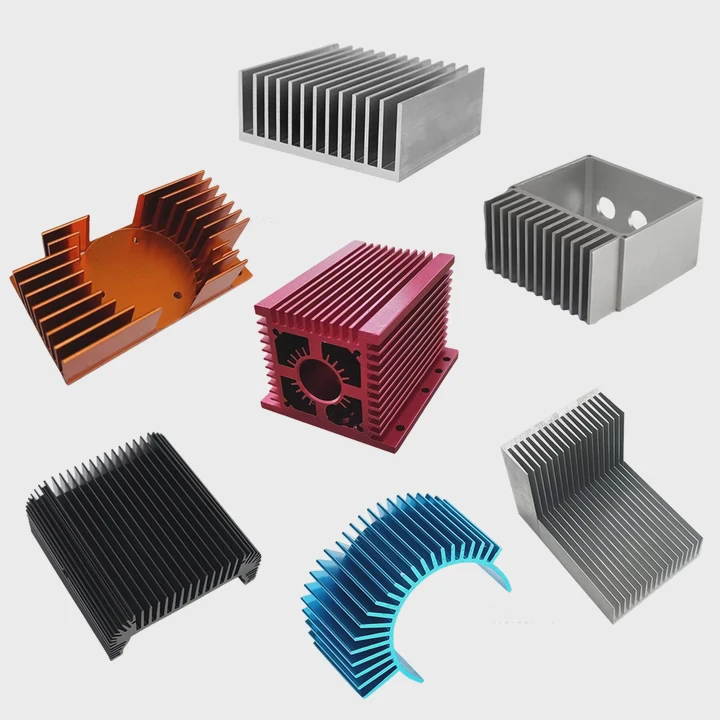
A passive heatsink uses a thick base plate and many thin fins. The base plate touches the chip. Heat moves from the chip into the base, and then into the fins. The fins create large surface area. The air around the fins absorbs heat.
This process happens without moving parts. It is simple. But it has limits. When the air stops moving, the fins get hot. The air near them becomes still and forms a heat pocket. This pocket slows heat release.
How active cooling works
The fan brings fresh air. It removes the hot air around the fins. The new cool air takes more heat. This process repeats fast. A strong fan increases the rate of heat removal. Even a small airflow change can lower temperature a lot.
Below is a table that shows the difference:
| Cooling type | What it does |
|---|---|
| Passive | Spreads heat over large surface |
| Active | Moves air to remove heat fast |
Why pairing matters
I pair passive fins with an active fan because each part handles one side of the heat path. The passive part spreads heat; the active part removes it. When only one part works, heat piles up.
I have seen many cases where a bigger heatsink alone cannot control temperature. But once I add a small fan, the temperature drops fast. This pairing gives the best result with simple steps.
How does airflow remove heat?
I see many people think airflow only blows hot air away. Airflow does more. It creates a continuous path for heat to escape from the metal fins.
Airflow removes heat by pulling hot air off the fins, replacing it with cool air, and keeping the temperature difference high so heat flows out faster.
Surface temperature difference
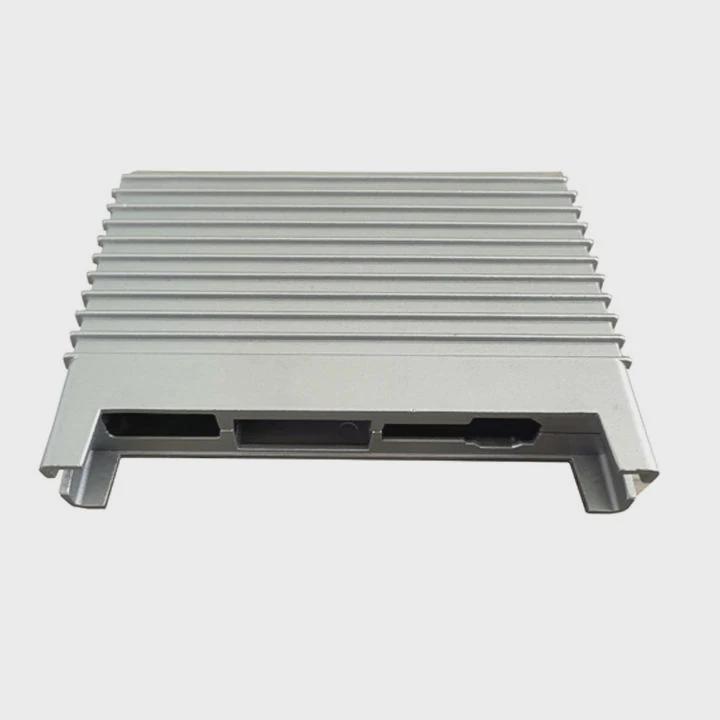
Heat moves from hot metal to cooler air. When the fan pushes cool air, the surface stays cooler. This makes heat flow faster. If the air becomes warm, heat flow slows.
I measure the fin temperature with a small probe. With good airflow, the temperature stays even from base to tip. Without airflow, the fin tip stays warm and the heat has nowhere to go.
Air pressure and direction
I watch the fan direction arrows. Many users mount fans backward. When the fan pulls instead of pushes, airflow path changes. Sometimes this works, but often it reduces cooling.
I check air pressure too. A fan with high pressure pushes air deep into tight fins. A fan with low pressure cannot move air past the first few fins. This leaves the inner area trapped with heat.
Airflow behavior under load
I run a stress test and watch the airflow. The heat changes how air moves. Warm air rises slower inside tight spaces. I check gaps around the heatsink to avoid air leaks. Leaks make the fan push air where it does not help cooling.
When airflow is strong and clean, I see a clear drop in chip temperature. This is why I take airflow so seriously when I work on cooling systems.
Where are HSFs commonly used?
I work with many devices across different industries. I see heatsink and fan units everywhere, from small boards to large control systems.
HSFs are used in computers, graphics cards, power modules, networking devices, industrial systems, and high-speed electronics where fast heat removal is needed.
Consumer systems
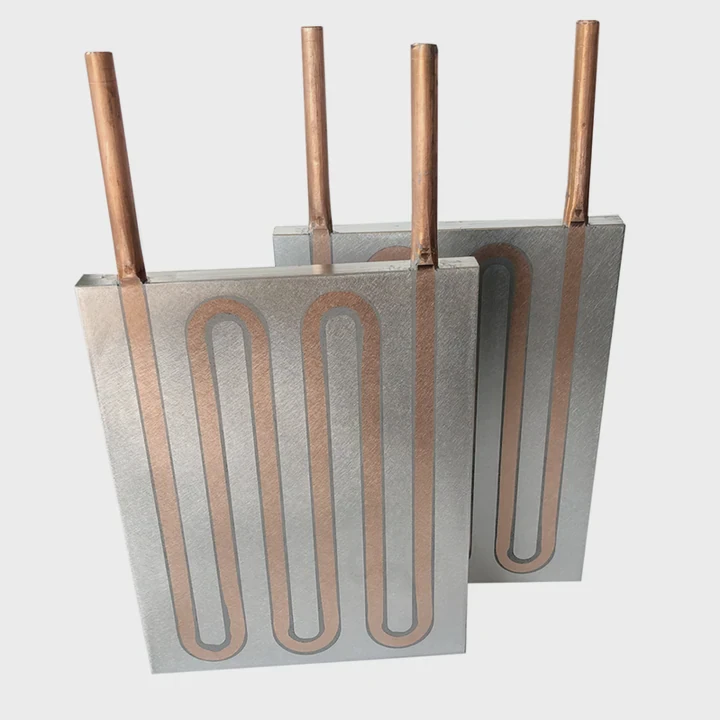
I see HSFs in desktop PCs, laptops, game consoles, and media boxes. These devices use fast chips that produce steady heat. The HSF keeps them stable.
Desktops use large tower HSFs. Laptops use thin blower fans. Game consoles use wide radial fans that push air through dense fins.
Industrial and power systems
I see HSFs in motor drives, power converters, and control modules. These units run long hours. They produce more heat than small devices. They use thick fins and strong fans to move large air volume.
Here is a table that shows common uses:
| Device type | Why HSF is used |
|---|---|
| CPU/GPU | High heat during load |
| Routers | Constant heat from chips |
| Power modules | Heavy current and long hours |
| Industrial boards | Tight spaces and high thermal load |
Special cases
Some medical scanners use HSFs for stable imaging chips. Some communication gear uses HSFs for baseband units. Some storage servers use HSFs for controller chips.
I also see HSFs inside robots and automation arms. These systems create heat during motion control. The HSF keeps sensors and drivers stable.
The wide use of HSFs shows how important they are for modern electronics. Without them, many systems would fail fast.
Can larger fans reduce noise?
I often replace small fast fans with larger slow fans. Clients want lower noise. They also want better airflow. I show them how fan size changes noise behavior.
Yes, larger fans reduce noise because they move more air at lower speed, create smoother airflow, and avoid the high-frequency whine that small fast fans make.
Fan speed and blade size
A small fan must spin fast to push enough air. This fast spin creates sharp noise. The blades cut the air quickly. This makes a high-pitch sound.
A larger fan spins slower. But because the blades are longer, one spin moves more air. This means the same cooling power with less speed and less noise.
Airflow smoothness
Air turbulence creates noise. Small fans create more turbulence because the blades sit close and move fast. Larger fans move air in wider patterns. The airflow becomes smooth.
I listen to the fan pattern when I test systems. A large fan makes a soft hum. A small fan makes a sharp buzz. The difference becomes clear during long use.
Pressure and quiet cooling
Some large fans also offer higher static pressure. This helps air move through tight fins without spinning too fast.
When I upgrade fans for clients, I match the fan to the heatsink size. A large fan on a small heatsink may cause air leak. But a large fan on a wide fin array improves cooling and cuts noise.
A larger fan is one of the simplest ways to reduce noise. It helps people who need quiet systems for work or home use.
Conclusion
A heatsink and fan work together to move heat away from a chip. The heatsink spreads heat, and the fan removes it. This pair appears in many modern systems. With strong airflow and smart fan size, the cooling stays safe and quiet.
TAGS
Latest Articles

Volume discount levels for heat sink orders?
Buyers often ask when heat sink prices start to drop with volume. Many worry they’re overpaying for small orders. This guide explains how B2B volume pricing works for thermal components. Heat sink
21 Dec,2025
Heat sink long-term supply contract options?
Many buyers want stable pricing and reliable delivery for heat sinks. But without a clear contract, risks grow over time. This article explores how to secure better long-term supply deals. Long-term
21 Dec,2025
Tooling cost for new heat sink profiles?
Many engineers struggle to understand why tooling for custom heat sinks costs so much. They worry about budgeting and production timelines. This article breaks down the cost drivers behind tooling.
21 Dec,2025
Heat sink custom sample process steps?
Sometimes, starting a custom heat sink project feels overwhelming—too many steps, too many unknowns, and too many risks. You want a sample, but not endless delays. The process for requesting and
20 Dec,2025
Standard B2B terms for heat sink payments?
When buyers and sellers in B2B heat sink markets talk about payment, many don’t fully understand what’s standard. This can lead to delayed orders, miscommunication, and even lost business
20 Dec,2025
Heat sink pricing factors for large orders?
Heat sinks are vital for many systems. When prices rise, projects stall and budgets break. This problem can hit teams hard without warning. Large order heat sink pricing depends on many factors. You
20 Dec,2025Related Articles
- which to 220 heatsink?
- do noctua chromax heatsink covers impact?
- how to clean heatsink?
- Do transistors need to have a heatsink?
- is replacing laptop heatsink worth it?
- what to do without a cpu heatsink?
- Do you need heatsinks in liquid cooling?
- what is a processor heatsink?
- Does Coffee Lake come with heatsink and fans?
- a cpu heatsink?
- how to remove hyperx ram heatsink?
- how to connect a heatsink to 7805?
Author
Dr. Emily Chen
Chief AI Researcher
Leading expert in thermal dynamics and AI optimization with over 15 years of experience in data center efficiency research.
Categories
Latest Products






Recommend Categories
- Liquid cooling plate Manufacturer
- Industrial Heat Sink Manufacturer
- Standard Heat Sink Manufacturer
- Aluminum Heat Sink Manufacturer
- Copper Heat Sink Manufacturer
- Anodized Heatsink Manufacturer
- Stamping heat sink Manufacturer
- Die Casting Heatsink Manufacturer
- Soldering heat sink Manufacturer
- CNC Parts Manufacturer
Latest Products
- Wholesale Aluminum Radiator
- Water Cooling Plate Kit
- Water Cooling Heat Sink
- Water Cooling Heat Sink Kit
- Stainless Steel Water Distributor
- Server Water Cooling Plate Kit
- Server Liquid Cooling System
- Server Aluminum Cooling Kit
- S19 Full Cover Cooling Plate
- S19 Cooling Plate Kit
- S19 Aluminum Cooling Plate
Contact Expert
Have questions about this article? Reach out to our experts directly.